Are Plush Toys Safe for Babies? A Parent’s Guide
Plush toys can be comforting for babies, but safety depends on materials, construction, and when they’re used. Learn what to look for, age guidance, and sleep safety basics.
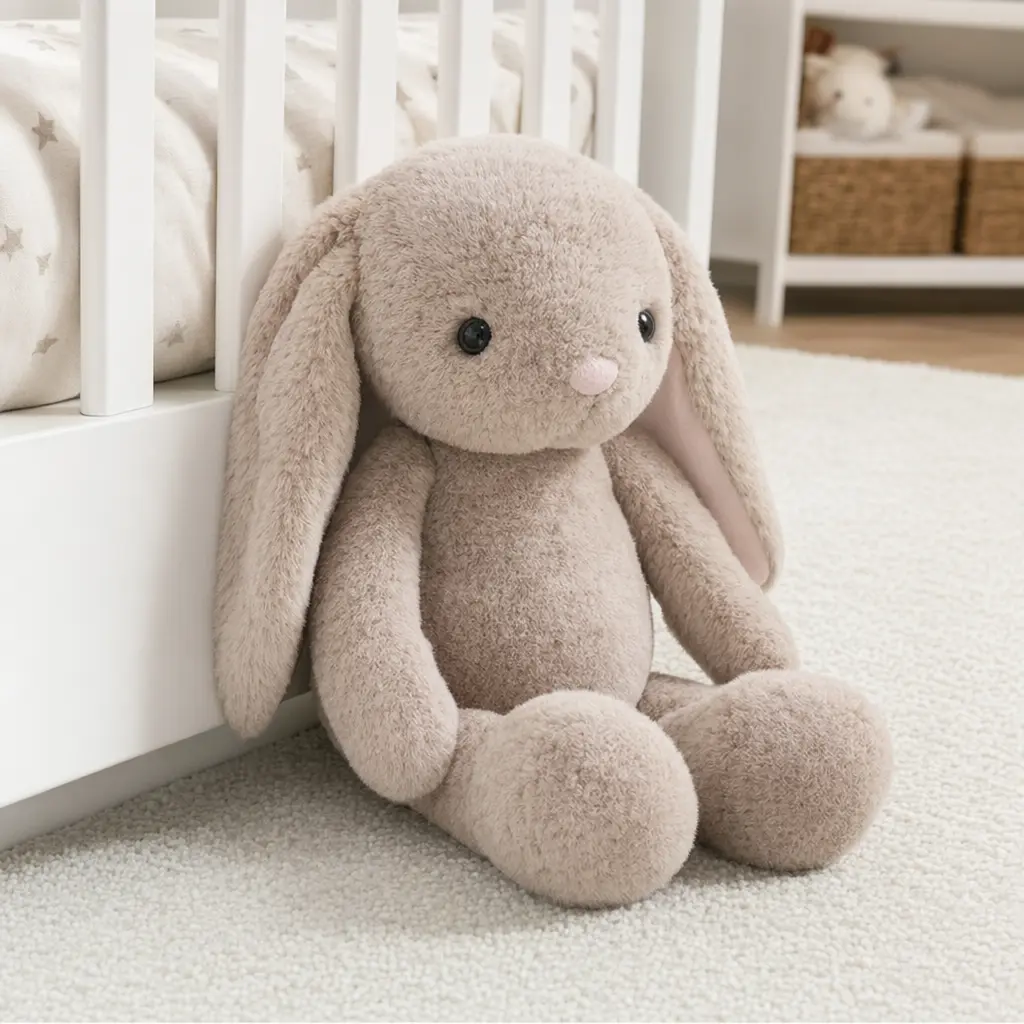
Compare prices and availability
Check current prices and availability for this guide on eBay.
As an eBay Partner, we may be compensated if you make a purchase.
Plush toys are often one of the first gifts babies receive. They’re soft, cuddly, and can be comforting for parents and children alike. But when it comes to babies under 12 months, safety matters more than sentiment. Understanding how plush toys are made, how babies use them, and when they’re appropriate can help parents make informed choices.
What to look for
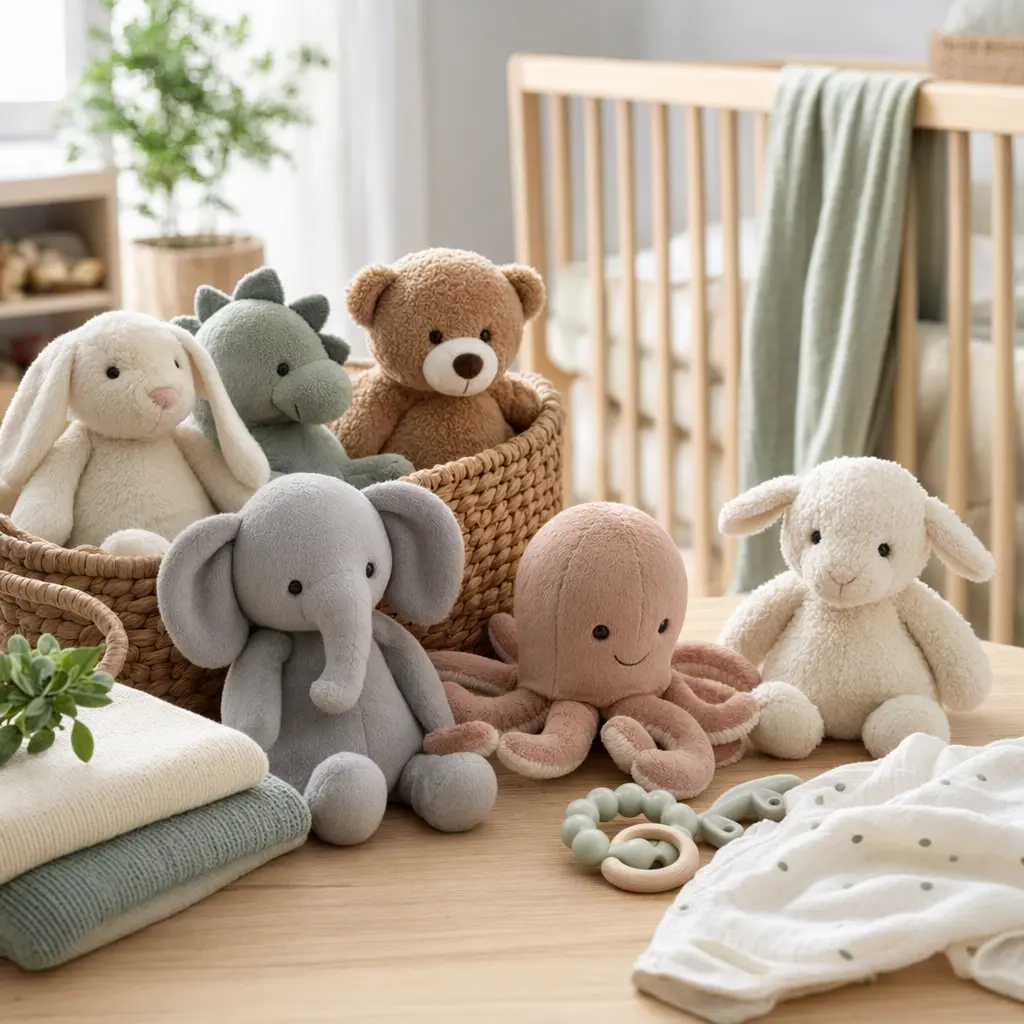
Not all plush toys are created equal. For babies, the safest options are designed with simple construction, baby-safe materials, and minimal add-ons. Before offering a plush toy, check both the label and the physical details of the toy itself.
- Firm, secure stitching with no loose seams or threads
- No small parts such as buttons, beads, bows, or plastic eyes
- Soft fabrics that don’t shed fibers or fuzz
- Clear labeling that indicates the toy is suitable from birth
- Washable materials to help maintain cleanliness
Age suitability
For babies 0–12 months, age suitability is about how and when a plush toy is used. While some plush toys are labeled safe from birth, that does not automatically mean they are appropriate for unsupervised use or for sleep. In the early months, babies explore with their mouths and have limited head and neck control, which increases the importance of careful supervision. Plush toys may be suitable for short, supervised playtime, tummy time, or interaction with a caregiver, but guidelines change as babies grow and gain motor skills.
Standout categories or types
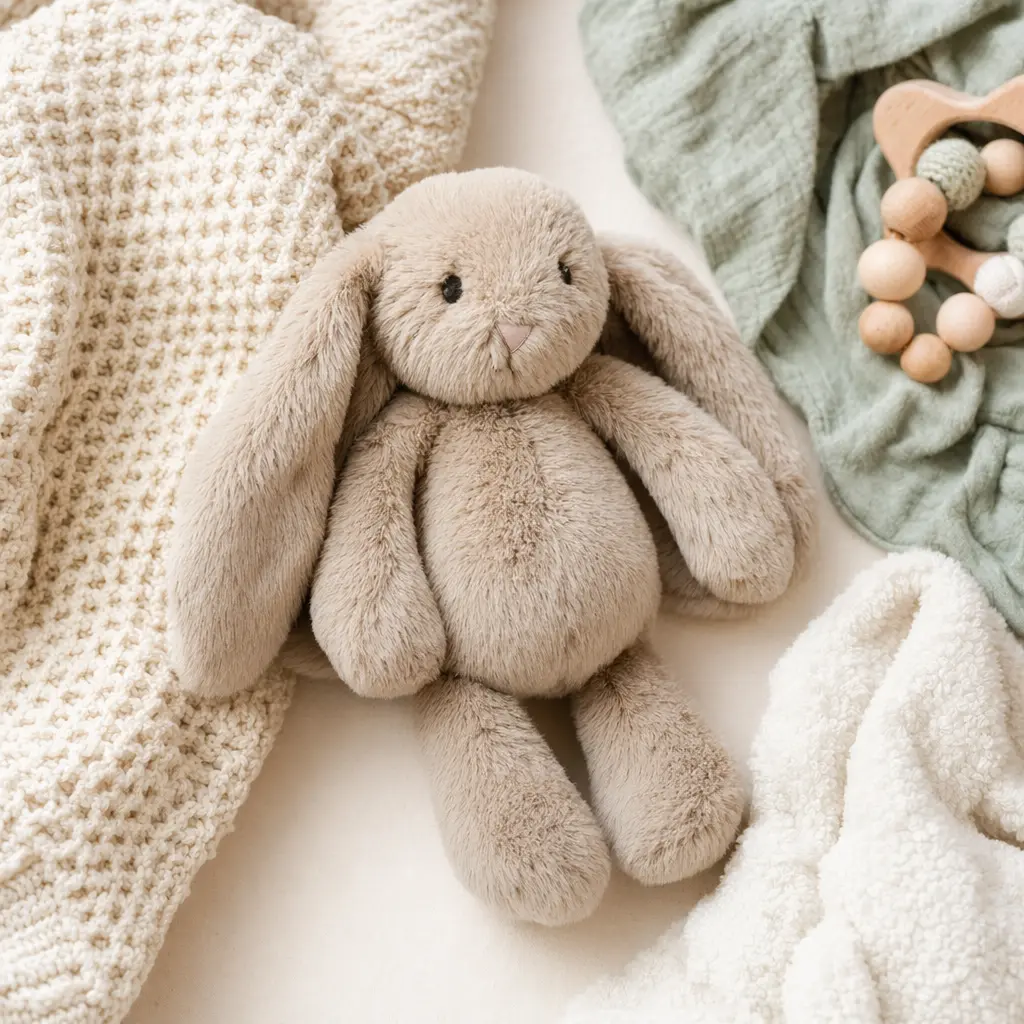
Within the broad category of plush toys, some types are generally better suited to babies than others. The key differences usually come down to size, texture, and added features.
- Simple plush shapes: Small, lightweight toys with minimal details are easier for babies to grasp and less likely to pose hazards.
- Flat or lovey-style plushes: These combine a small plush head with a thin blanket-like body and often have fewer hard elements.
- High-contrast plush toys: Toys with simple black-and-white or high-contrast patterns can support early visual development when used during supervised play.
- Sensory plush toys: Some include varied textures or gentle crinkle fabric, but should still avoid hard or detachable components.
Plush toys with sound chips, ribbons, or decorative accessories may be appealing, but they also introduce more points of failure. For the youngest babies, simpler is usually safer.
Frequently asked questions
Can babies sleep with plush toys?
No. Safety experts advise that babies under 12 months should sleep on a firm mattress with no soft items in the crib. Plush toys can increase the risk of suffocation or restricted breathing during sleep.
Are embroidered eyes safer than plastic eyes?
Yes. Embroidered or stitched features are generally safer than plastic eyes or noses, which can loosen over time and become choking hazards.
How can parents check a plush toy for choking risks?
Gently pull on seams, tags, and any attached features. If anything loosens easily or appears poorly attached, the toy may not be safe for a baby.
Are natural or organic fabrics safer for babies?
Natural fabrics can be a good option, especially for babies with sensitive skin, but safety depends more on construction and durability than fabric type alone.
How often should plush toys be cleaned?
Plush toys used by babies should be washed regularly, following care instructions, to reduce germs, allergens, and buildup from drool or spit-up.
Plush toys can play a gentle, comforting role in a baby’s world when chosen carefully and used appropriately. By focusing on safe materials, simple construction, and age-appropriate use, parents can enjoy the softness of plush toys while keeping safety front and center during a baby’s first year.