Are Talking Plush Toys Safe for Toddlers 1–2?
A parent-focused safety guide to talking plush toys for ages 1–2. Learn what to check with batteries, seams, sound features, and age labels to choose safer interactive plushies.
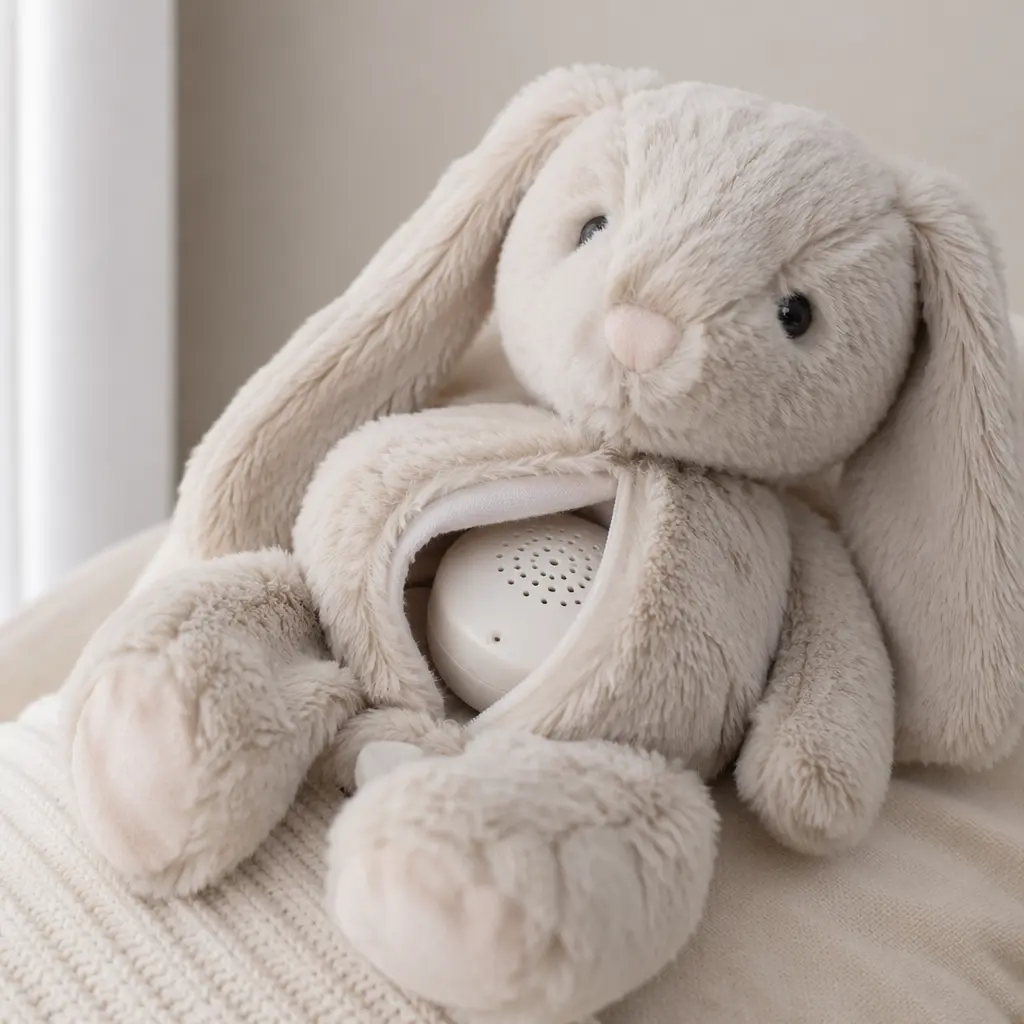
Compare prices and availability
Check current prices and availability for this guide on eBay.
As an eBay Partner, we may be compensated if you make a purchase.
Talking plush toys are popular for toddlers because they combine comfort with sounds, music, or simple words. For children ages 1–2, these toys can support early language exposure and imaginative play. At the same time, parents often wonder whether the electronics inside a soft toy make it less safe than a traditional stuffed animal. The answer depends on how the toy is designed and how it is used.
What to look for
When evaluating a talking plush toy for a 1–2 year old, focus on construction quality and how the electronic parts are secured. Toddlers explore with their hands and mouths, so any weak point can become a safety issue.
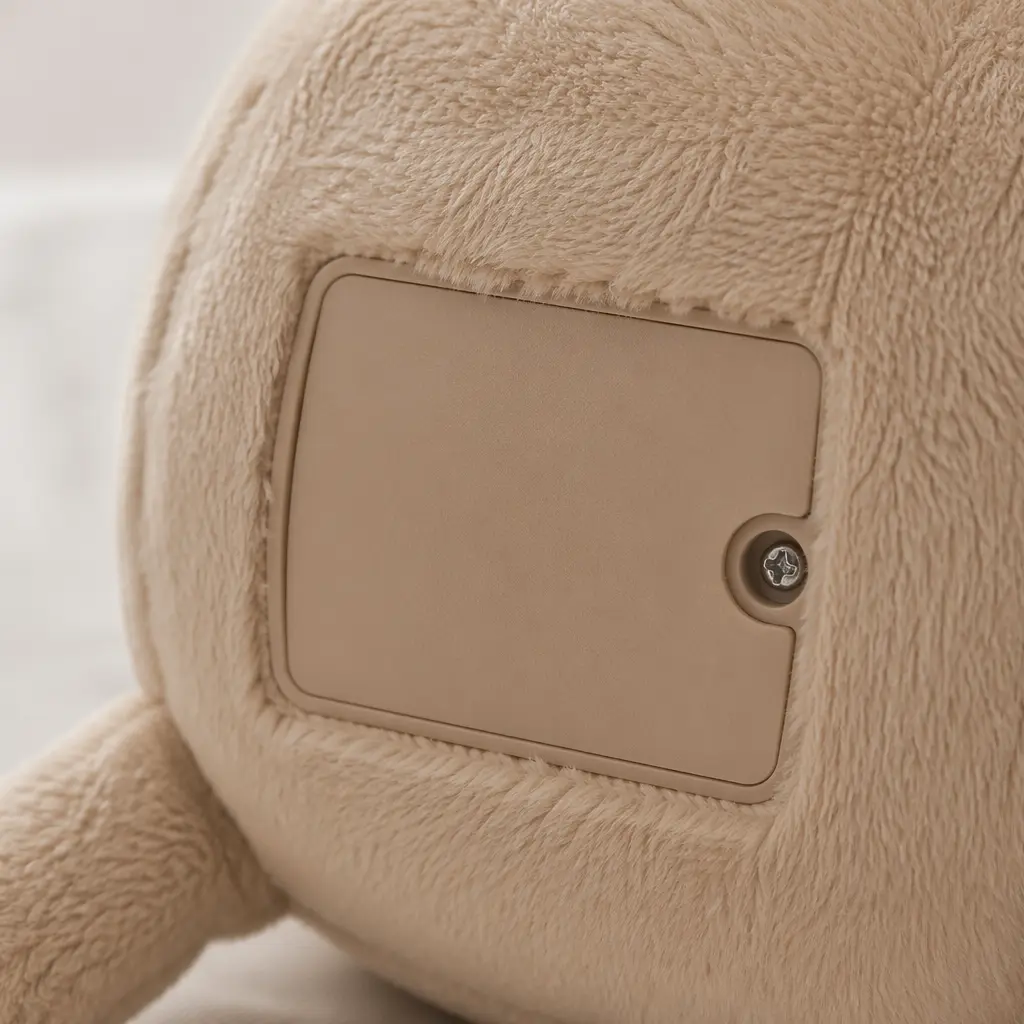
- Battery compartment that requires a tool, such as a screwdriver, to open
- Reinforced seams, especially around the sound module or control button
- Low, gentle volume with no sudden loud sounds
- Soft, flexible materials without hard or sharp edges
- Clear age grading on the packaging that includes children under 3
Age suitability
For toddlers ages 1–2, talking plush toys should be designed specifically for under-3 use. This age group often squeezes, chews, and throws toys, which puts extra stress on seams and closures. Toys meant for older children may include small buttons, removable accessories, or louder sound effects that are not appropriate for younger toddlers. Always check that the age range starts at 12 months or earlier, not just “all ages.”
Standout categories or types
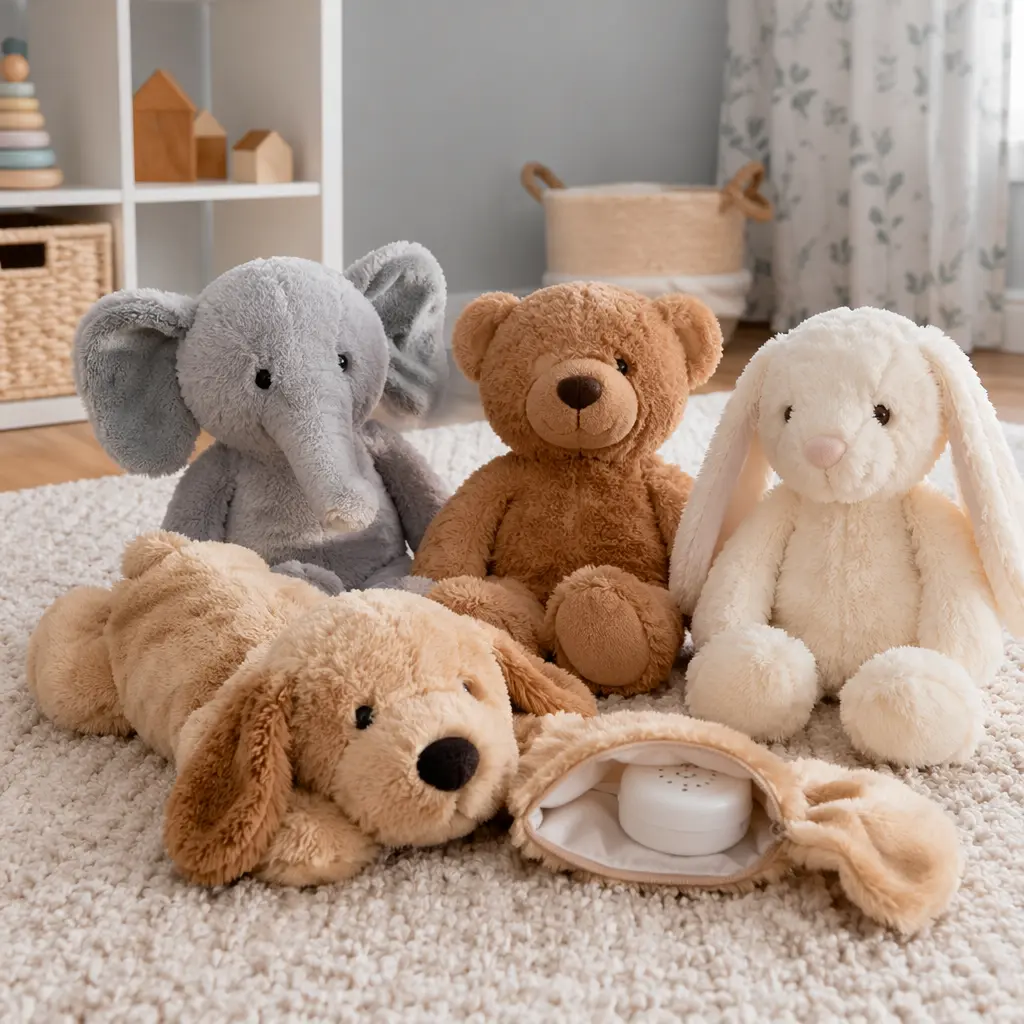
Not all talking plush toys are built the same. Some designs are better suited to toddlers because they limit complexity and focus on durability. Understanding the main categories can help narrow your options.
- Press-and-play plushies with a single sound button and simple phrases
- Music-only plush toys that play lullabies or short melodies
- Washable plush toys with removable, secured sound modules
- Minimalist plush toys that respond only when squeezed, not constantly
Frequently asked questions
Are batteries in talking plush toys dangerous?
Batteries can be dangerous if a child can access them. For toddlers, the battery compartment should be fully enclosed and require a tool to open. Button batteries are a higher risk than larger batteries, so many parents prefer toys that use AA or AAA batteries secured inside.
Can sound features harm a toddler’s hearing?
Most toddler-focused talking plush toys are designed with lower volume limits. Still, it’s a good idea to test the sound yourself. If the toy seems loud when held close to your ear, it may also be loud for a child who hugs it tightly.
Are talking plush toys washable?
Some are, but many require the sound module to be removed first. Check the care instructions before buying. Being able to wash the plush regularly is important for toddlers who drool or mouth toys.
Do toddlers actually learn from talking plush toys?
Talking plush toys can expose toddlers to simple words, songs, and sounds, but they work best as a supplement to real interaction. Parents talking, singing, and reading with a child remains more impactful than any toy alone.
How often should these toys be checked for wear?
For daily-use toys, a quick weekly check is helpful. Look for loose seams, changes in sound quality, or any signs that the battery compartment has shifted.
Talking plush toys can be safe and enjoyable for toddlers ages 1–2 when they are thoughtfully designed and well maintained. By focusing on secure batteries, sturdy seams, and age-appropriate sound features, parents can choose interactive plushies that add comfort and gentle engagement without unnecessary risk.