Best Board Games for Family Game Night (Ages 6–8)
A parent-friendly guide to board games for ages 6–8 that keep game night fun and fast. Focuses on cooperative play, simple rules, and quick rounds adults enjoy too.
Compare prices and availability
Check current prices and availability for this guide on eBay.
As an eBay Partner, we may be compensated if you make a purchase.
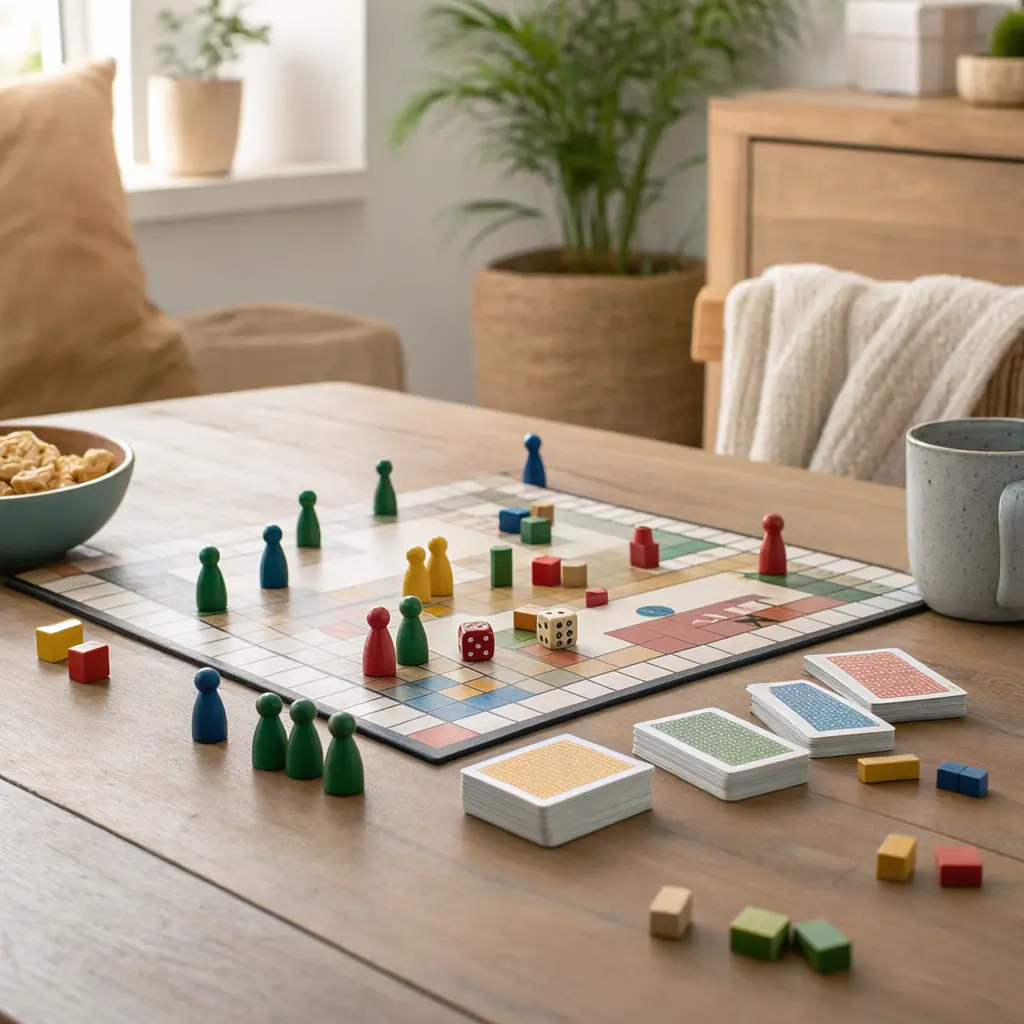
Family game night with kids ages 6–8 works best when games are easy to learn, move at a good pace, and give everyone a reason to stay engaged. At this age, kids can follow multi-step rules and enjoy light strategy, but long turns or complex scoring can quickly drain the fun. The best board games for this group balance kid-friendly themes with mechanics that adults also find satisfying.
What to look for
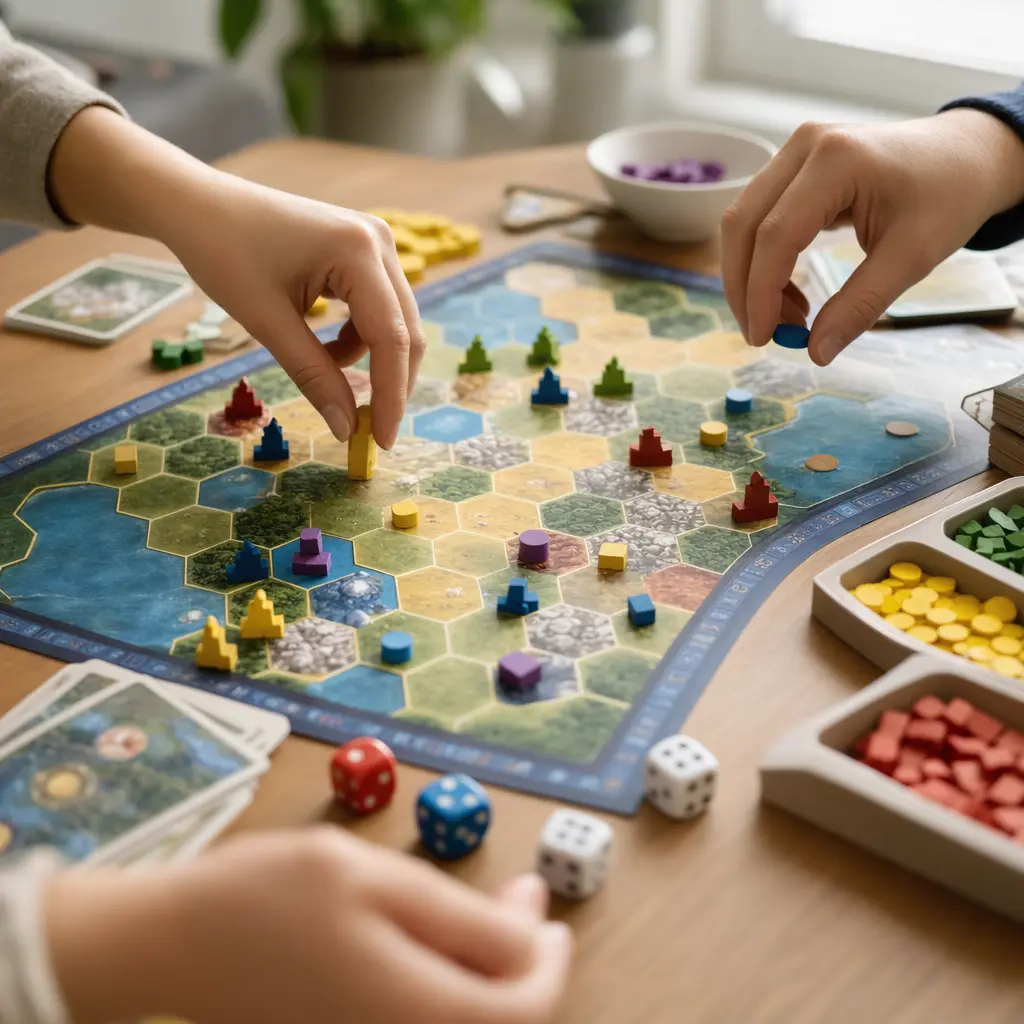
When shopping for board games for young kids, focus on features that support attention, learning, and positive interaction. Games that start quickly and wrap up in under 30 minutes tend to get played more often and reduce frustration. Cooperative or semi-cooperative formats are especially popular with families because they shift the focus from winning to problem-solving together.
- Clear, simple rules that can be explained in five minutes or less
- Short playtime, ideally 15–30 minutes per round
- Cooperative or team-based play to reduce competitiveness
- Limited reading required, using symbols or pictures instead
- Sturdy components that can handle frequent use
- Light strategy or memory elements that grow with the child
Age suitability
Games labeled for ages 6–8 usually assume kids can count confidently, take turns independently, and handle simple planning. However, age labels vary by publisher, so it helps to look beyond the number on the box. Some 6-year-olds thrive with cooperative puzzles, while others prefer fast action or silly challenges. Choosing games with adjustable difficulty or open-ended play can make them work for a wider range of skills.
Standout categories or types
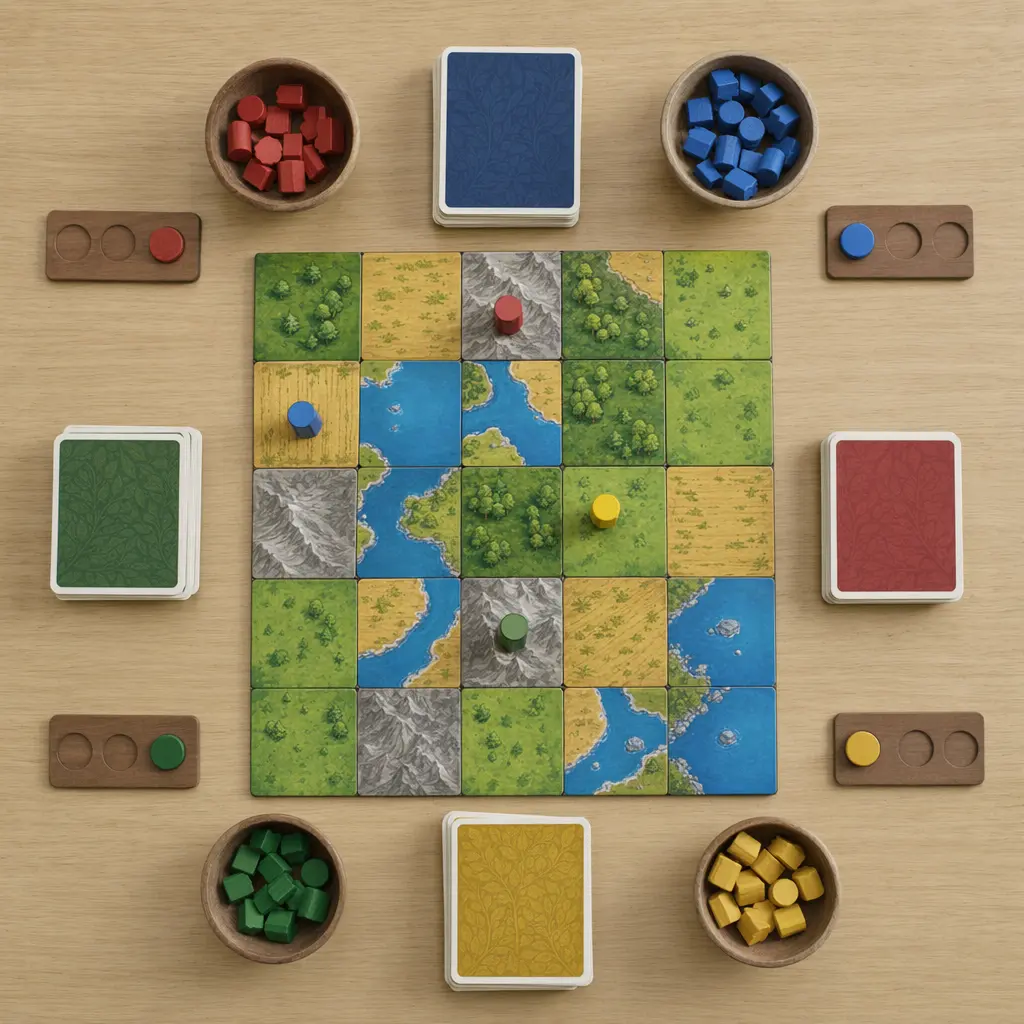
Certain types of board games consistently work well for family game night with young kids. These categories emphasize shared goals, quick decisions, and playful themes that appeal to both children and adults.
- Cooperative adventure games where players work together against the game
- Quick card games that focus on matching, patterns, or simple math
- Dice-based games with push-your-luck elements and fast turns
- Memory and observation games that reward focus without heavy reading
- Tile-laying or path-building games with simple spatial challenges
Mixing a few different types keeps game night fresh. A fast card game can serve as a warm-up, followed by a cooperative board game where everyone plans together. This variety helps accommodate different attention spans and energy levels.
Frequently asked questions
Are cooperative games better for young kids?
Cooperative games are often a good fit because they reduce pressure and teach teamwork. Kids learn to discuss options and make group decisions, which can feel more inclusive than head-to-head competition.
How long should a game last for this age?
Most families find that 15–30 minutes is ideal. Shorter games keep kids engaged and make it easier to fit game night into busy evenings.
Do kids need to read to play these games?
Many games for ages 6–8 rely on symbols, colors, or pictures instead of text. This allows early readers and non-readers to play together comfortably.
What if siblings are different ages?
Look for games with adjustable difficulty or open-ended roles. Older kids can handle more complex decisions while younger players focus on basic actions.
How many players should a family game support?
Games that play well with 3–5 players tend to work best for families. Cooperative games are especially flexible because adding players often increases discussion rather than downtime.
With the right mix of cooperative and quick-play games, family game night can become a regular tradition rather than a once-in-a-while event. Choosing games that respect kids’ attention spans and still offer meaningful choices for adults helps ensure everyone looks forward to playing together.