Best Cooperative Board Games for Preschoolers (Ages 3–5)
A parent-friendly guide to cooperative board games for ages 3–5. Learn what to look for, age fit, safety tips, and standout game types that encourage teamwork with no reading required.
Compare prices and availability
Check current prices and availability for this guide on eBay.
As an eBay Partner, we may be compensated if you make a purchase.
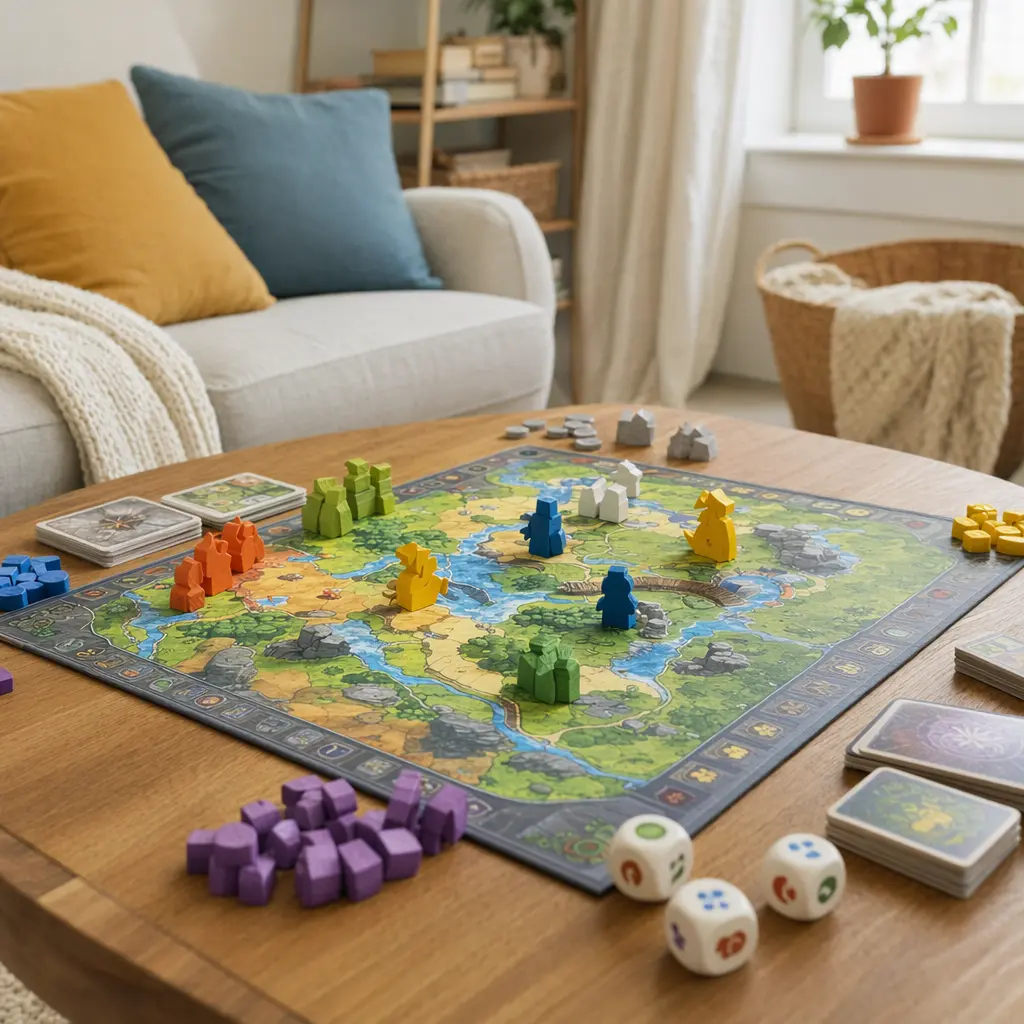
Cooperative board games are a strong fit for preschoolers ages 3–5 because everyone plays on the same team. Instead of competing, children work together toward a shared goal, which reduces frustration and keeps family play calm and positive. Many games in this age range are designed with simple rules, no reading, and sturdy pieces that small hands can manage.
What to look for
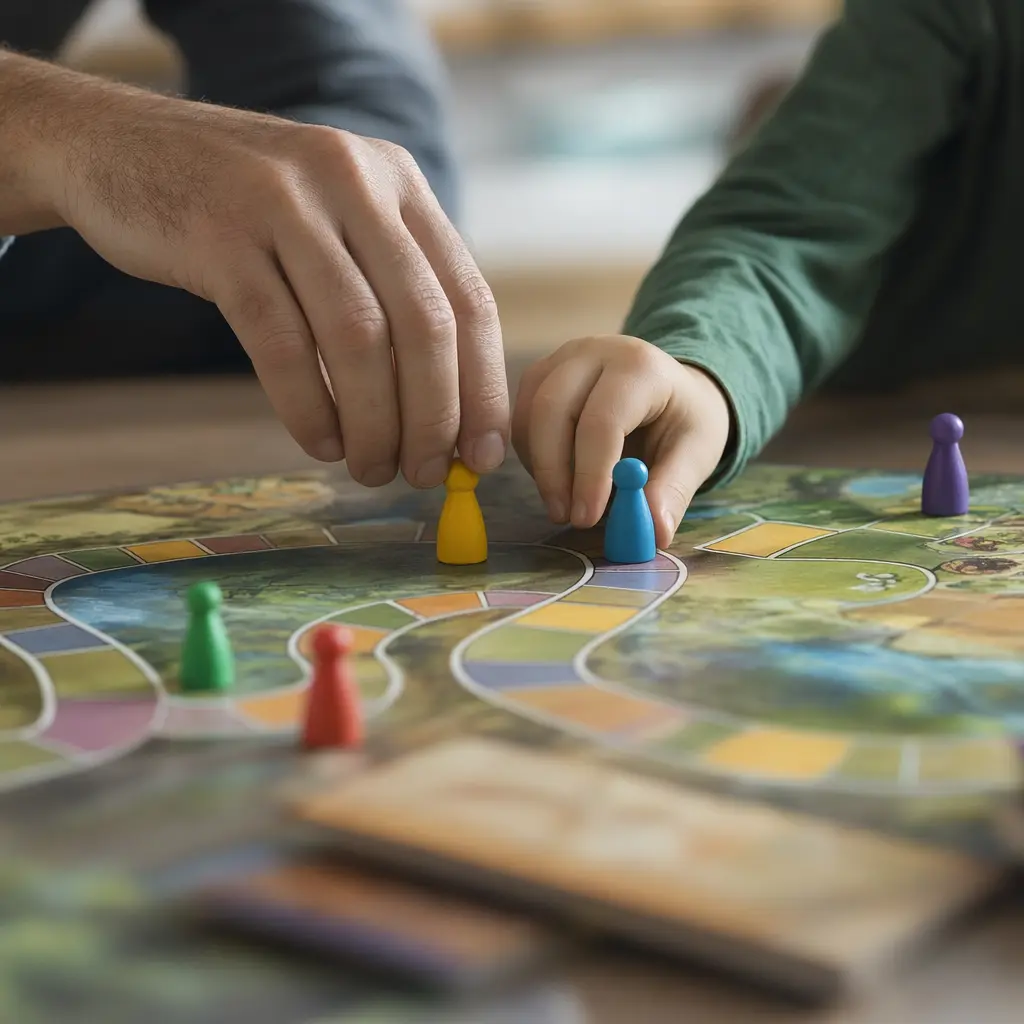
Preschool cooperative games should be easy to explain, quick to set up, and flexible enough to hold short attention spans. The best options focus on shared decisions and simple cause-and-effect rather than winning or losing.
- No reading required, with visual cues instead of written instructions
- Simple turn structure so children can predict what happens next
- Shared goal where players win or lose together
- Large, durable pieces that are easy to grasp
- Short playtime, often 10–20 minutes
- Rules that allow gentle adult guidance without breaking the game
Age suitability
Games labeled for ages 3–5 typically rely on matching, counting small numbers, or following pictures. Three-year-olds may need more adult support, while five-year-olds can usually handle taking turns and making simple group choices. Look for games that scale in difficulty, such as adding extra obstacles or goals as children grow.
Standout categories or types
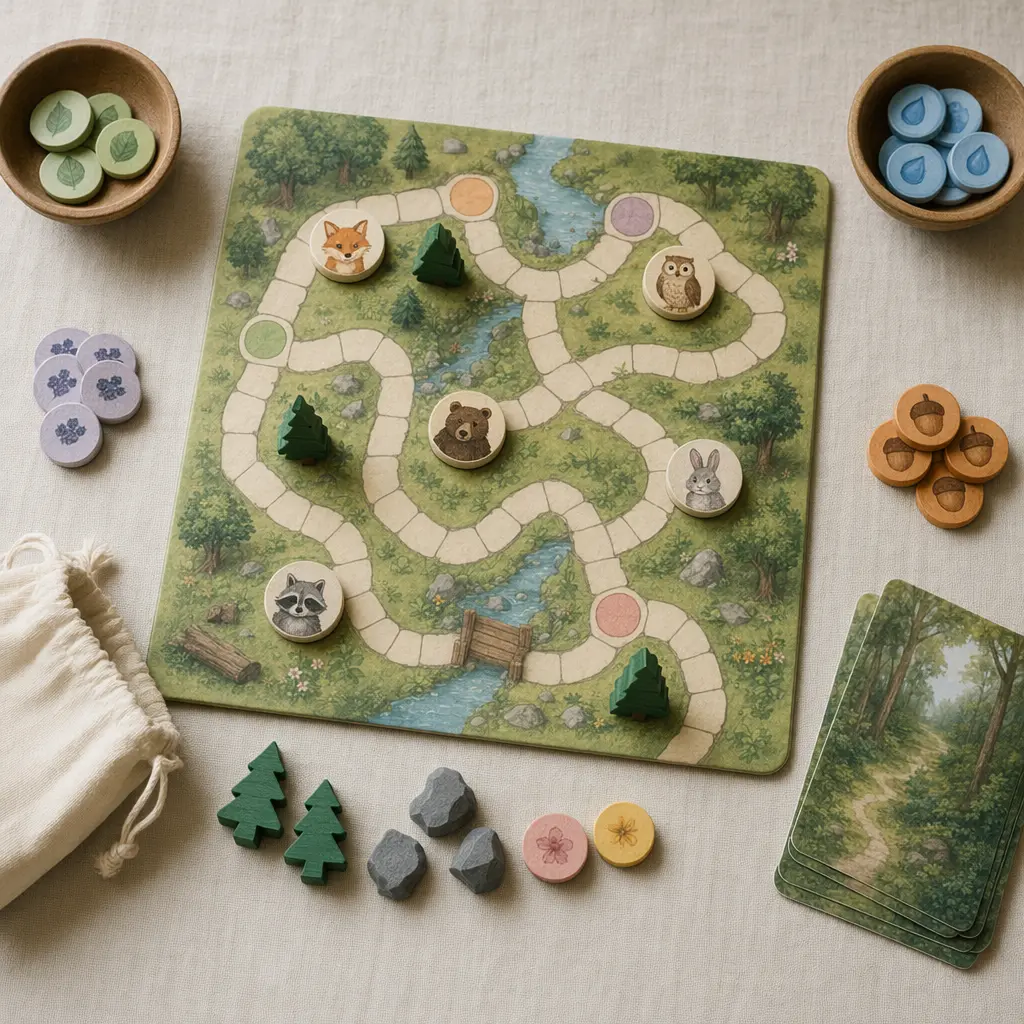
Cooperative board games for preschoolers often fall into a few clear categories. Each type supports different skills while keeping the focus on teamwork.
- Path and journey games where players help characters reach a destination together
- Matching and memory games that require players to remember locations or symbols as a group
- Dice-and-move games with shared challenges instead of individual scores
- Story-based games that encourage discussion and imaginative play
- Real-time light-action games that build coordination without competition
Frequently asked questions
Do cooperative games really work for young children?
Yes. Cooperative games are often easier for preschoolers because they remove pressure to beat others. Children can focus on the activity itself and practice sharing ideas and taking turns.
How long should a game session be for ages 3–5?
Most preschoolers do best with games that last 10 to 20 minutes. Shorter games make it easier to stop on a positive note and replay if interest stays high.
What skills do these games support?
Cooperative games can support early math concepts, language development through discussion, fine motor skills, and social-emotional skills like patience and empathy.
Can siblings of different ages play together?
Often yes. Because everyone shares the same goal, older children can help younger players without dominating the game. Adults can also adjust difficulty on the fly.
Cooperative board games for preschoolers offer a low-stress way to introduce family game time. By choosing no-reading, teamwork-focused options, parents can create shared experiences that build confidence and connection while keeping play fun and age-appropriate.