Simple Outdoor Toys for Preschoolers Under $25
A buyer-focused guide to budget-friendly outdoor toys for ages 3–5. These simple, no-battery classics encourage big movement, imaginative play, and fresh-air fun without breaking the bank.
Compare prices and availability
Check current prices and availability for this guide on eBay.
As an eBay Partner, we may be compensated if you make a purchase.
Outdoor play doesn’t need screens, sound effects, or a big budget. For preschoolers ages 3–5, some of the most engaging toys are simple classics that invite running, throwing, balancing, and pretending. This guide focuses on affordable outdoor toys—often under $25—that support big movement, skill-building, and open-ended play, using designs parents already recognize and trust.
What to look for
When shopping on a budget, it helps to focus on toys that do more than one thing well. Preschoolers are still developing coordination and confidence, so the best outdoor toys are forgiving, flexible, and easy to use right away.
- Simple mechanics: Look for toys that work without batteries, charging, or complicated setup.
- Durable materials: Thick plastic, foam, rubber, or sealed wood tend to hold up to rough play and weather.
- Open-ended play: Items that can be used in multiple ways often stay interesting longer.
- Size and weight: Preschoolers need gear they can lift, throw, and carry on their own.
- Easy storage: Compact or stackable toys are easier to bring outside and put away.
Age suitability
For ages 3–5, outdoor toys should match growing motor skills without being frustrating or unsafe. Three-year-olds benefit from larger, lighter items and simple goals, like rolling or tossing. By ages four and five, many kids enjoy a bit more challenge, such as aiming, hopping, or balancing. Always check the manufacturer’s age range and think about how the toy will be used in your space, whether that’s a yard, driveway, or park.
Standout categories or types
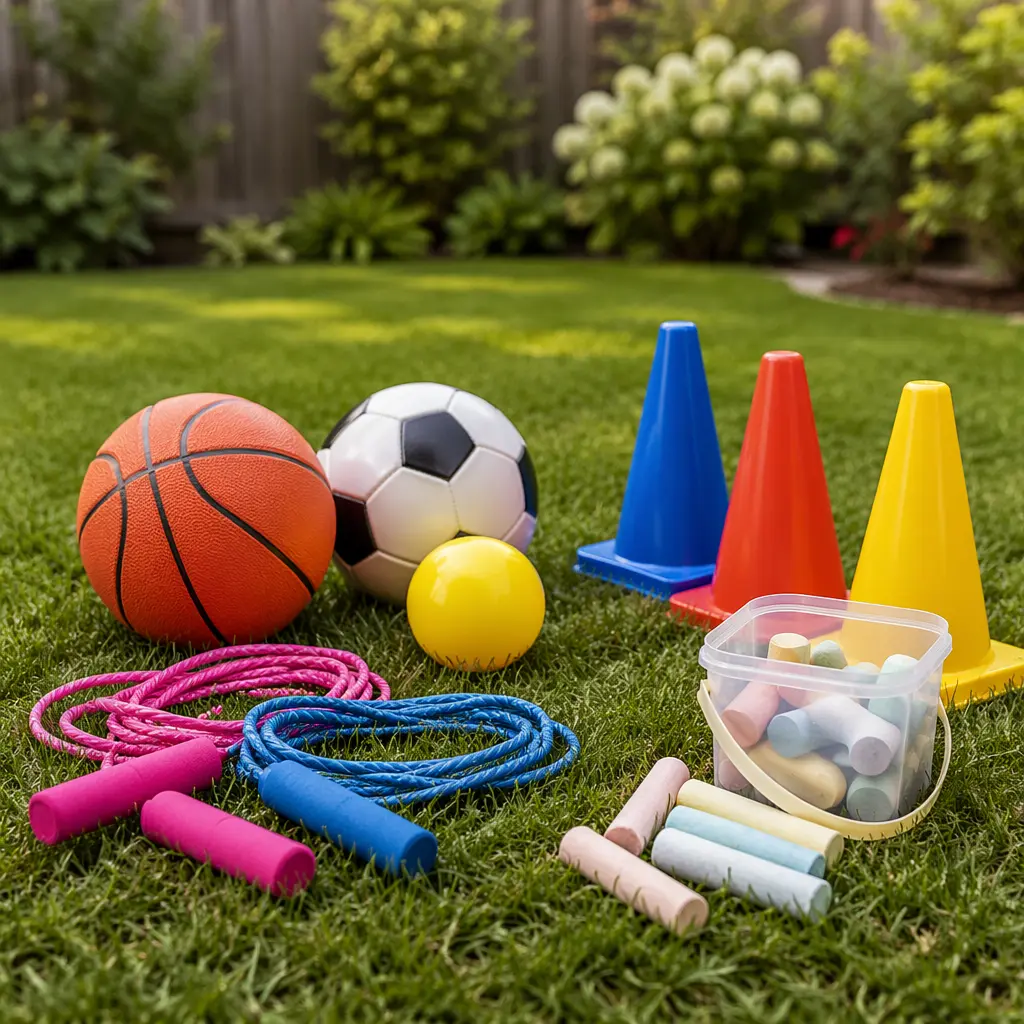
Some types of outdoor toys consistently deliver strong value for preschoolers because they encourage whole-body movement and imagination. Balls are a top example: lightweight playground balls, foam balls, and textured rubber balls all support throwing, catching, kicking, and cooperative play. They’re easy to replace and work well in many settings.
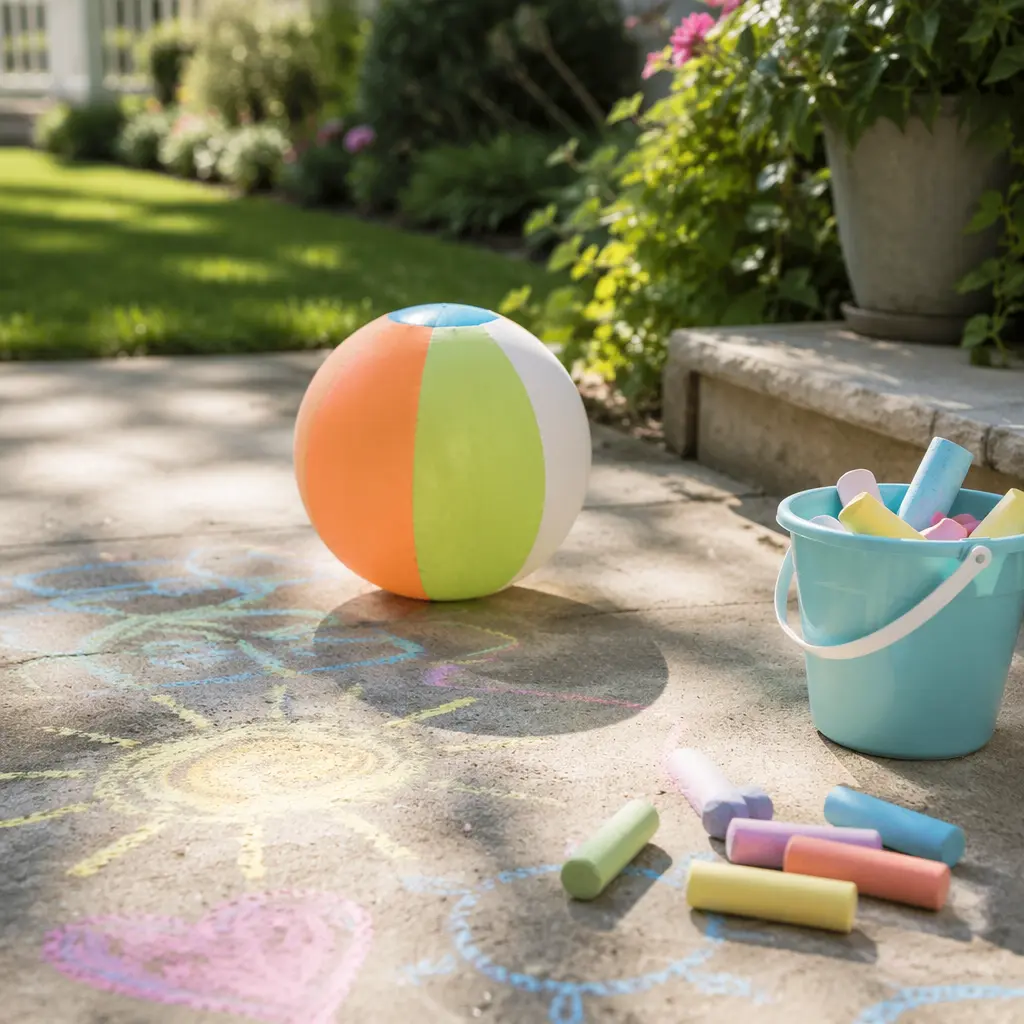
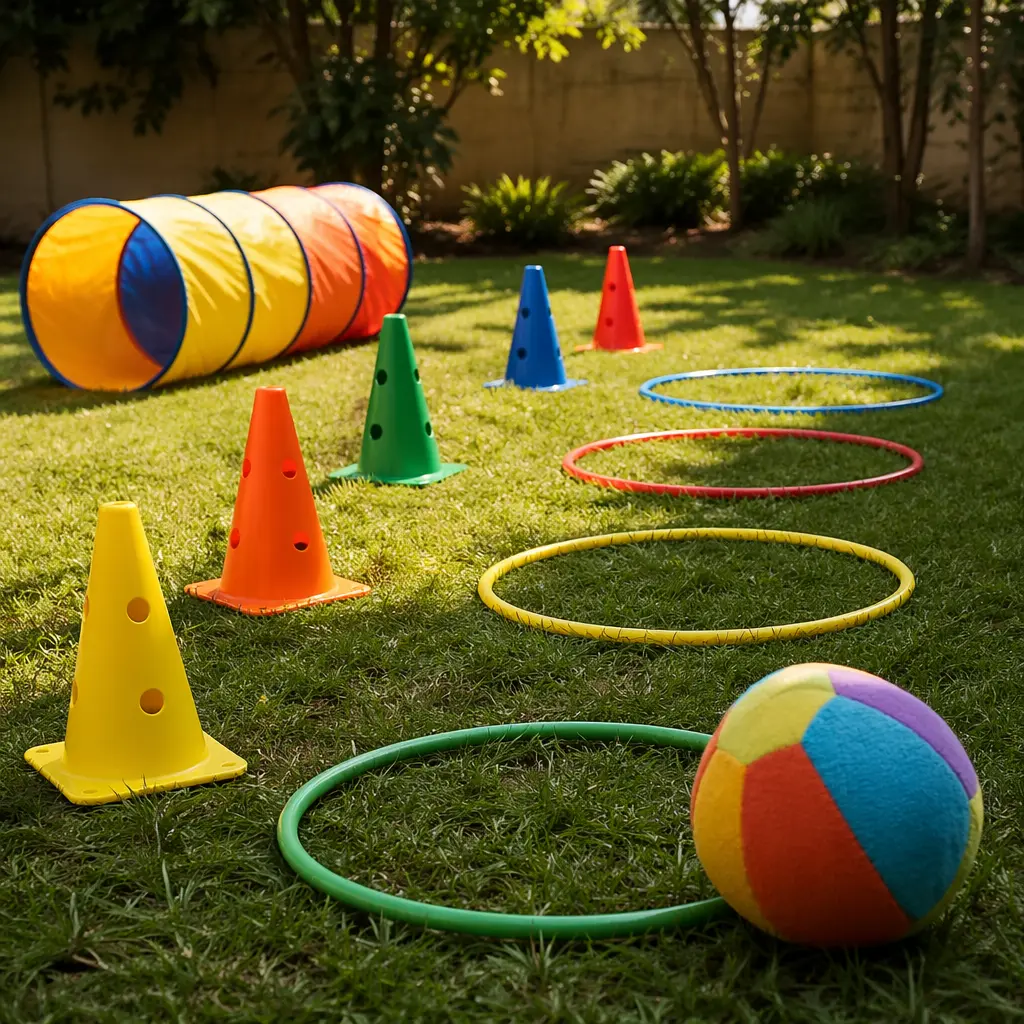
Another strong category is movement markers and tools. Items like cones, hoops, jump ropes, and stepping stones can be used to create obstacle courses, counting games, or pretend roads. Creative supplies designed for outdoor use—such as sidewalk chalk or bubble toys—add sensory fun and can be combined with active games like drawing hopscotch paths or chasing bubbles. Ride-on or push toys without pedals, as well as basic balance-focused equipment, also fit this category when sized appropriately and used with supervision.
Frequently asked questions
Are cheaper outdoor toys safe?
Price alone doesn’t determine safety. Look for smooth edges, sturdy construction, and clear age labeling. Avoid toys with small parts or thin cords that could pose a hazard. Regularly inspect toys for cracks or wear, especially after outdoor storage.
How long will these toys hold a preschooler’s interest?
Open-ended toys often last longer than novelty items. A simple ball or set of cones can be used in new games as a child’s skills grow. Rotating toys in and out of storage can also help keep play feeling fresh.
Do outdoor toys need special storage?
Most budget outdoor toys benefit from being stored dry and out of direct sun when not in use. A small bin, garage shelf, or covered porch can help extend their lifespan and keep pieces together.
What if I don’t have a yard?
Many of these toys work well in shared spaces like parks, sidewalks, or playgrounds. Lightweight, portable items are especially useful for families who rely on public outdoor areas.
Simple outdoor toys continue to earn their place because they meet preschoolers where they are: curious, energetic, and ready to move. With a small budget and a focus on classic designs, parents can support active play that builds skills and confidence, all while keeping outdoor time fun and stress-free.