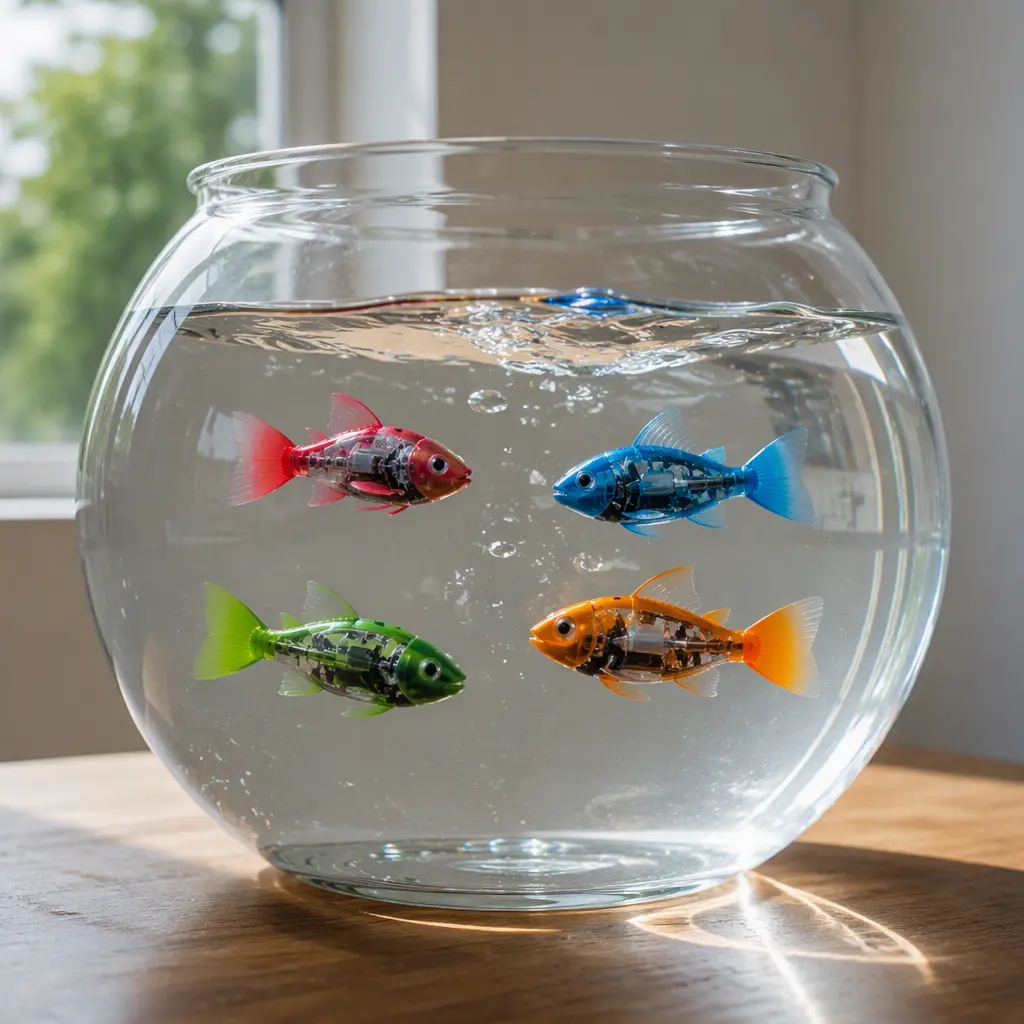
Modern · 2011
Zuru Robo Fish turned simple water play into something oddly convincing, using small battery-powered swimmers that darted through tubs, bowls, and pools with lifelike motion.
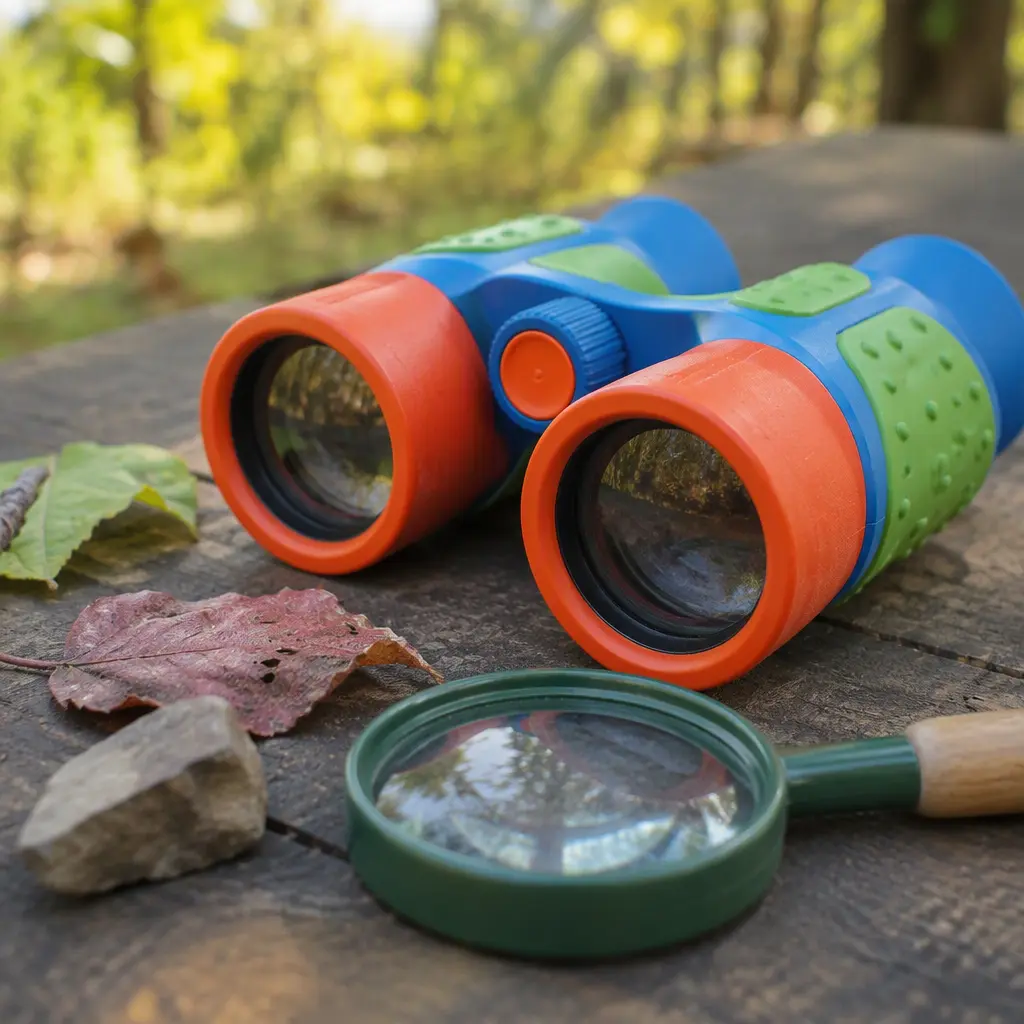
Modern
GeoSafari Jr. Kidnoculars turned simple backyard observation into hands-on science play with oversized focus knobs, durable construction, and kid-friendly design built for early explorers.
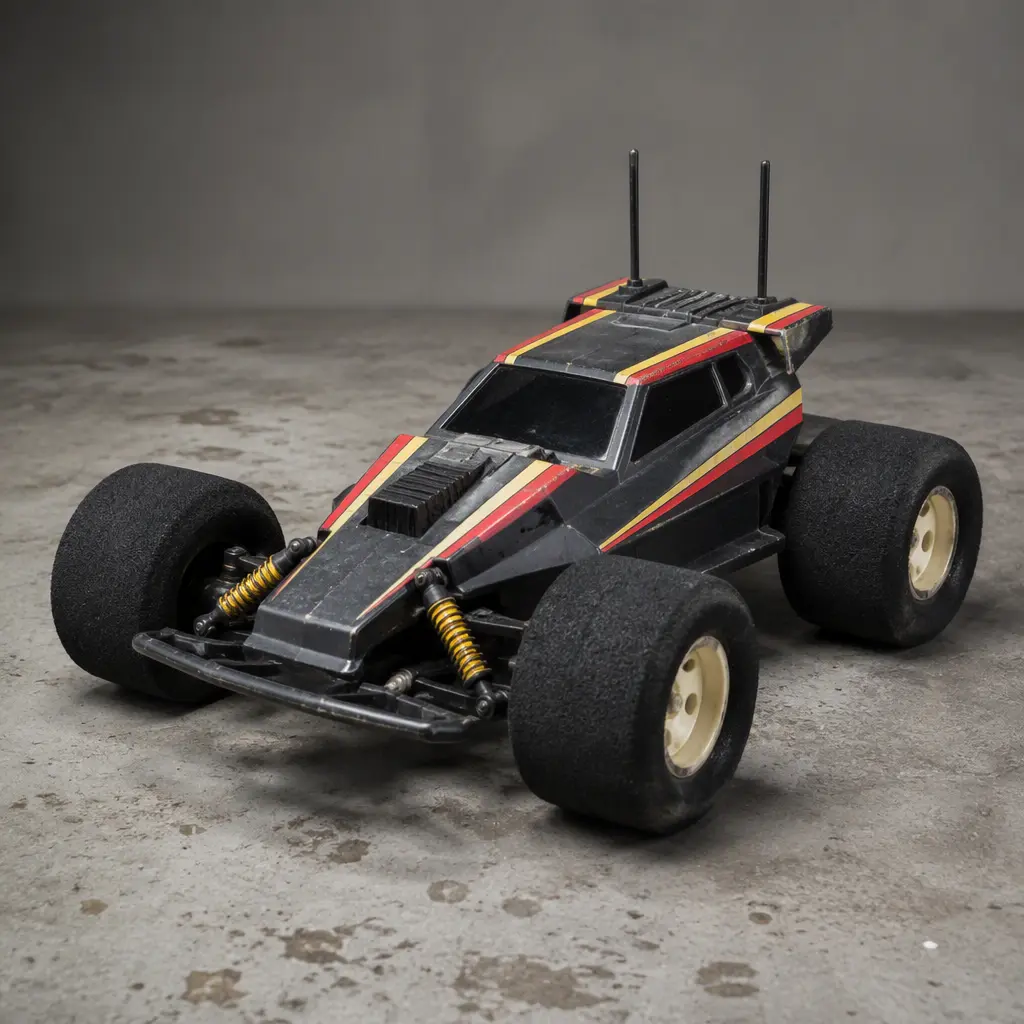
Classic · 1991
Tyco's Super Rebound made radio-controlled cars feel less fragile by treating flips, rollovers, and wall hits as part of the experience. Its oversized tires and reversible design helped define 1990s RC play.
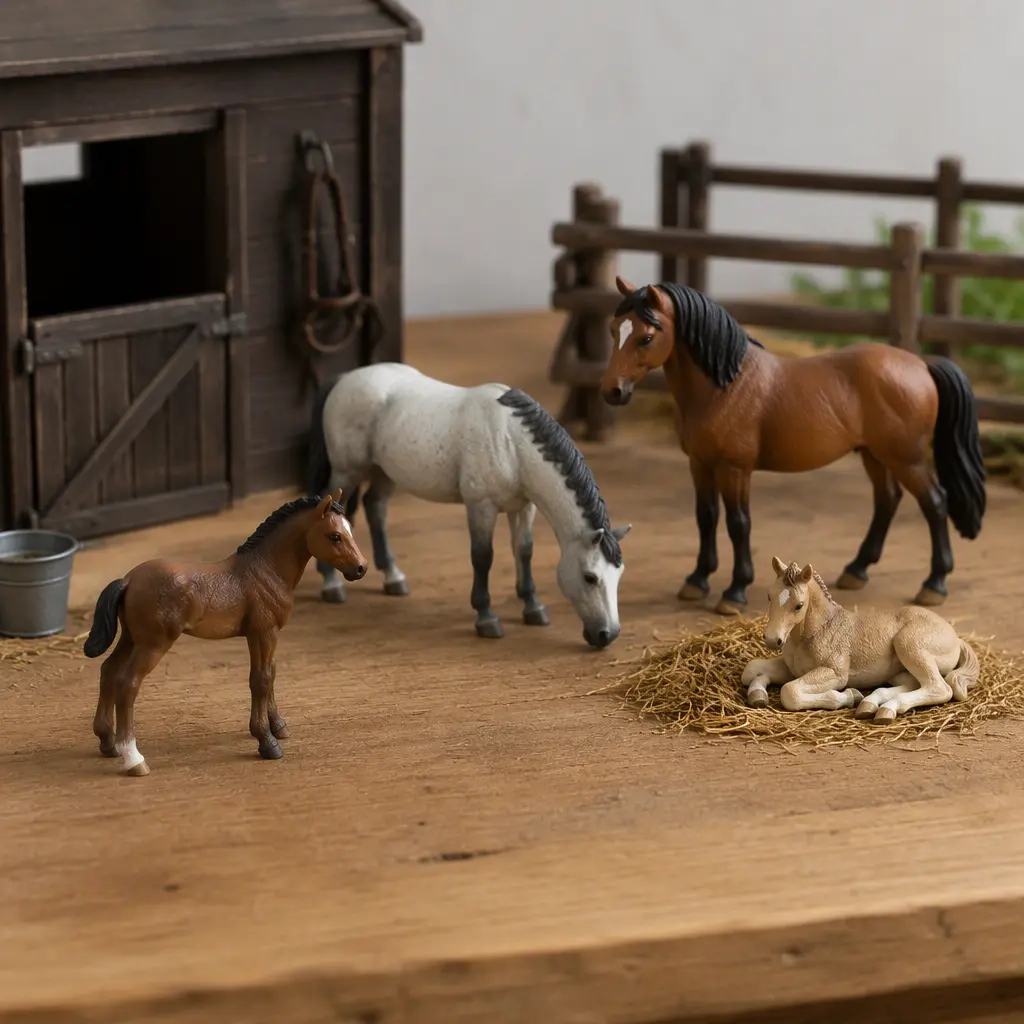
Classic · 1975
Breyer Stablemates turned detailed miniature horses into a lasting hobby for kids and collectors alike, blending pretend play, realism, and a thriving community since the 1970s.

Contemporary · 2024
ScrunchMiez turned tiny ultra-soft plush clips into a visible school and travel accessory trend, blending collectible toy culture with fashion-style self-expression.

Modern
The Playmobil 1-2-3 Airport Shuttle shows how simplified pretend-play systems introduced toddlers to imaginative world-building through chunky pieces, gentle mechanics, and familiar everyday settings.

Contemporary · 2021
Launched in 2021, XSHOT Skins brought bold wrap-style designs and fast-firing foam play to a category long dominated by familiar names, helping customization become part of the appeal.

Contemporary · 2021
With human-like teeth, uneven expressions, and a sense of playful chaos, Fugglers turned the idea of the cute plush toy upside down and found a devoted audience in the process.
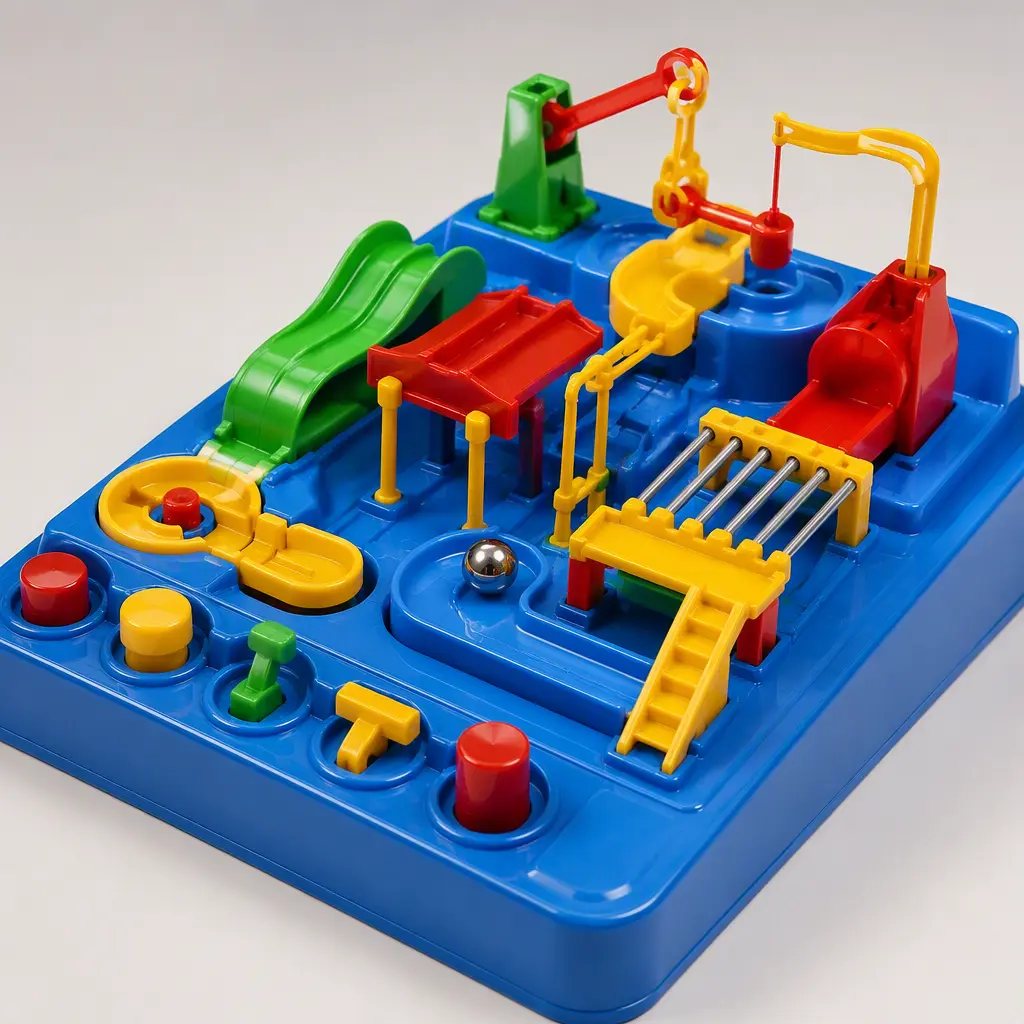
Classic · 1979
First released in 1979, Screwball Scramble turned a simple marble run into a tense tabletop challenge. Its chain of levers, bridges, and traps still tests patience, timing, and coordination today.
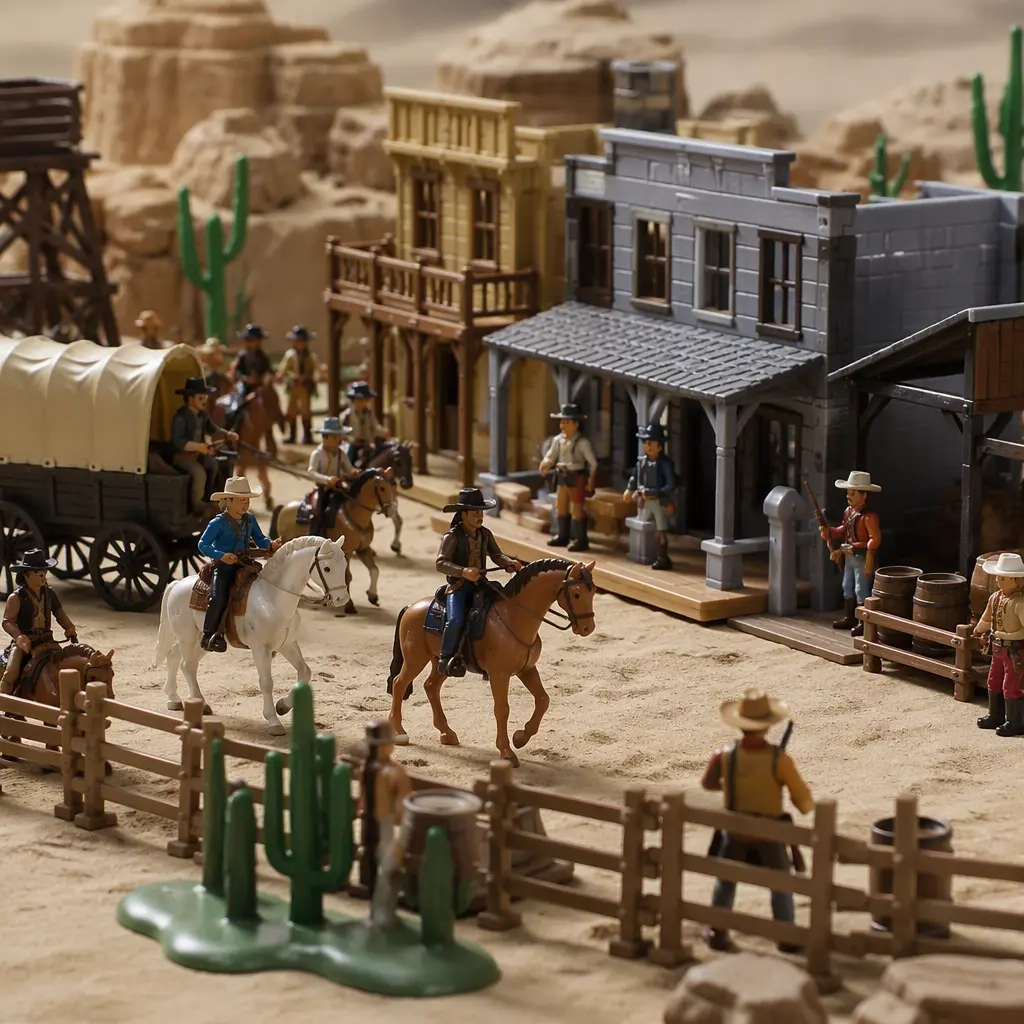
Classic · 1975
Playmobil Western turned frontier myths into calm, open-ended play. Decades after its 1970s debut, the line still stands out for durable figures, modular towns, and imaginative storytelling.
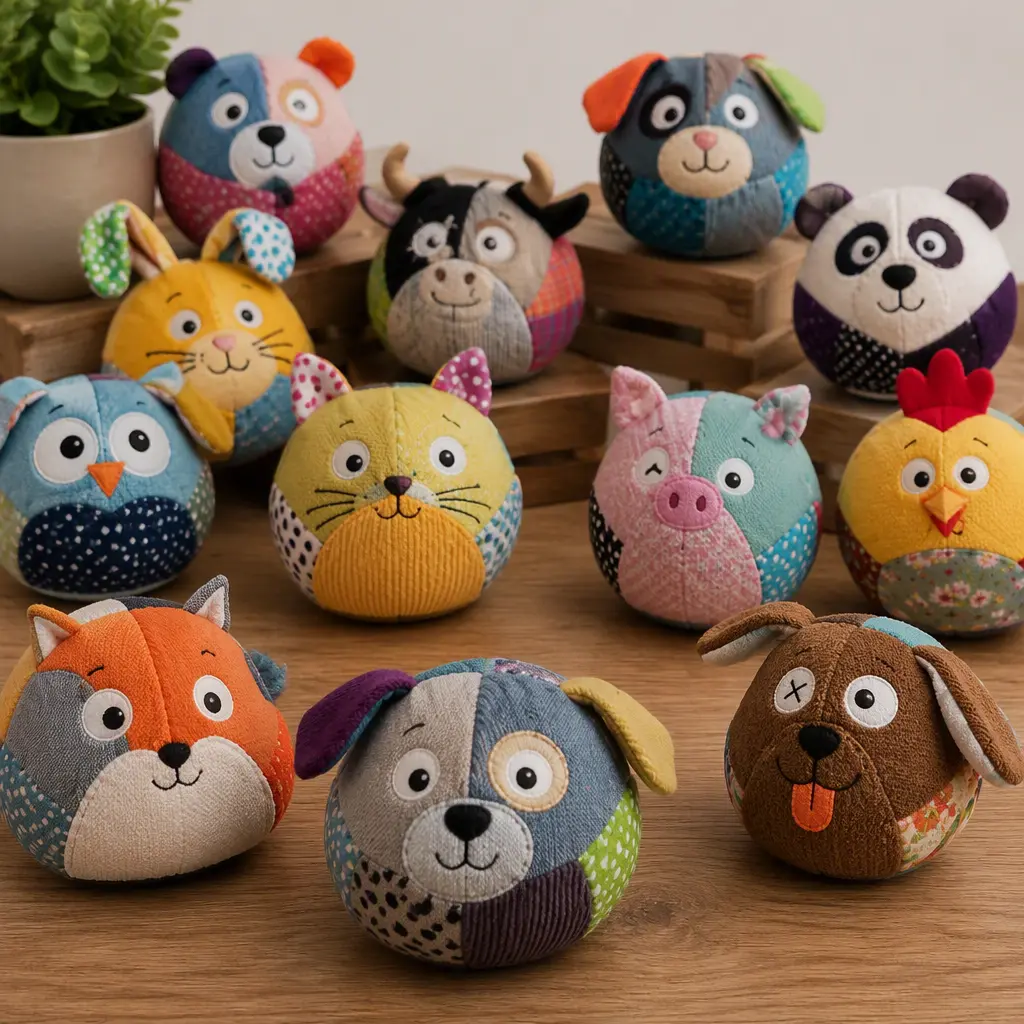
Contemporary · 2020
Cats vs Pickles turned tiny beanbag plush toys into a social collectible, mixing internet-style humor, surprise reveals, and playground trading into one fast-growing toy craze.
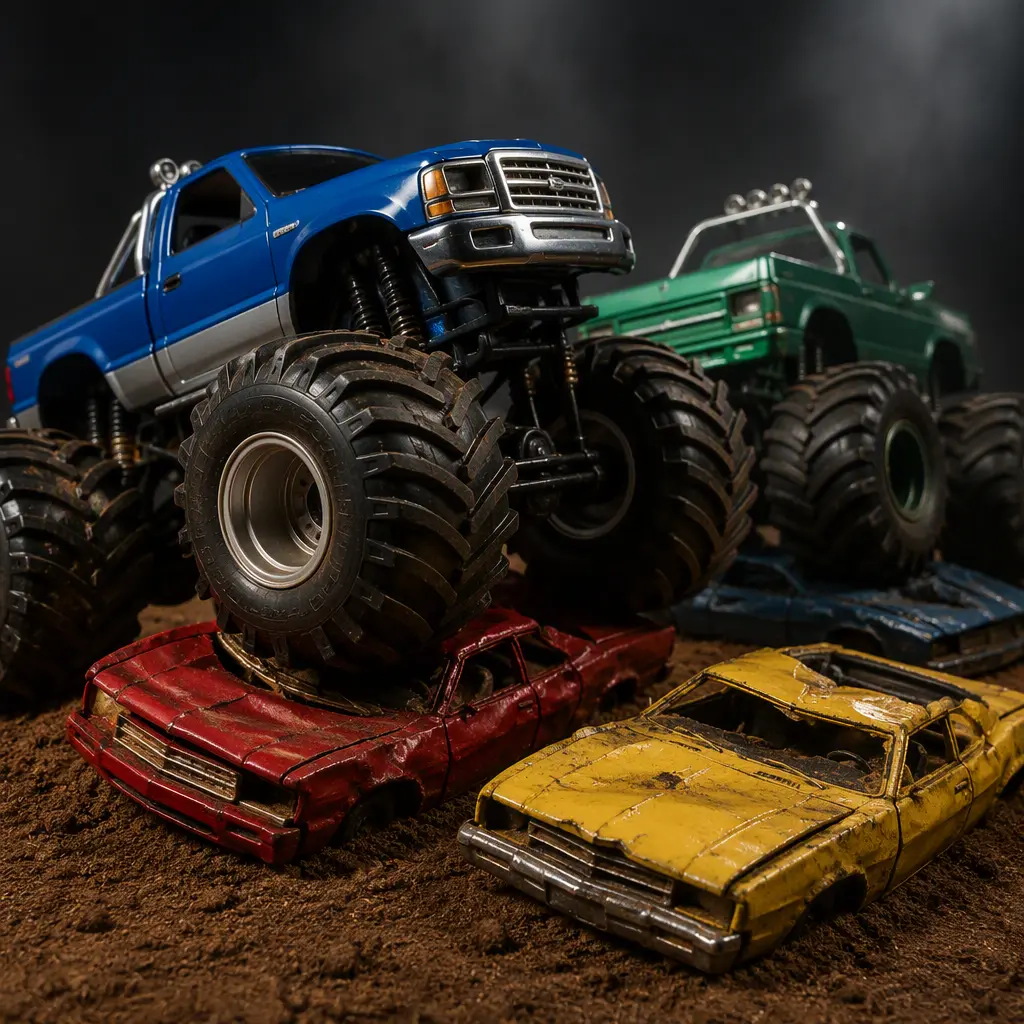
Modern · 2007
Monster Jam toy trucks turned oversized arena vehicles into a hands-on play pattern for young kids, blending collectibility, crash play and real-world motorsports appeal.
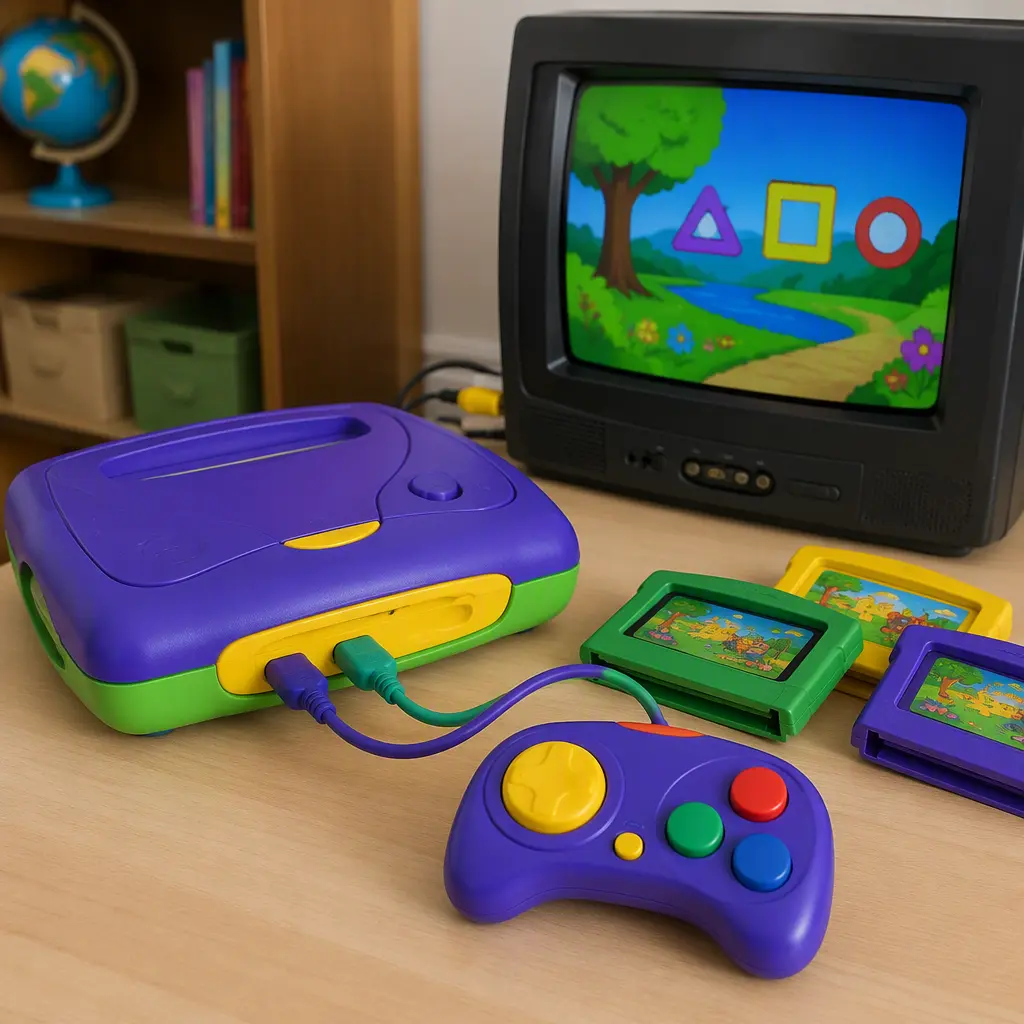
Modern · 2004
VTech’s V.Smile turned educational software into a living-room experience for young children, blending simple controls, bright visuals, and age-focused games in the mid-2000s.
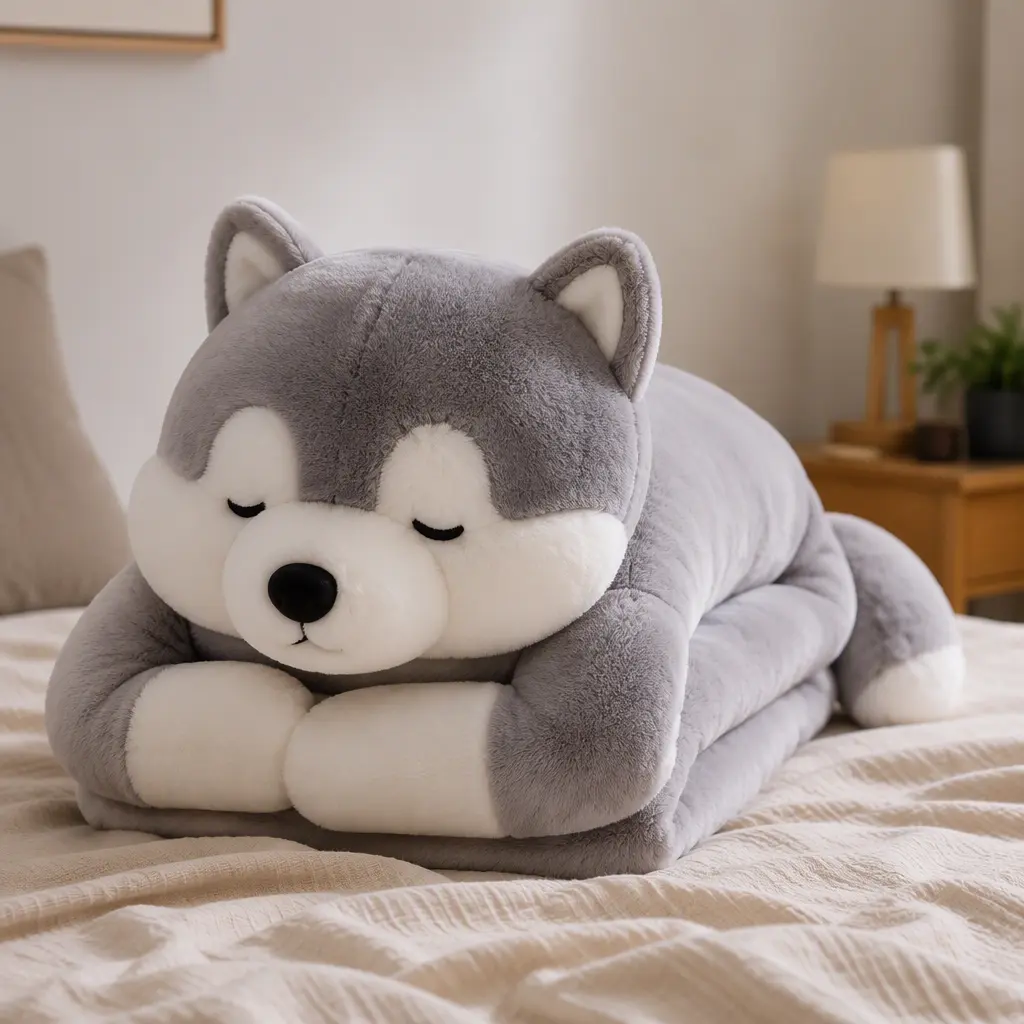
Modern · 2003
Pillow Pets turned a simple plush animal into a bedtime staple by combining stuffed toy comfort with a usable pillow years before multifunctional kids products became common.
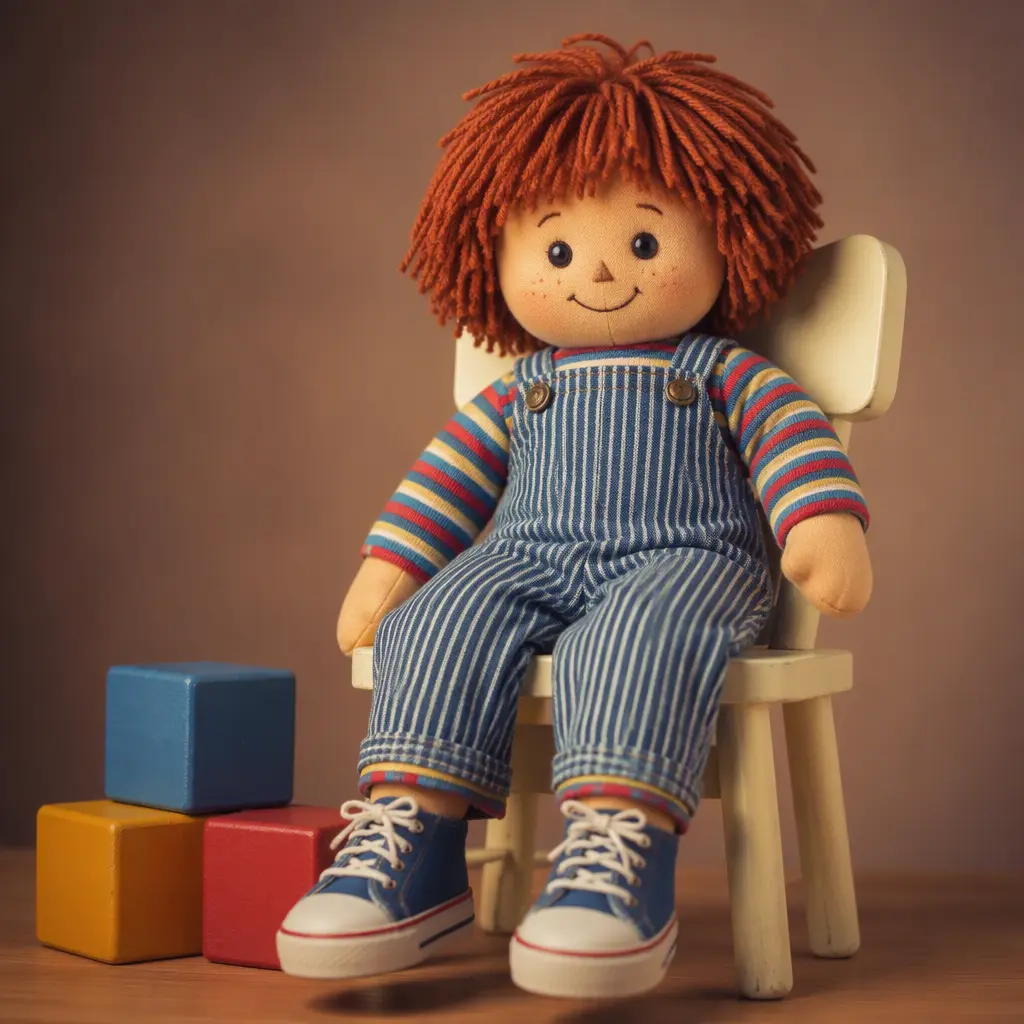
Classic · 1985
Launched in 1985, My Buddy turned the companion doll into a mainstream toy for boys, reflecting changing ideas about caregiving, friendship, and pretend play in the toy aisle.
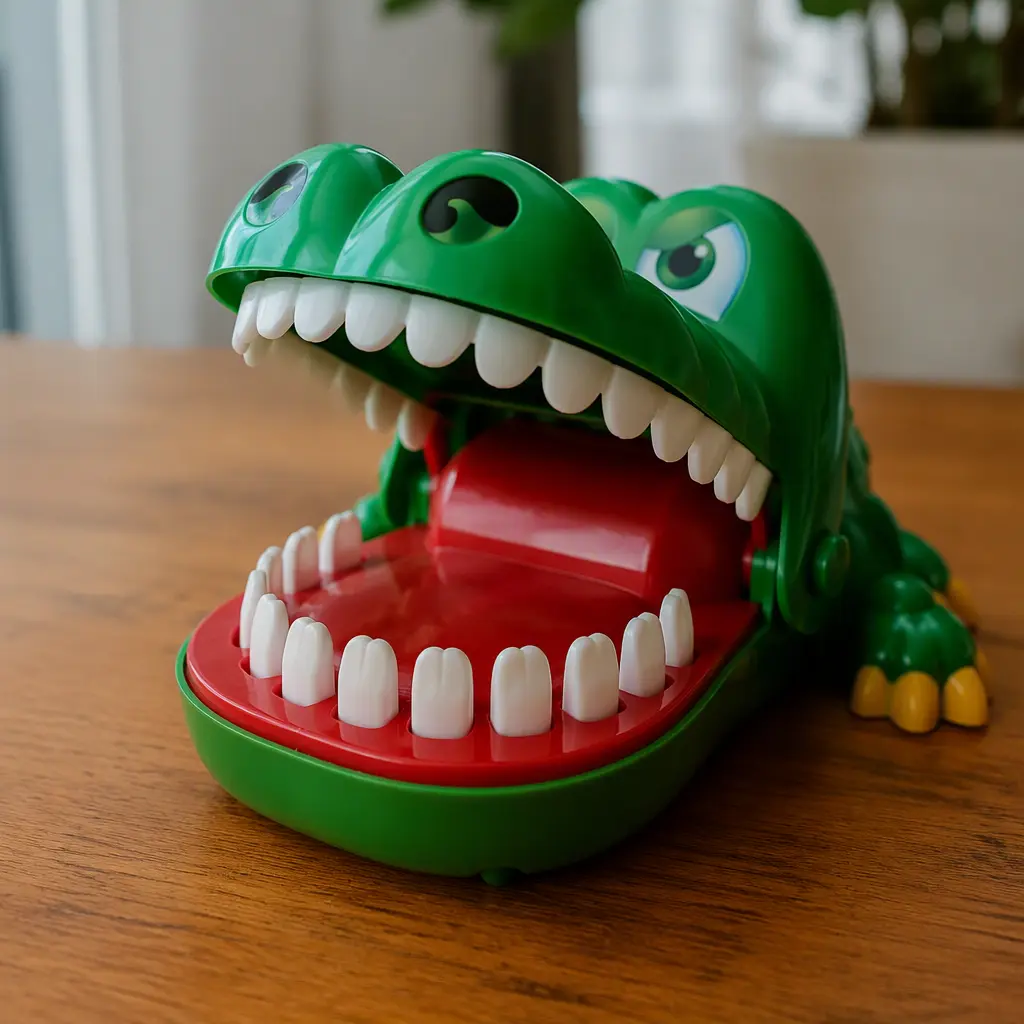
Classic · 1990
Crocodile Dentist turned a basic plastic crocodile into a fast, suspenseful family game. Its random snapping mechanic and easy rules helped it become a lasting party favorite.
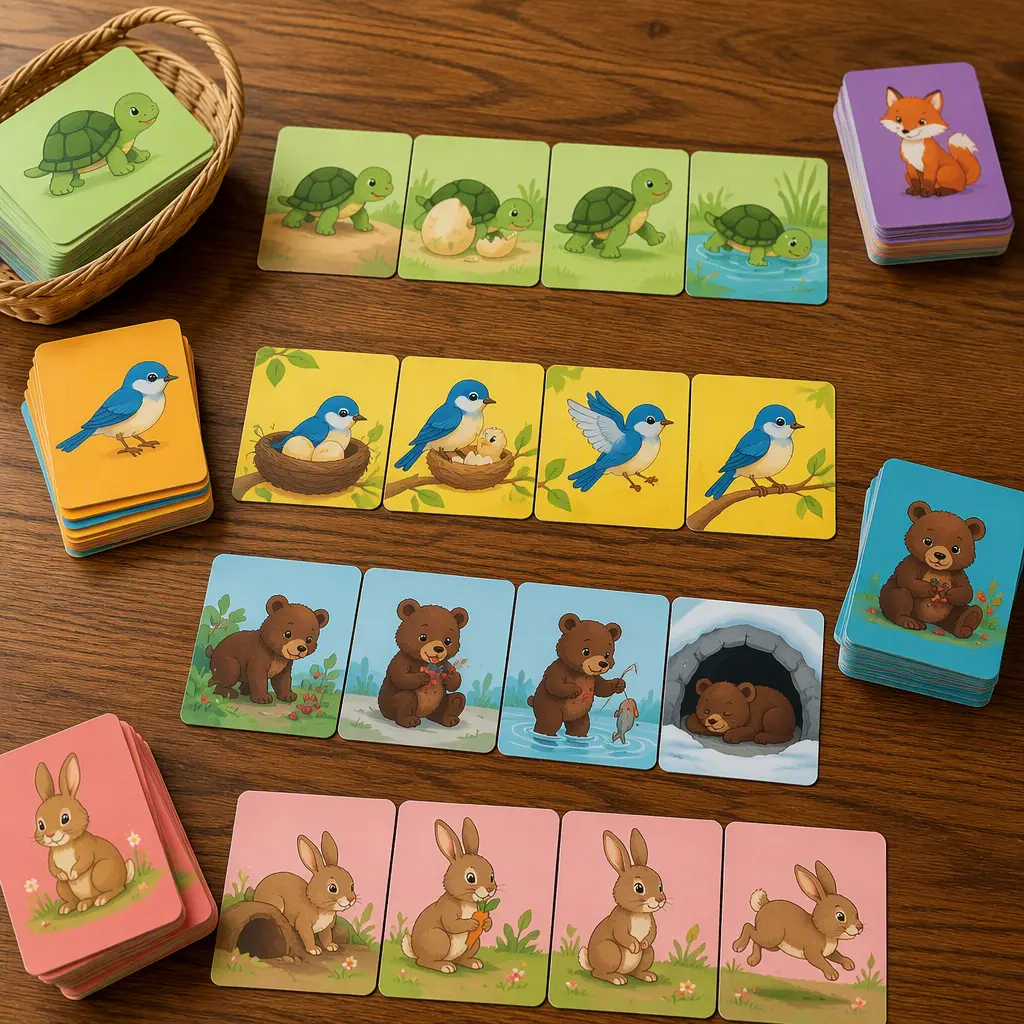
Contemporary · 2023
Skip-Bo Junior adapts the long-running sequencing card game for younger players with simpler rules, colorful art, and shorter rounds that encourage multi-generational play.
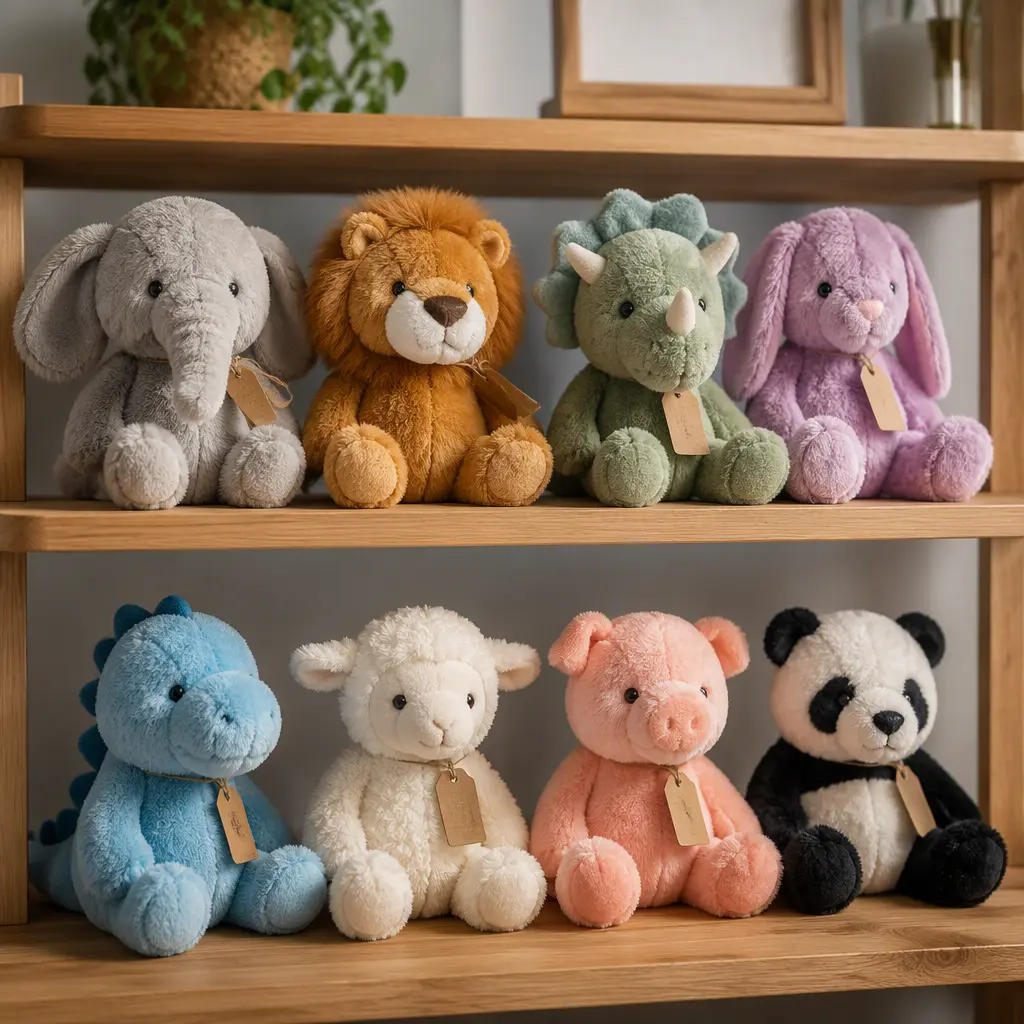
Classic · 1986
Ty plush toys turned small stuffed animals into playground collectibles through clever branding, retirements, and perceived scarcity that reshaped the toy market in the 1990s.
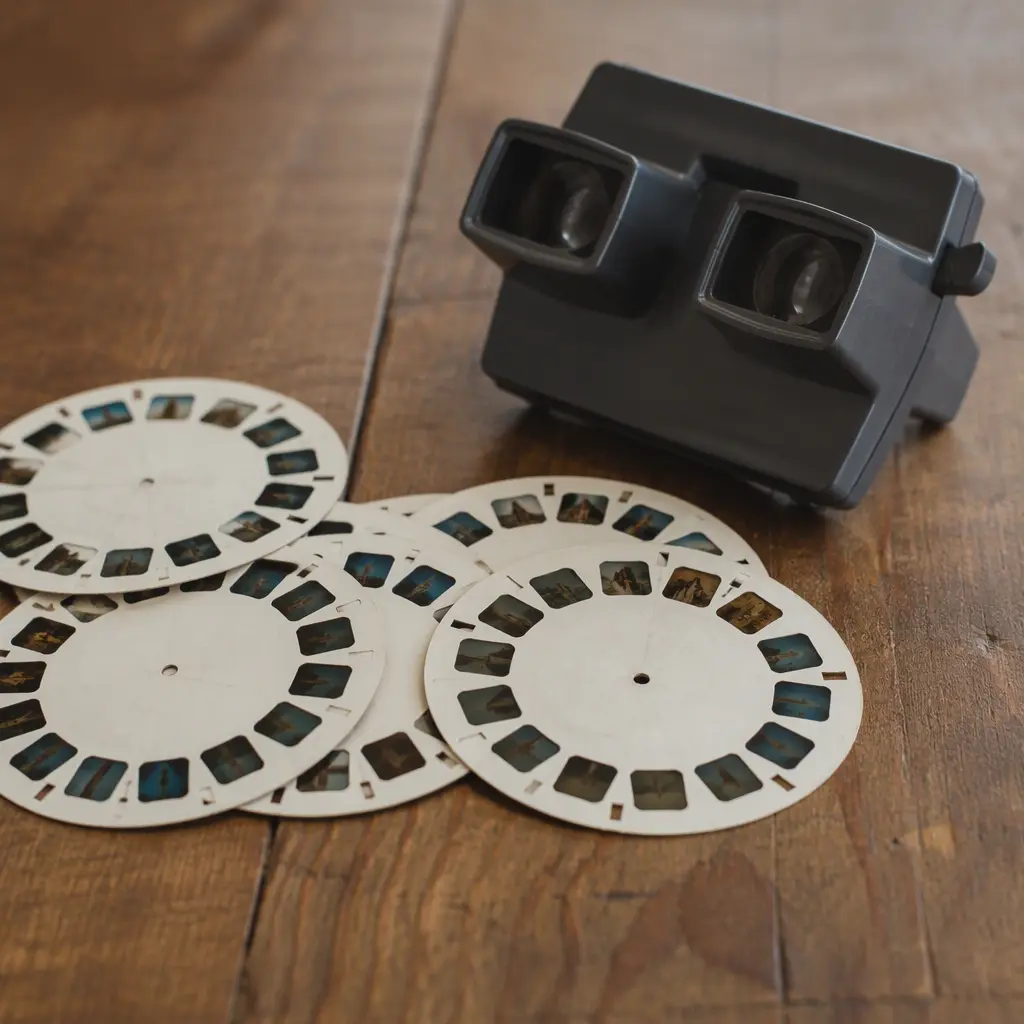
Classic · 1966
Long before digital slideshows, Viewfinder-style 3D reels turned small plastic discs into collectible windows to cartoons, travel scenes, and movie tie-ins that children revisited for years.
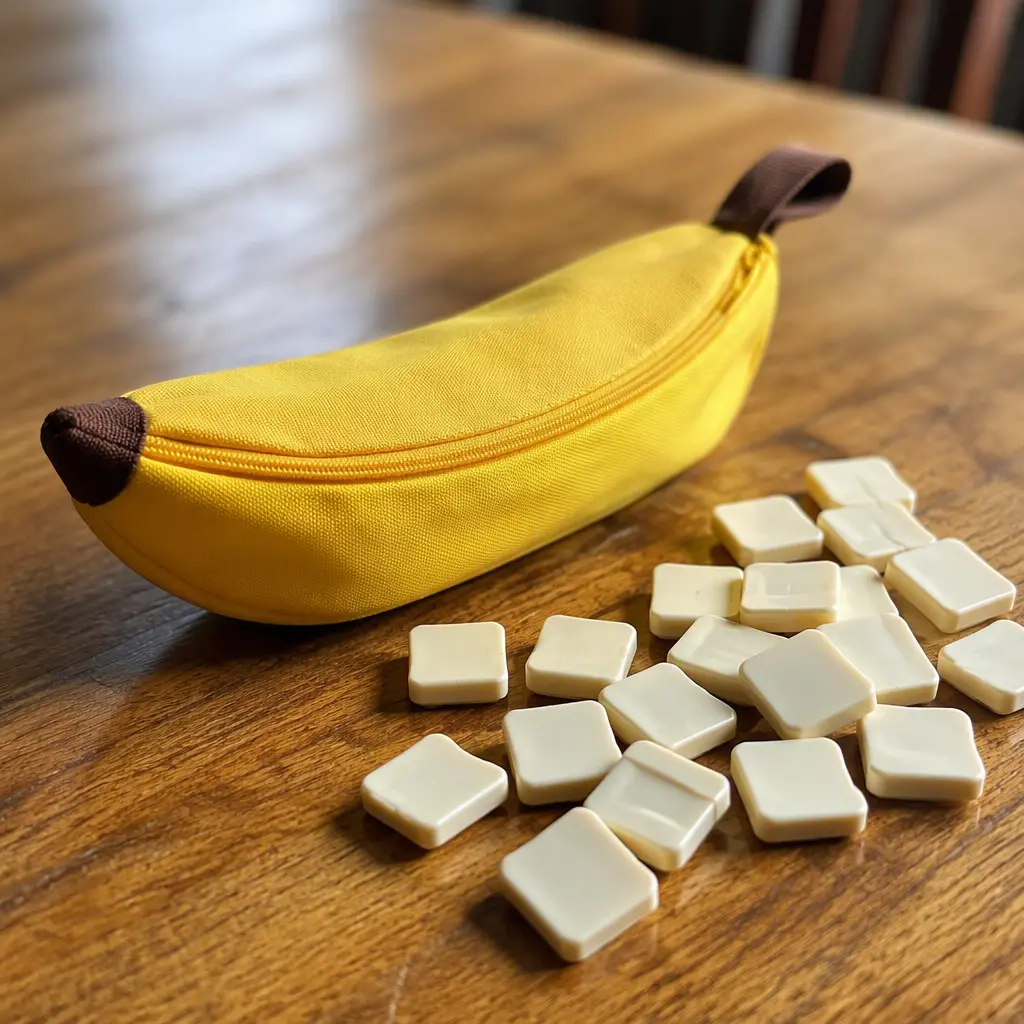
Contemporary · 2023
Bananagrams Duel trims the original word-building formula into a fast two-player contest, showing how modern tabletop games are leaning toward shorter rounds, portability, and quick rematches.
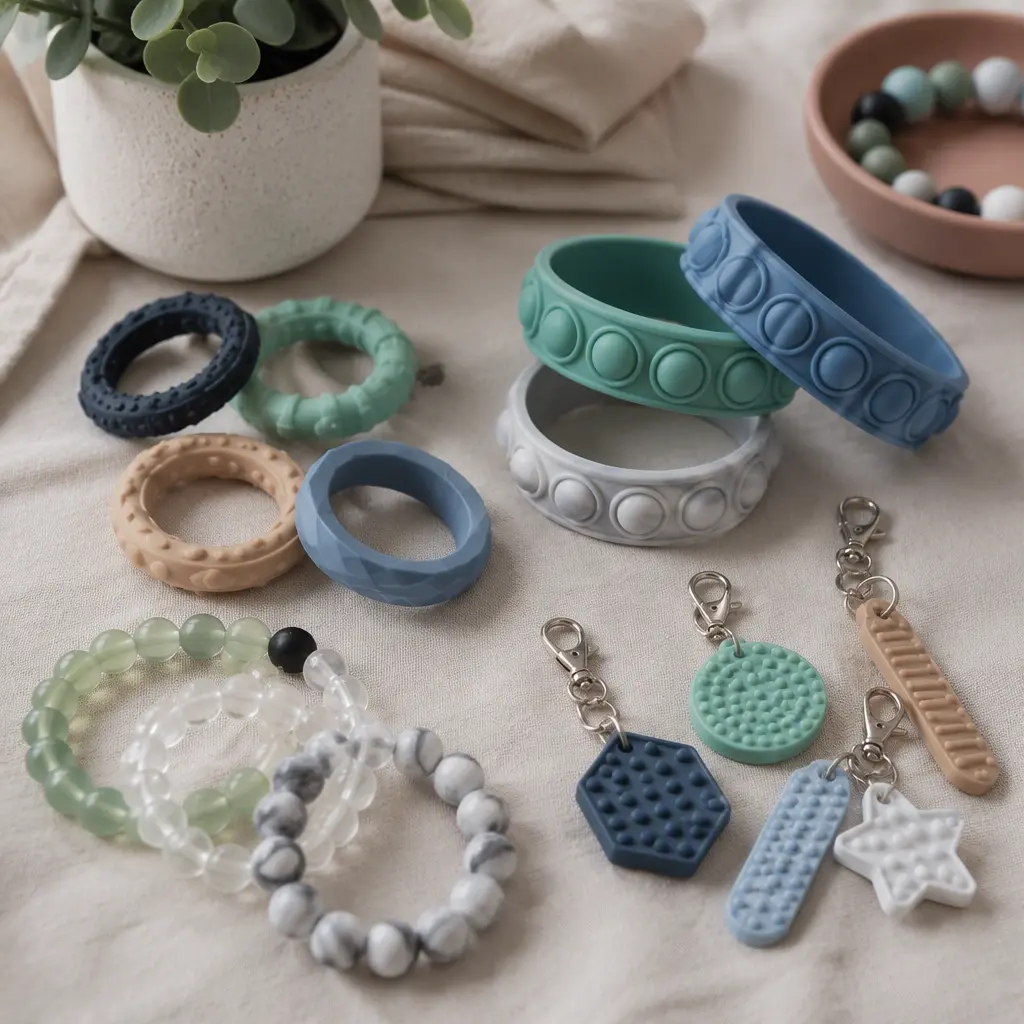
Contemporary · 2021
Fashion fidgets turned sensory play into something wearable, blending bracelets, clips, rings, and charms with calming tactile features that moved from classrooms to everyday style.
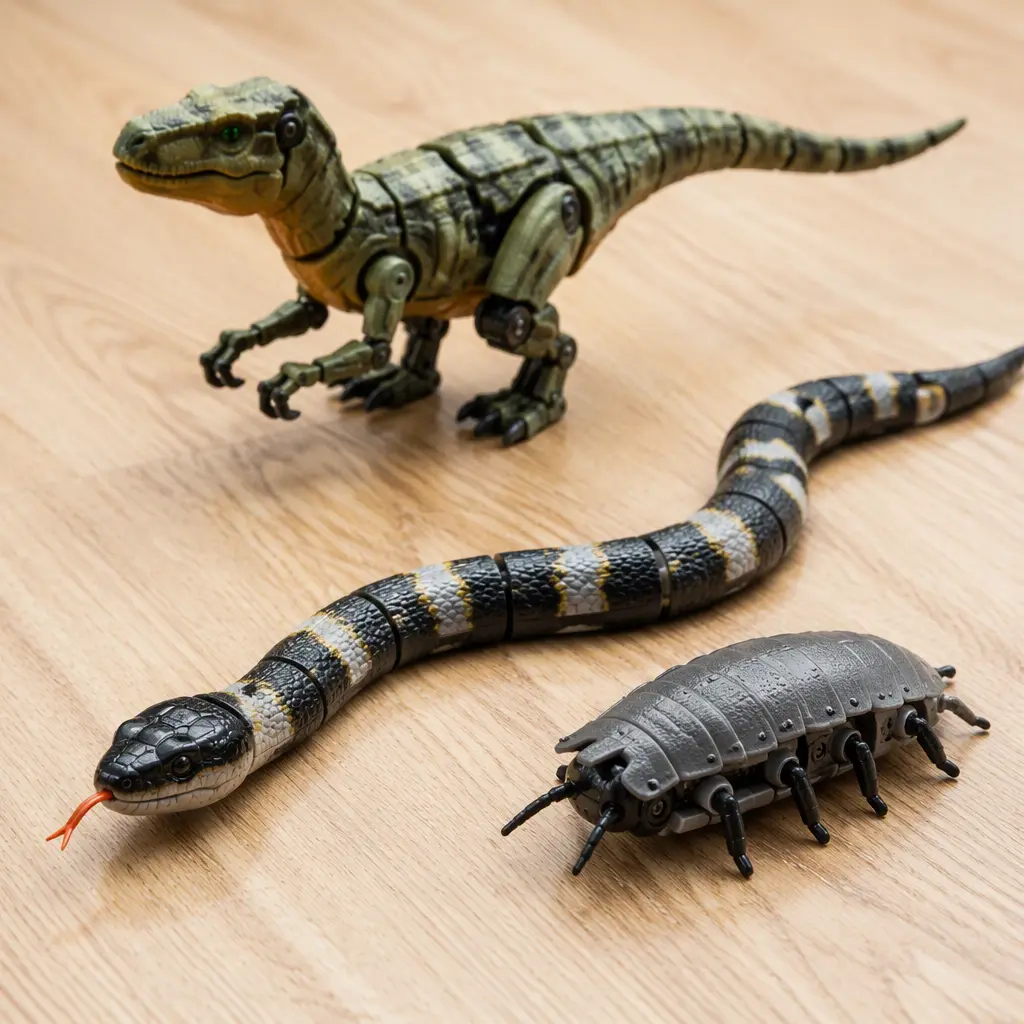
Contemporary · 2020
Robo Alive turned affordable robotic pets and creatures into a modern toy aisle staple, mixing simple motors, sensory tricks, and collectible play into accessible animatronic fun.
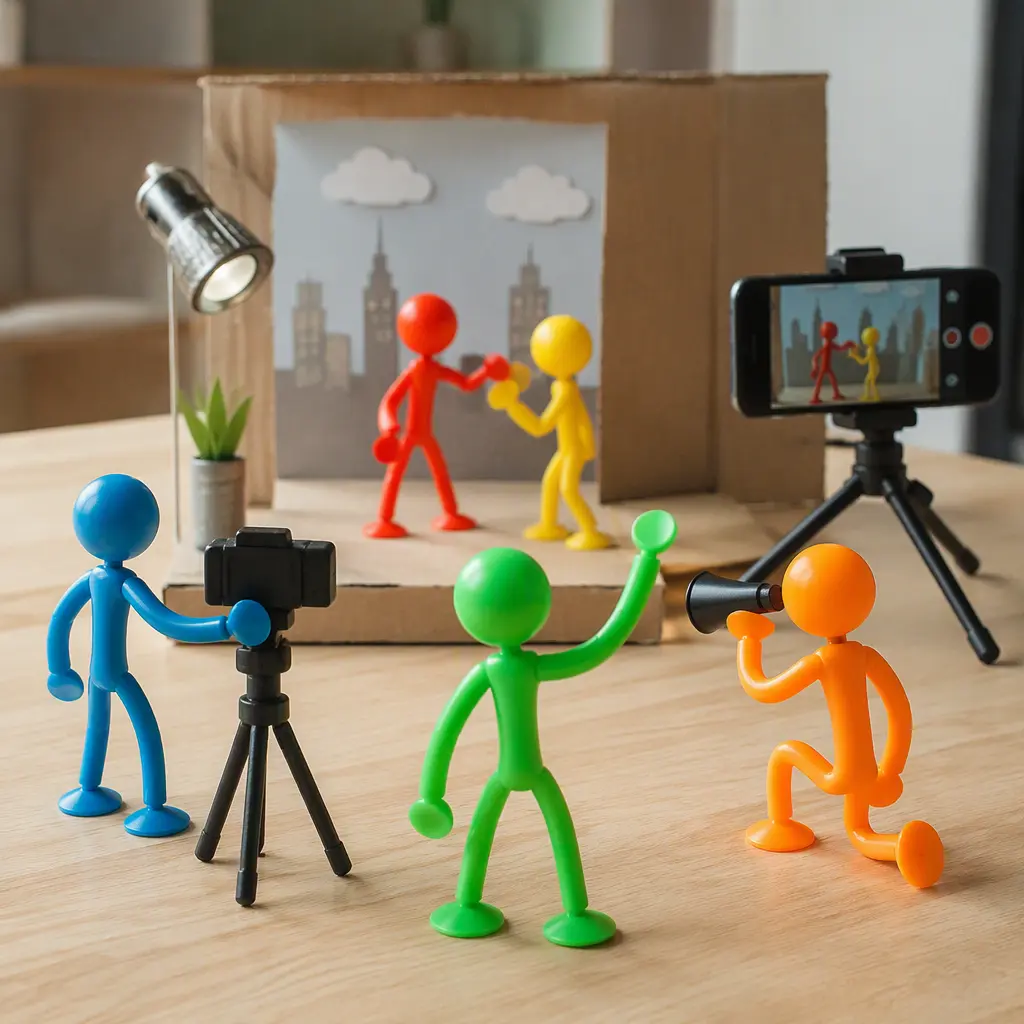
Modern · 2015
Stikbot Studio turned simple poseable figures into a gateway for stop-motion filmmaking, giving kids an easy way to experiment with animation, storytelling, and hands-on creativity.
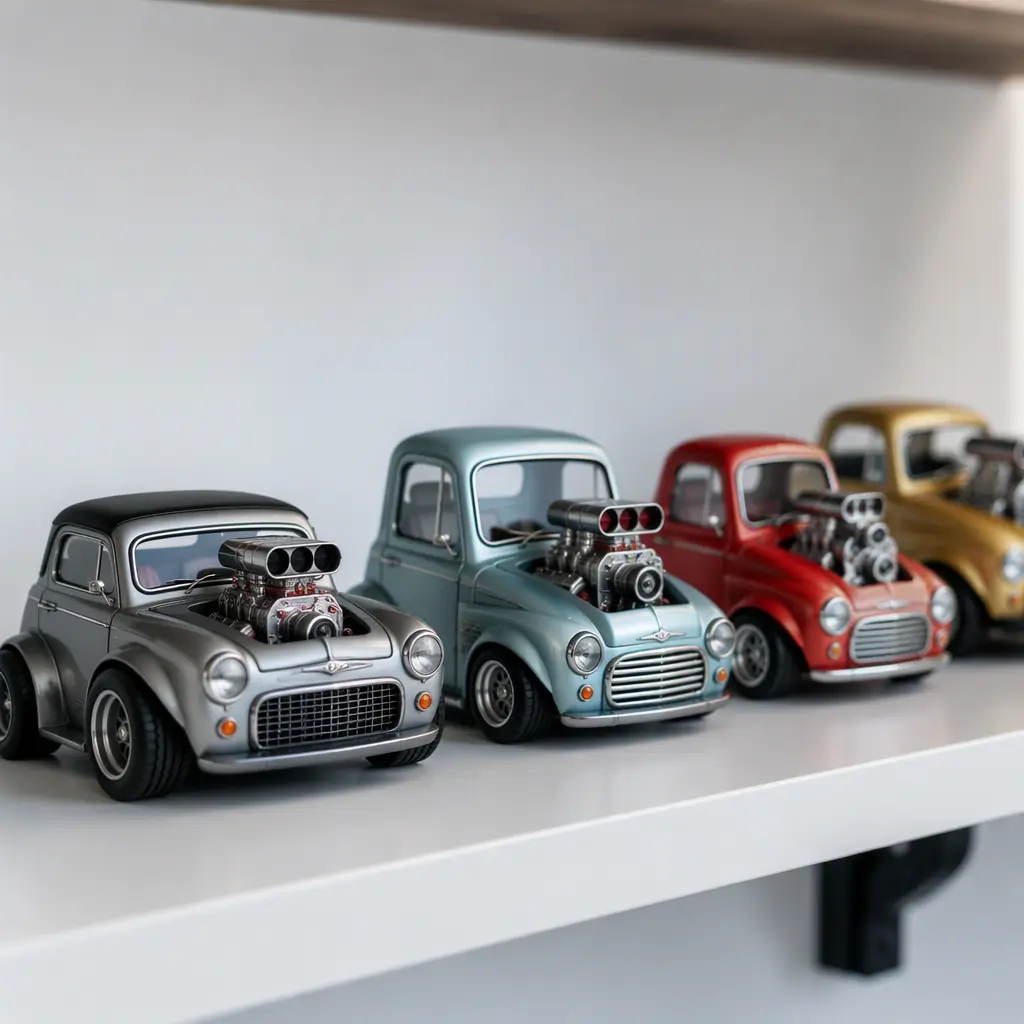
Contemporary · 2023
MGA Car Tuned turns familiar vehicle shapes into exaggerated mini collectibles, blending toy-car nostalgia, stylized design, and kid-friendly collecting for a new generation.
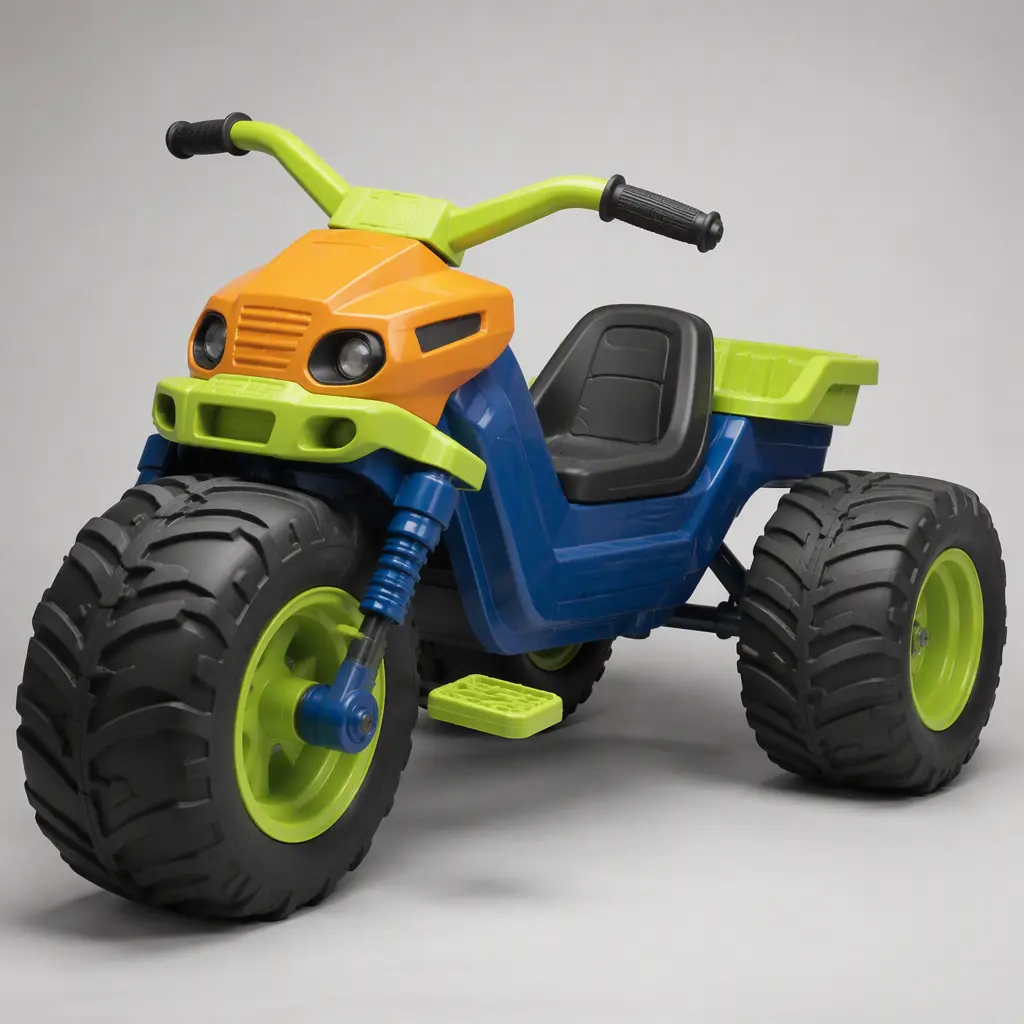
Modern · 2007
Big Wheels Monster Trucks turned the familiar ride-on tricycle into a chunky, monster-truck-inspired toy built for younger kids who wanted bigger wheels, louder styling, and outdoor play with attitude.
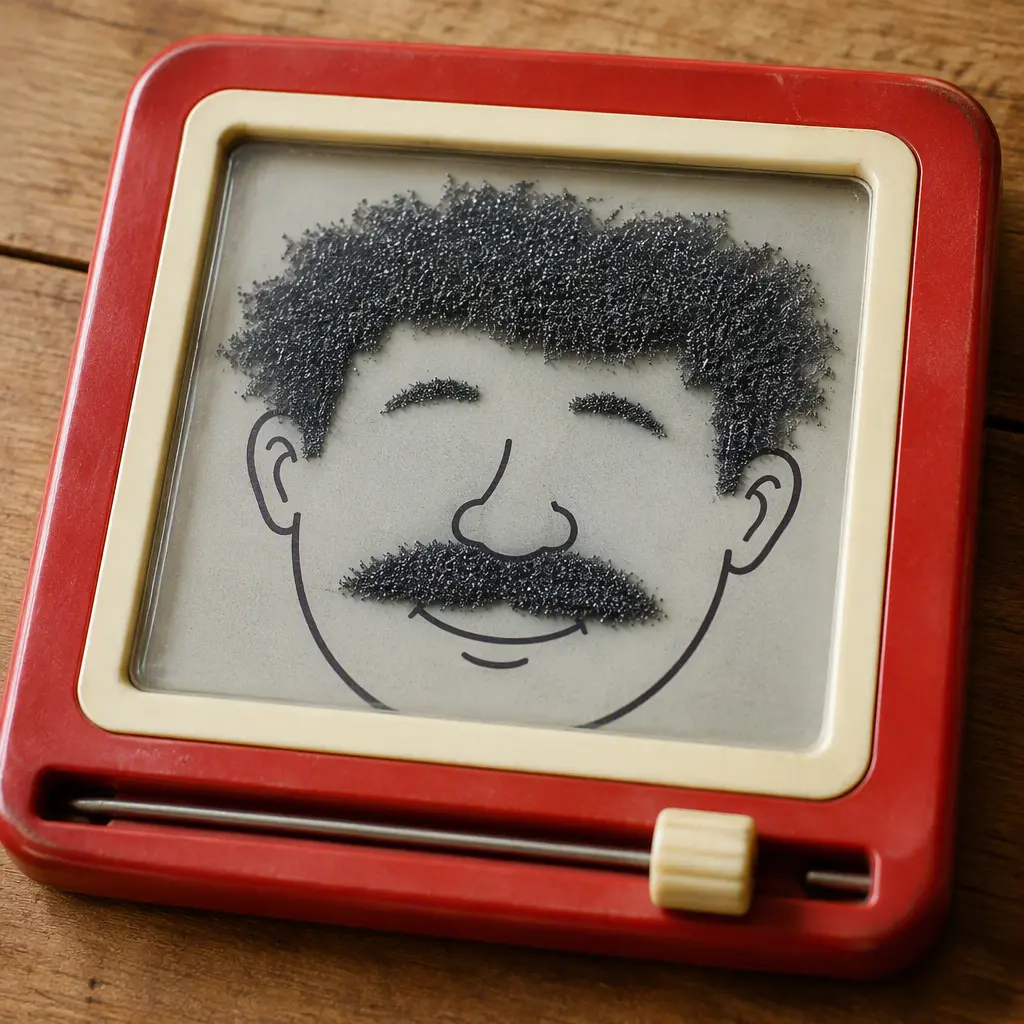
Classic · 1955
Wooly Willy turned loose iron filings into eyebrows, hair, and mustaches in 1955, and the simple magnetic drawing trick still has a strangely satisfying pull decades later.
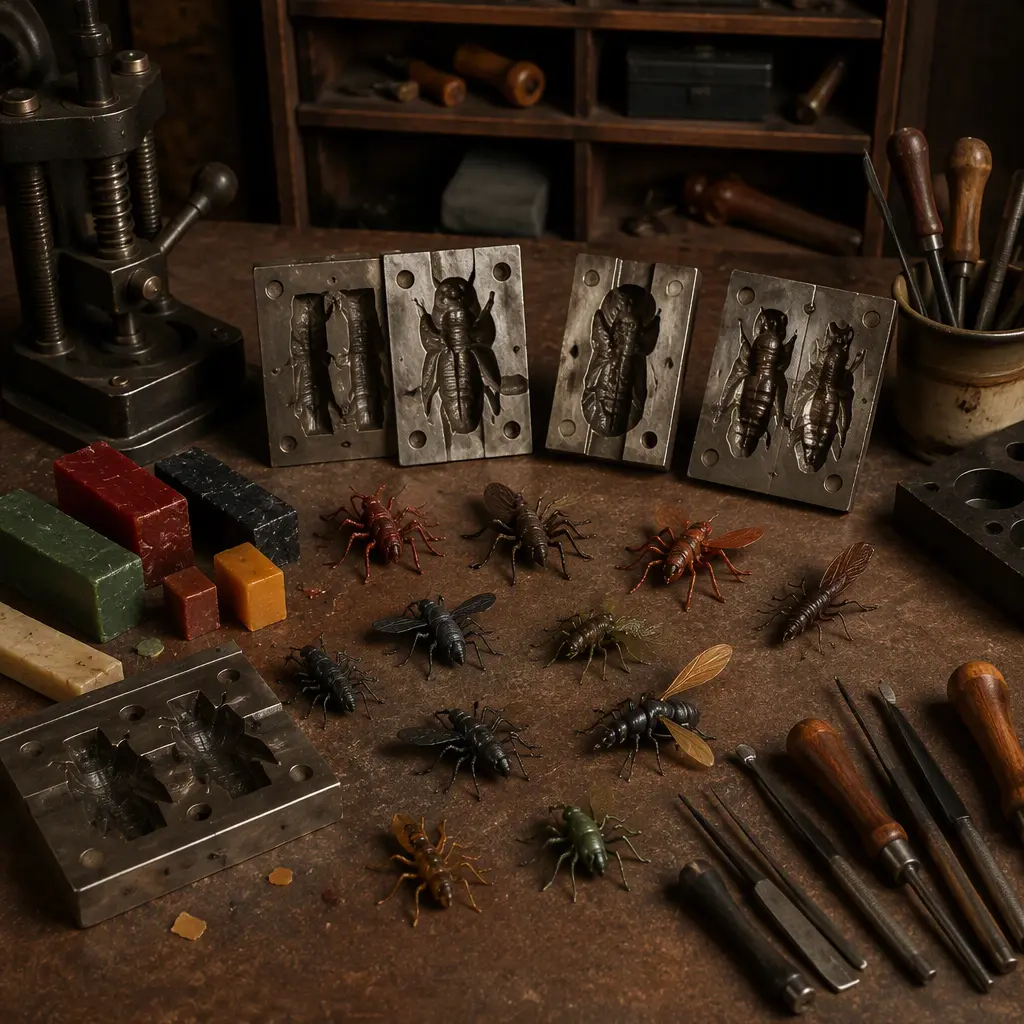
Classic · 1964
Mattel’s 1964 ThingMaker turned kitchen tables into miniature workshops, letting kids mold rubbery creatures with real heat. Its mix of creativity, chemistry, and risk still fascinates collectors.
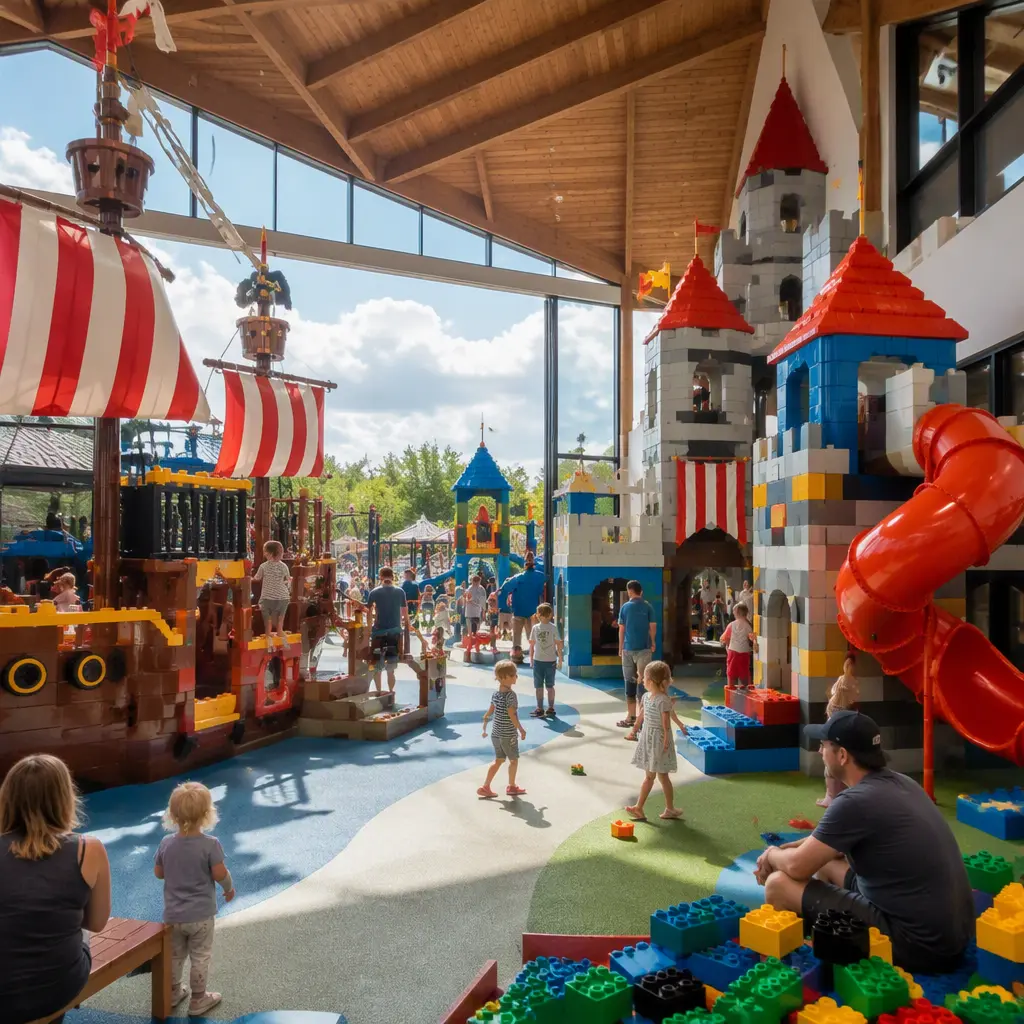
Modern · 2000
Playmobil FunPark turned a familiar toy line into a physical play experience, blending oversized playsets, active exploration, and brand storytelling for families.
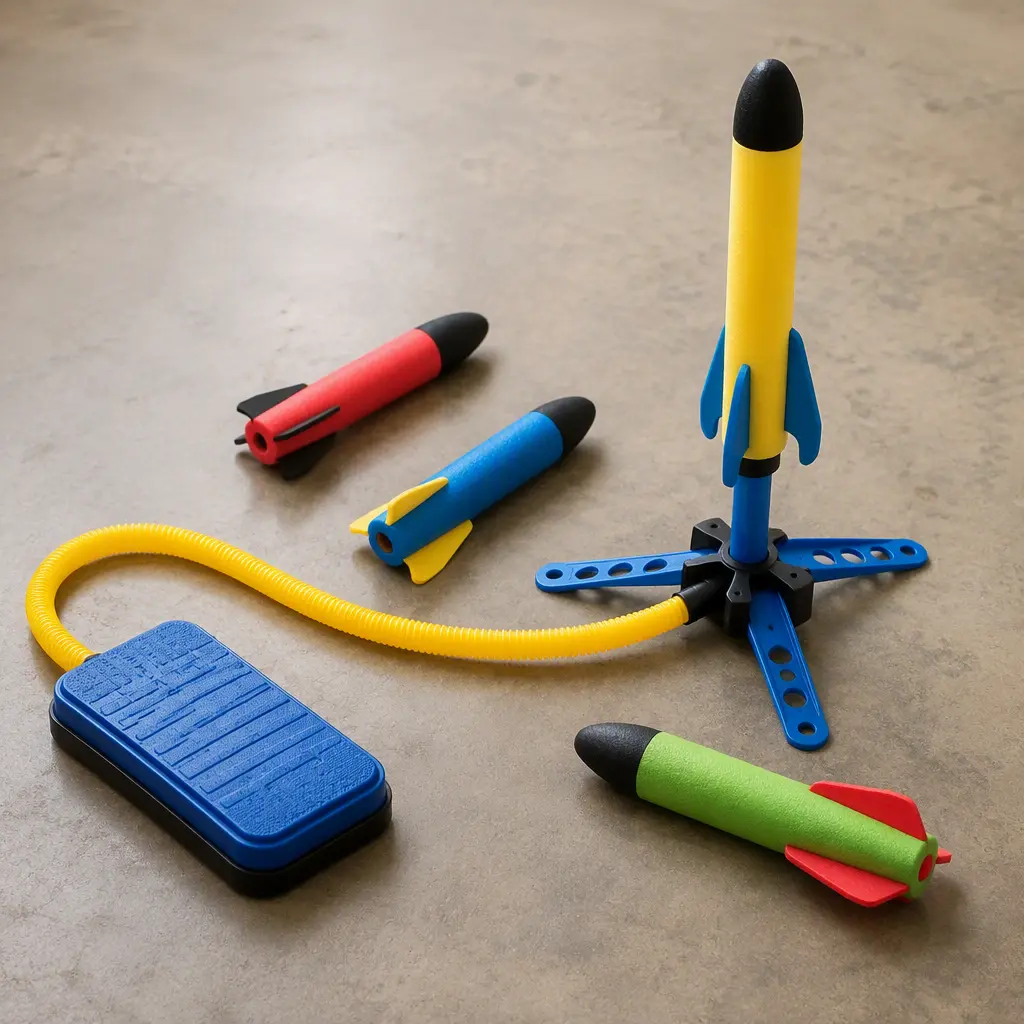
Contemporary · 2020
The Stomp Rocket Ultra Rocket turned a simple foam launcher into a durable backyard science toy, blending active play, easy setup, and hands-on physics for the screen era.
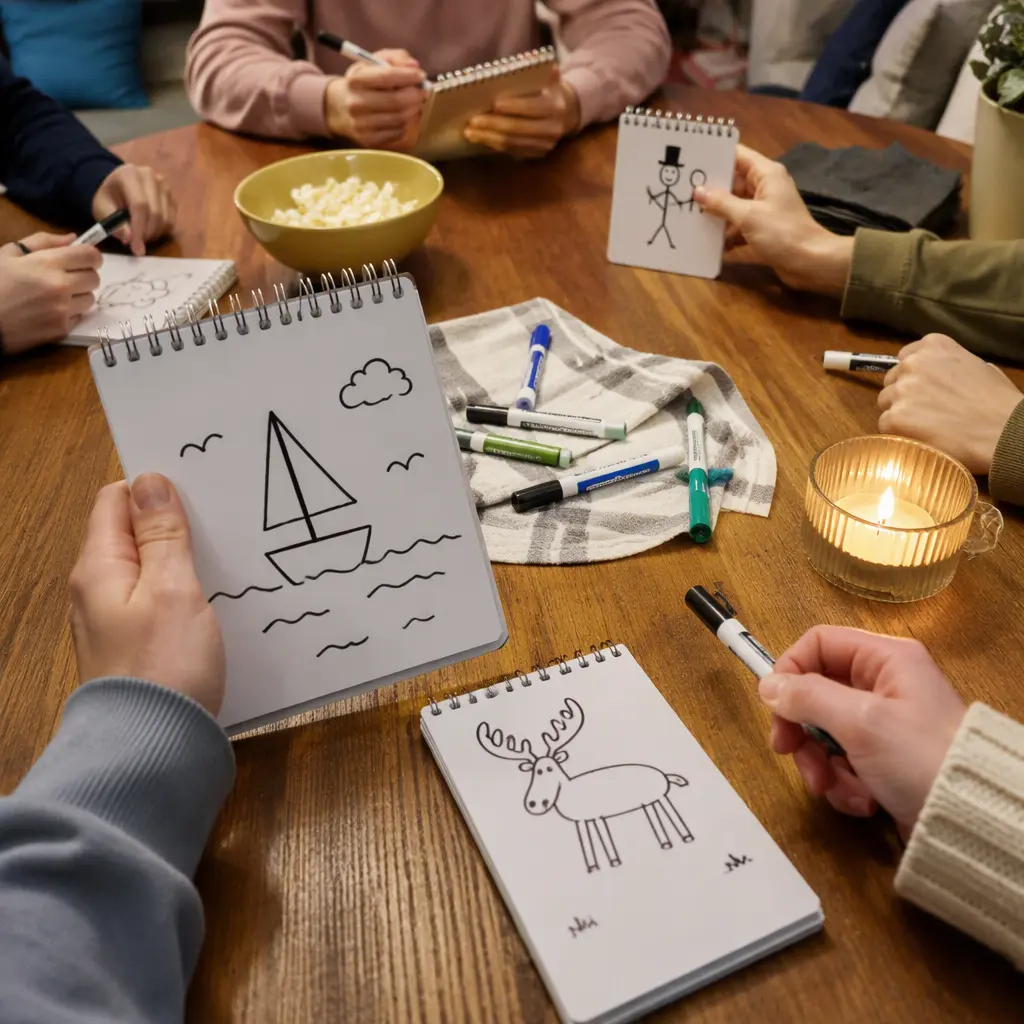
Modern · 2009
Since 2009, Telestrations has turned shaky sketches and mistaken guesses into a reliable family party ritual, blending telephone-style confusion with fast, low-pressure drawing.
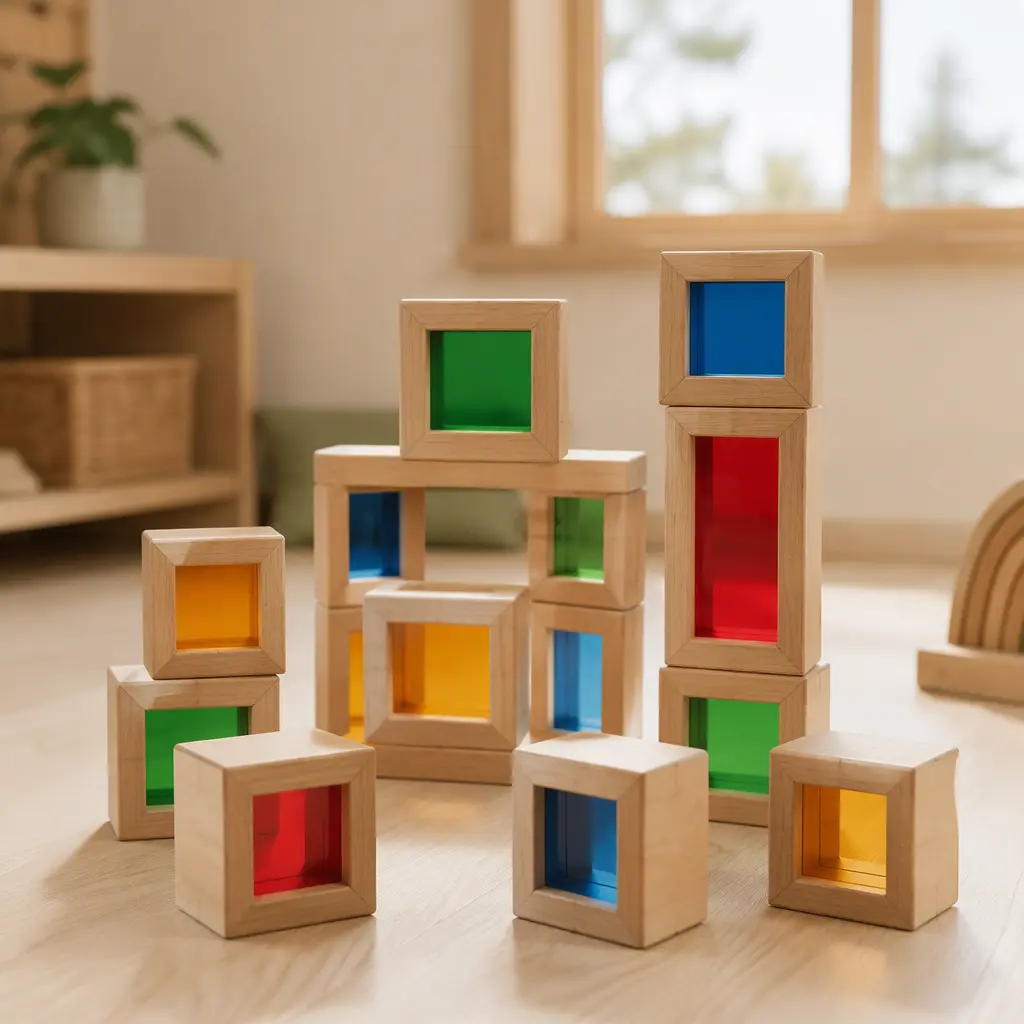
Contemporary
Bauspiel Lucent Cubes turned simple building blocks into a design-focused play staple, blending natural wood with jewel-like acrylic windows that appeal to children, parents, and educators alike.
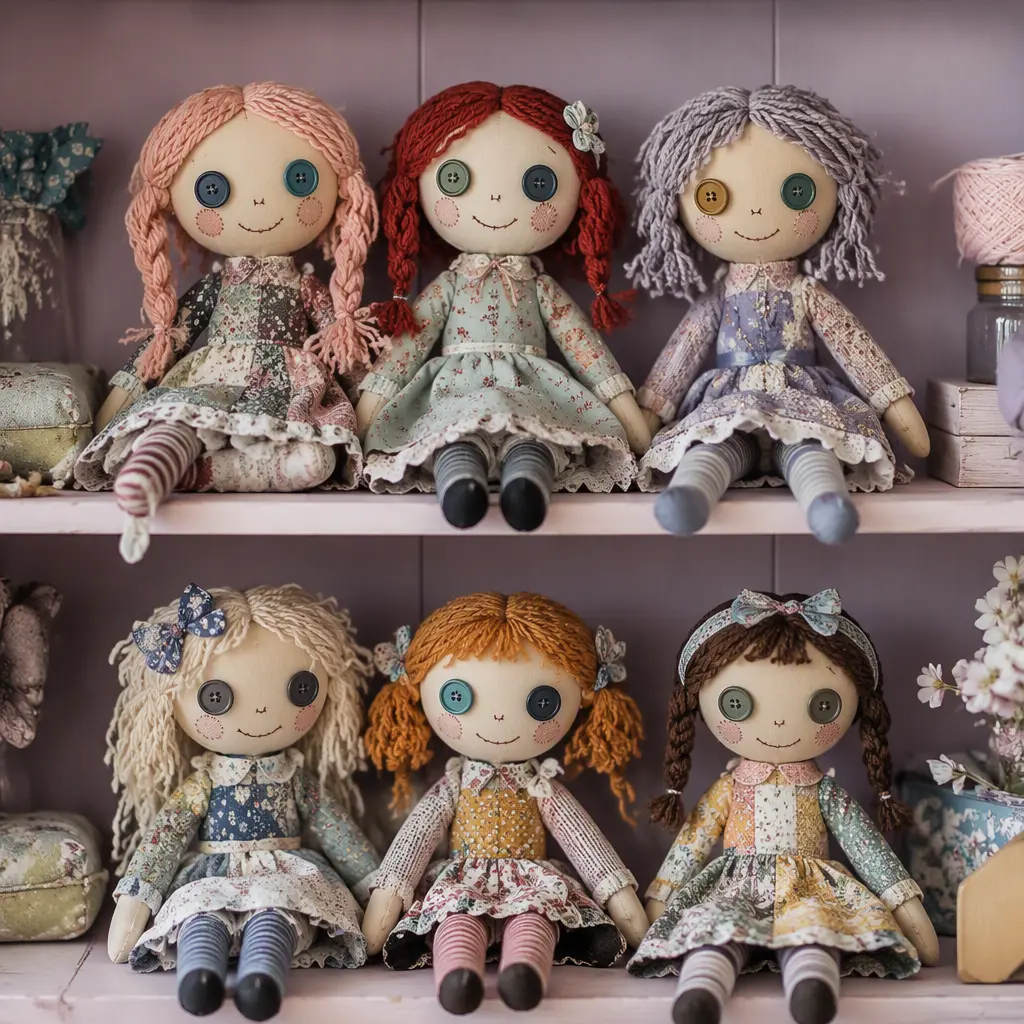
Modern · 2010
Lalaloopsy arrived in 2010 with stitched smiles, button eyes, and a softer idea of fashion dolls. The line mixed collectible design, storytelling, and craft-inspired aesthetics at a moment of change in the toy aisle.
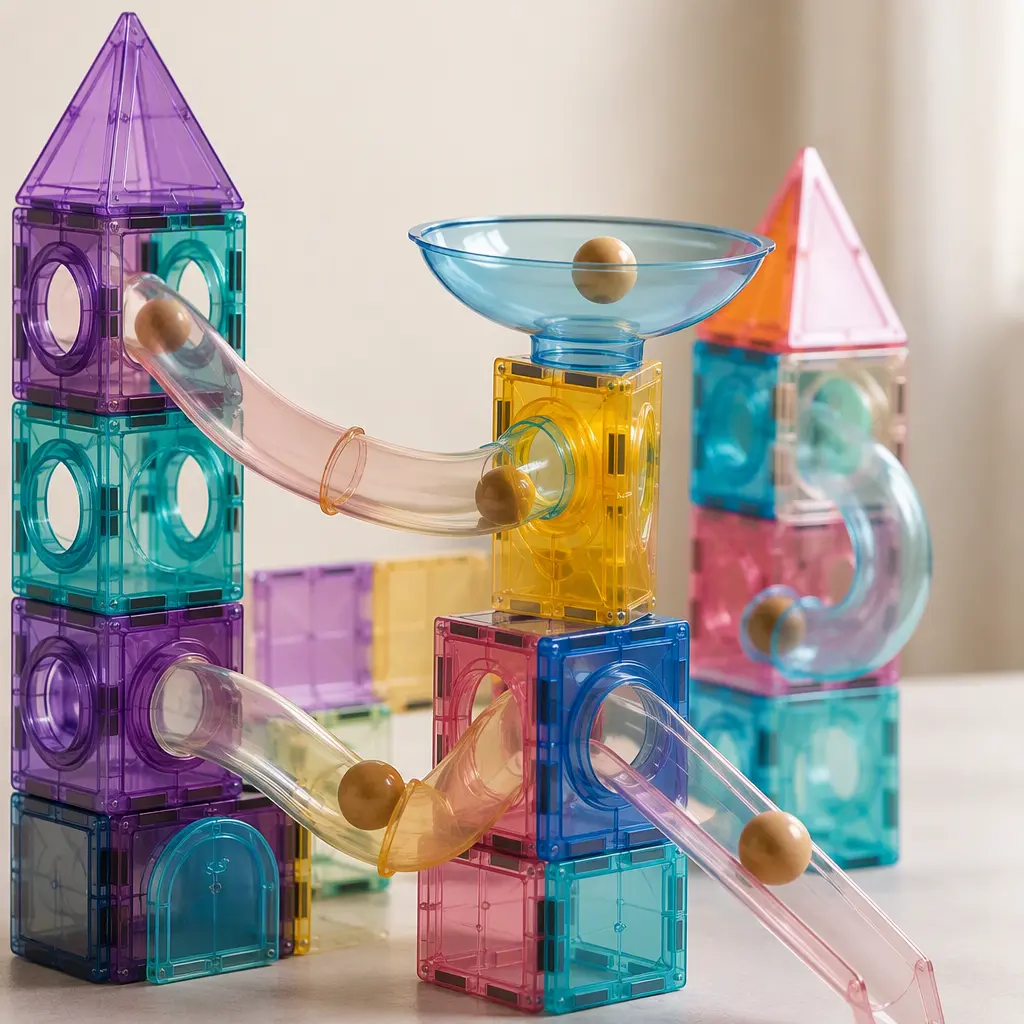
Contemporary · 2021
Connetix Ball Runs turned open-ended magnetic tile play into a hands-on engineering system, blending construction, motion, and problem-solving for kids and adults alike.
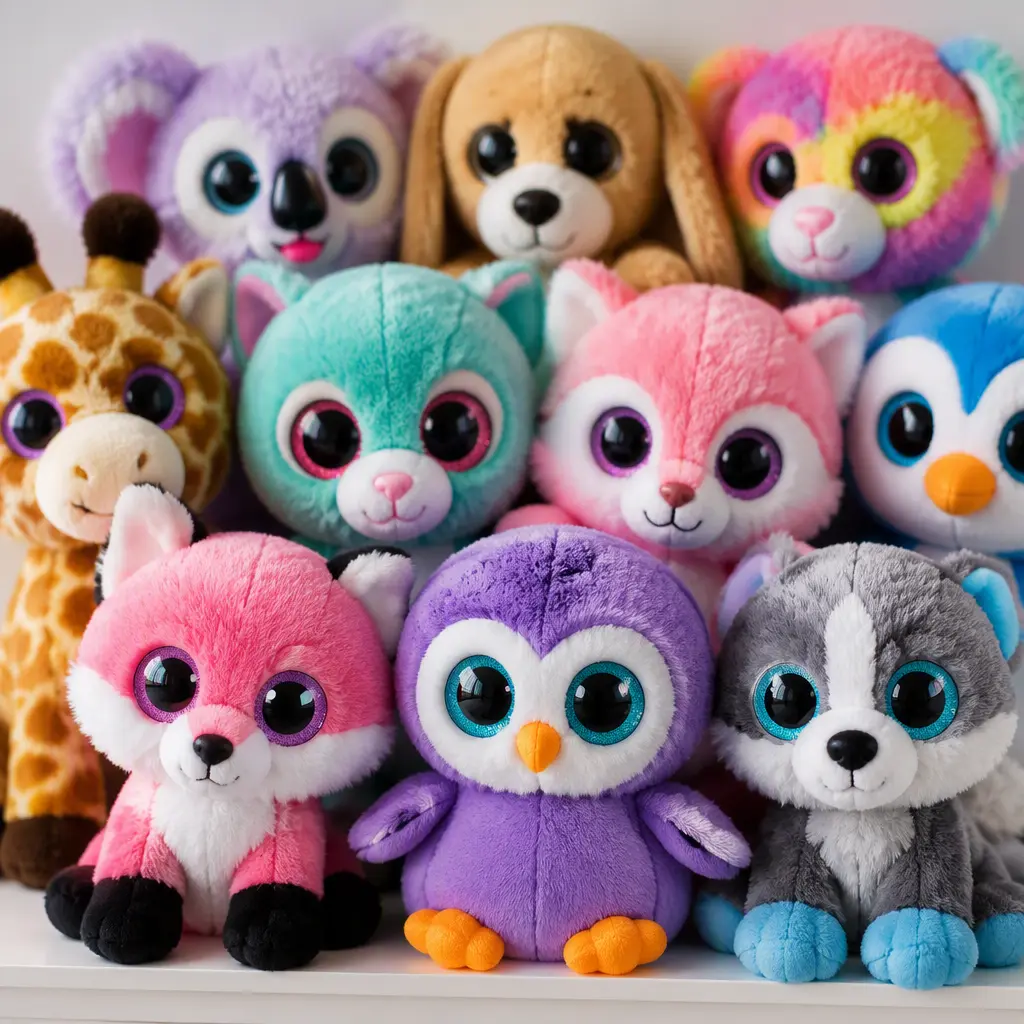
Modern · 2009
Launched in 2009, Ty Beanie Boos turned oversized glitter eyes and soft, approachable animal designs into a modern collectible phenomenon for kids and nostalgic adults alike.
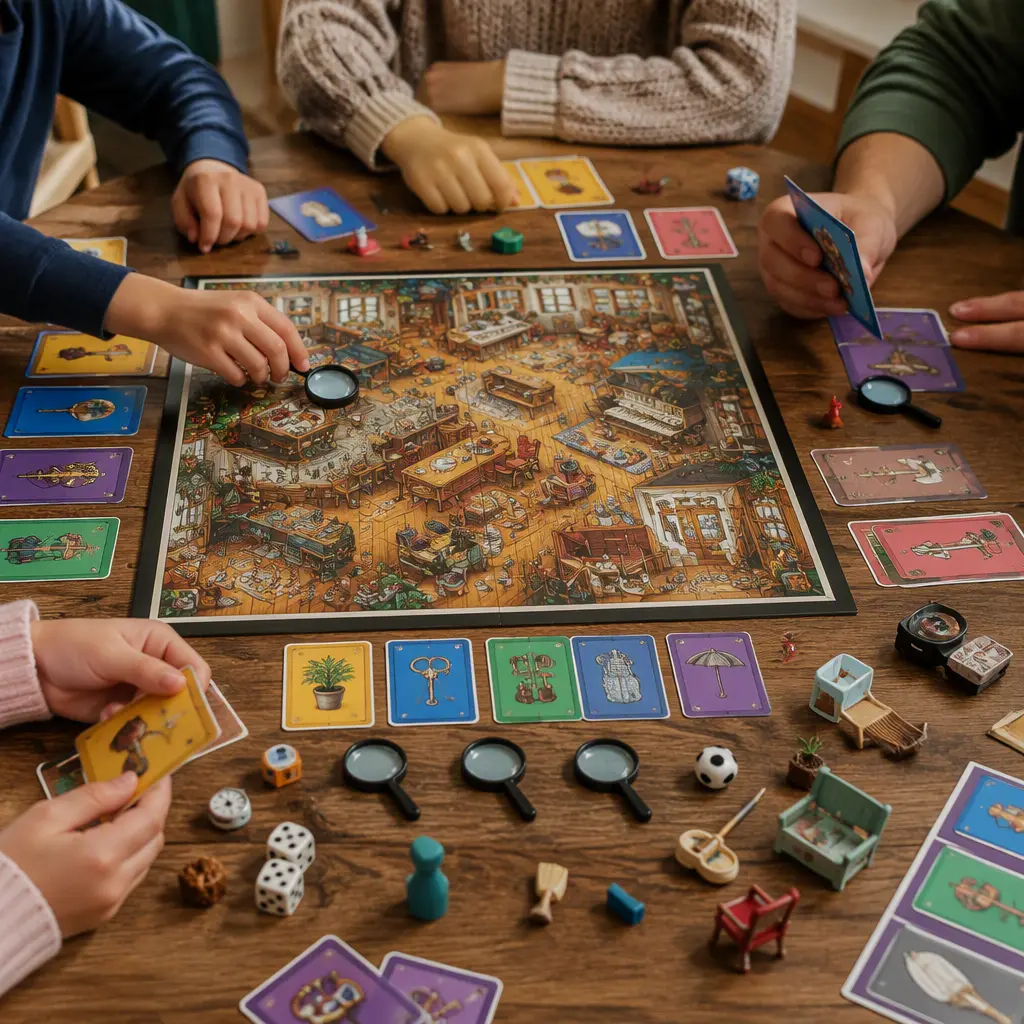
Modern · 2009
Briarpatch I Spy Mystery turned the familiar seek-and-find format into a fast-paced family board game, blending visual puzzles, memory, and cooperative deduction for mixed-age play.
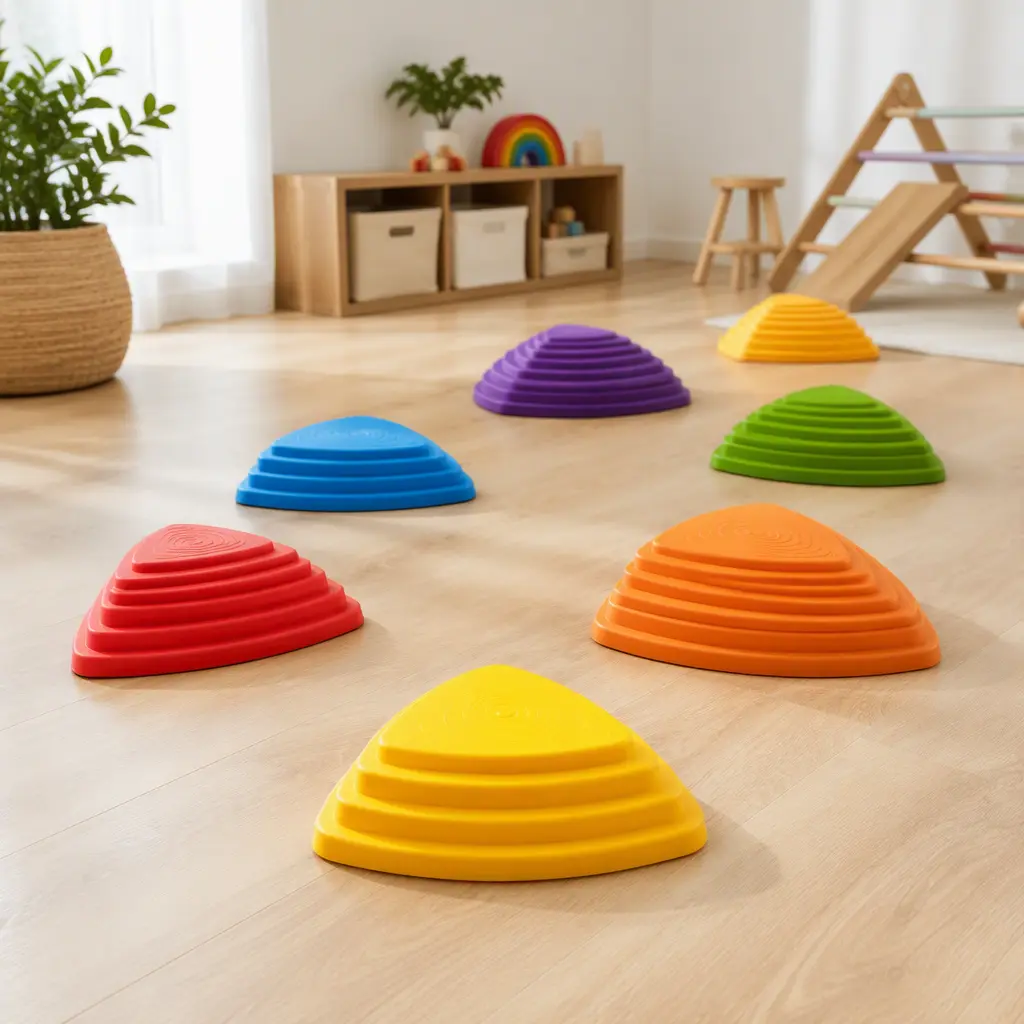
Contemporary
Balance stepping stones turn floors into obstacle courses, helping children build coordination, balance, and confidence through simple movement-based play that works well indoors.
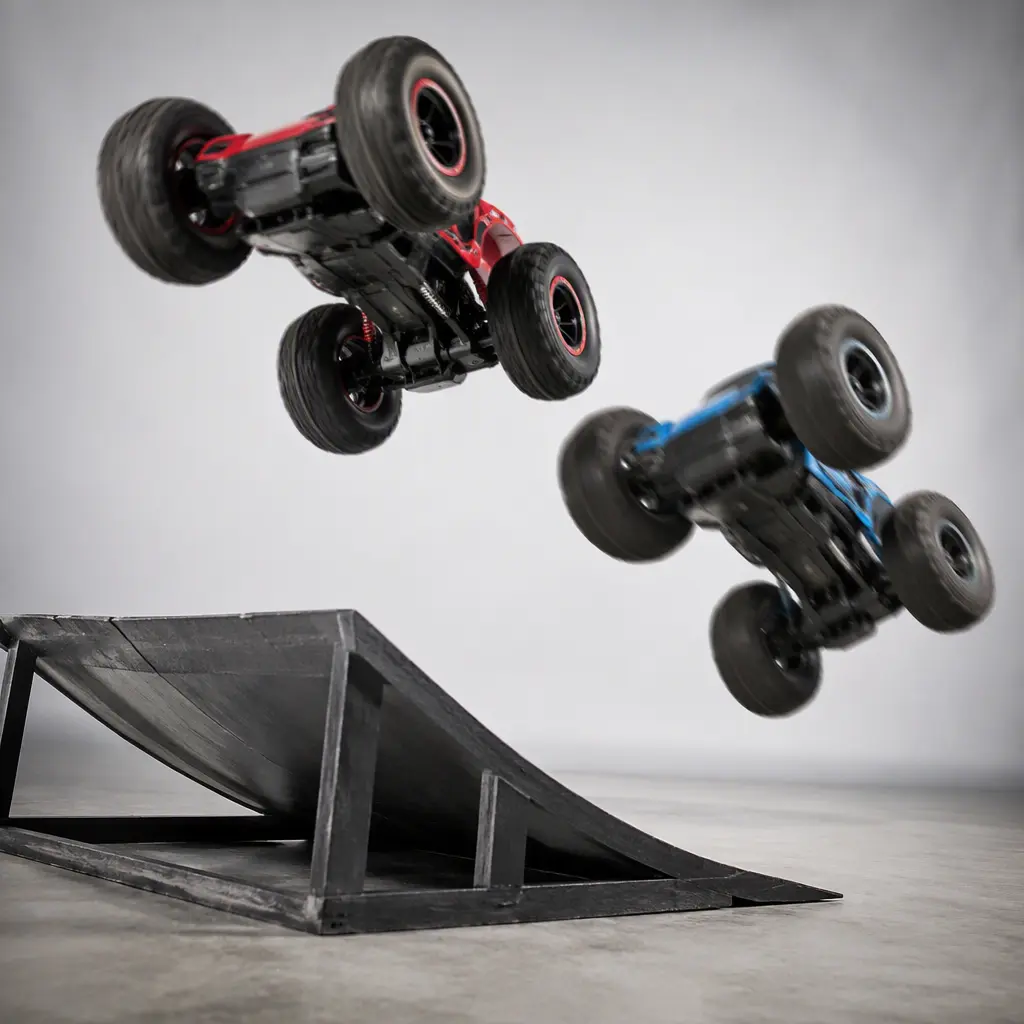
Modern
RC stunt cars turned simple remote-control driving into a fast, crash-friendly spectacle. Their flips, spins, and durable designs helped introduce a generation to hobby-style RC play.
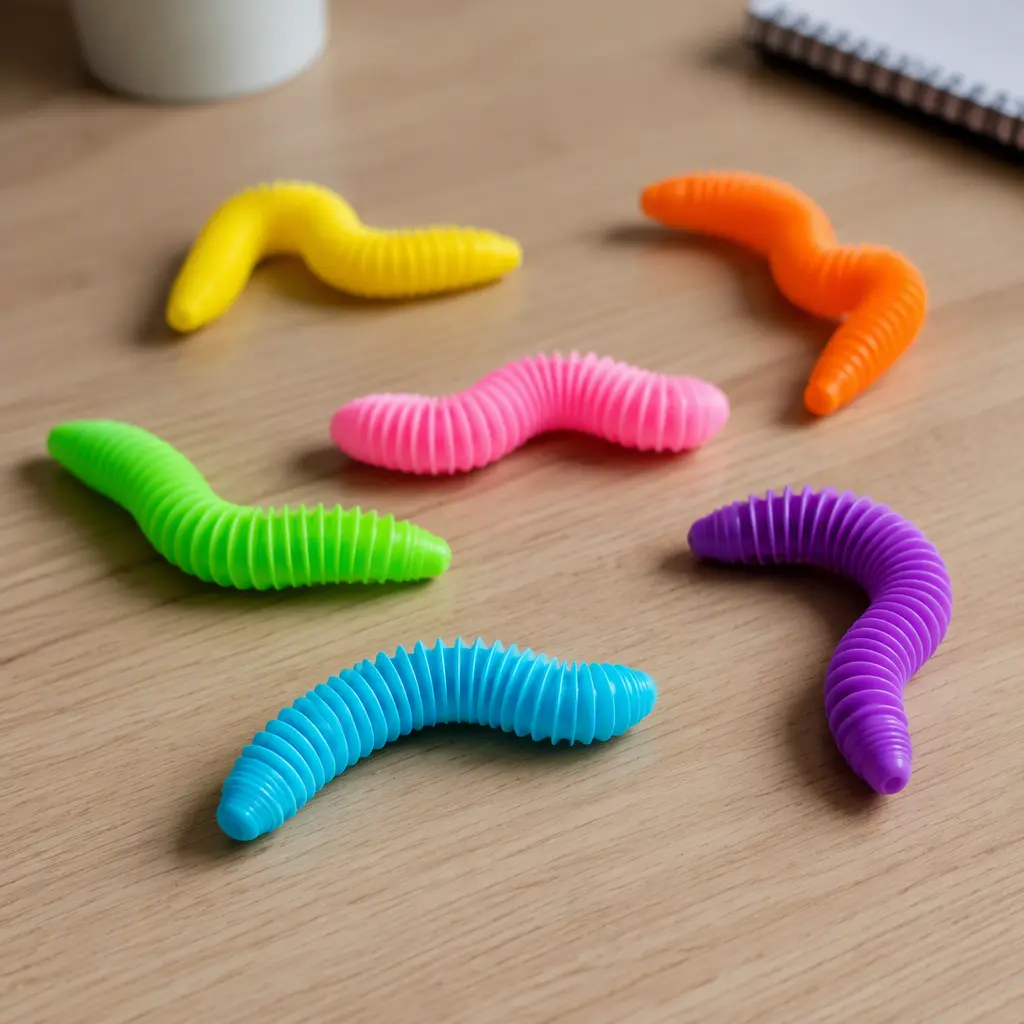
Contemporary · 2021
Fidget Worms turned simple tactile play into a modern desk-toy phenomenon. Their bendable, twistable design made them popular with kids, students, and adults looking for quick hands-on distraction.
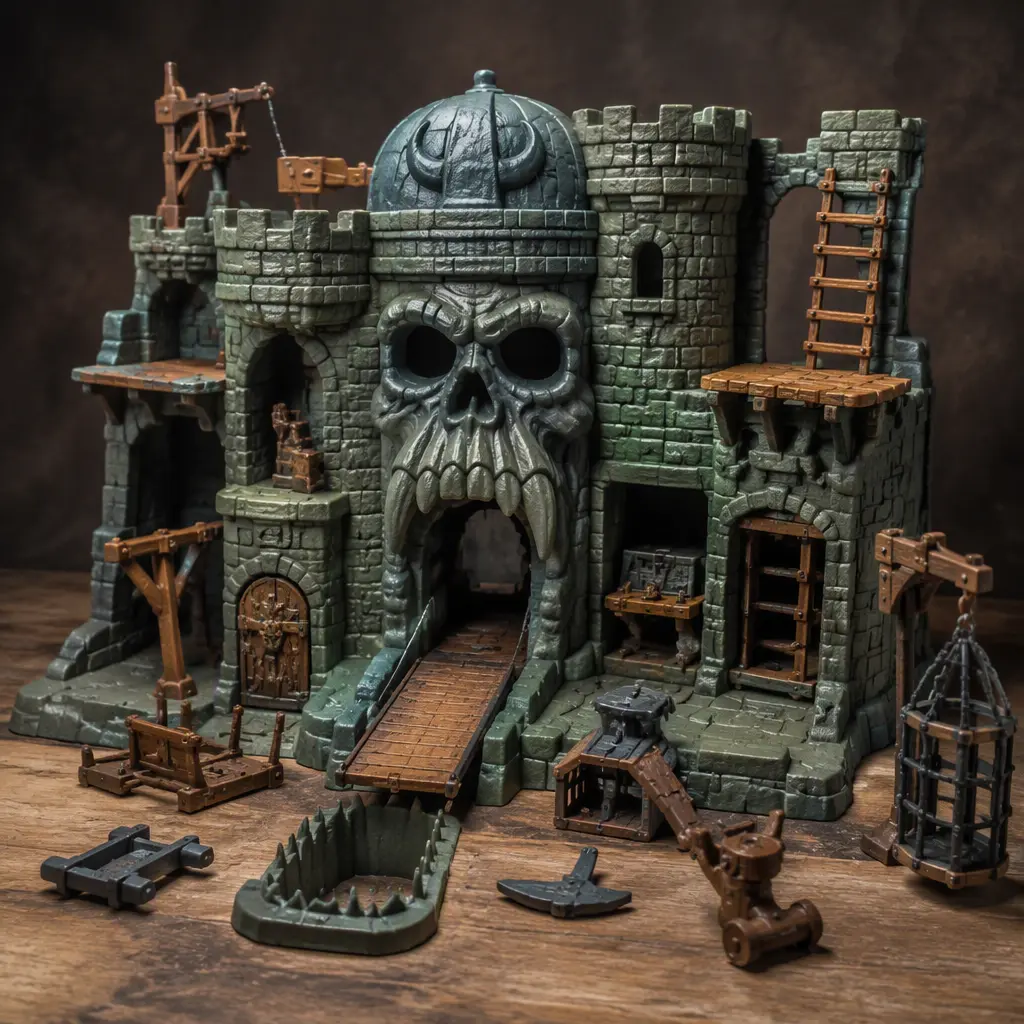
Classic · 1982
Castle Grayskull turned action figures into sprawling fantasy adventures with trap doors, secret chambers, and a design built for long-form storytelling in 1980s bedrooms.
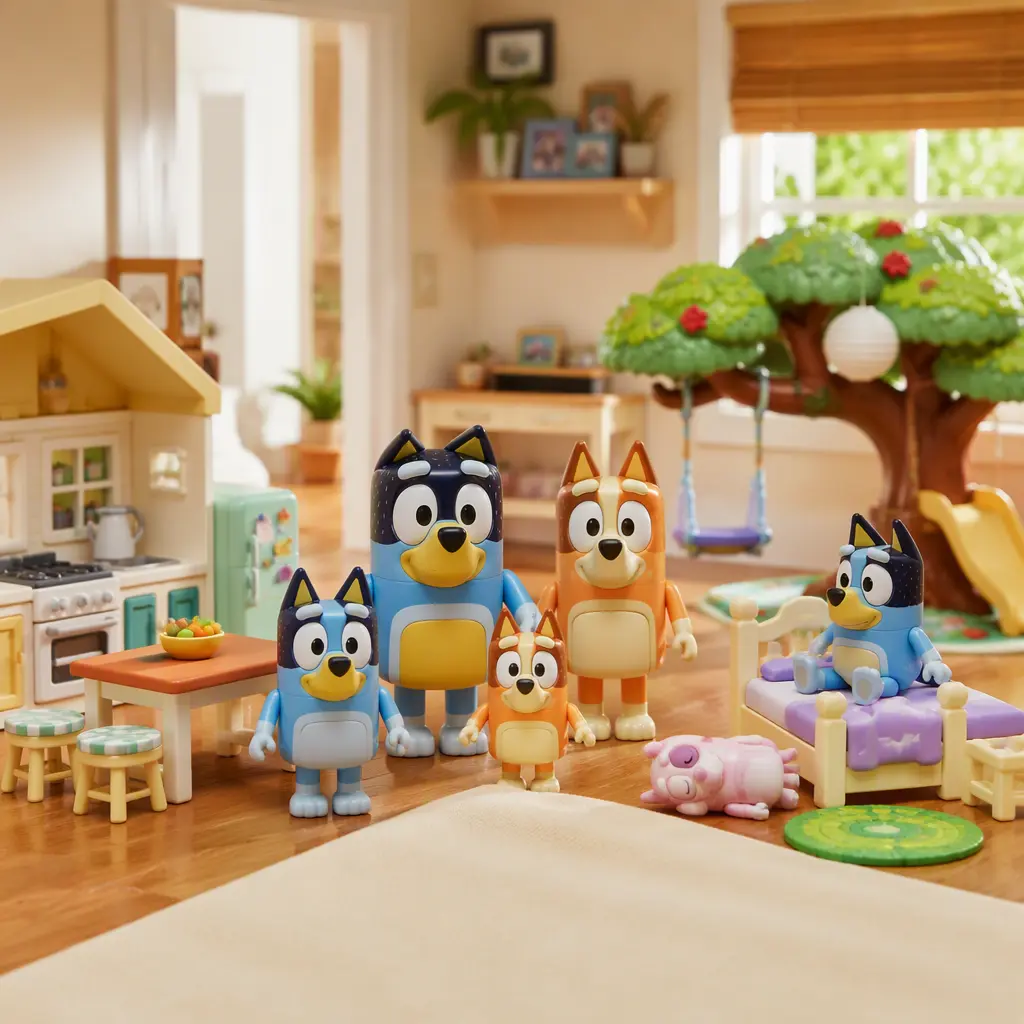
Contemporary · 2020
Bluey figure playsets turned familiar family routines into open-ended pretend play, helping a TV-inspired toy line connect with both children and parents in the contemporary toy aisle.
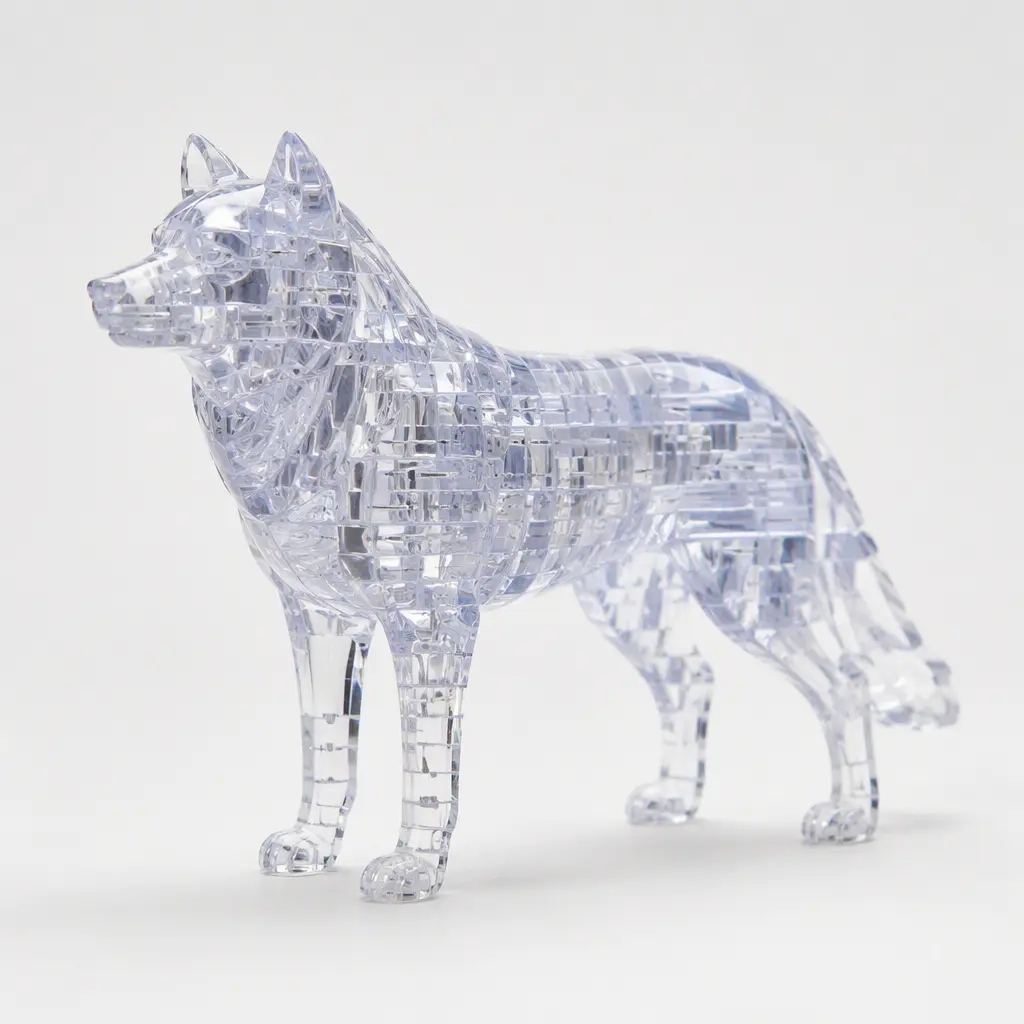
Modern · 2007
With translucent pieces and sculptural designs, 3D Crystal Puzzles turned tabletop brainteasers into decorative objects that appeal to both puzzle fans and casual collectors.
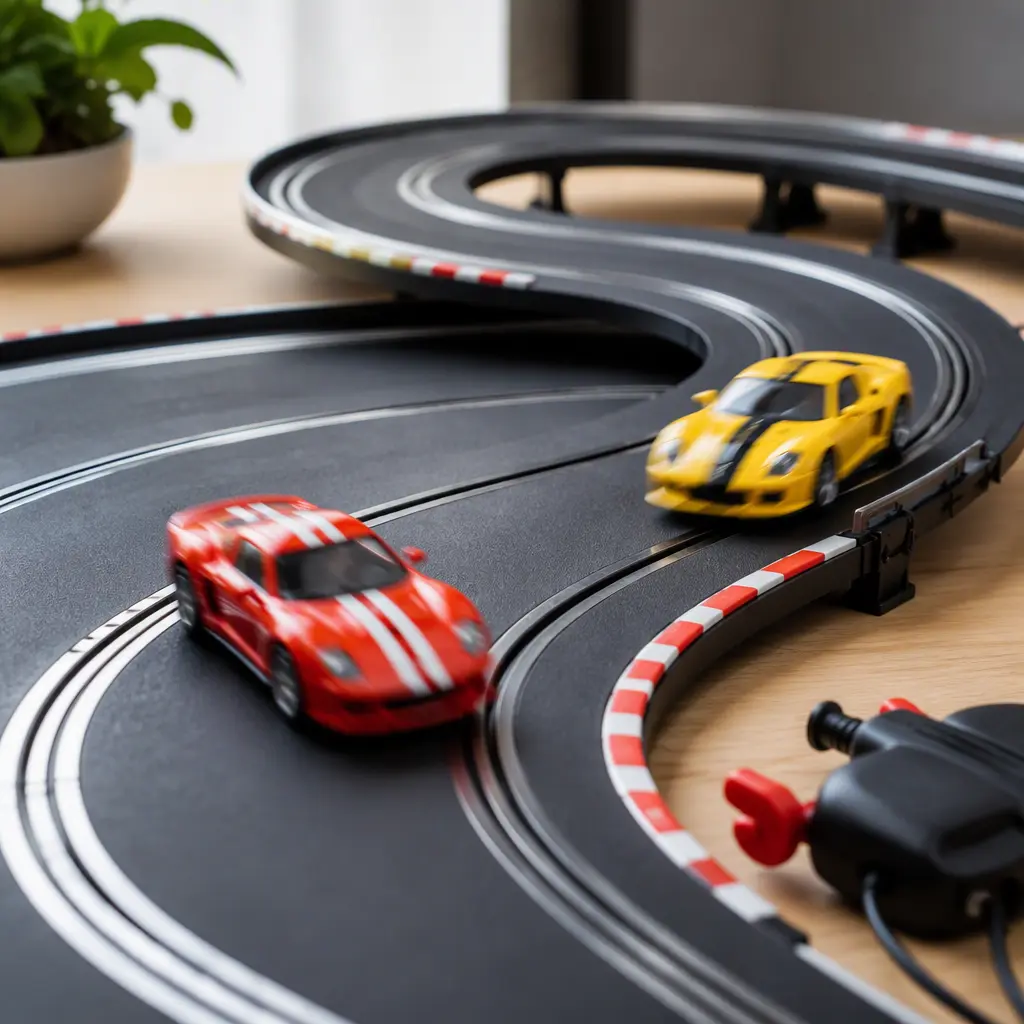
Modern · 2009
Designed for younger children, My First Scalextric simplified classic slot-car racing with gentler controls, durable cars, and easy-to-build tracks that brought family racing back to the living room.
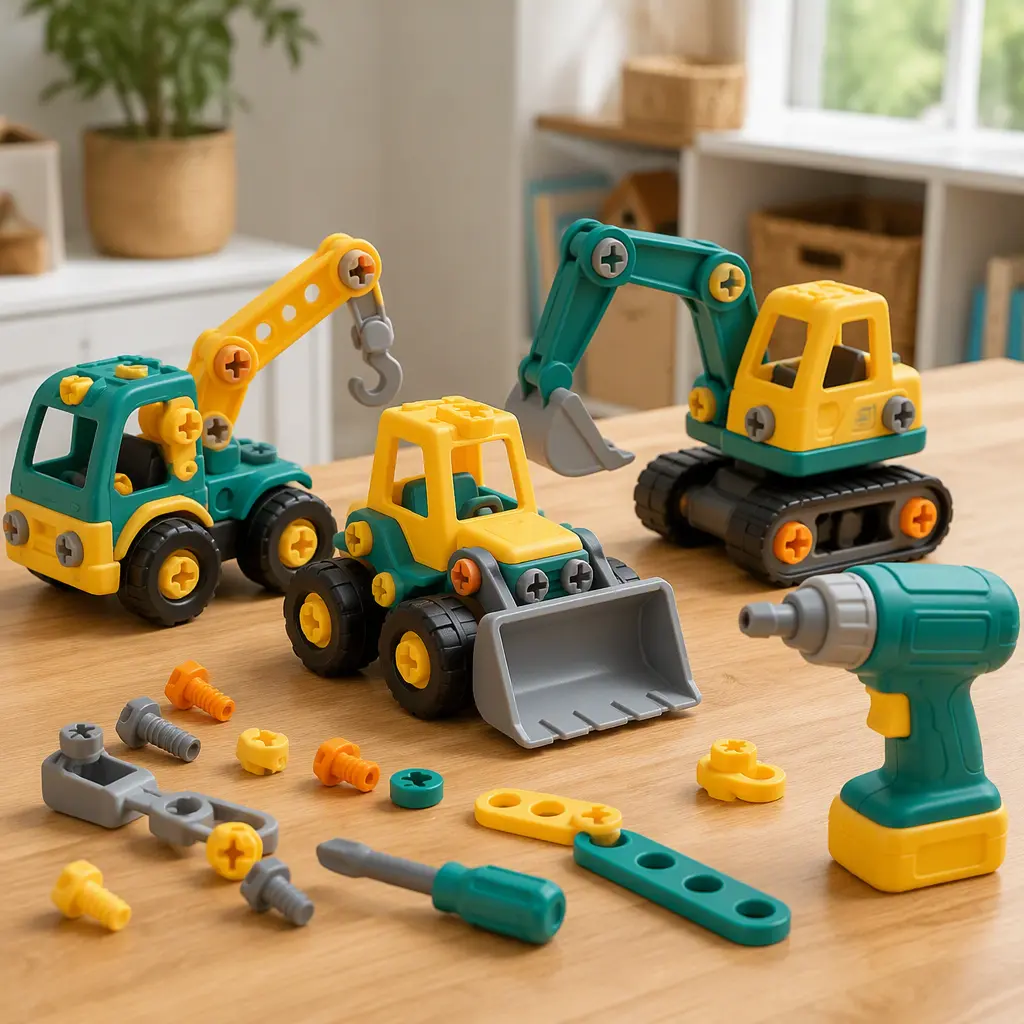
Modern · 2016
Battat’s Take-A-Part Vehicles turned toy drills and rebuildable machines into a hands-on preschool hit, blending pretend construction play with simple engineering concepts and repeatable problem-solving.
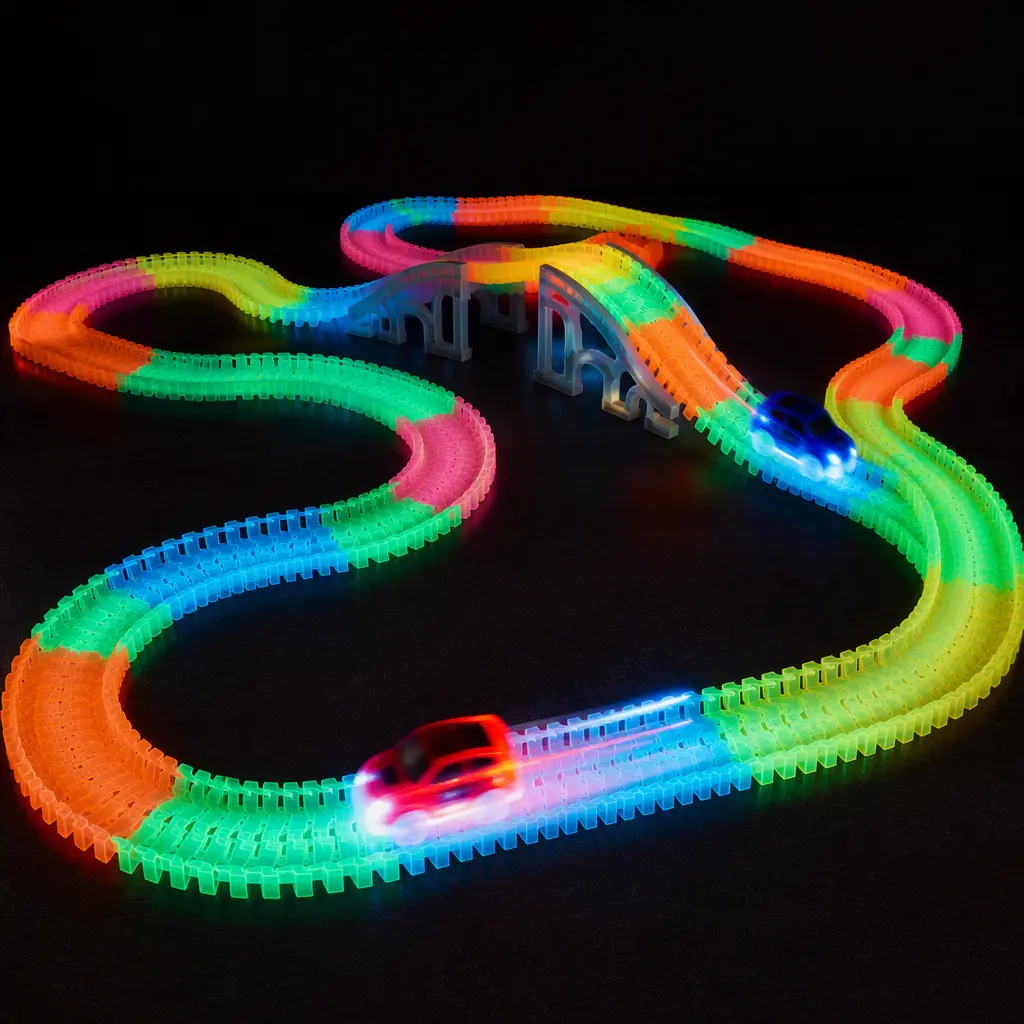
Modern · 2017
Magic Tracks turned the familiar toy car set into a bendable, glow-in-the-dark building activity, mixing racing play with simple construction in a format that spread quickly through modern toy aisles.
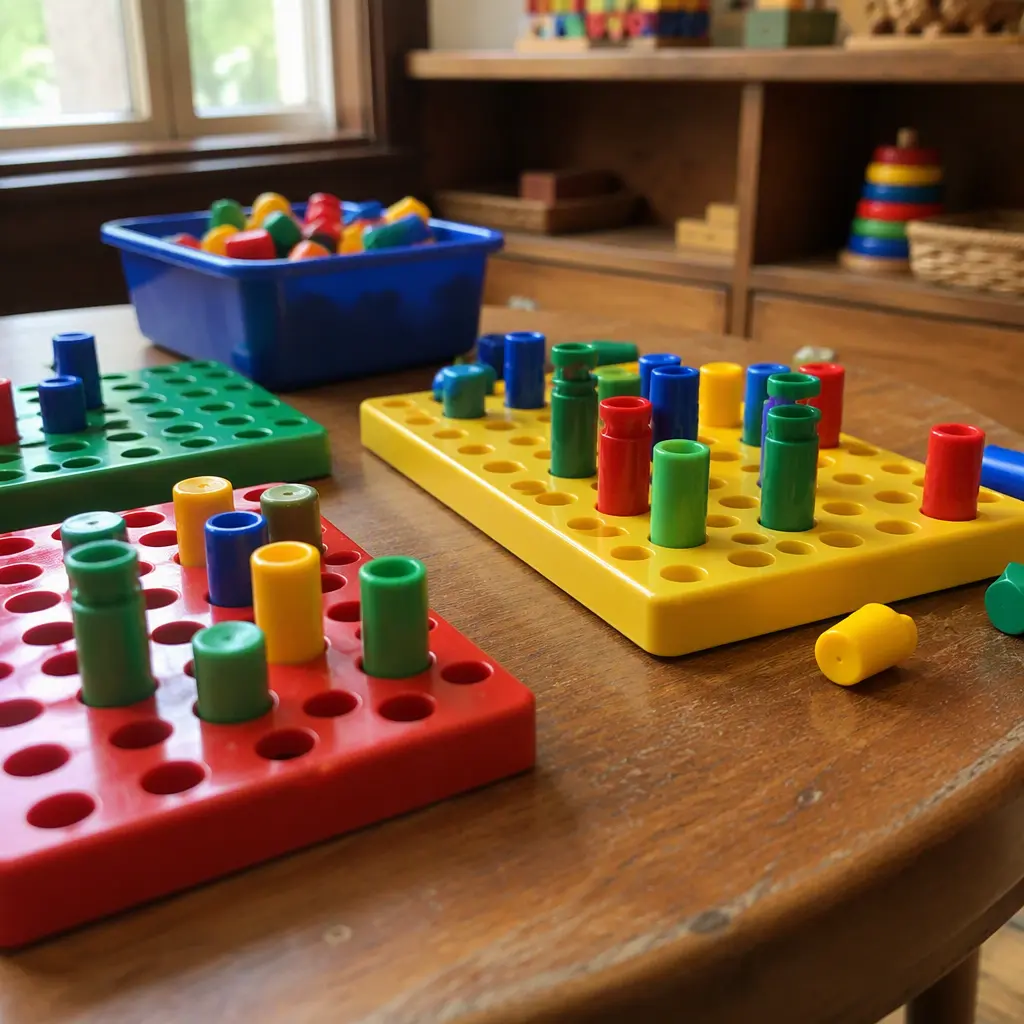
Classic · 1953
Lauri Pegboards turned a simple set of chunky pegs and sturdy boards into a lasting early-learning toy, helping generations of children build fine-motor skills through open-ended play.
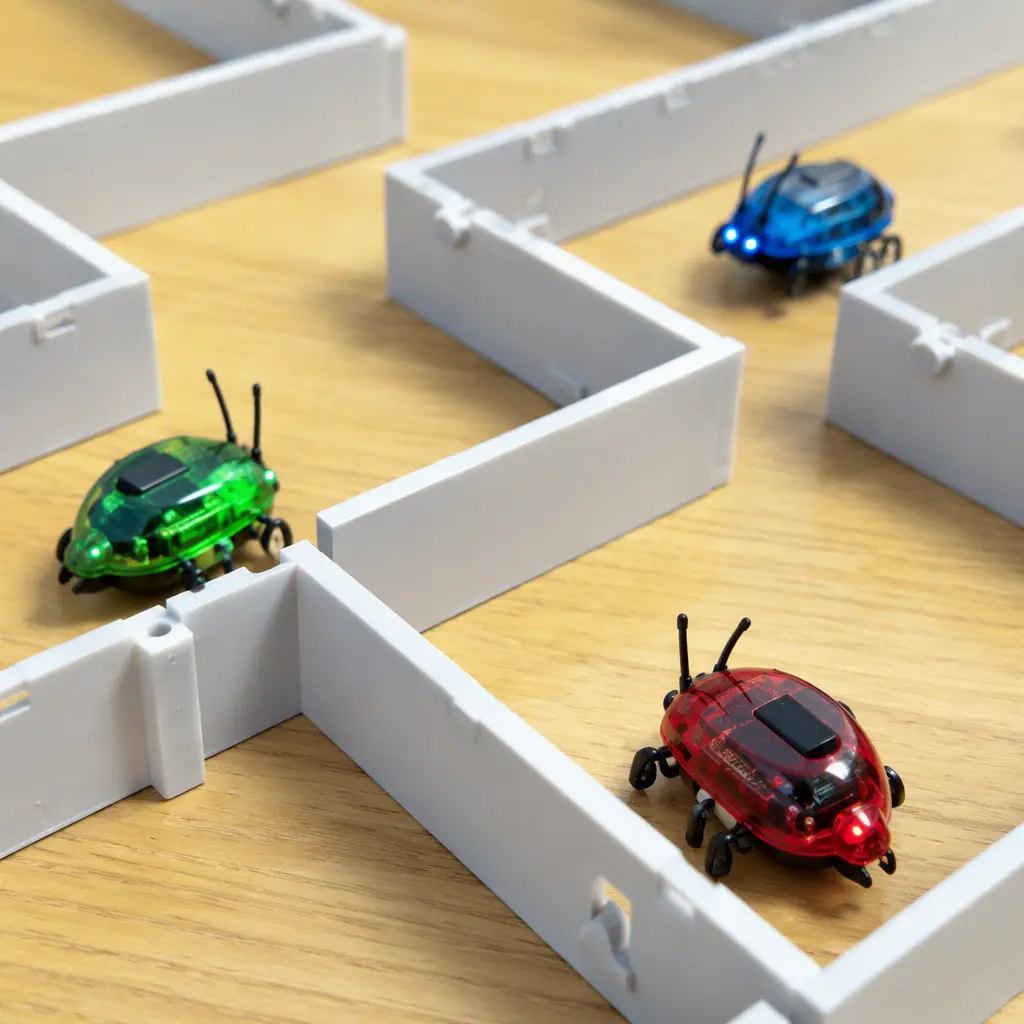
Contemporary · 2022
HEXBUG Nano Flash sped up the familiar bug-bot formula with brighter colors, quicker movement, and simple autonomous play that appealed to kids, collectors, and desk-toy fans alike.
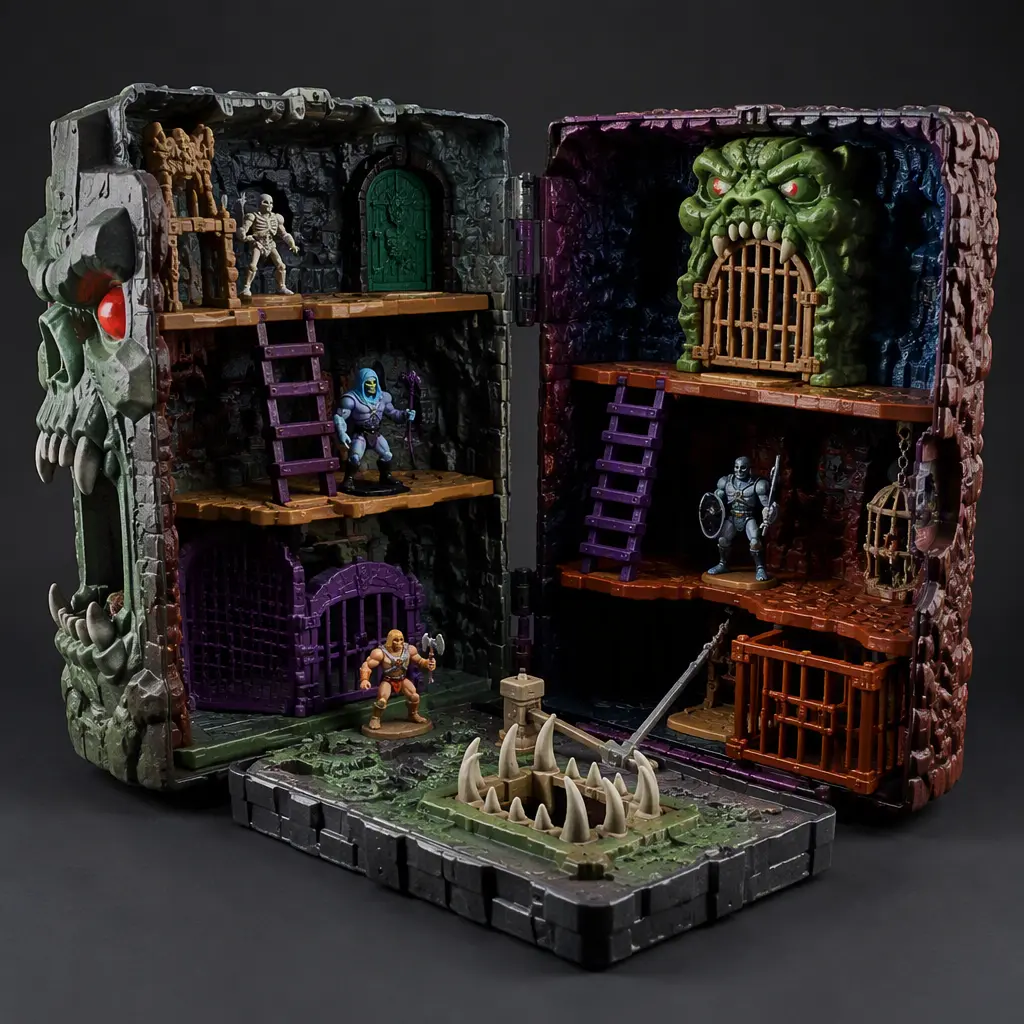
Classic · 1992
Mighty Max transformed compact toys into miniature adventure worlds in the early 1990s, blending monsters, traps, and fold-out environments into a collectible alternative to traditional dollhouse play.
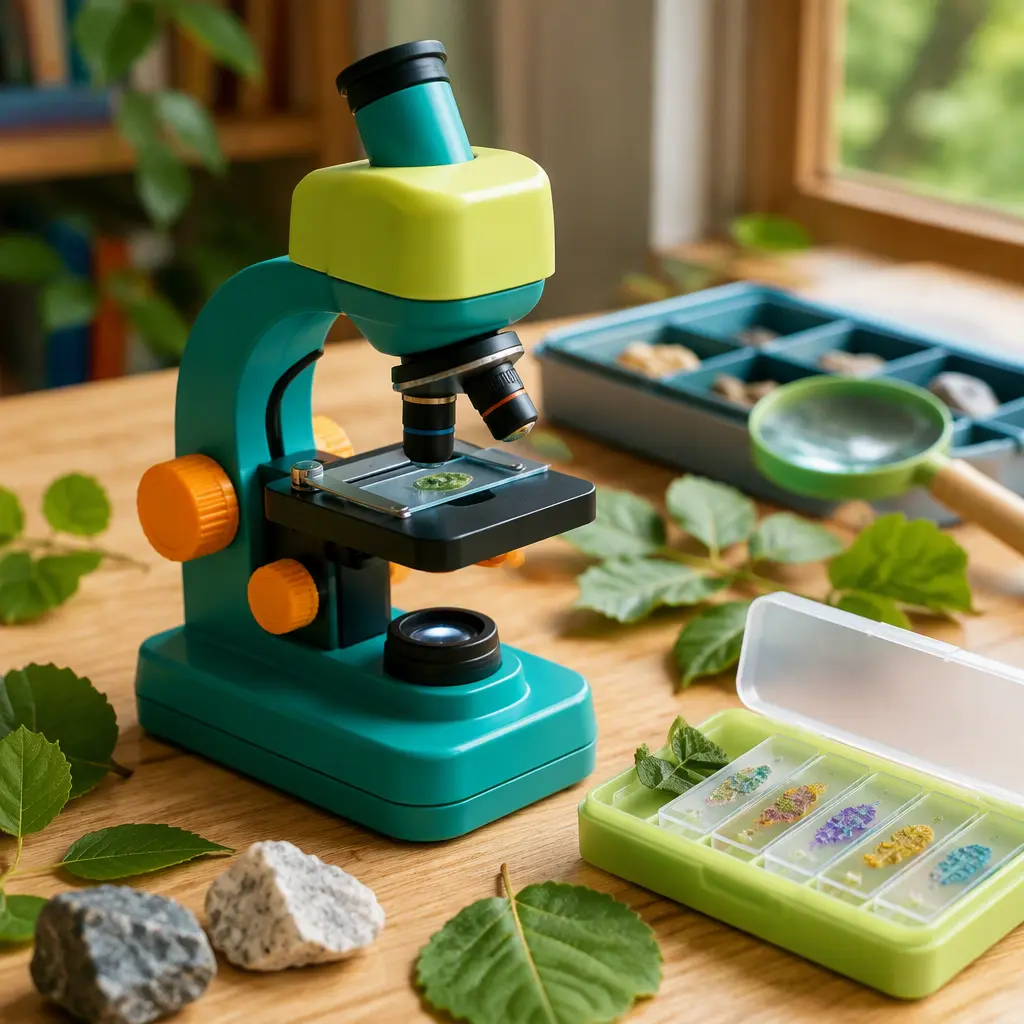
Modern · 2008
The GeoSafari Talking Microscope turned early science play into something approachable, mixing oversized controls, spoken facts, and real specimen viewing for curious young learners.
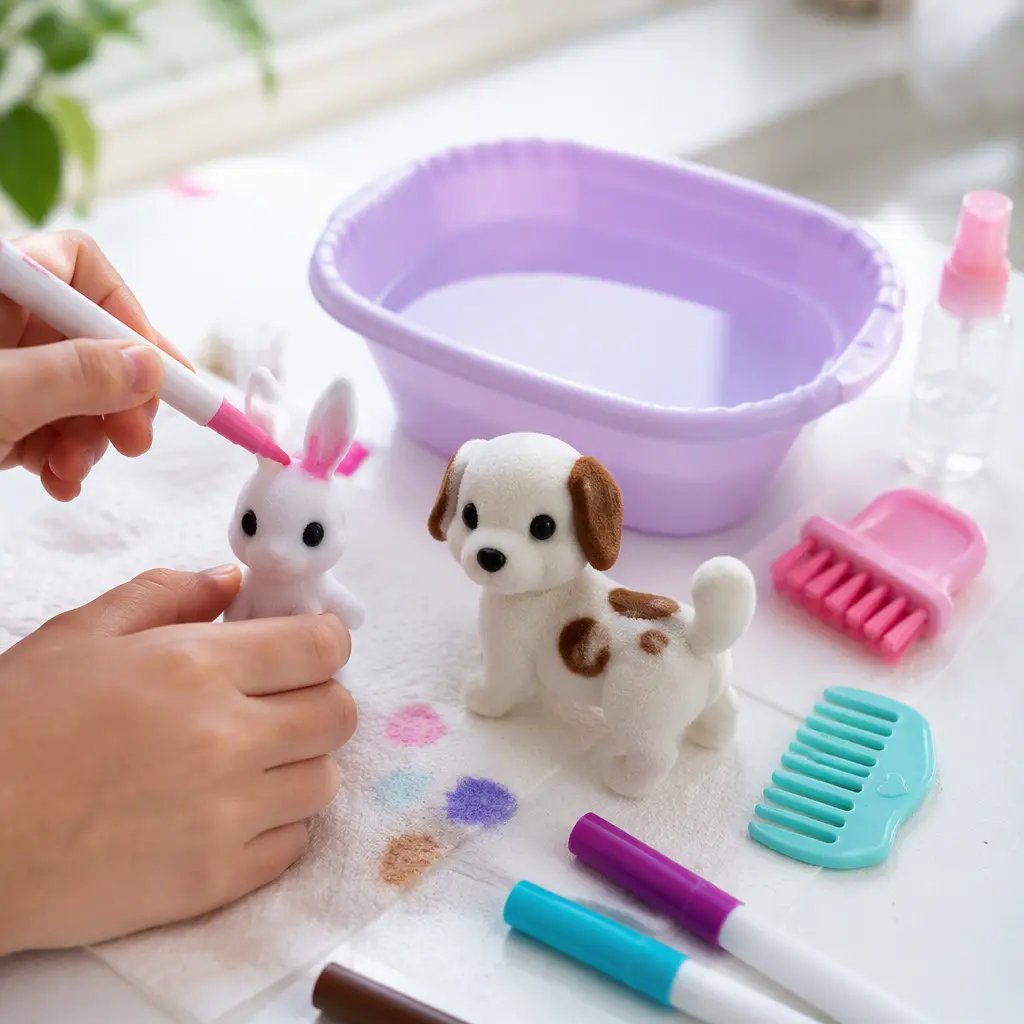
Modern · 2018
Scribble Scrubbie Pets turned washable markers and small flocked animals into a repeatable coloring activity that blends crafts, collecting, and low-pressure creative play.
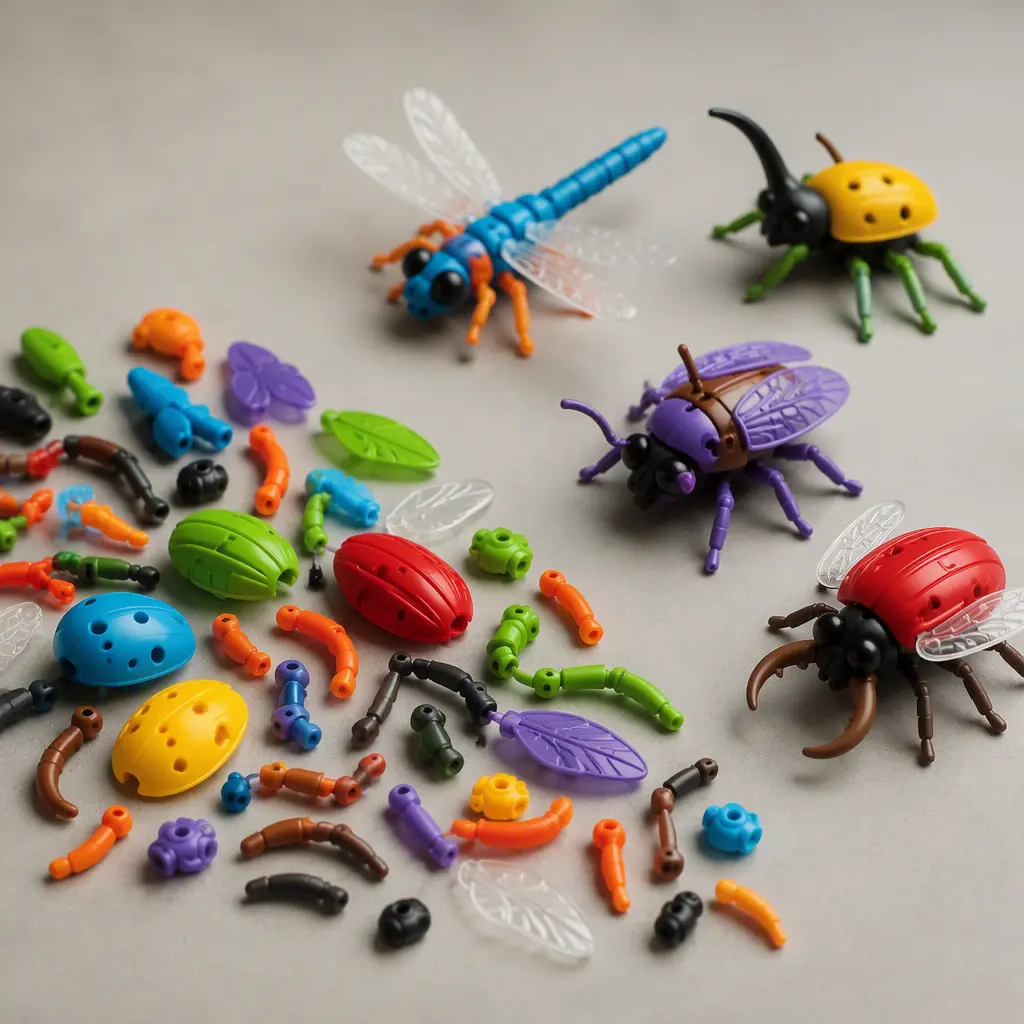
Classic · 1949
Cootie Bugs turned simple plastic bug parts into one of the earliest preschool board games. Its mix of luck, building, and silliness still makes it an easy first game for young kids.

Contemporary · 2021
Rainbow Pebbles turned simple balancing and stacking into a flexible creative activity, blending construction play, color sorting, and problem-solving for kids and adults alike.
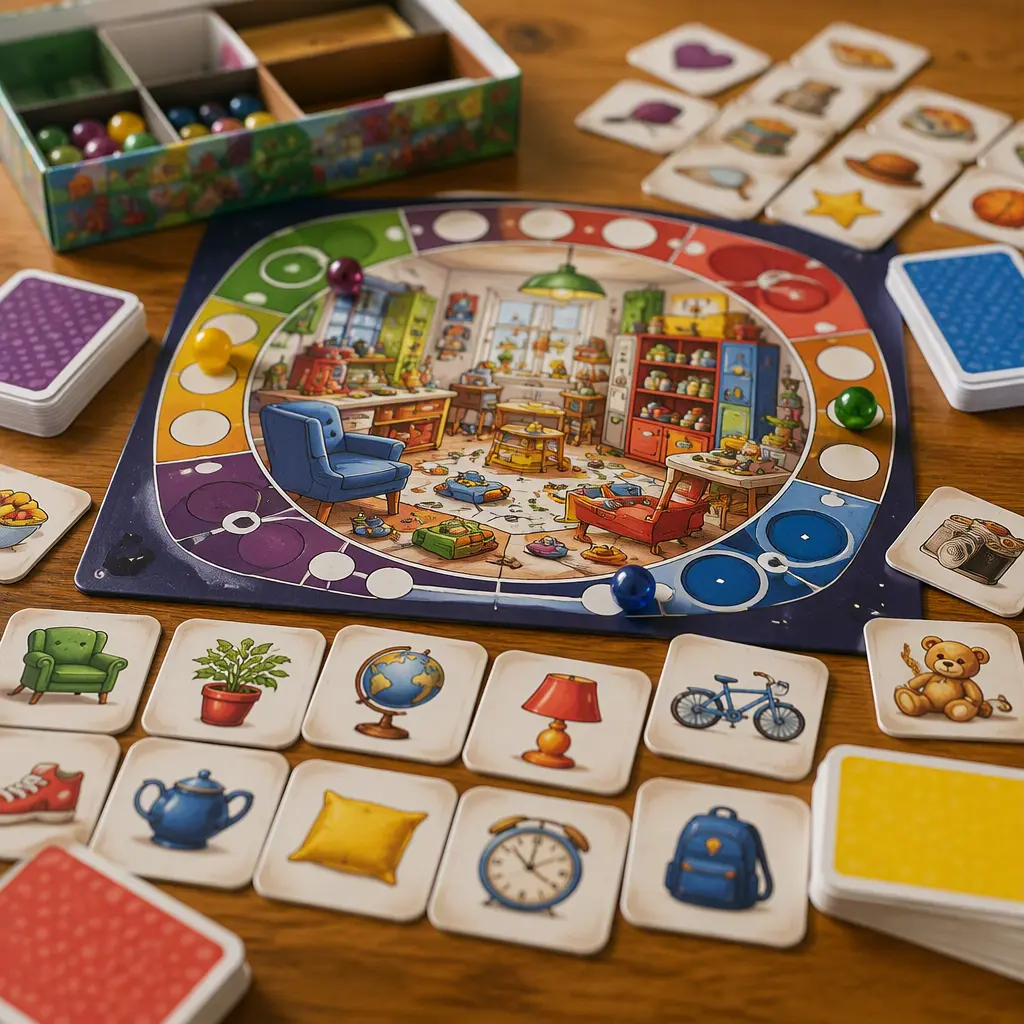
Modern · 2003
Briarpatch I Spy Eagle Eye turned the visual puzzles of the popular picture books into a fast family board game, blending sharp observation, quick reactions, and accessible play for mixed ages.
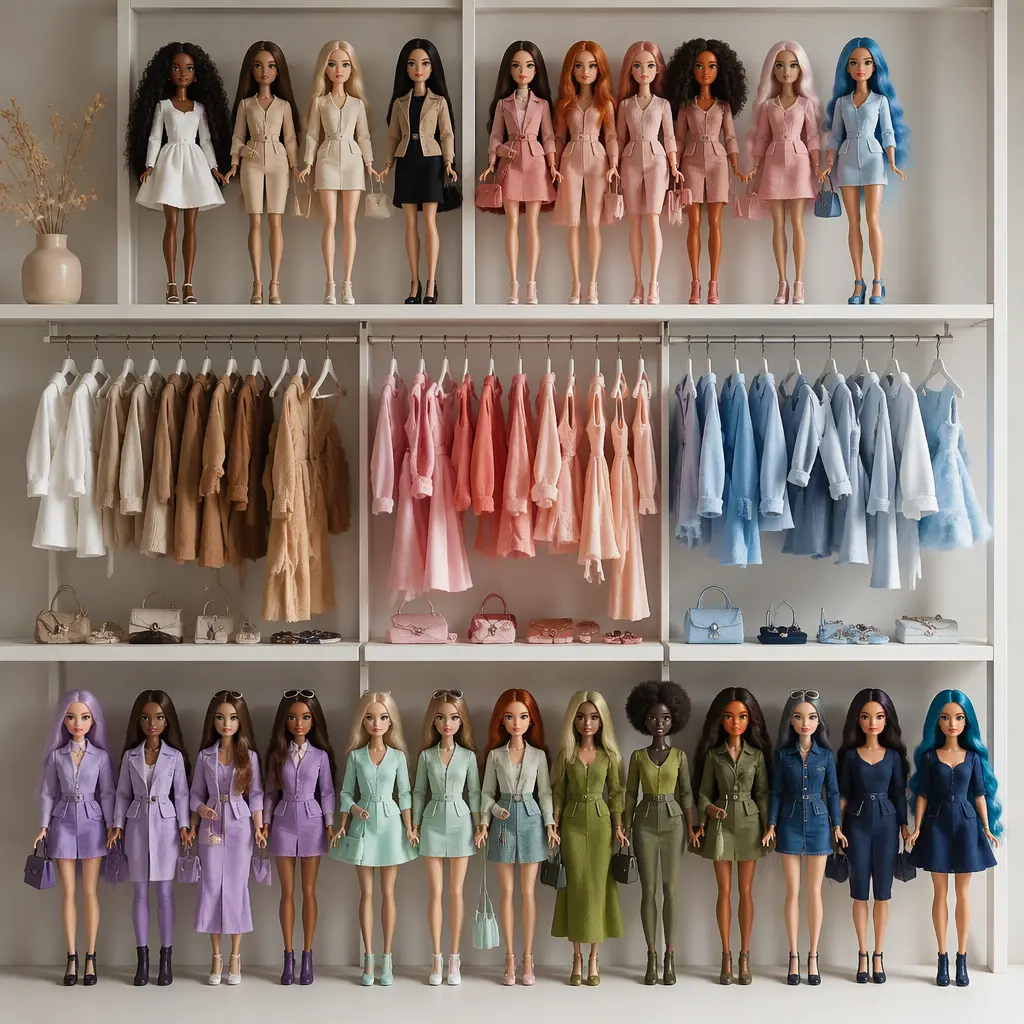
Contemporary · 2020
Rainbow High arrived in 2020 with a simple idea: each doll represents a distinct color world. The fashion-focused line blended collectible styling, social-media appeal, and detailed outfits to stand out in a crowded doll aisle.
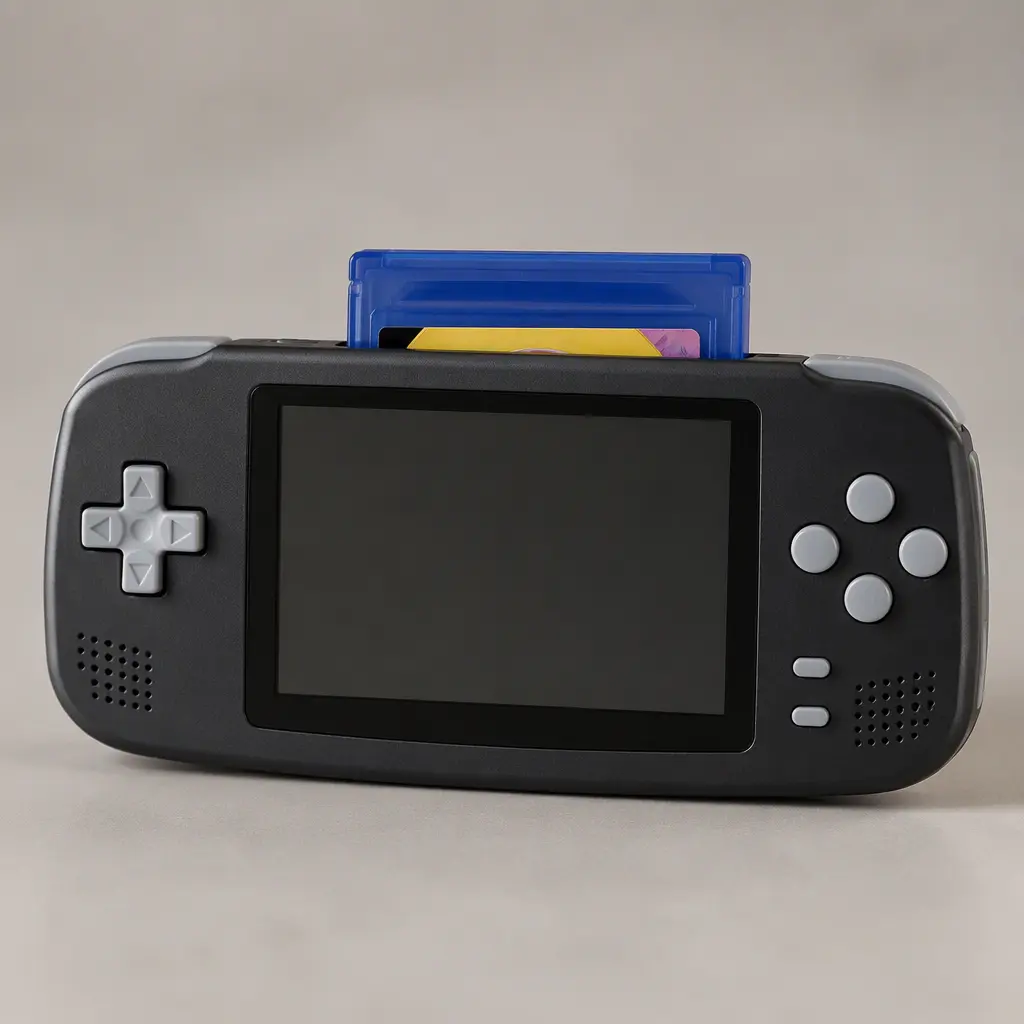
Modern · 2001
Nintendo’s 2001 Game Boy Advance blended classic cartridge gaming with faster hardware and portable design, creating a handheld that linked the arcade-inspired past to modern mobile play.
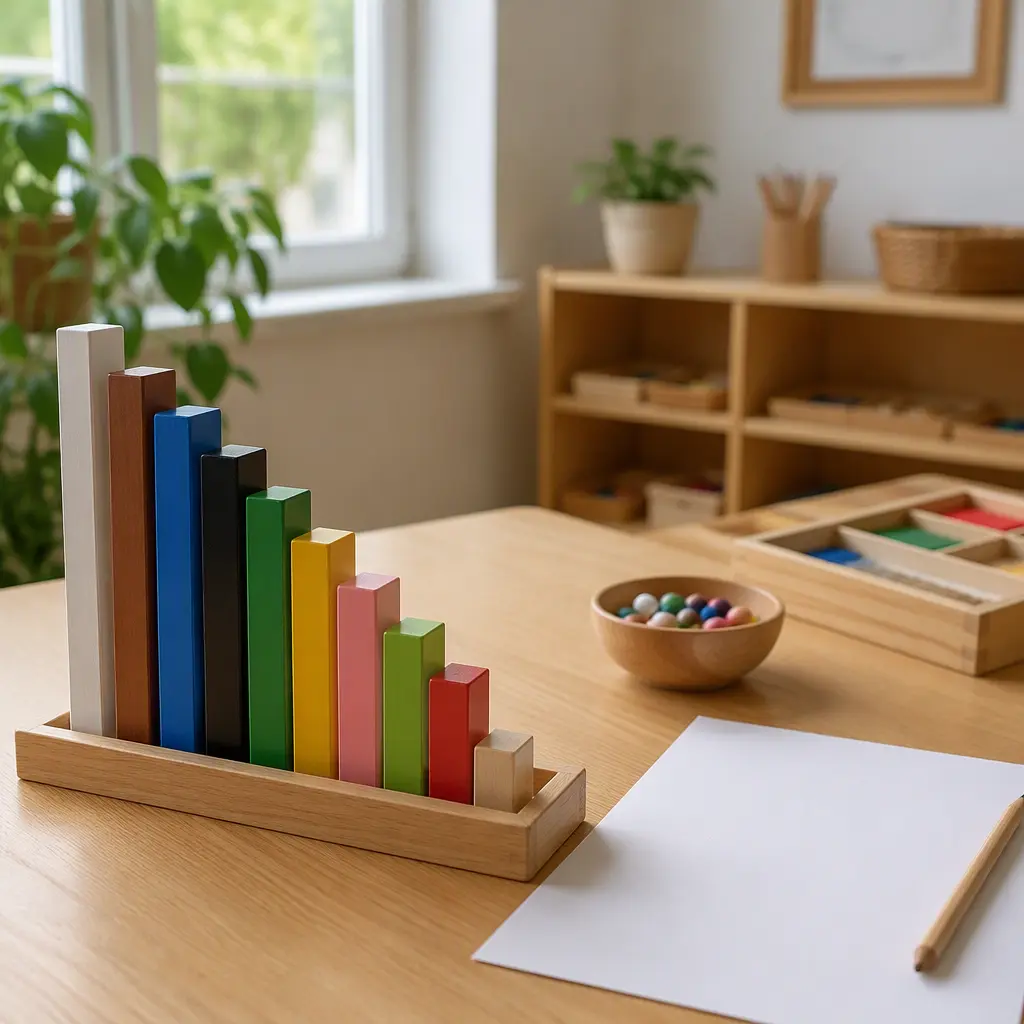
Classic · 1952
Invented in the early 1950s, Cuisenaire Rods turned arithmetic into a hands-on visual system. Their simple color-coded design still shapes classrooms, tutoring, and home learning today.
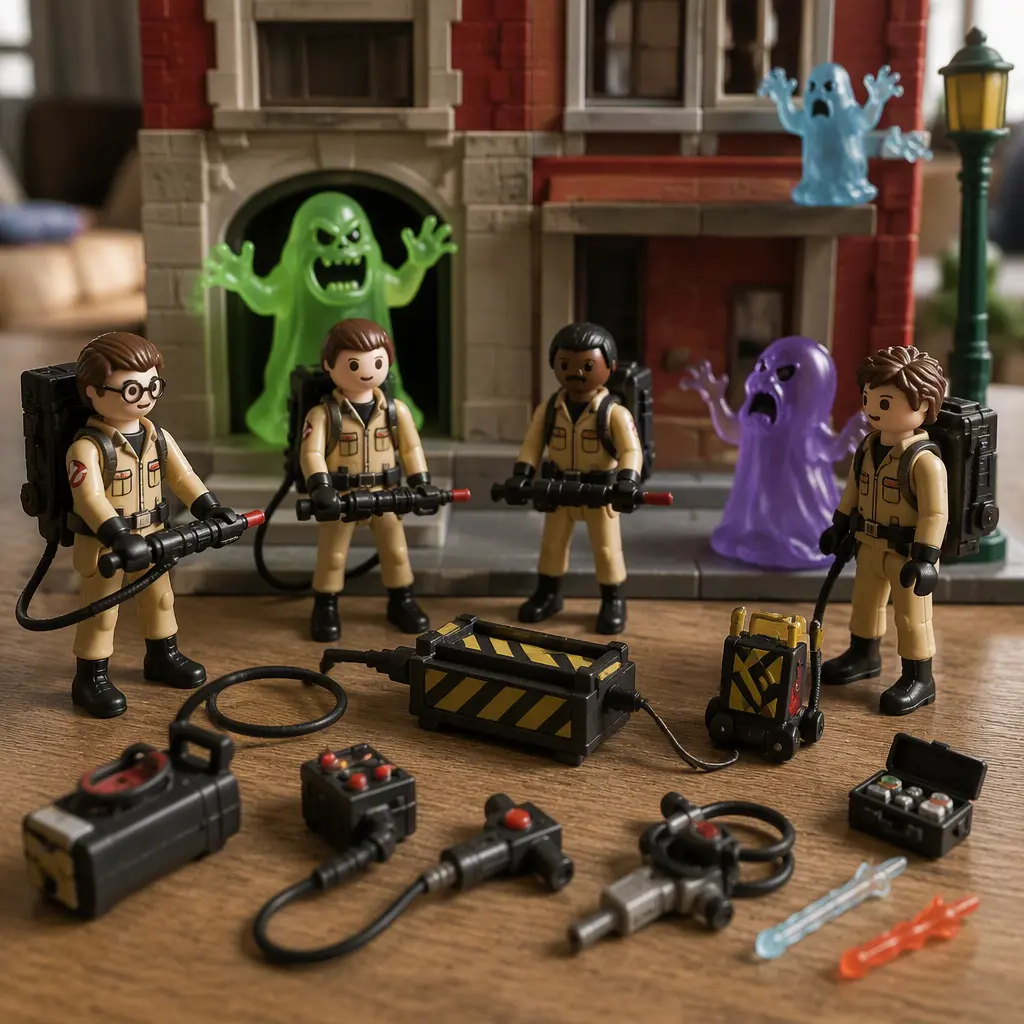
Modern · 2017
Playmobil’s Ghostbusters sets turned an 1980s film franchise into open-ended pretend play, blending retro nostalgia with modular toys built for a new generation of imaginative storytelling.
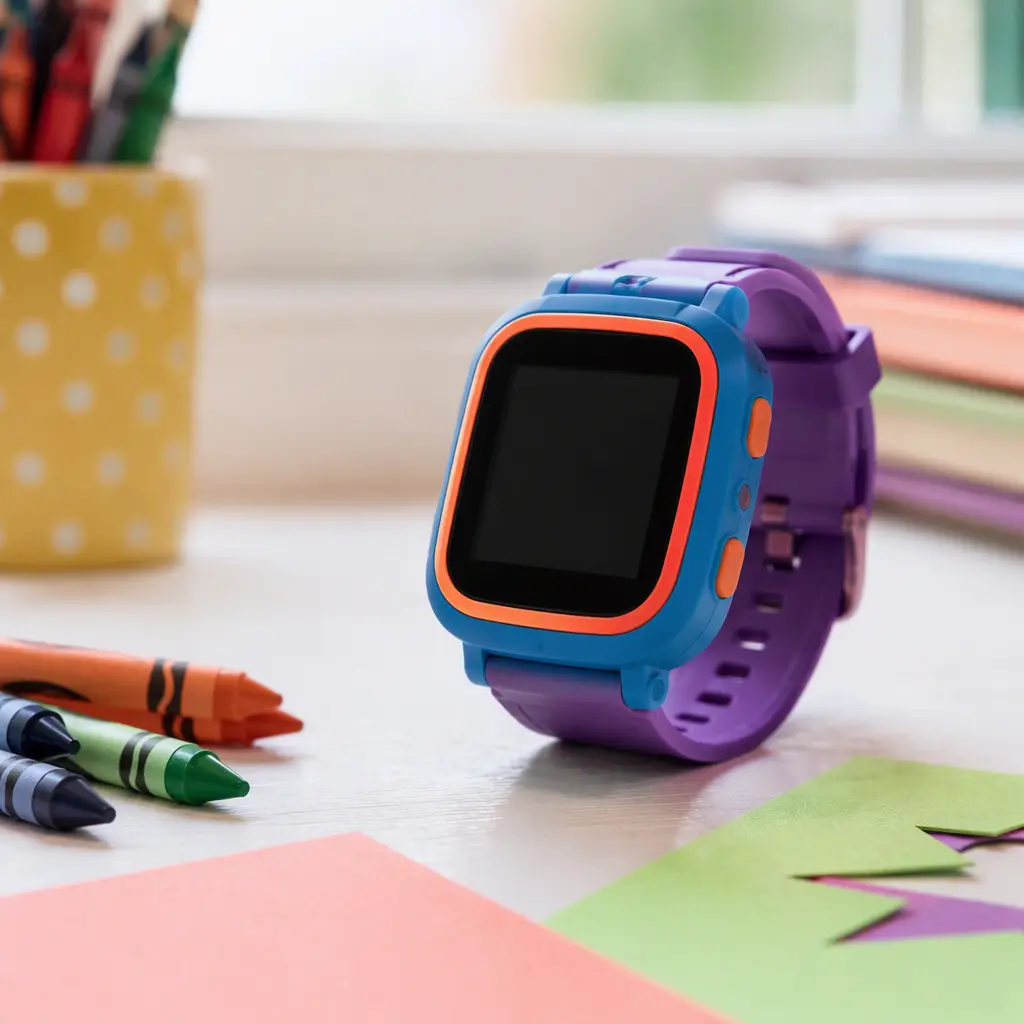
Modern · 2014
The KidiZoom Smartwatch turned the idea of a smartwatch into something playful for children, mixing cameras, games, and simple tools into a durable wearable aimed at curiosity instead of constant connectivity.
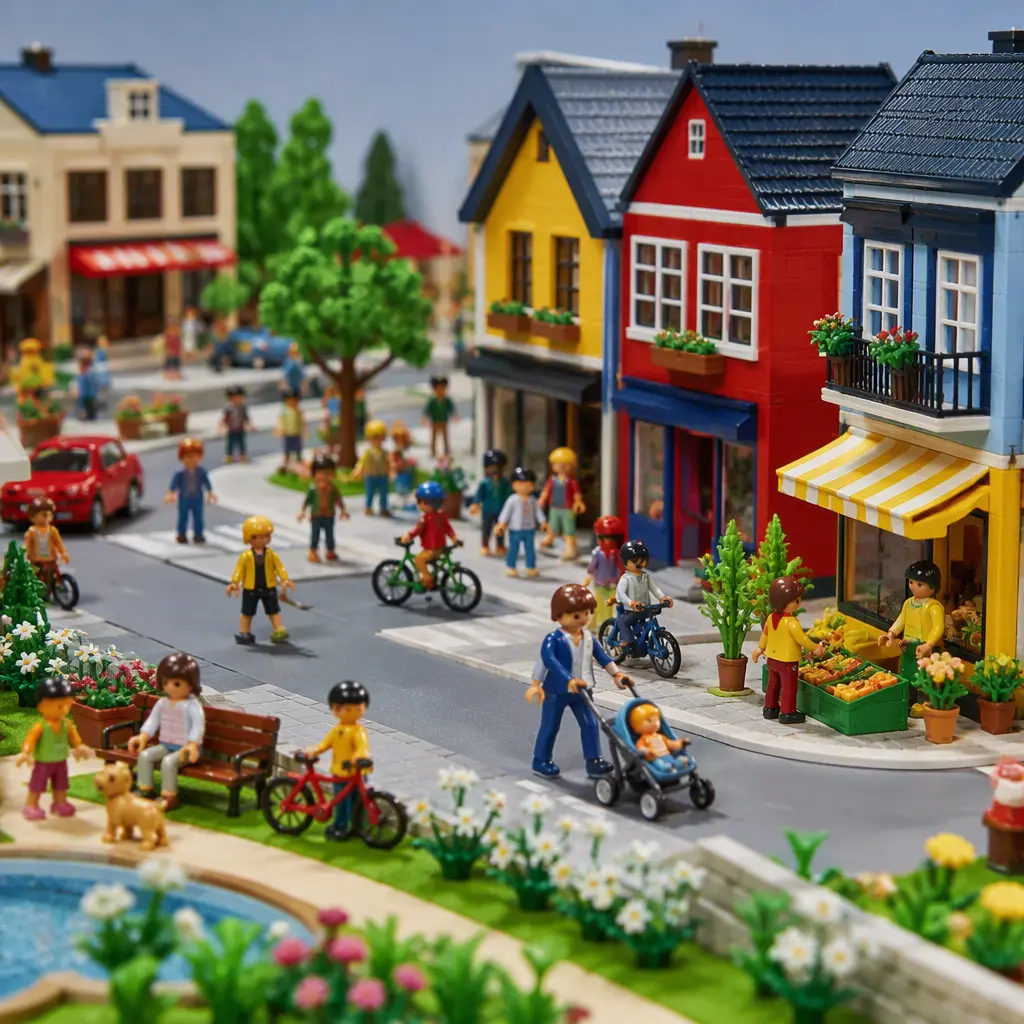
Modern
Playmobil City Life turned ordinary places into detailed play worlds, helping open-ended storytelling compete with screens through flexible figures, routines, and realistic settings.
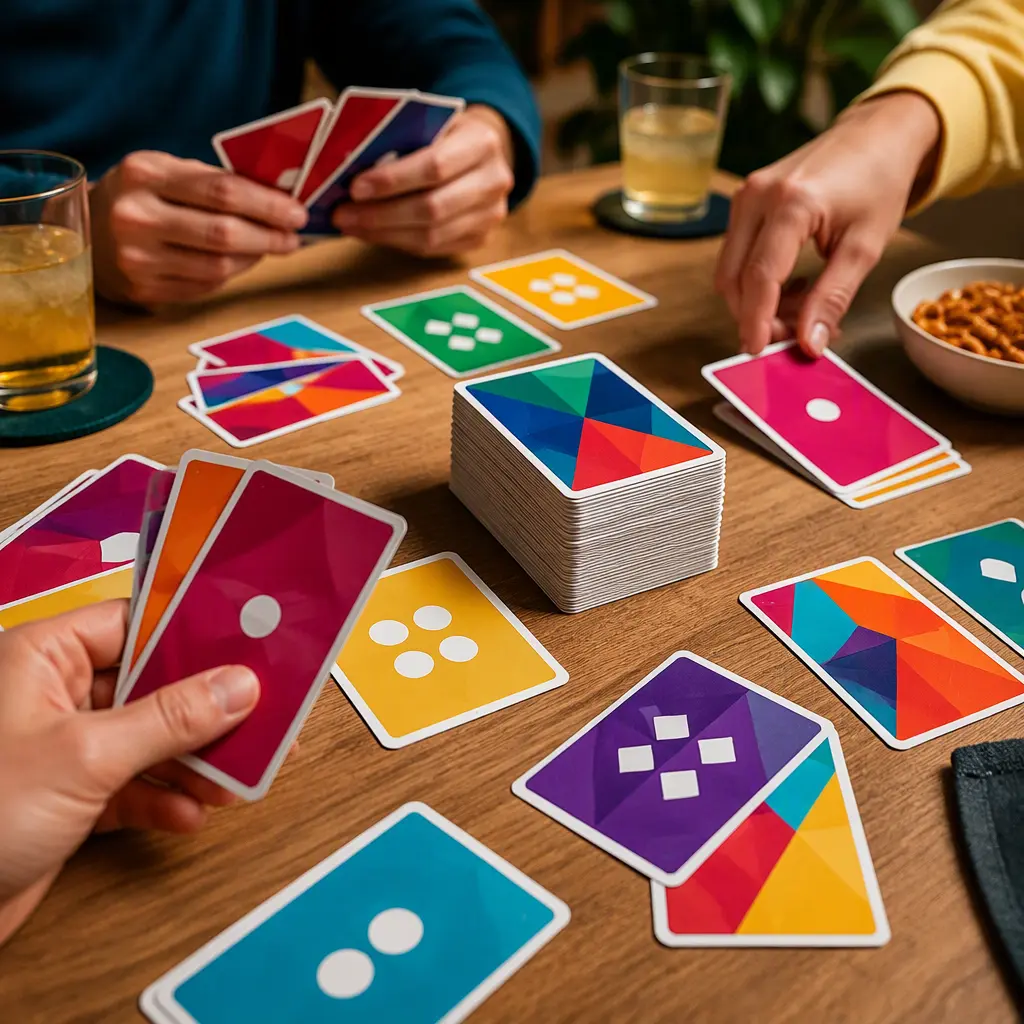
Contemporary · 2023
UNO Show ’em No Mercy turned a familiar card game into a louder, harsher party-night challenge with stacked penalties, faster eliminations, and social-media-ready chaos.
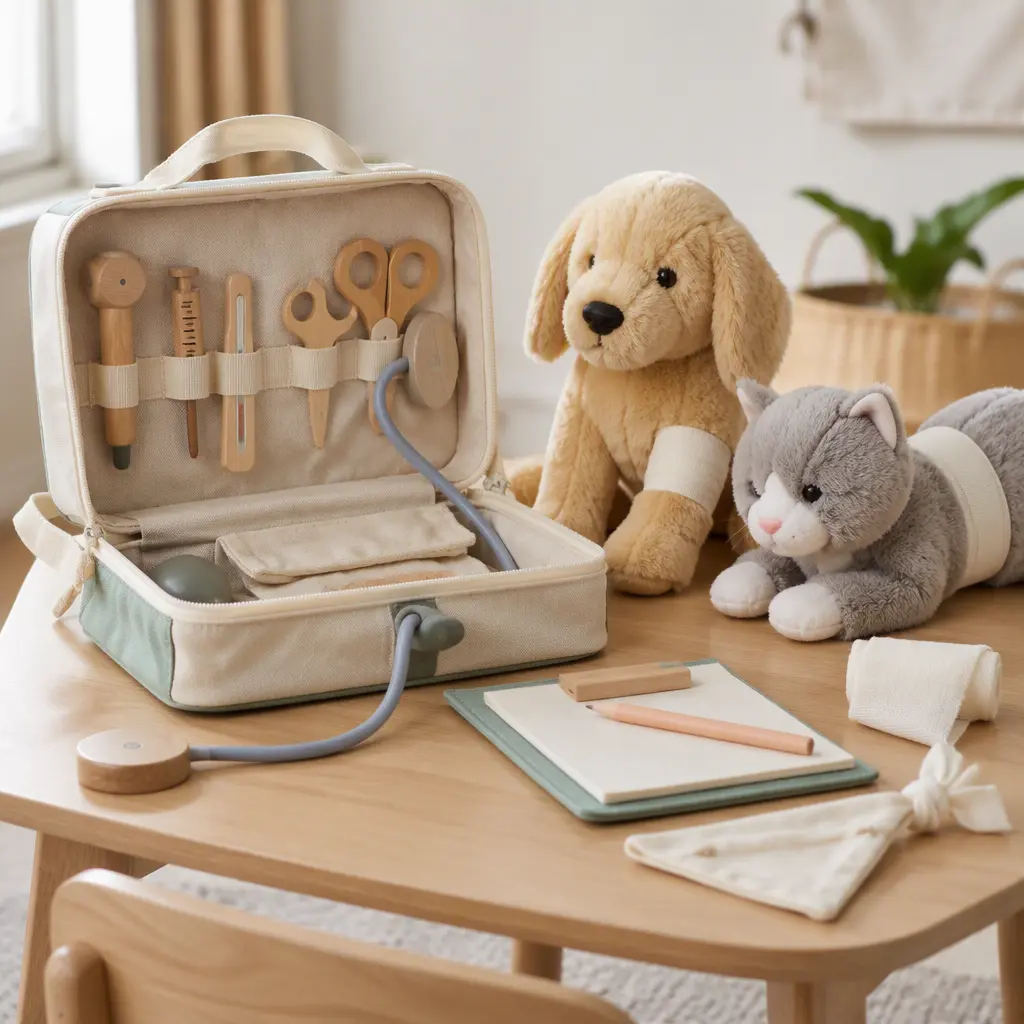
Modern
The Melissa & Doug Examine and Treat Pet Vet Play Set helped popularize gentle, empathy-focused pretend play with soft animal patients, reusable tools, and open-ended roleplay.
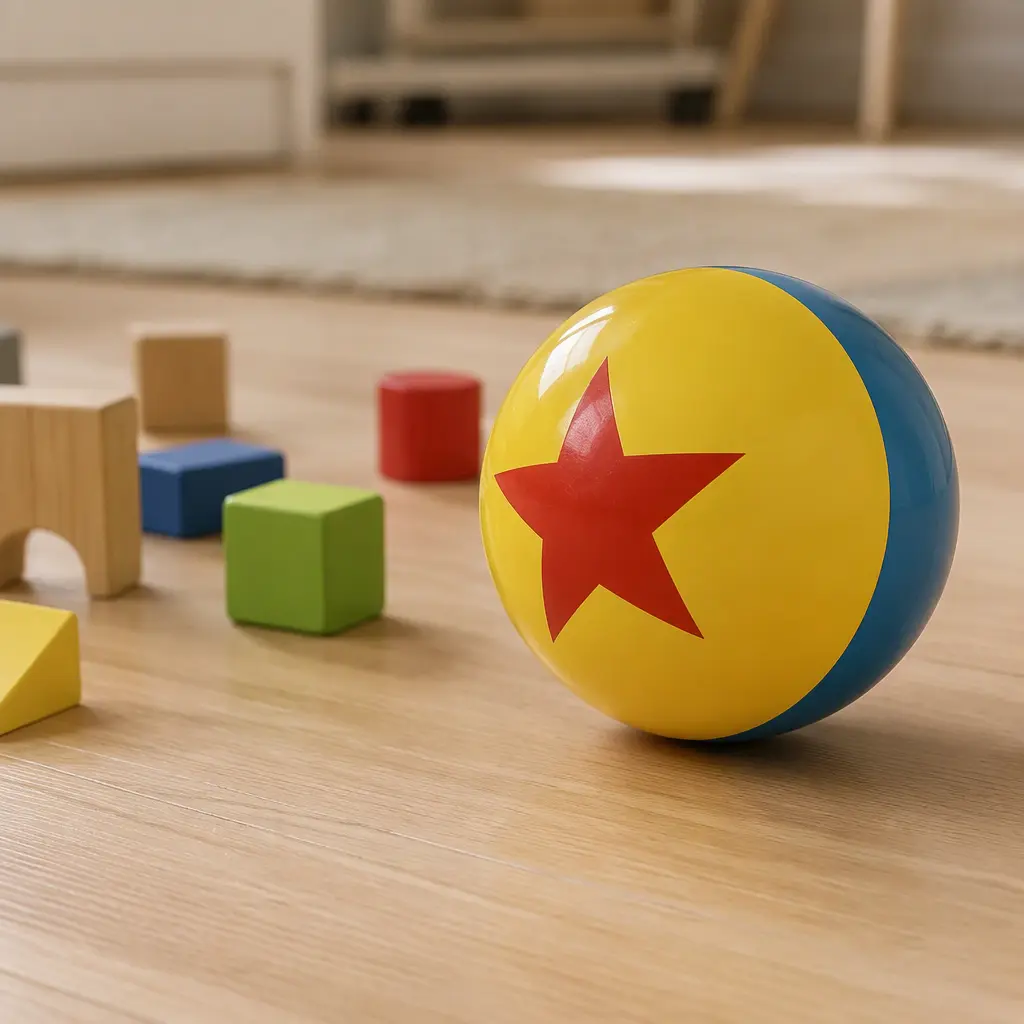
Contemporary
A simple yellow ball with a blue stripe and red star pattern became one of animation’s most recognizable toy designs, bridging film culture, childhood nostalgia, and collectible play.
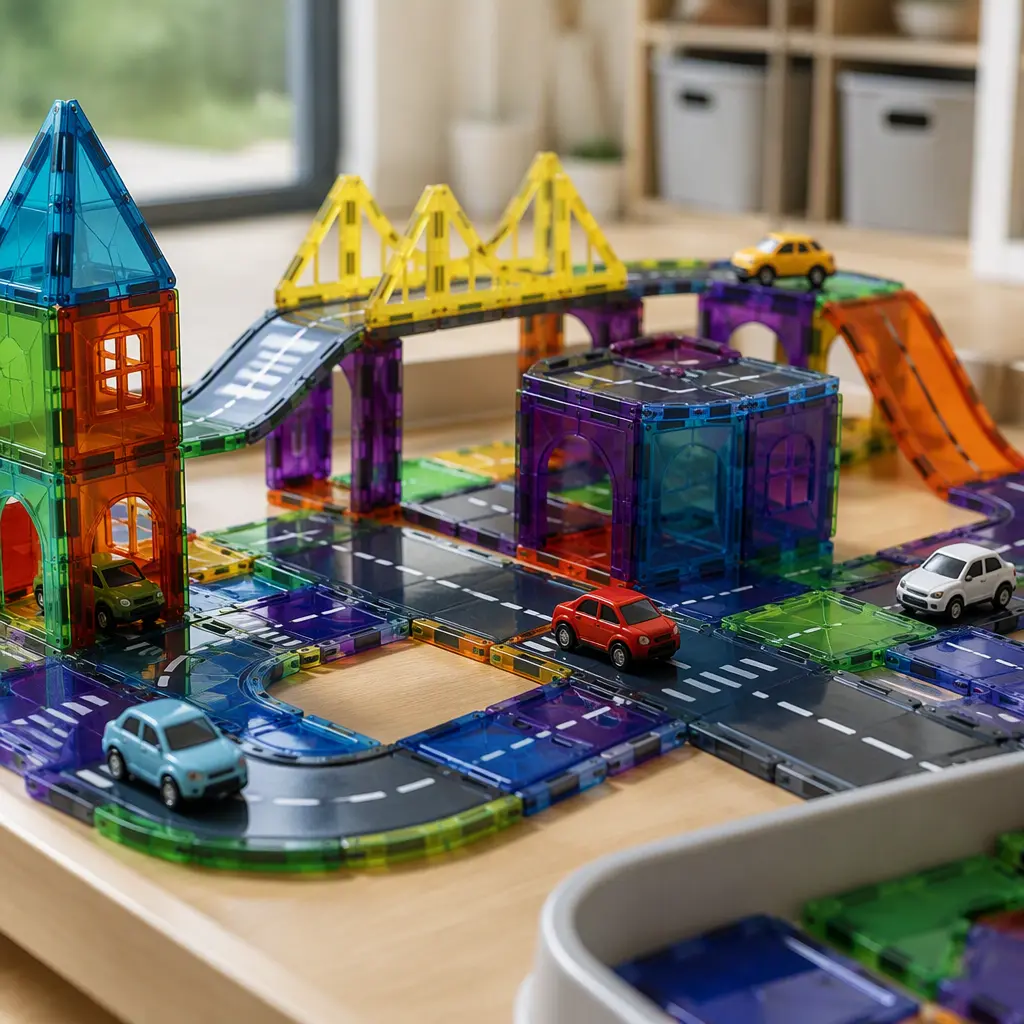
Contemporary · 2022
Road-themed magnetic tiles turn open-ended construction into small-scale urban planning, blending vehicle play, engineering, and imaginative storytelling for modern families.
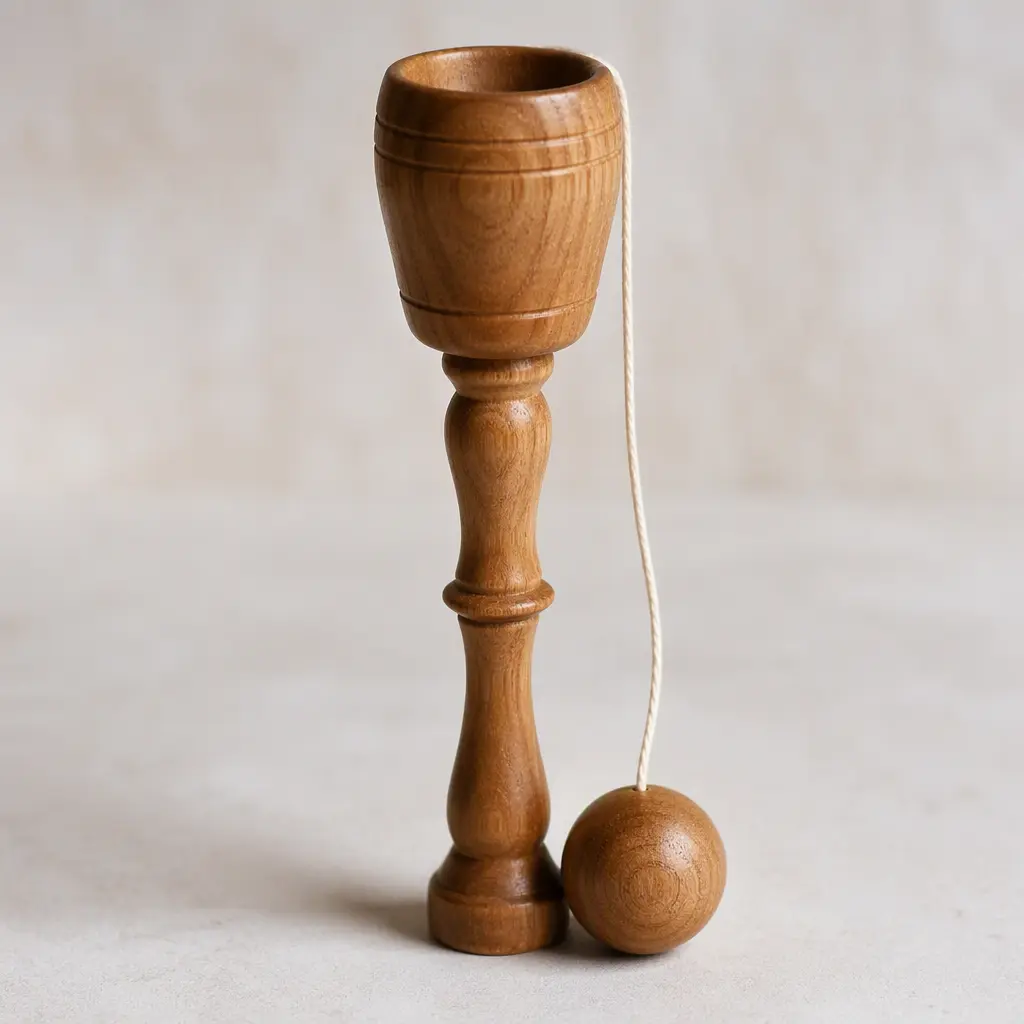
Classic
The kendama has existed in various forms for centuries, but short-form video turned the wooden cup-and-ball toy into a modern trick phenomenon shared by kids, teens, and adults.
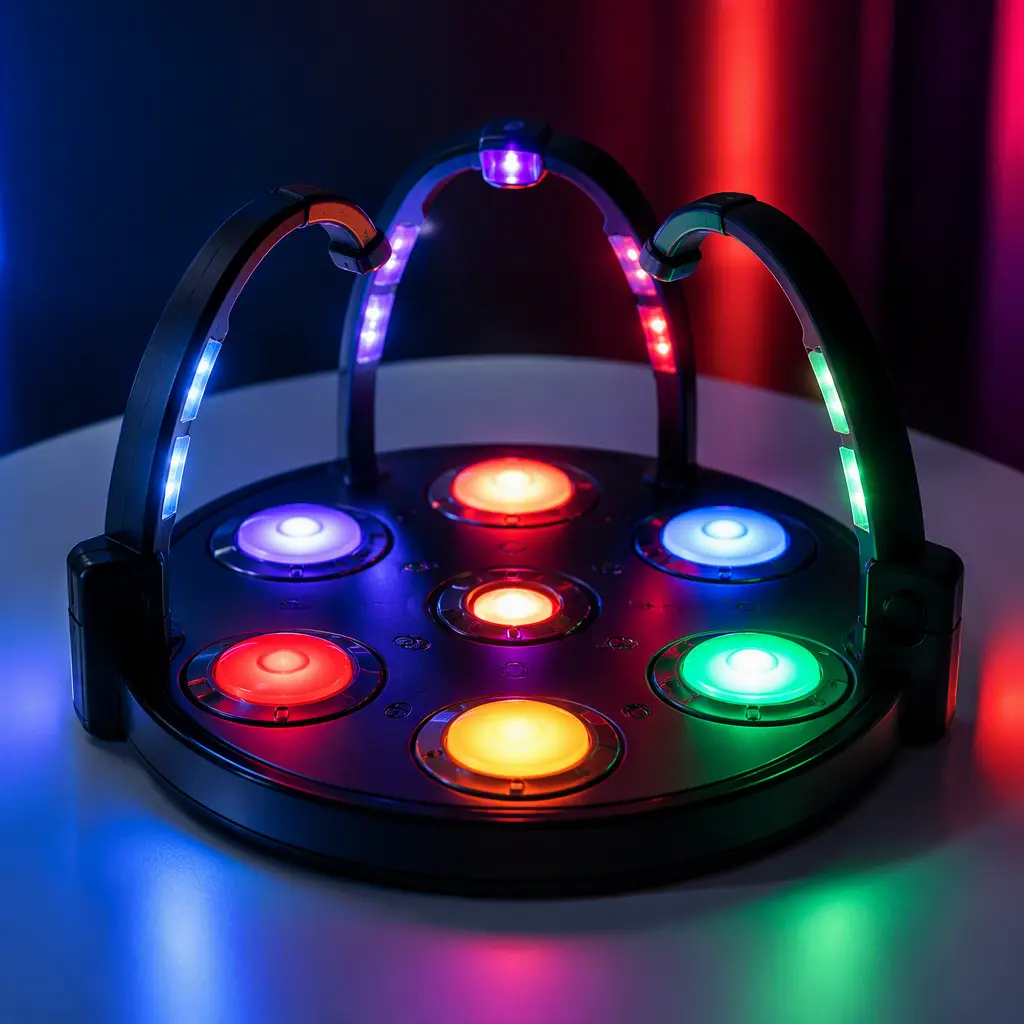
Modern · 2010
Loopz arrived in 2010 with flashing lights, motion sensors, and fast audio cues that made a simple reflex game feel like an arcade challenge at home. Its quick rounds and active play helped it stand out in the electronic toy boom.
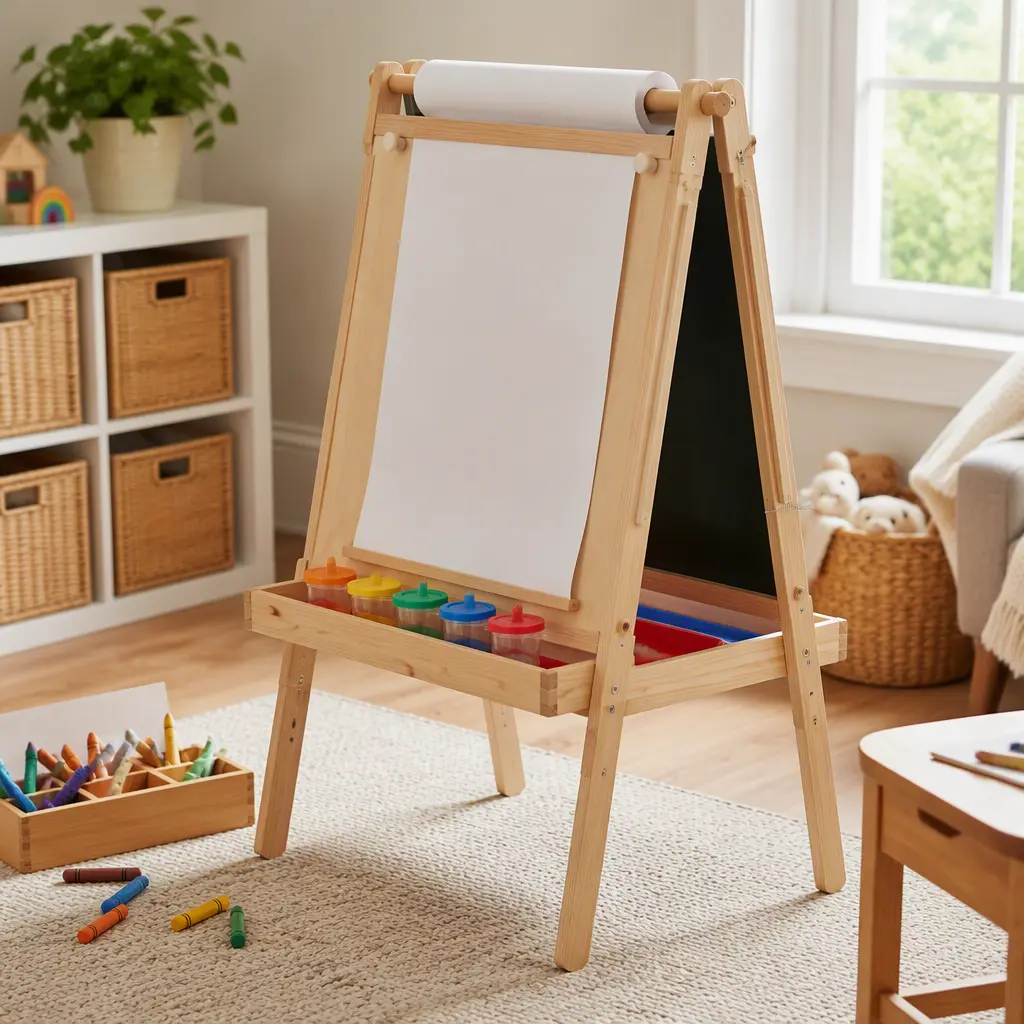
Modern
The Melissa & Doug easel turned a classic classroom idea into a durable home art station, giving children a reusable space for drawing, painting, magnets, and open-ended creative play.
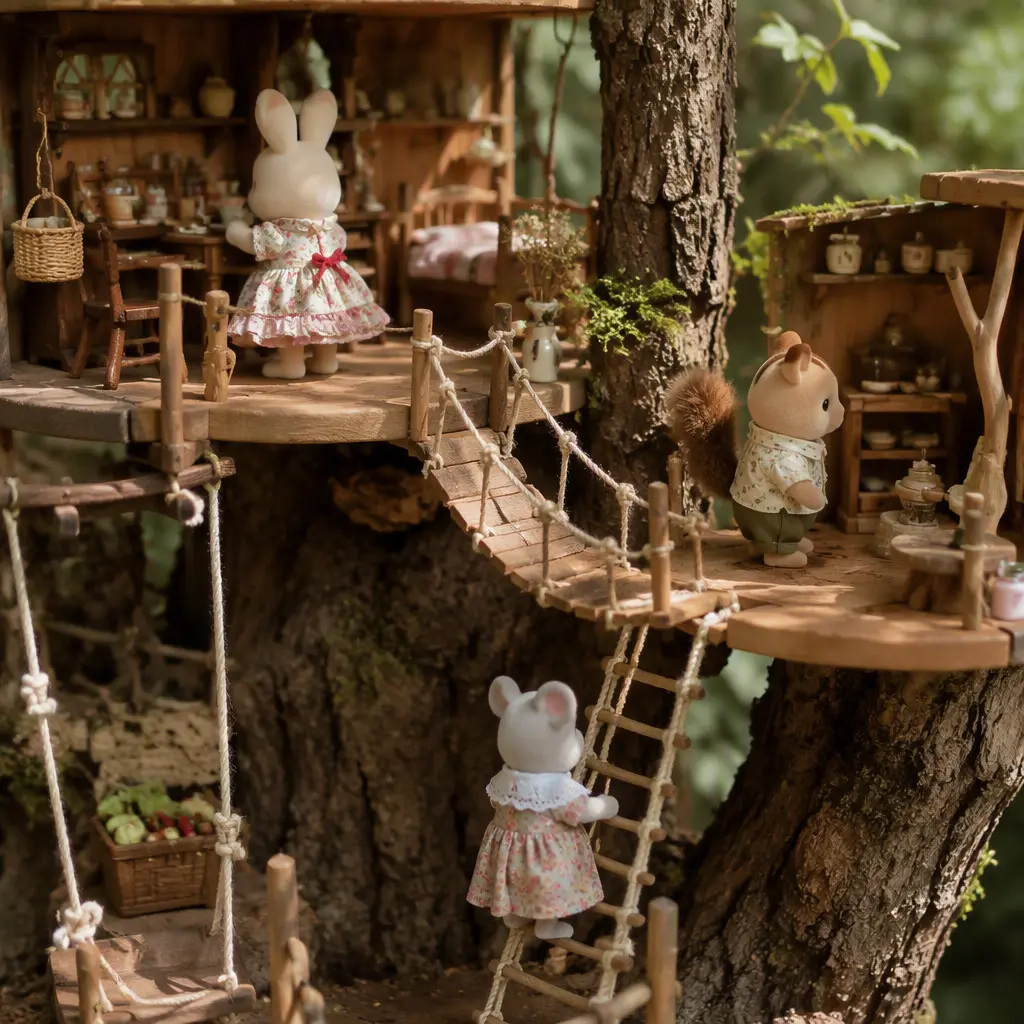
Classic · 1985
The Sylvanian Families Treehouse helped define a quieter style of imaginative play, pairing woodland animal figures with detailed homes that encouraged storytelling over competition.
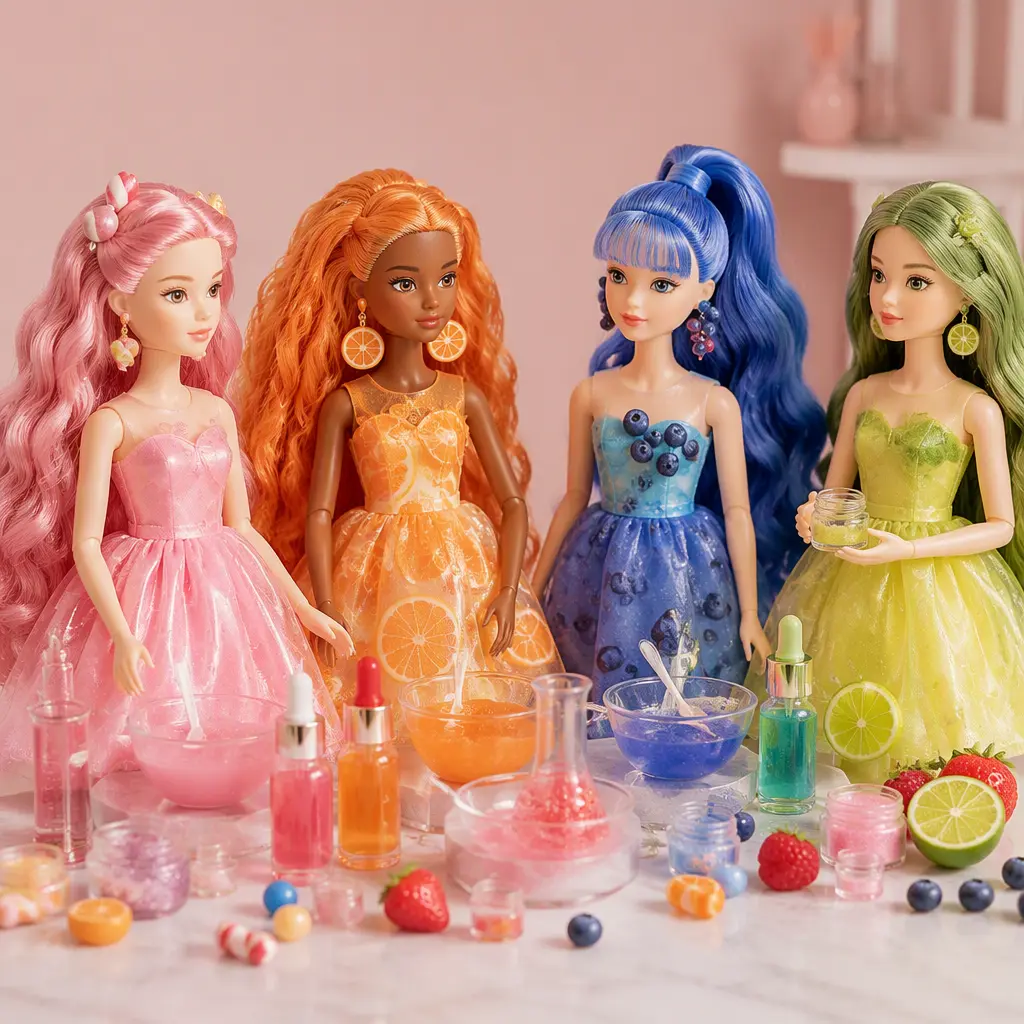
Contemporary · 2023
Yummiland Lip Gloss Dolls combine collectible fashion-doll play with scented mix-and-make lip gloss activities, turning unboxing into a hands-on craft experience for kids and tweens.
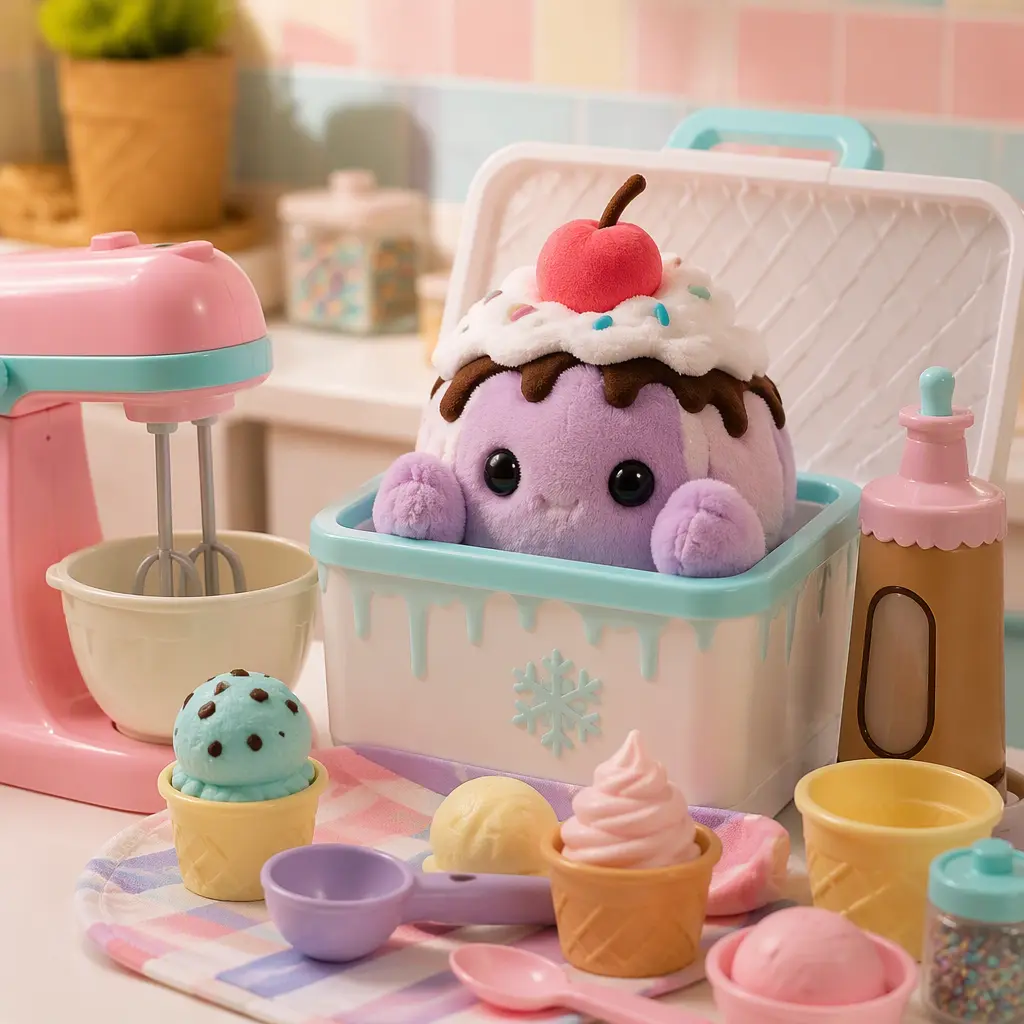
Contemporary · 2024
Cookeez Makery Freezy Cakez turns the surprise-unboxing formula into a hands-on pretend dessert activity, blending texture, reveal moments, and nurturing play in a way many recent toy trends now follow.
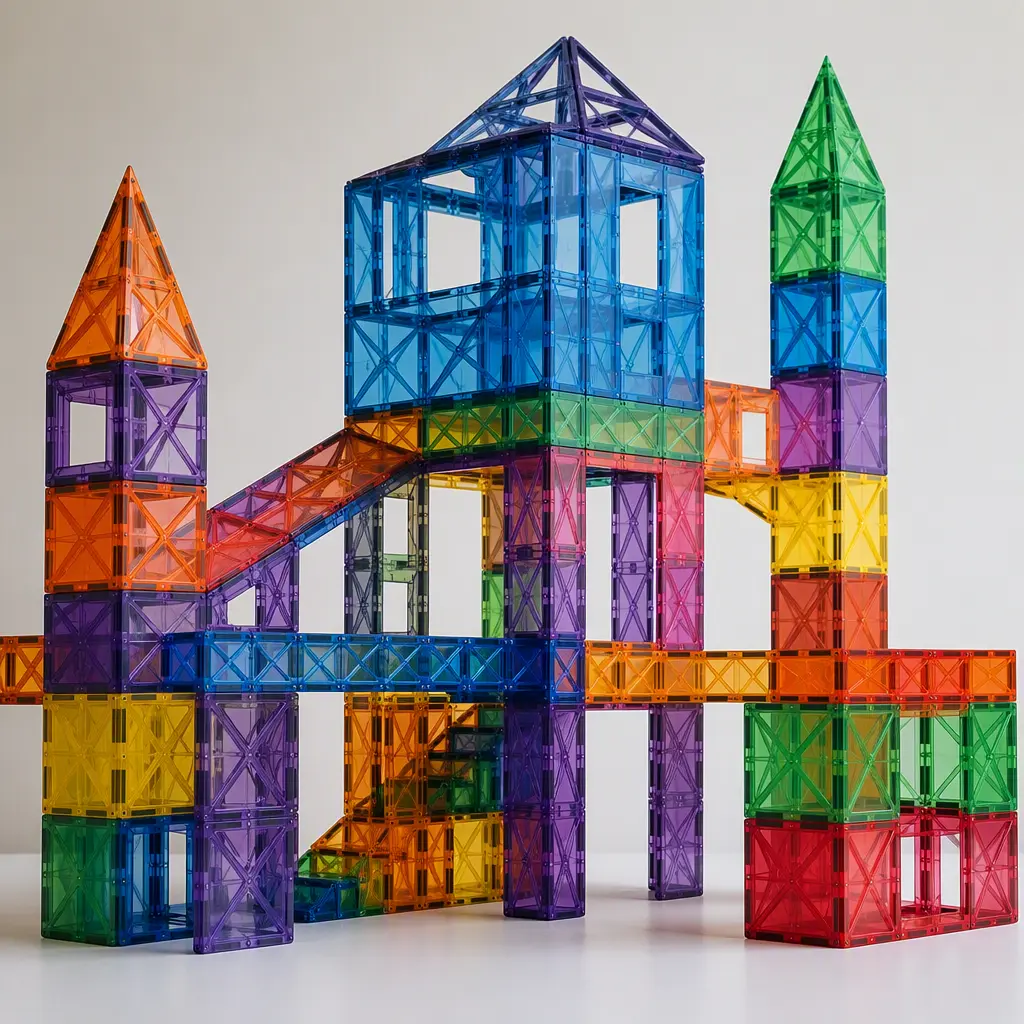
Contemporary · 2023
Tileblox Inspire reflects a newer wave of magnetic construction toys built around larger structures, open-ended design, and collaborative play that feels closer to architecture than simple stacking.
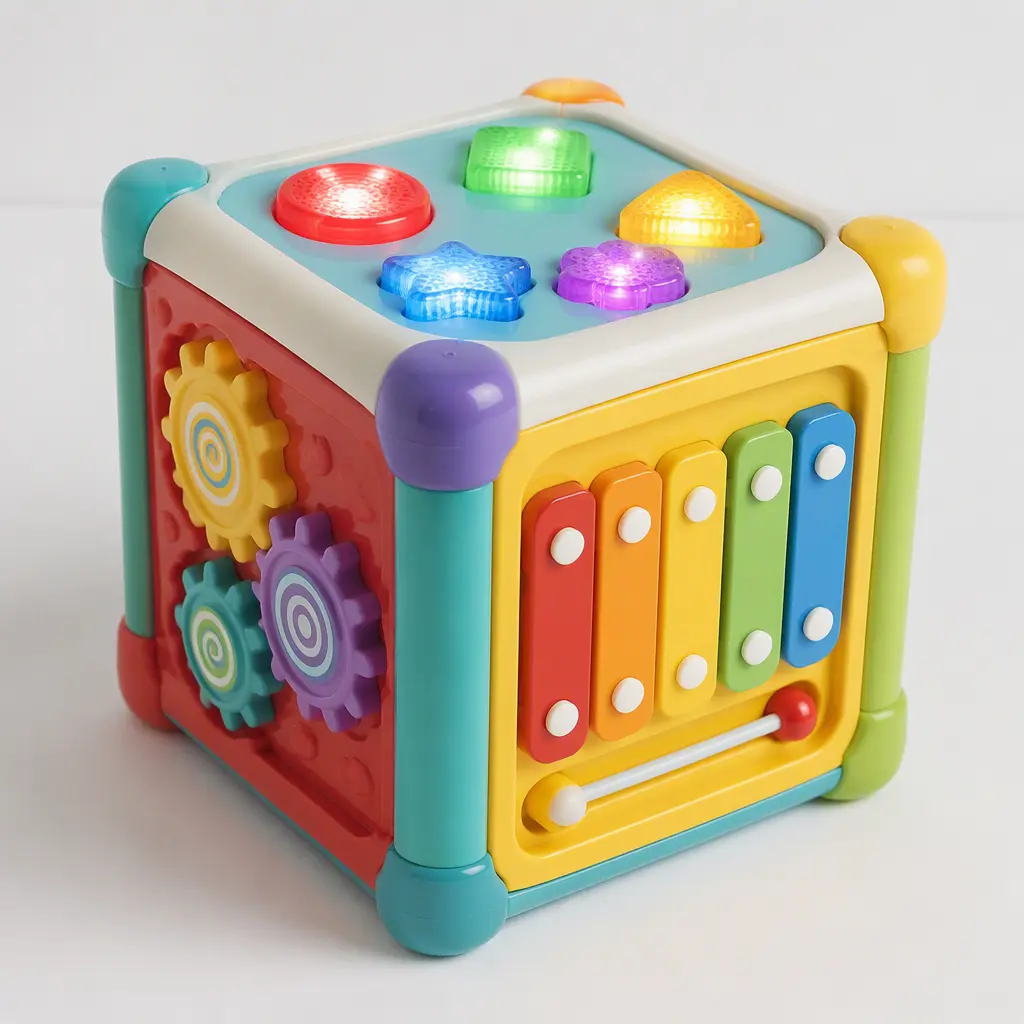
Modern
The Munchkin Mozart Magic Cube turned simple button-pressing into an introduction to layered classical music, blending sensory play with early music exploration for young children.
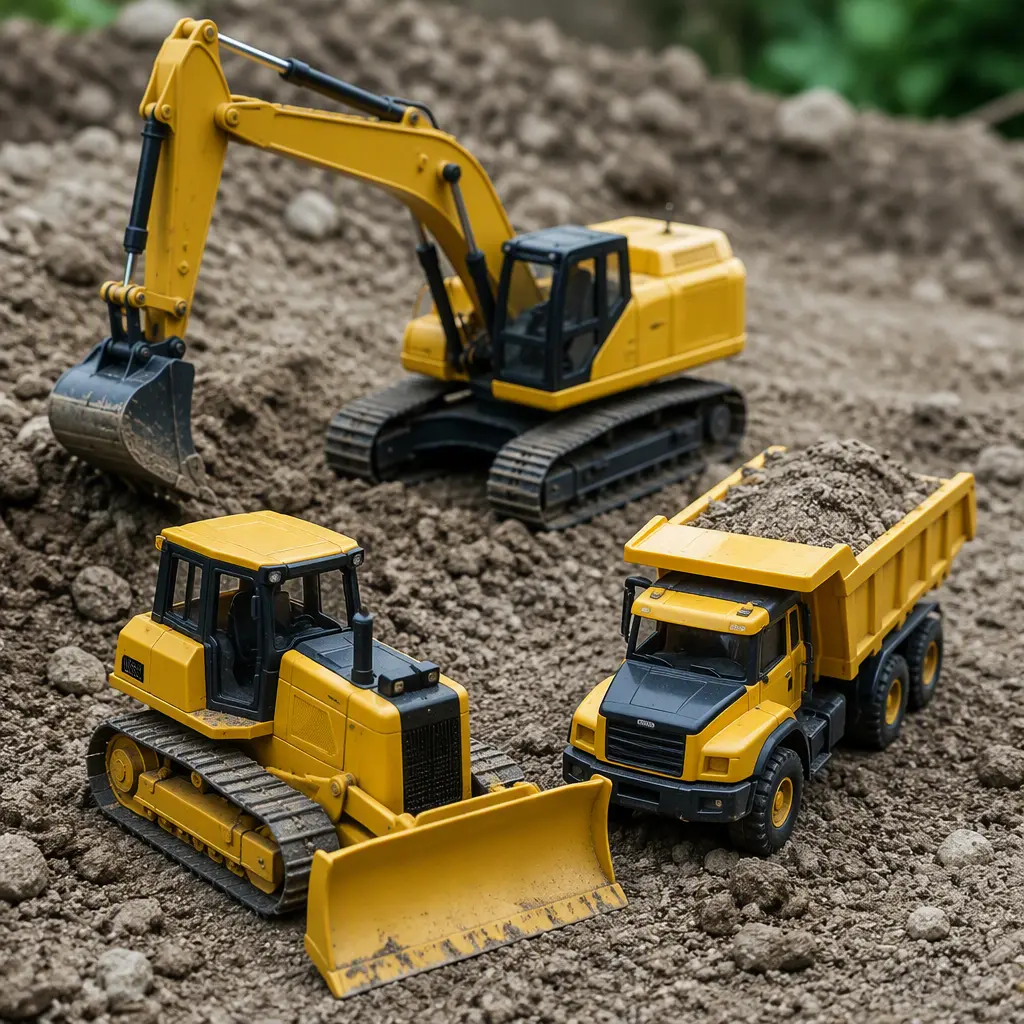
Classic · 1992
CAT construction toys turned bulldozers, dump trucks, and excavators into durable playroom staples by mirroring real job-site machines that children already see in everyday life.
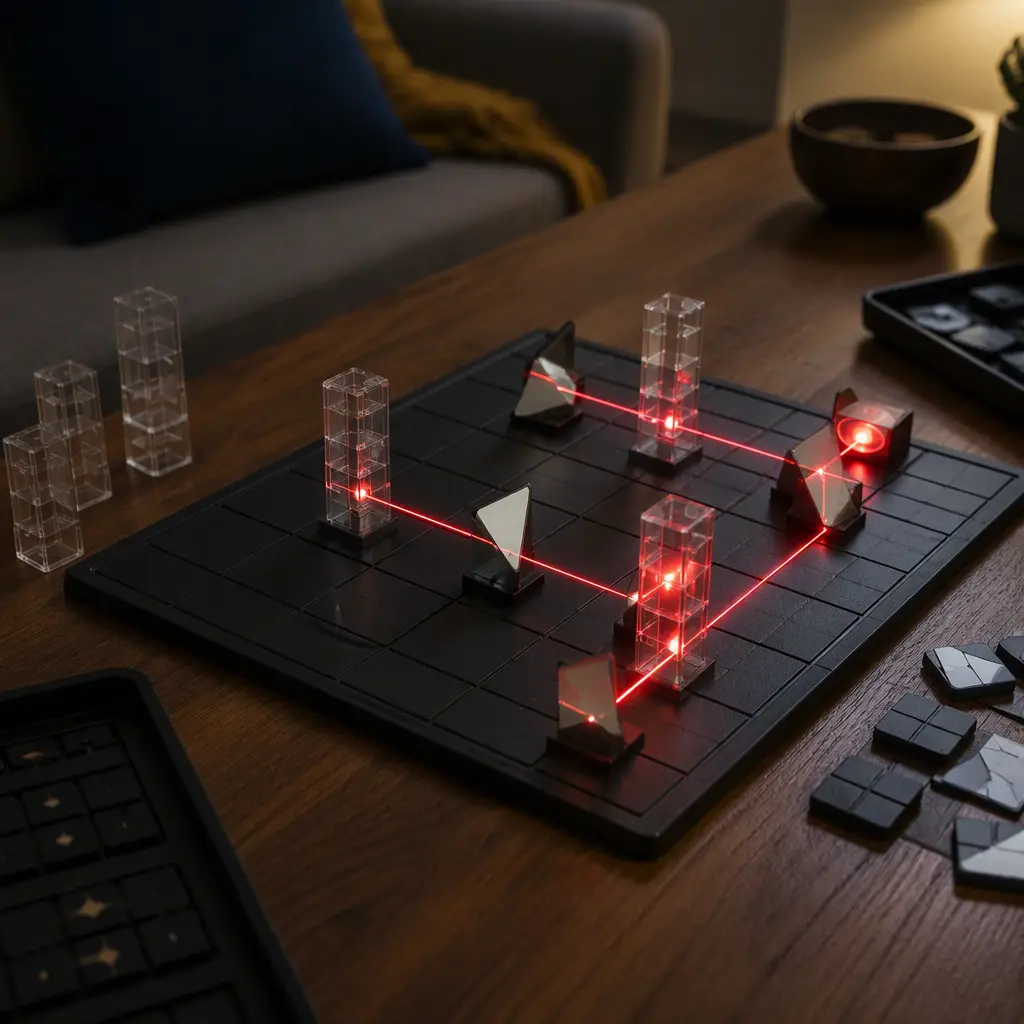
Modern · 2007
Laser Maze turned mirrors, splitters, and beams of light into a family-friendly logic challenge. Since 2007, the tabletop puzzle has blended STEM concepts with satisfying hands-on play.
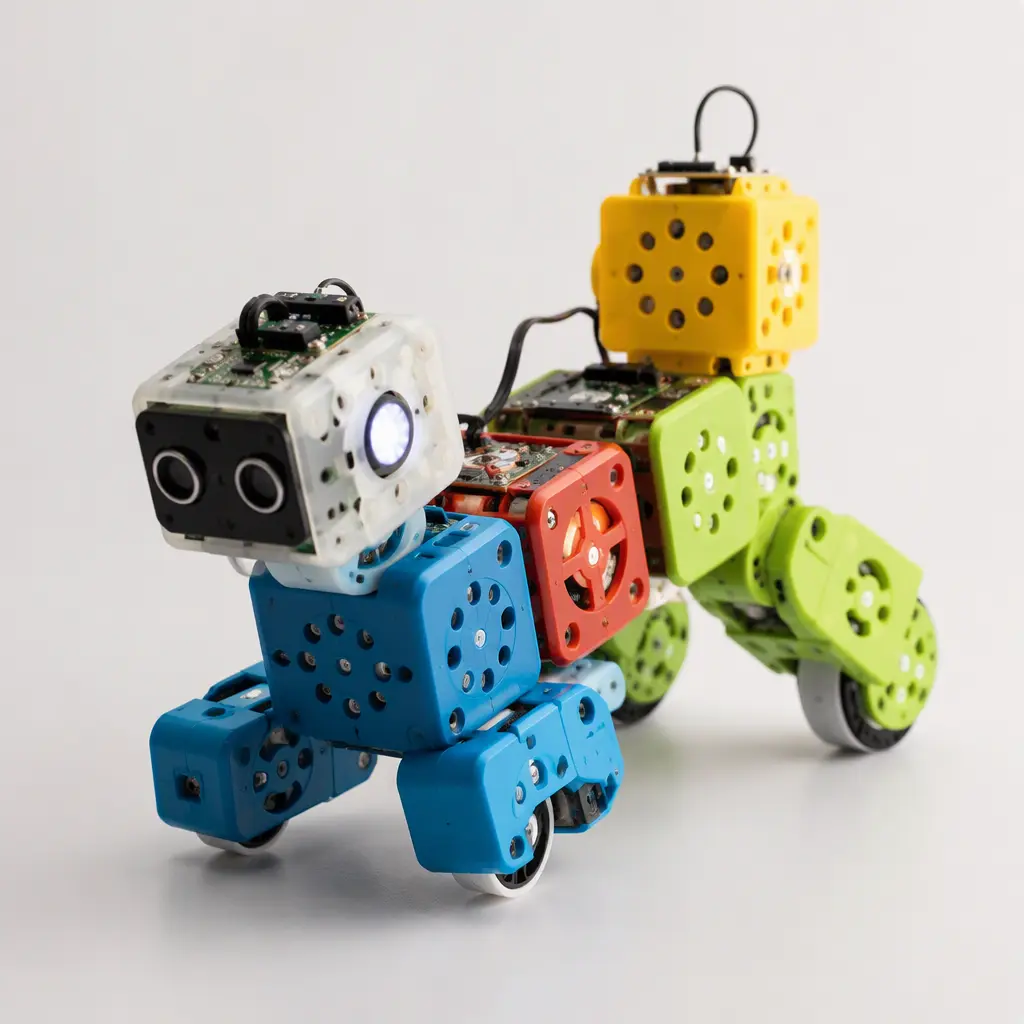
Modern · 2012
Cubelets transformed robotics kits into snap-together blocks that teach coding logic through movement, light, and sensors, giving kids a tactile way to explore STEM concepts without relying on screens.
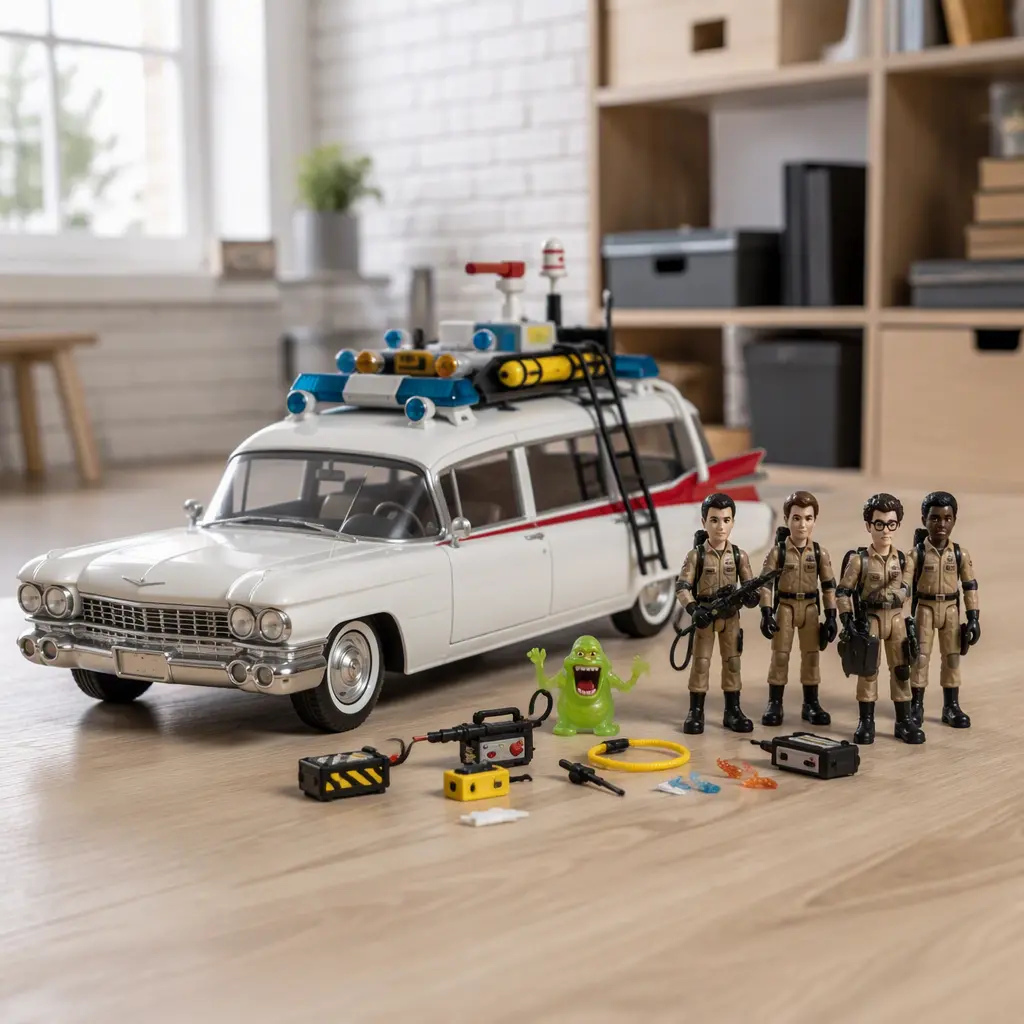
Modern · 2017
Playmobil’s Ghostbusters Ecto-1 turned an adult nostalgia property into open-ended pretend play, blending movie-inspired details with durable figures and accessible storytelling for younger fans.
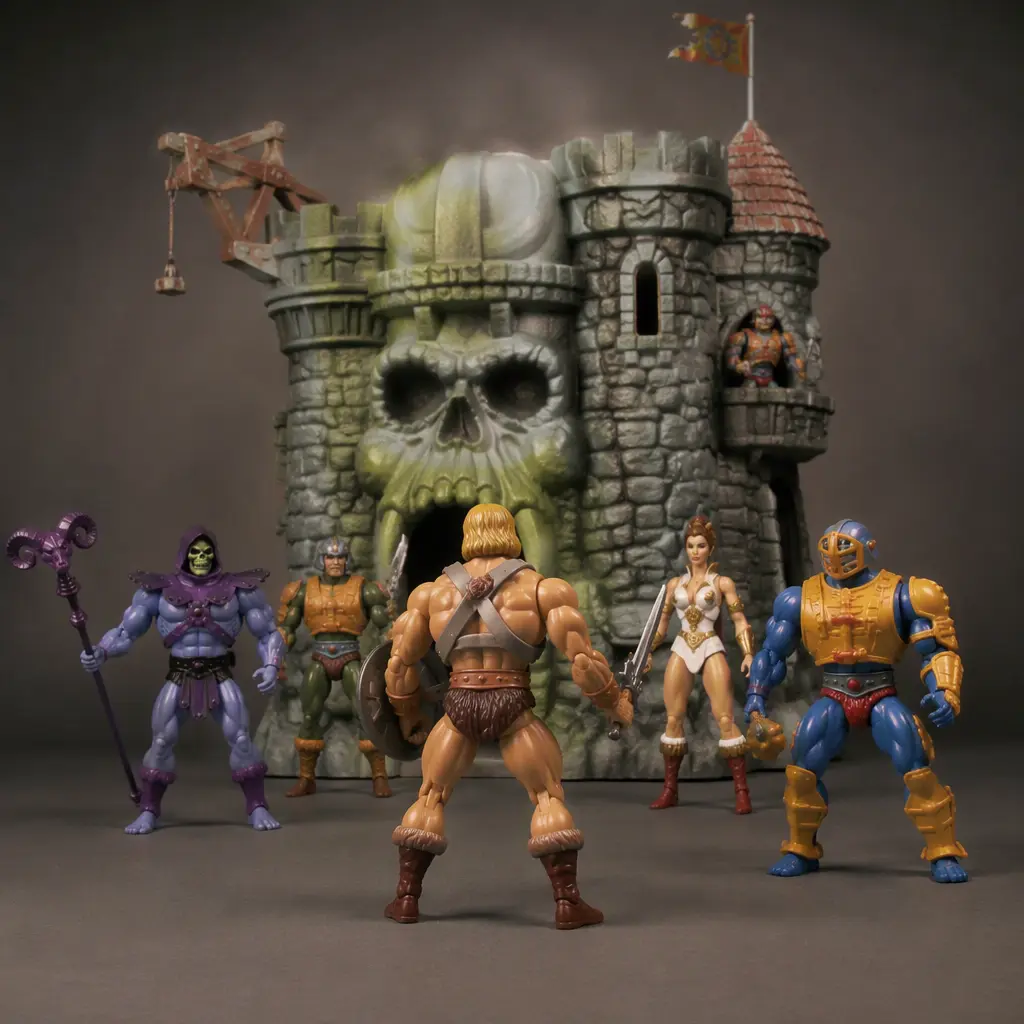
Classic · 1982
Launched in 1982, Masters of the Universe blended fantasy, science fiction, and muscular action figures into a multimedia toy phenomenon that reshaped Saturday-morning marketing.
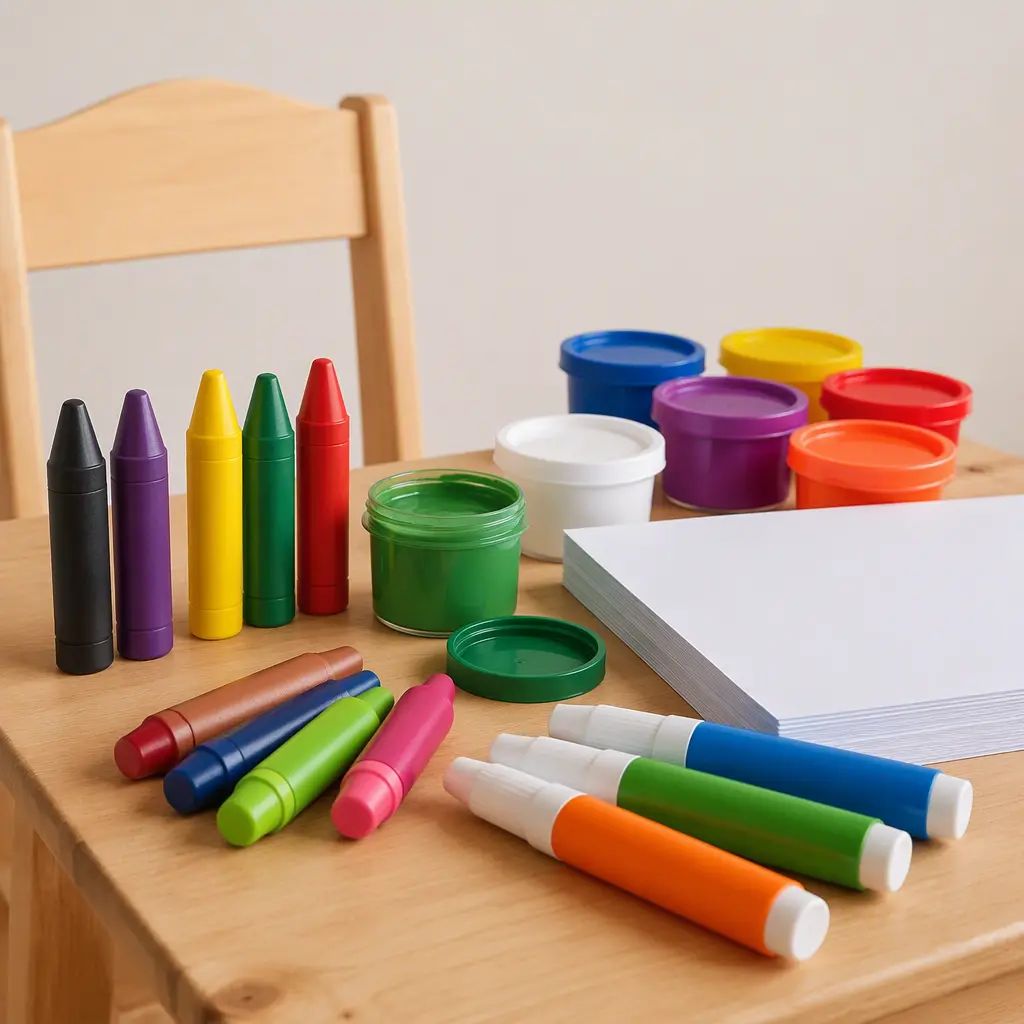
Contemporary · 2020
My First Crayola helped turn toddler-safe art supplies into a major toy aisle category, blending washable materials, easy-grip design, and early creative play for very young children.
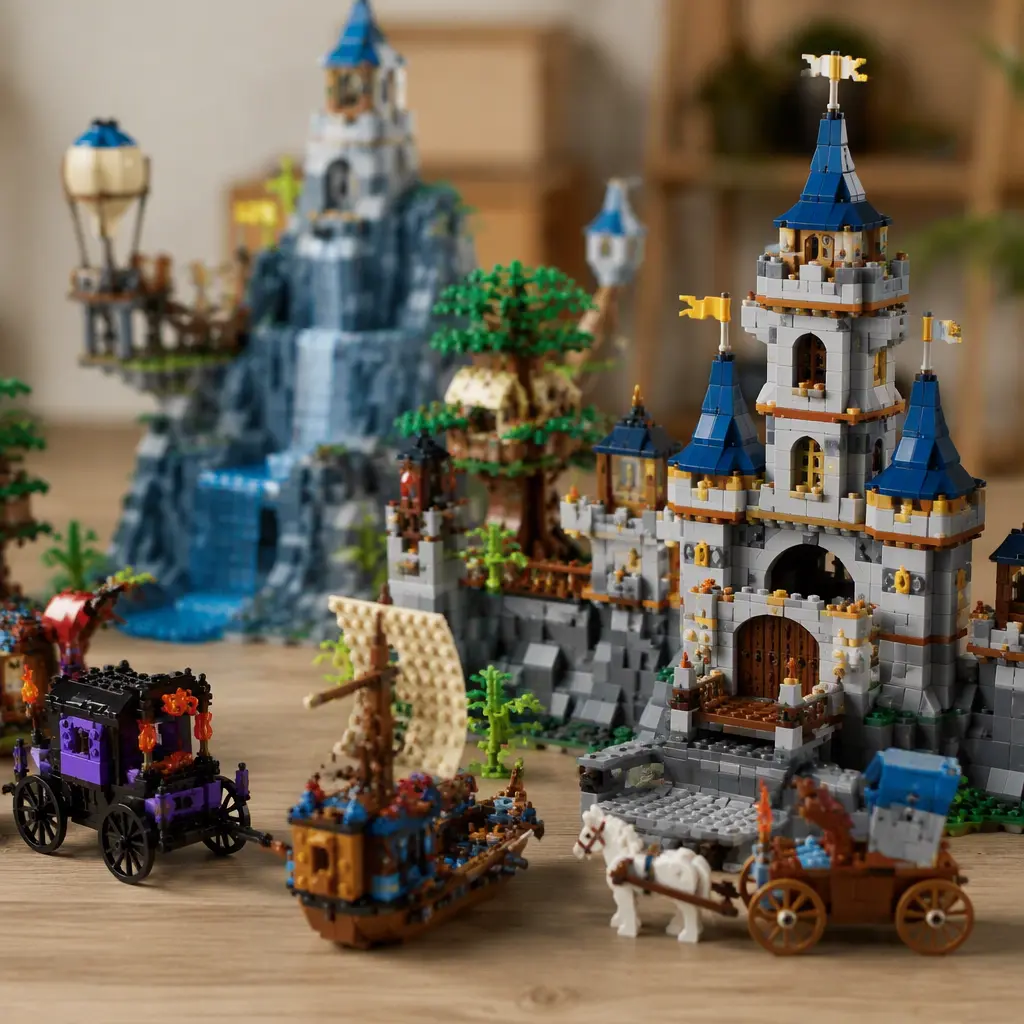
Modern · 2009
Launched in the UK in 2009, Character Building brought TV, film, and game licenses into brick construction play, offering an alternative to traditional building brands with familiar worlds and collectible figures.
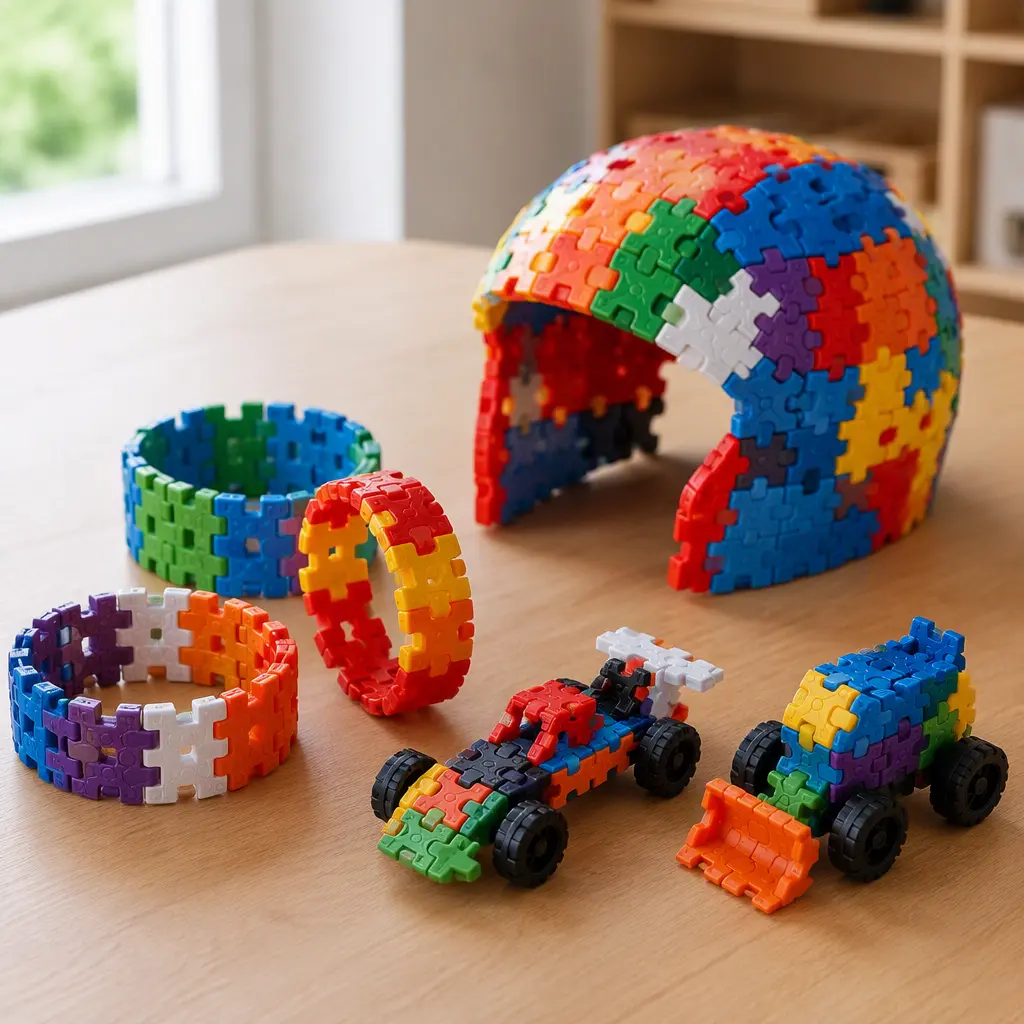
Modern · 2004
Clics turned simple plastic strips into helmets, bracelets, vehicles, and oversized models with a flexible snap system that encouraged open-ended building and wearable play.
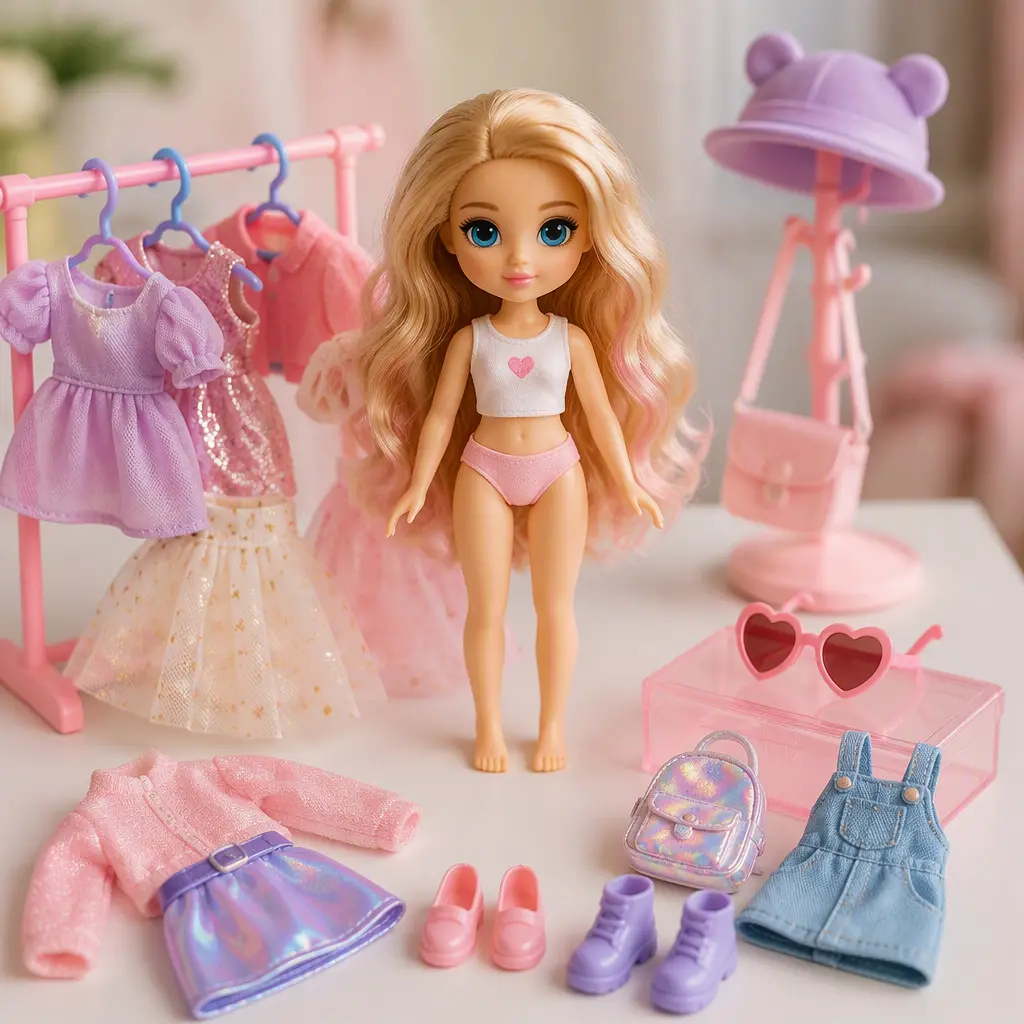
Classic · 1989
Fashion Polly marked a dramatic shift from the tiny compact dolls of the late 1980s to larger, dress-up-focused figures that chased changing trends in the toy aisle.
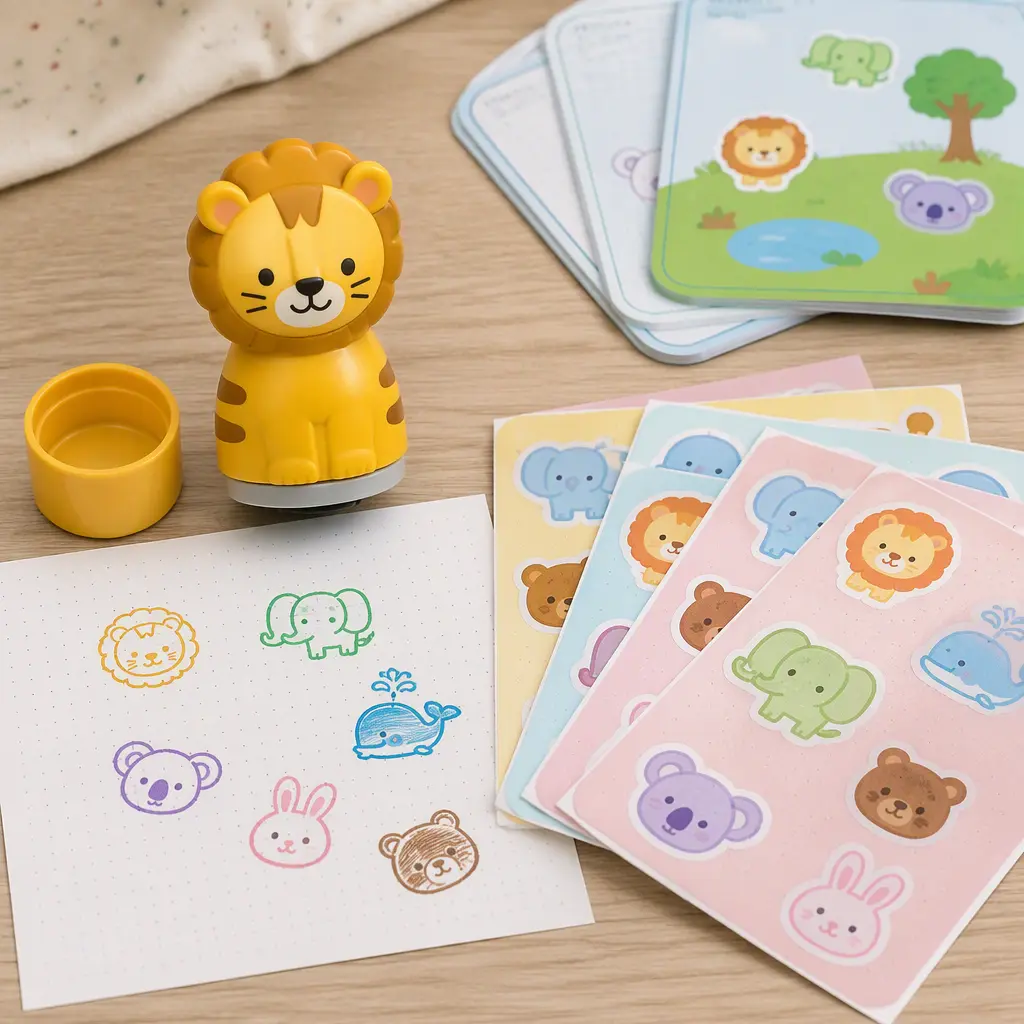
Contemporary · 2023
Melissa & Doug's Sticker WOW! line turned sticker play into a reusable stamping activity, blending collecting, crafts, and portable creativity for younger kids and families.
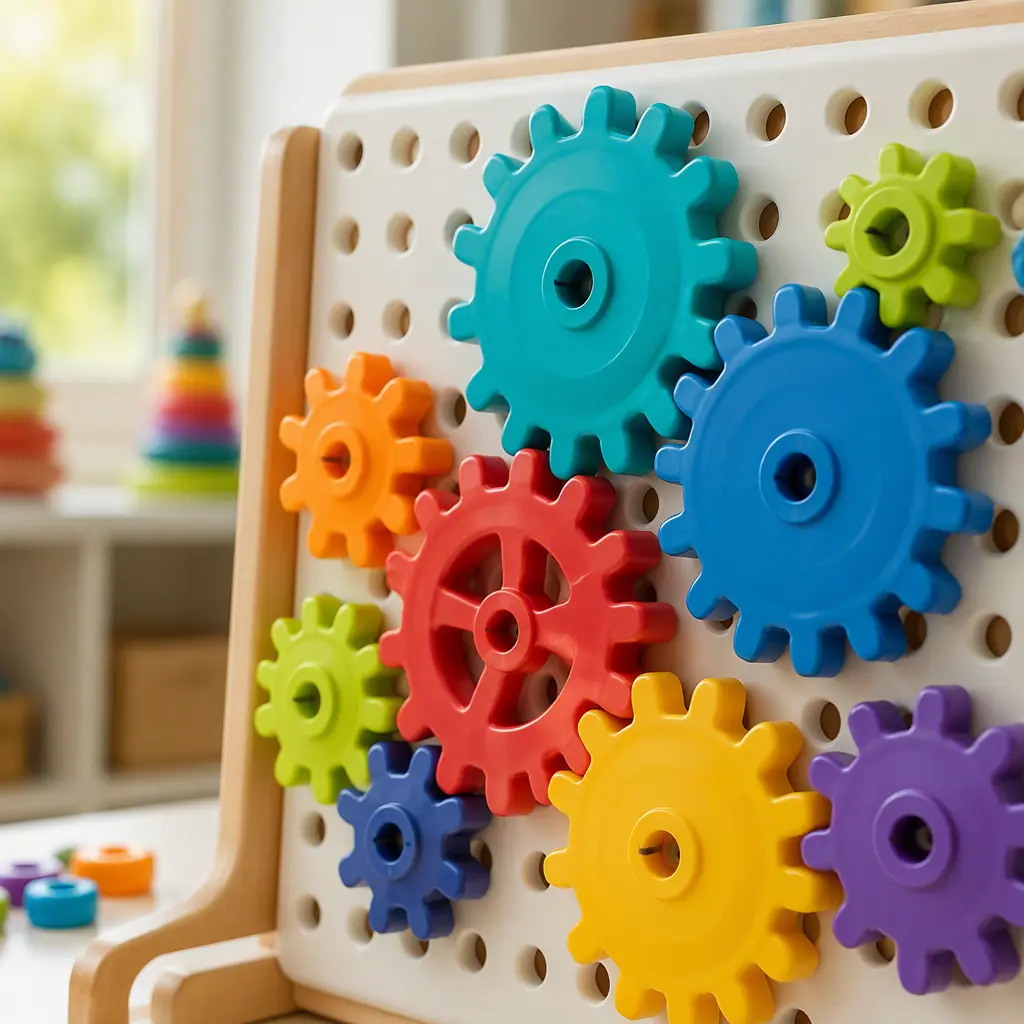
Modern · 2000
Georello turned colorful interlocking gears into a hands-on lesson in cause and effect. Its open-ended building style still makes it a clear, approachable introduction to mechanical thinking.
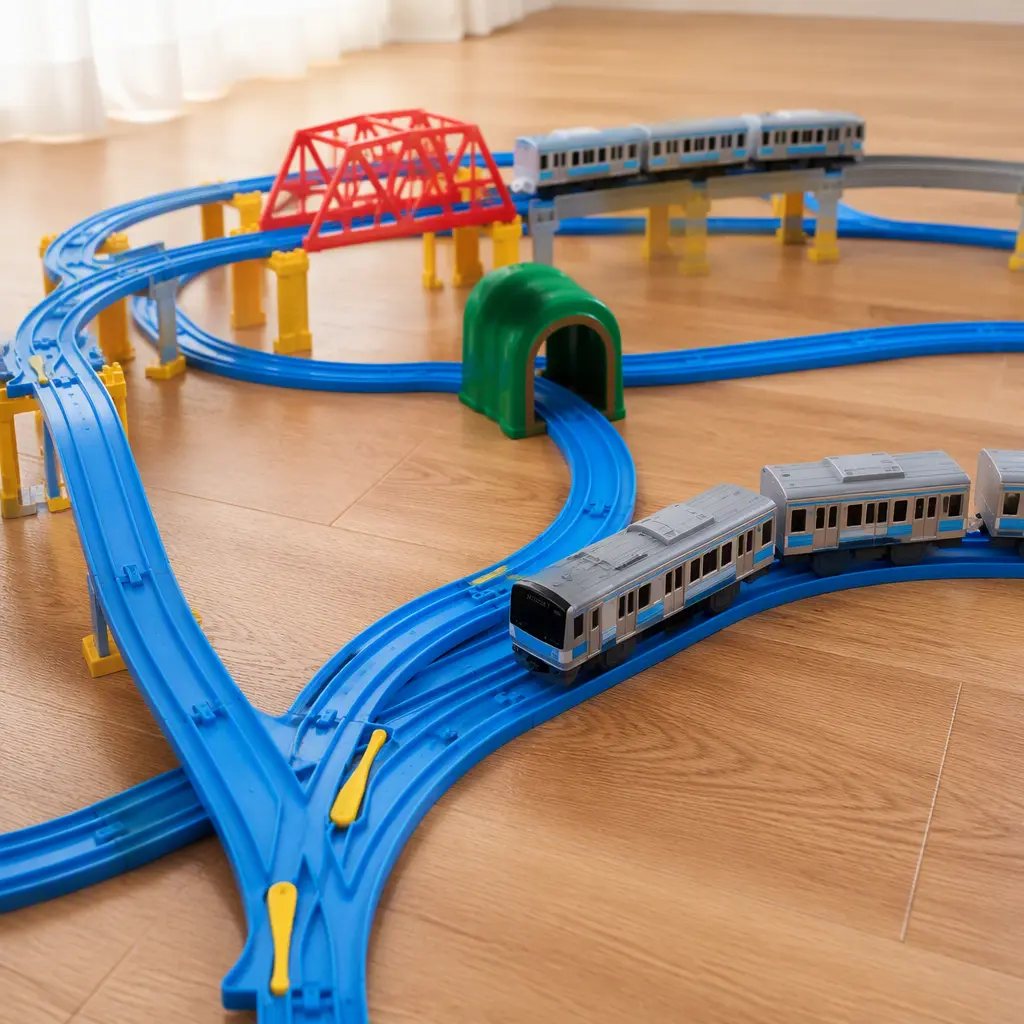
Classic · 1959
Introduced in Japan in 1959, Plarail turned battery-powered toy trains into an expandable play system that has lasted for generations through durable design, simple mechanics, and constant reinvention.
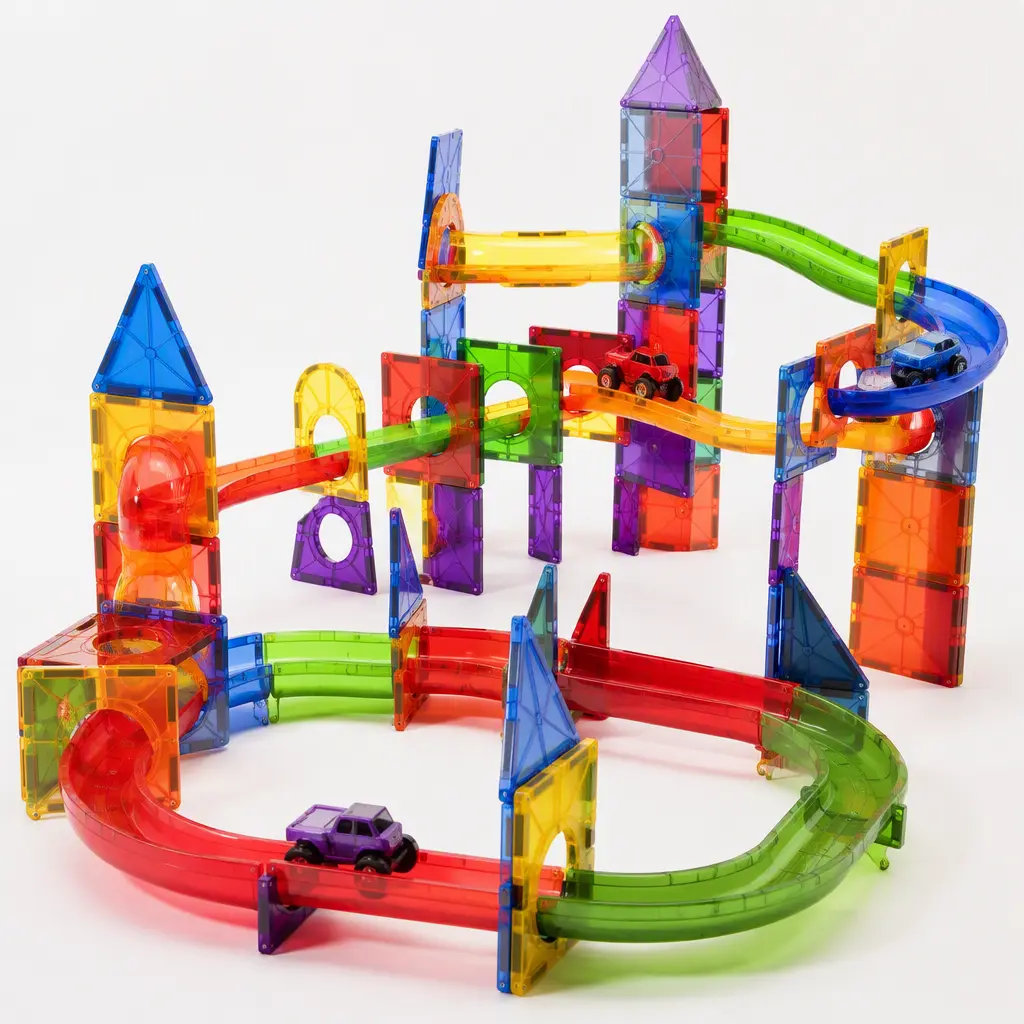
Contemporary · 2023
Tileblox Magnetic Racetracks reflect a wider shift in construction toys, blending magnetic building with ramps, speed, and movement-focused play that keeps kids experimenting longer.
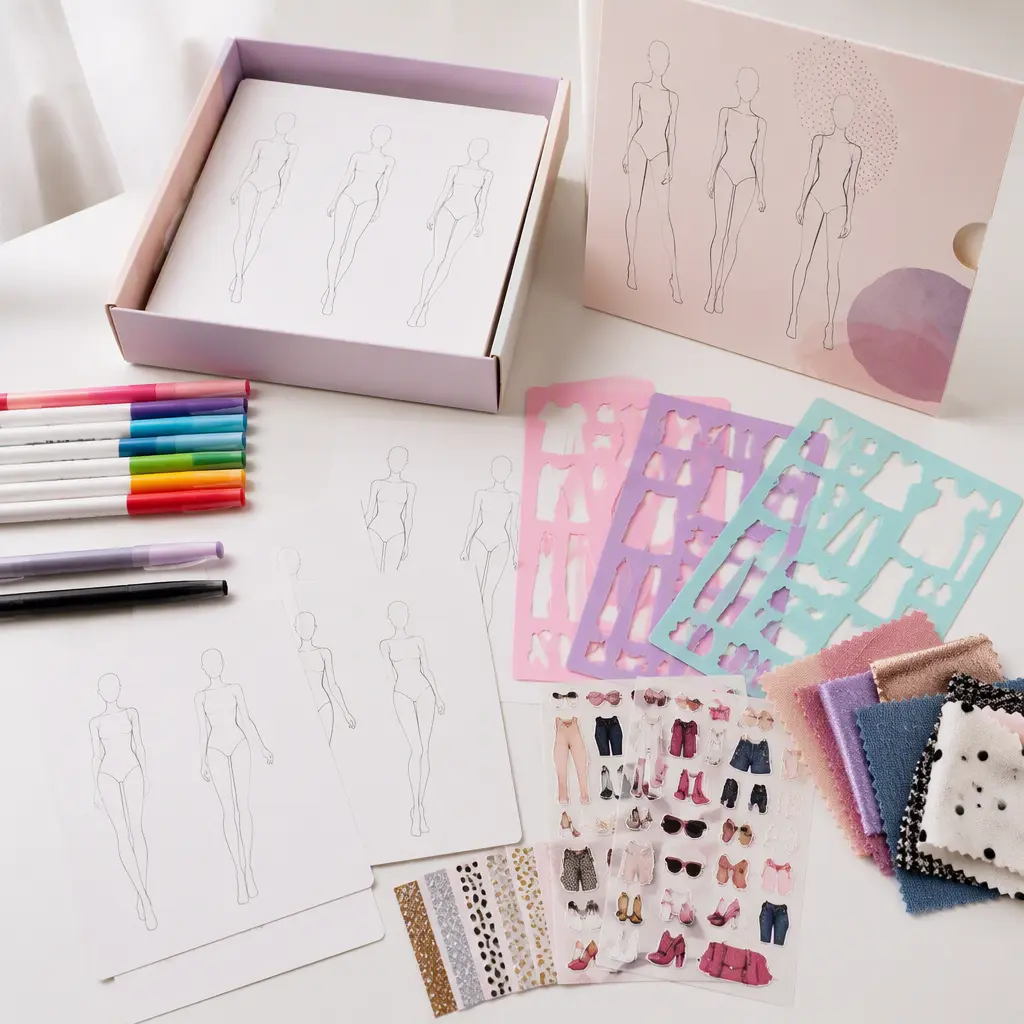
Modern · 1996
Fashion Angels turned sketchbooks, stickers, and stencils into an approachable fashion-design hobby. Even in a digital era, the hands-on mix-and-match format still appeals to creative kids and collectors.
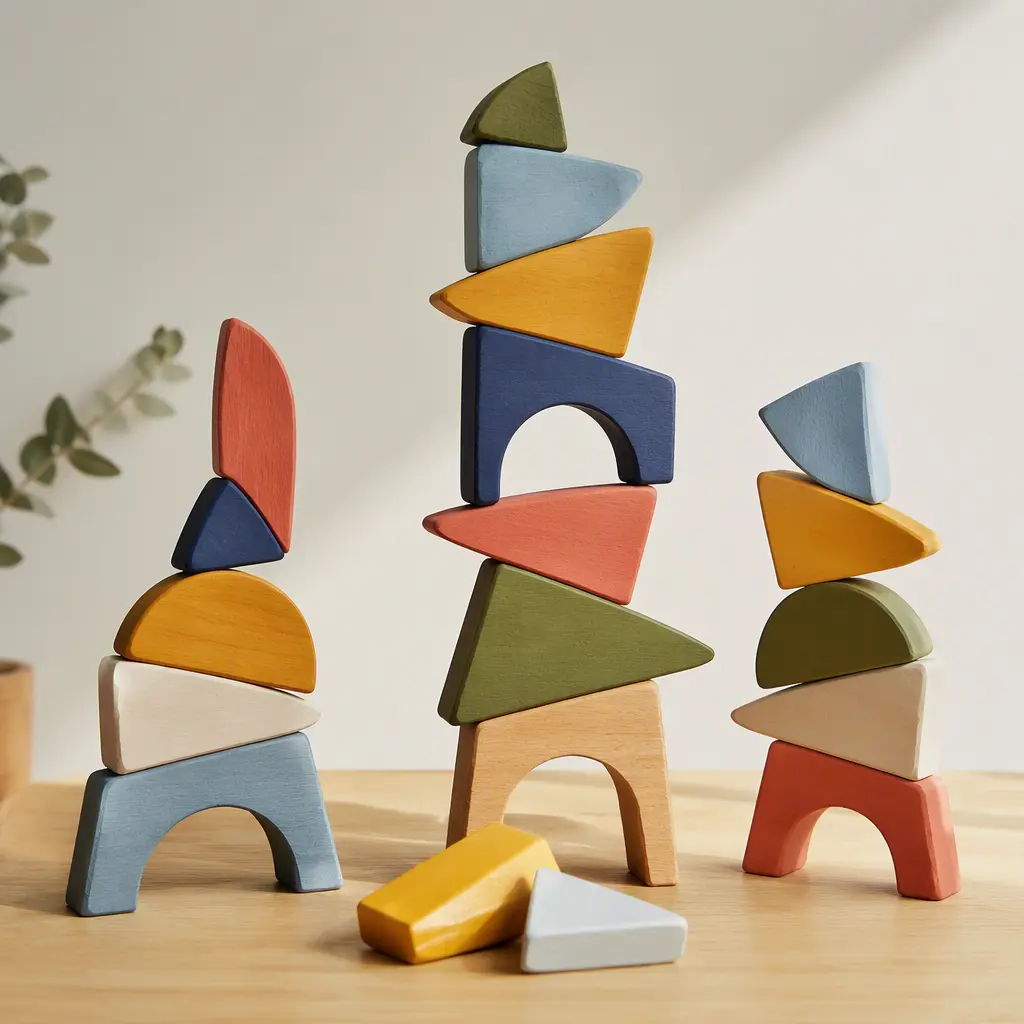
Classic · 1992
Introduced in the early 1990s, Wedgits turned simple geometric forms into an open-ended building toy that rewards symmetry, balance, and experimentation across age groups.
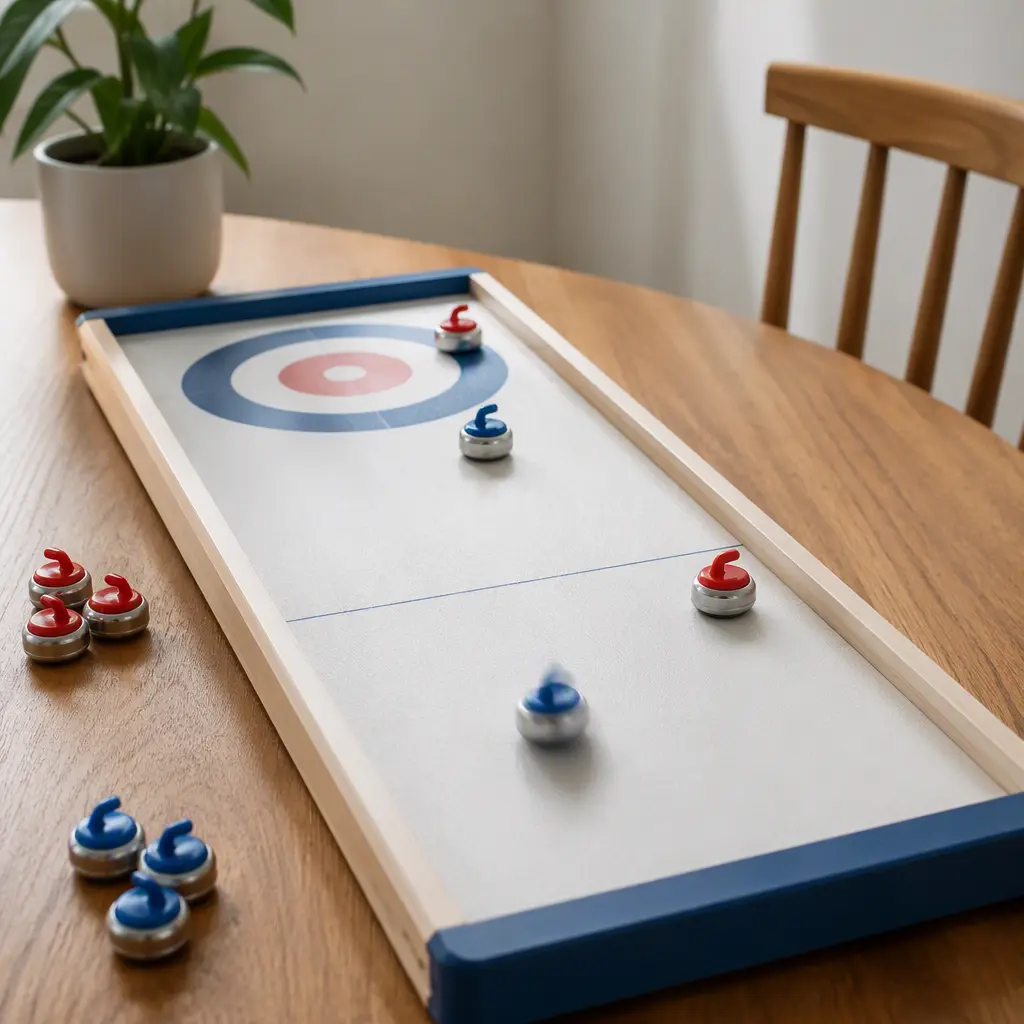
Contemporary · 2020
Miniature curling games turned a niche winter sport into an easy family activity, blending simple rules, satisfying strategy, and quick rounds that work across generations.
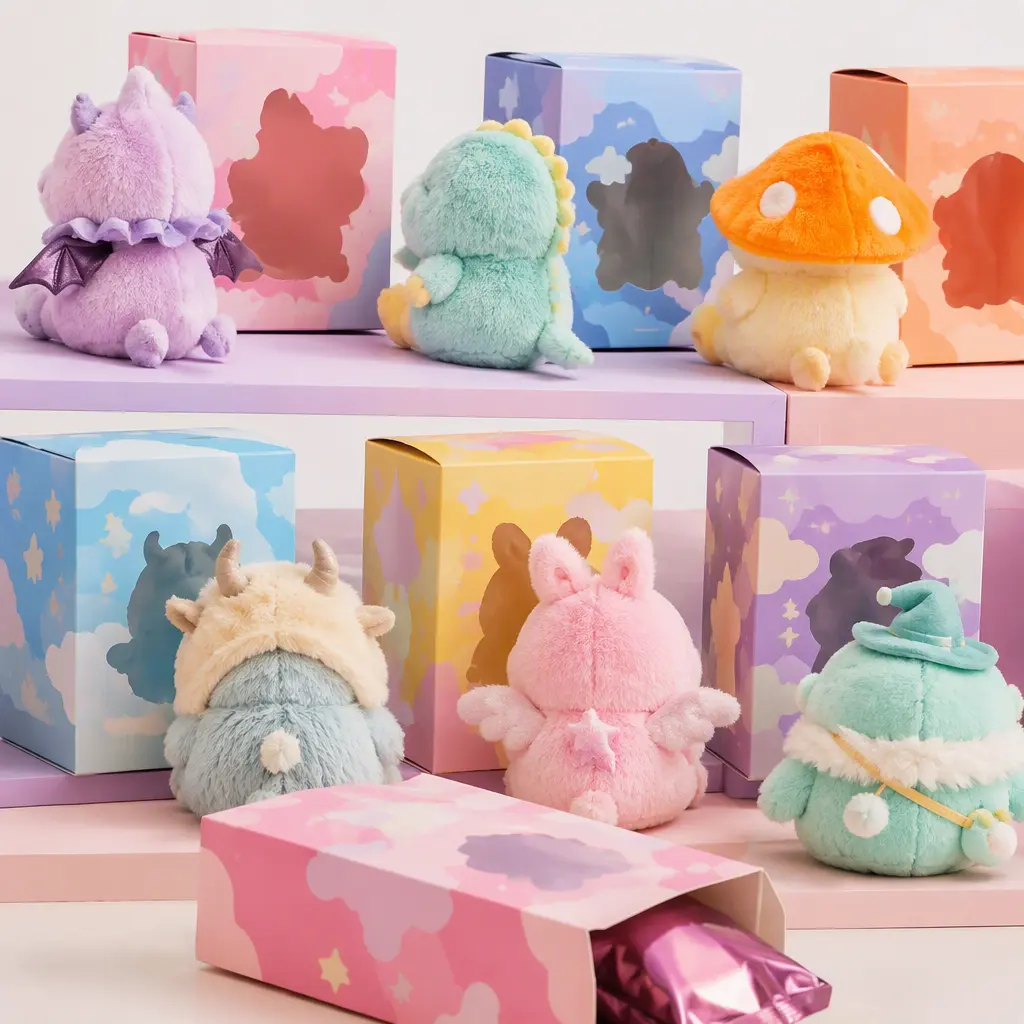
Contemporary · 2023
Moriah Elizabeth Mystery Plush toys show how YouTube creators transformed fan communities into successful toy brands, blending collectible surprise reveals with soft, display-friendly designs.
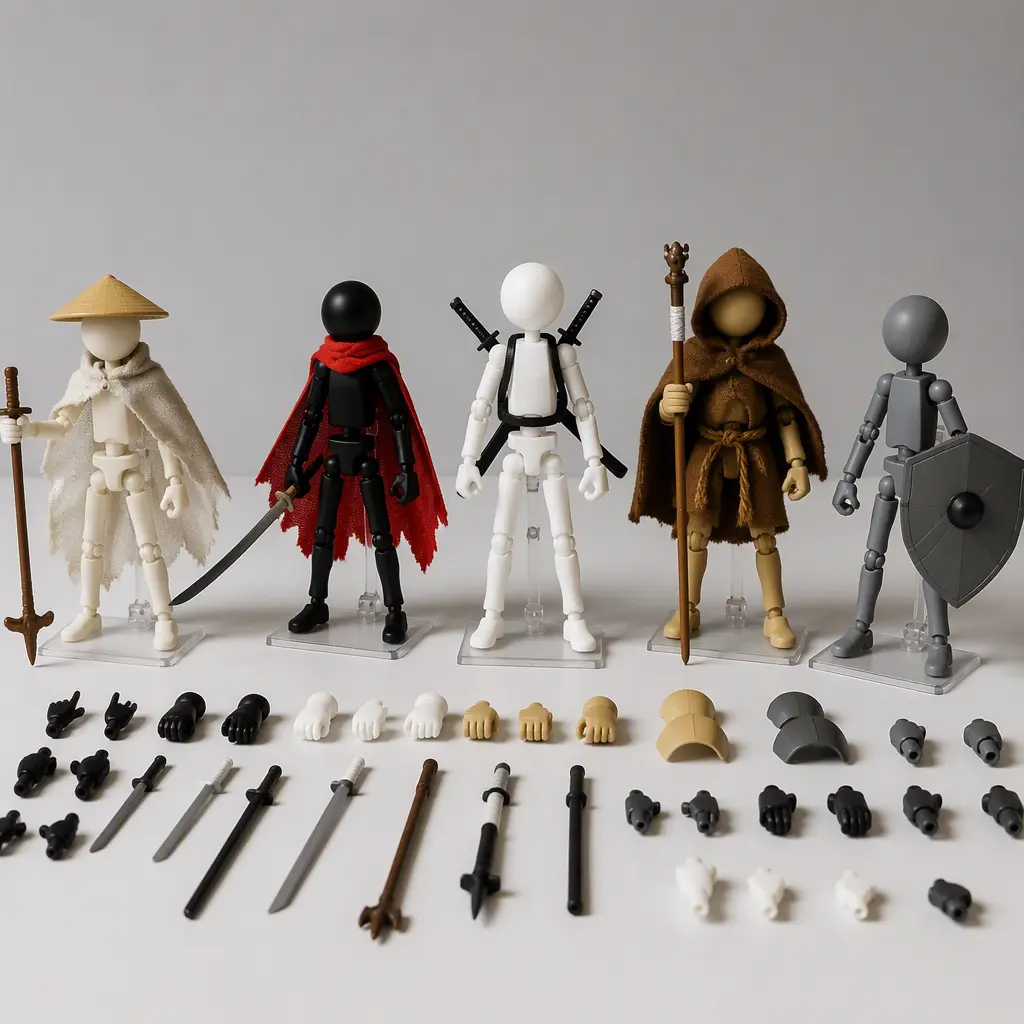
Modern · 2001
Launched in the early 2000s, Stikfas combined model-kit assembly with highly poseable action figures, anticipating today's customizable collectibles and creator-focused toy culture.
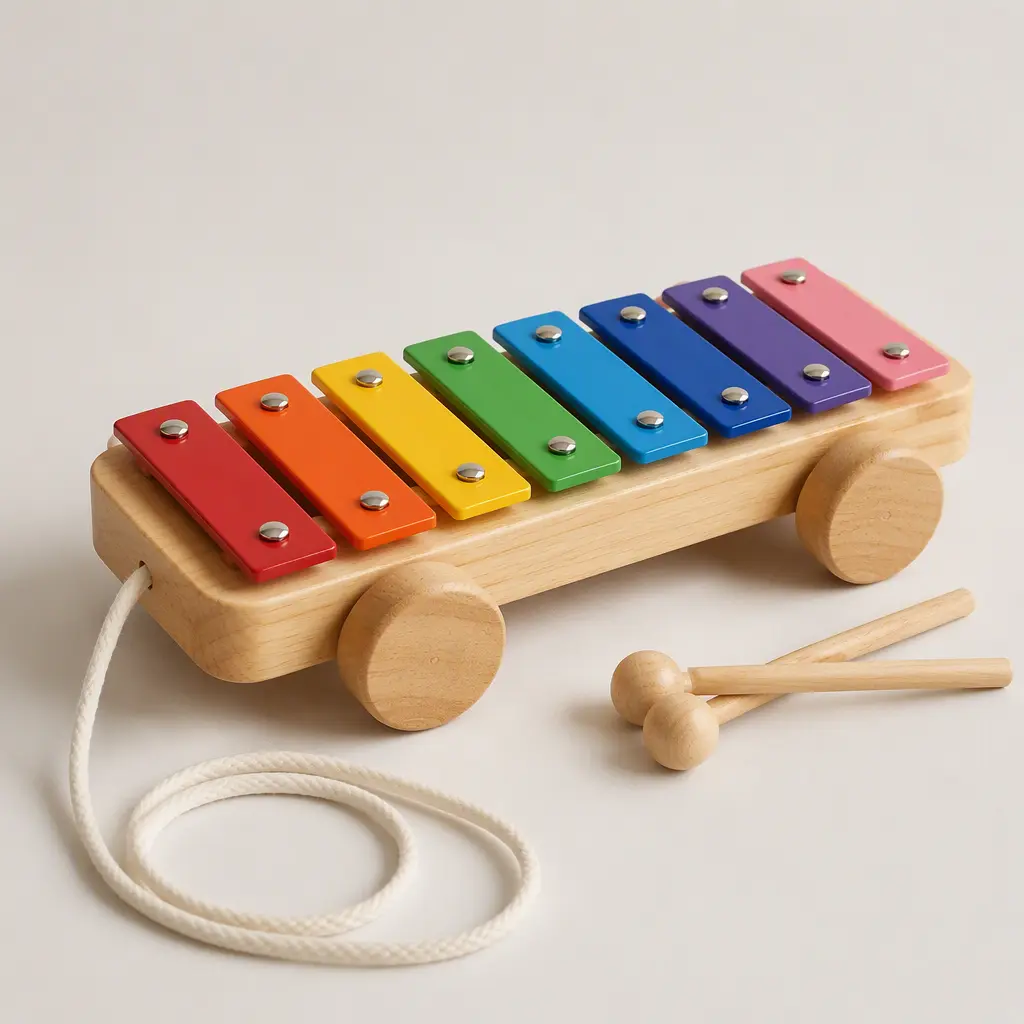
Classic
Part instrument, part pull toy, the wooden xylophone cart became a nursery staple by blending movement, sound, and hands-on discovery into one durable early childhood toy.
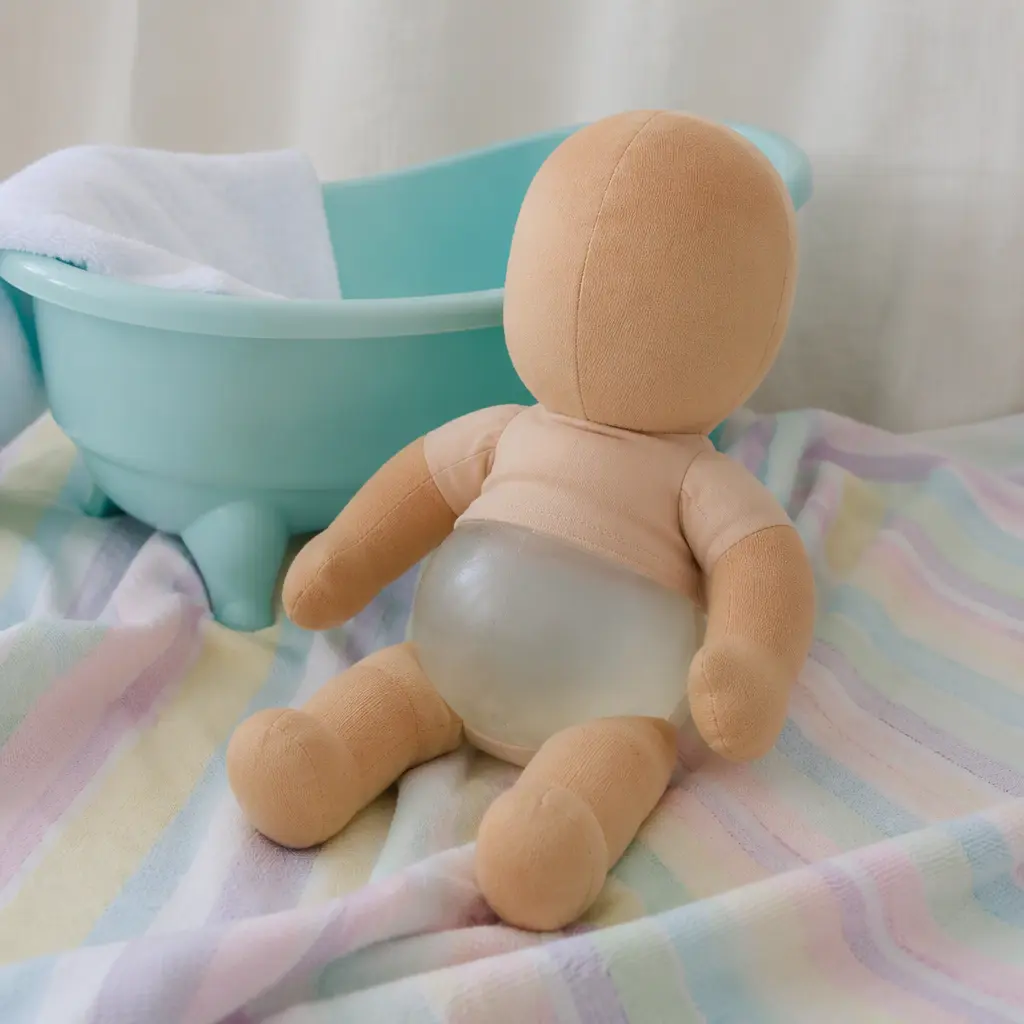
Classic · 1989
Water Babies became a late-1980s sensation by combining soft doll play with a water-filled body that gave the toy unusual weight and movement, making it feel more lifelike than many dolls of the era.
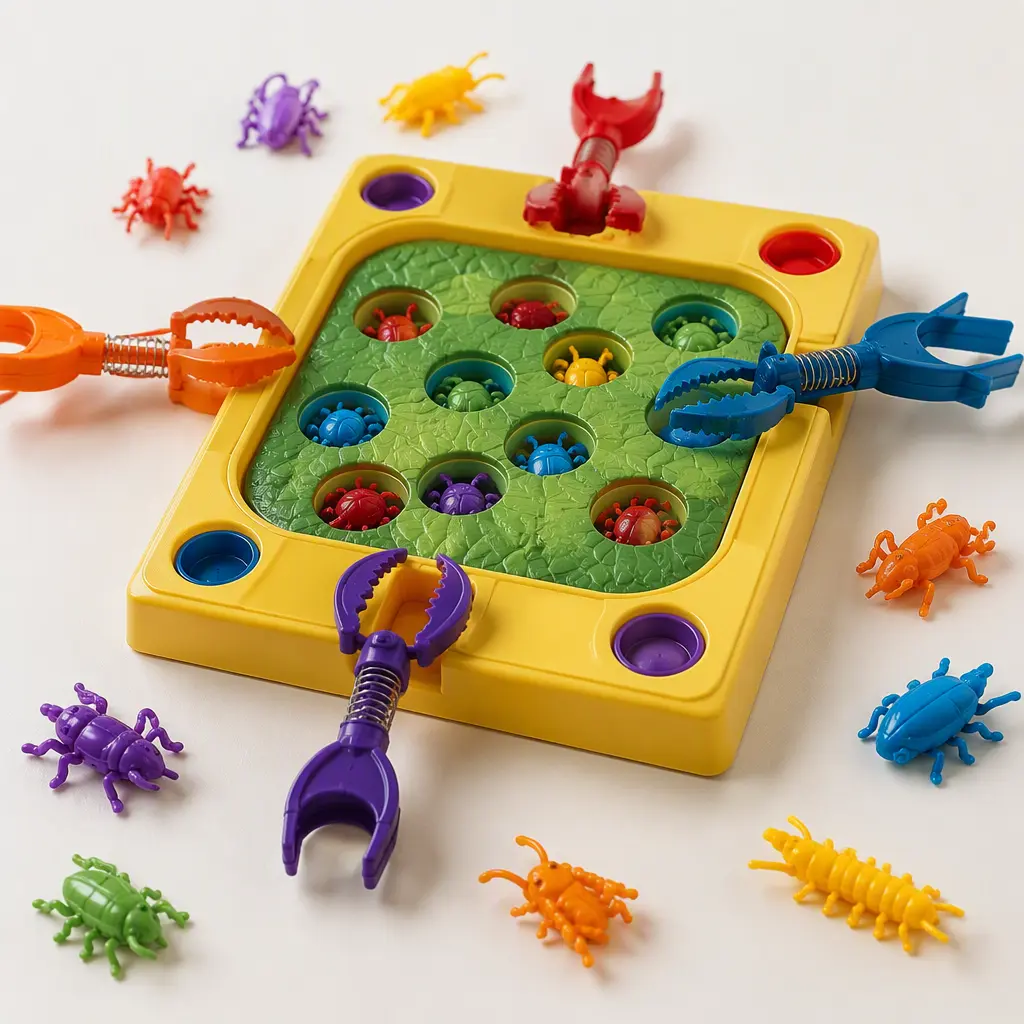
Classic · 1985
Released during the high-energy toy boom of the 1980s, Bed Bugs turned frantic bug-catching into a noisy tabletop race that still stands out for its simple mechanics and memorable physical play.
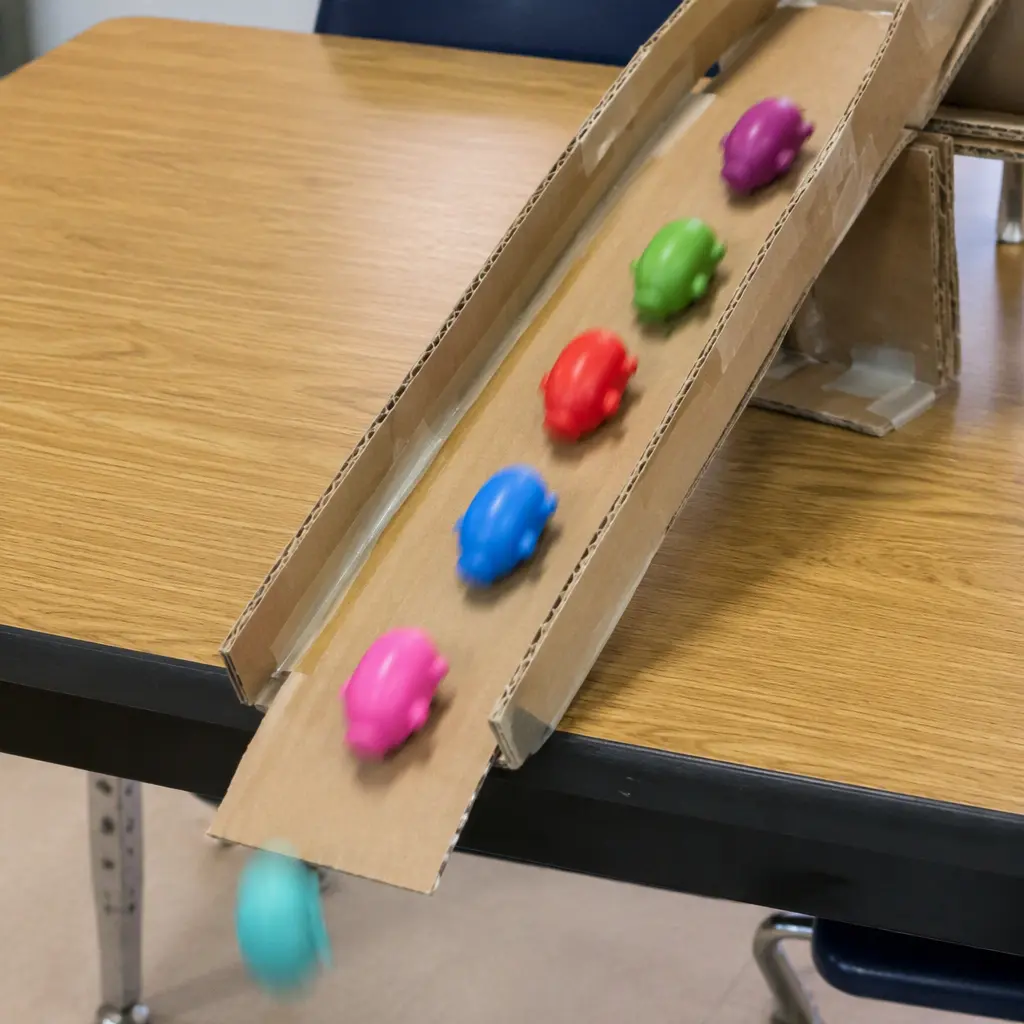
Modern · 2002
Mighty Beanz turned simple bean-shaped capsules into collectible stunt toys, blending chance, skill, and playground competition during the early 2000s craze.
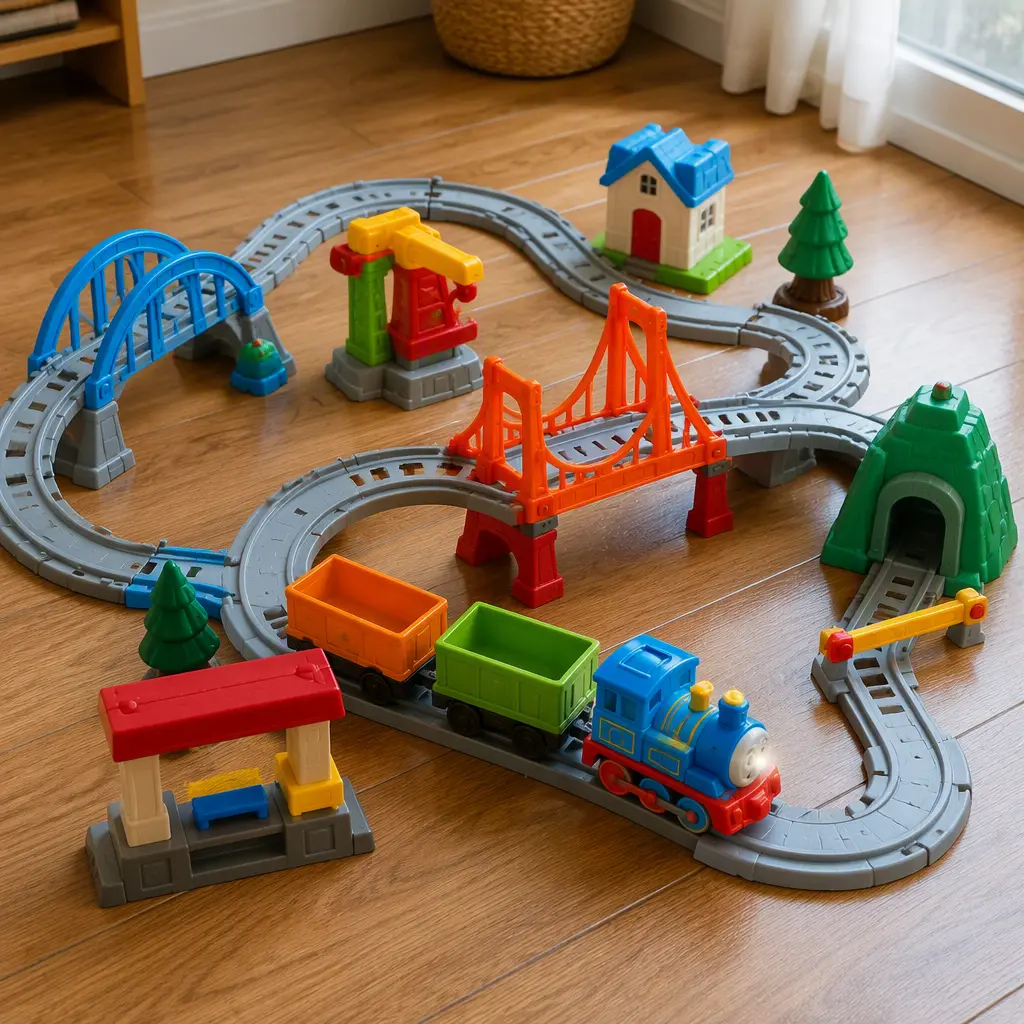
Modern · 2003
Fisher-Price GeoTrax combined chunky toddler-friendly tracks with battery-powered trains and remote-triggered action, creating a railway system that stayed approachable for younger kids.
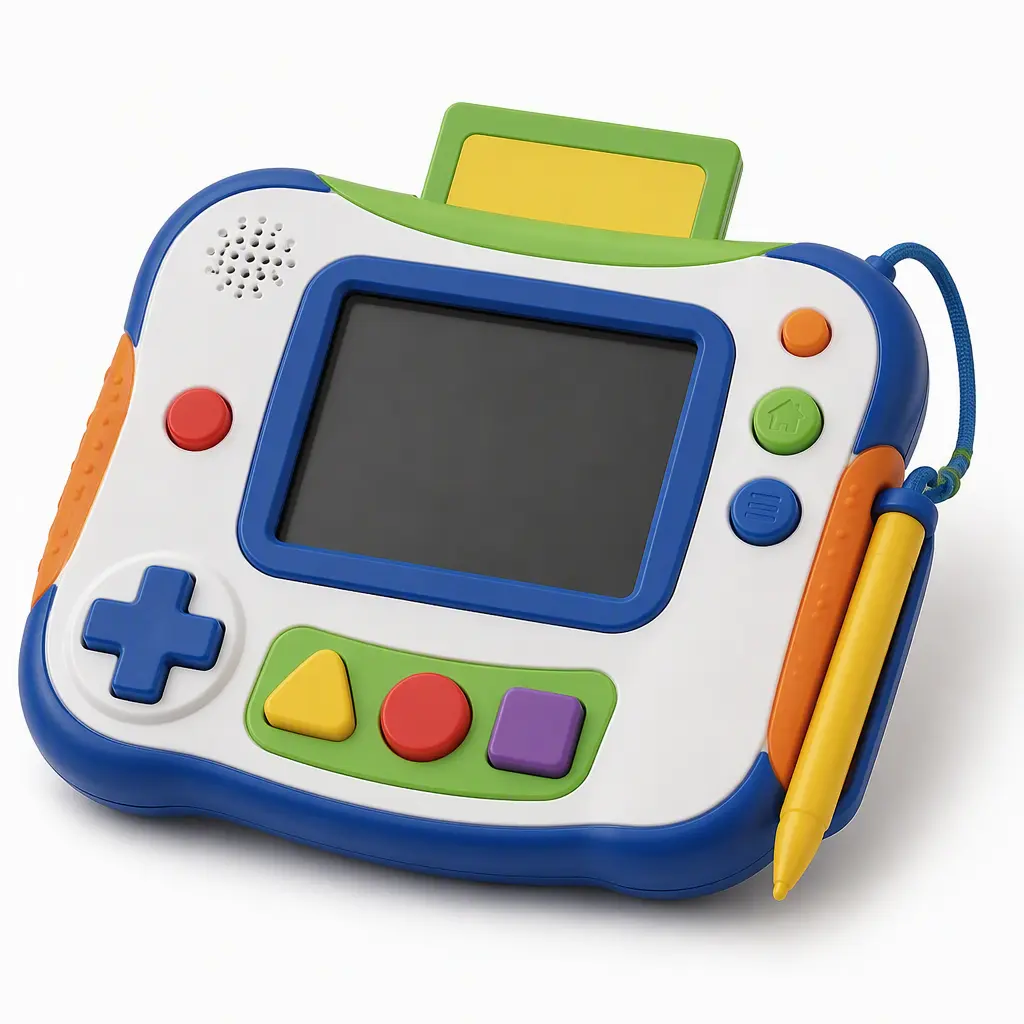
Modern · 2003
LeapFrog’s Leapster blended educational software with the look and feel of a handheld console, turning reading, math, and problem-solving into a familiar gaming ritual for many children in the 2000s.
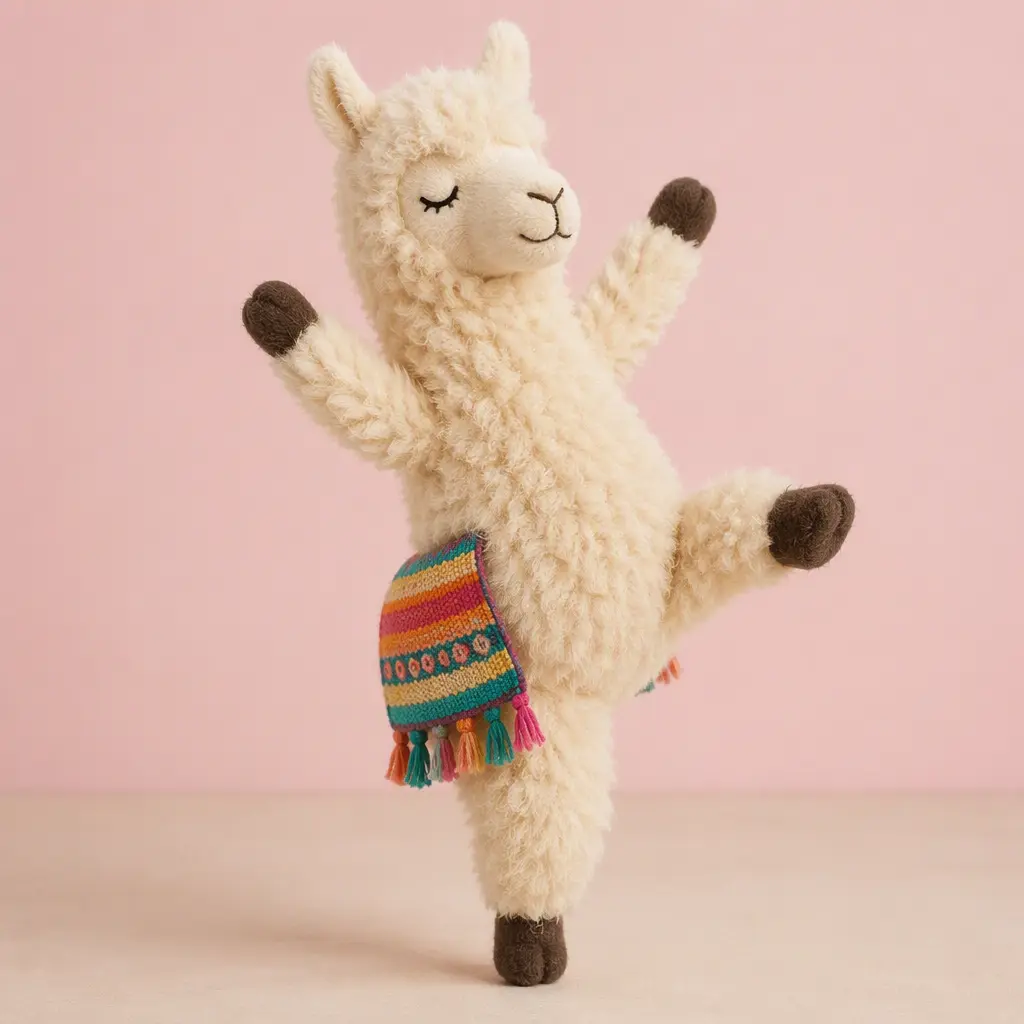
Contemporary · 2019
A battery-powered dancing llama with a catchy routine, Boppi became a brief but memorable holiday sensation in 2019, showing how internet buzz can turn a novelty toy into a seasonal phenomenon.
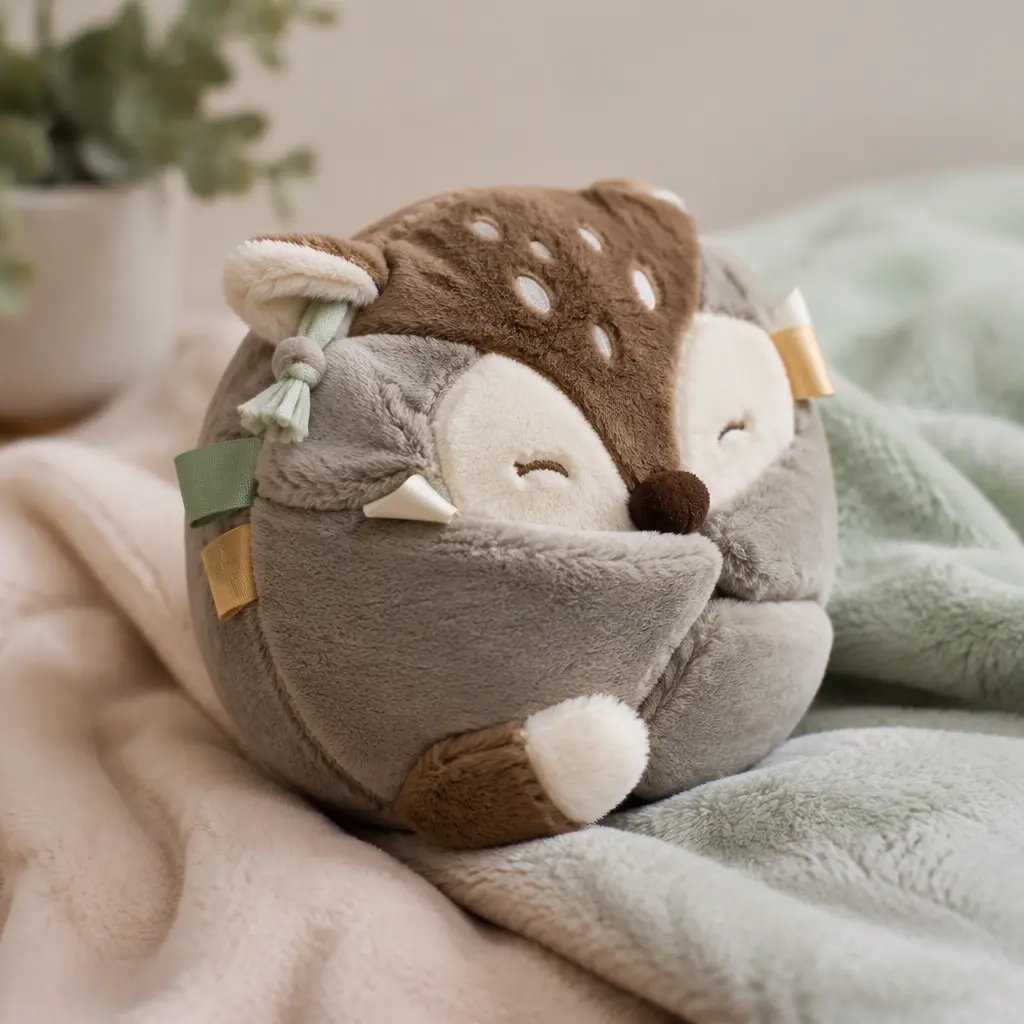
Contemporary · 2022
Curlimals arrived during a wave of gentler tech toys, combining soft plush design with simple responsive sounds and movement. Their appeal comes from low-pressure, comforting play rather than complicated apps or screens.
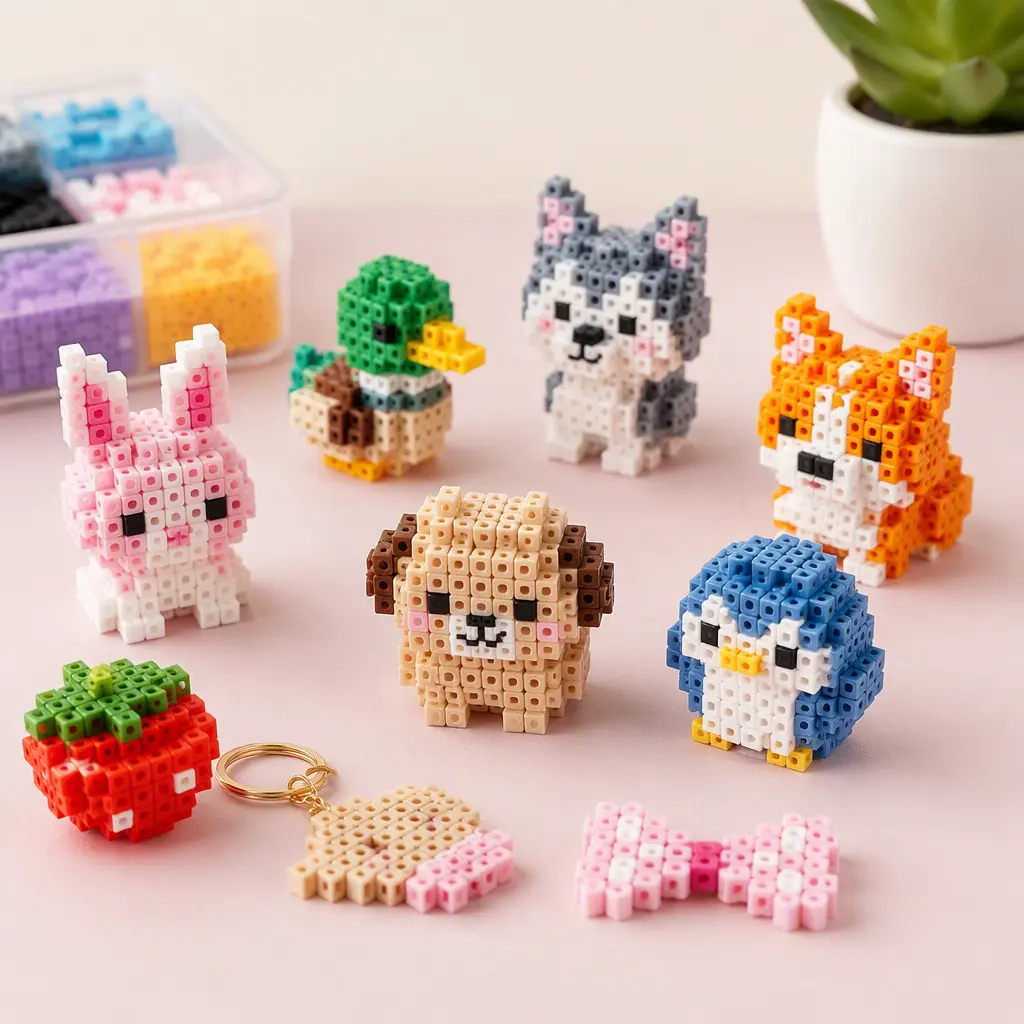
Contemporary · 2021
Pixobitz turned tiny water-fuse cubes into a social-media-ready craft trend, blending pixel art, collectible design, and simple no-heat assembly for a new generation of makers.
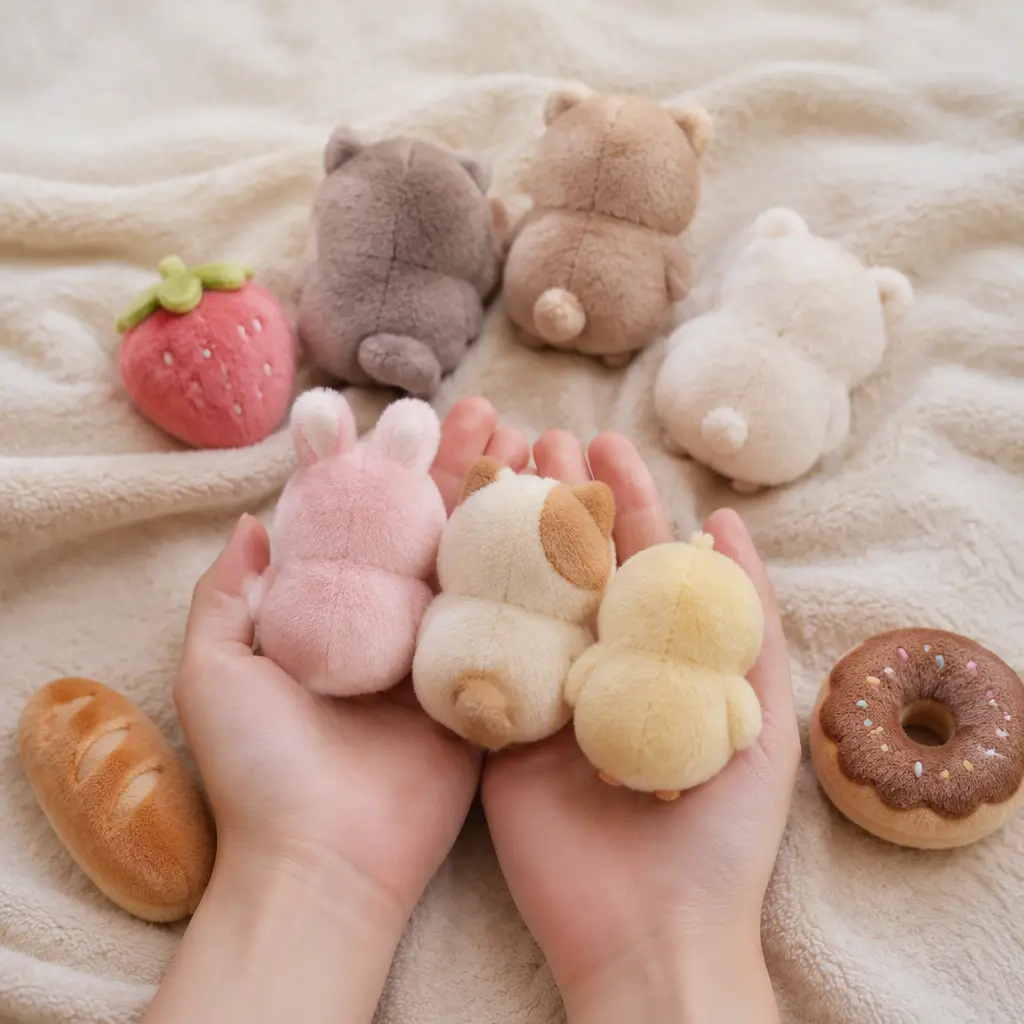
Contemporary · 2022
Palm Pals turned tiny bean-filled plush toys into a modern comfort collectible, blending soft textures, expressive designs, and low-pressure collecting for kids and adults alike.
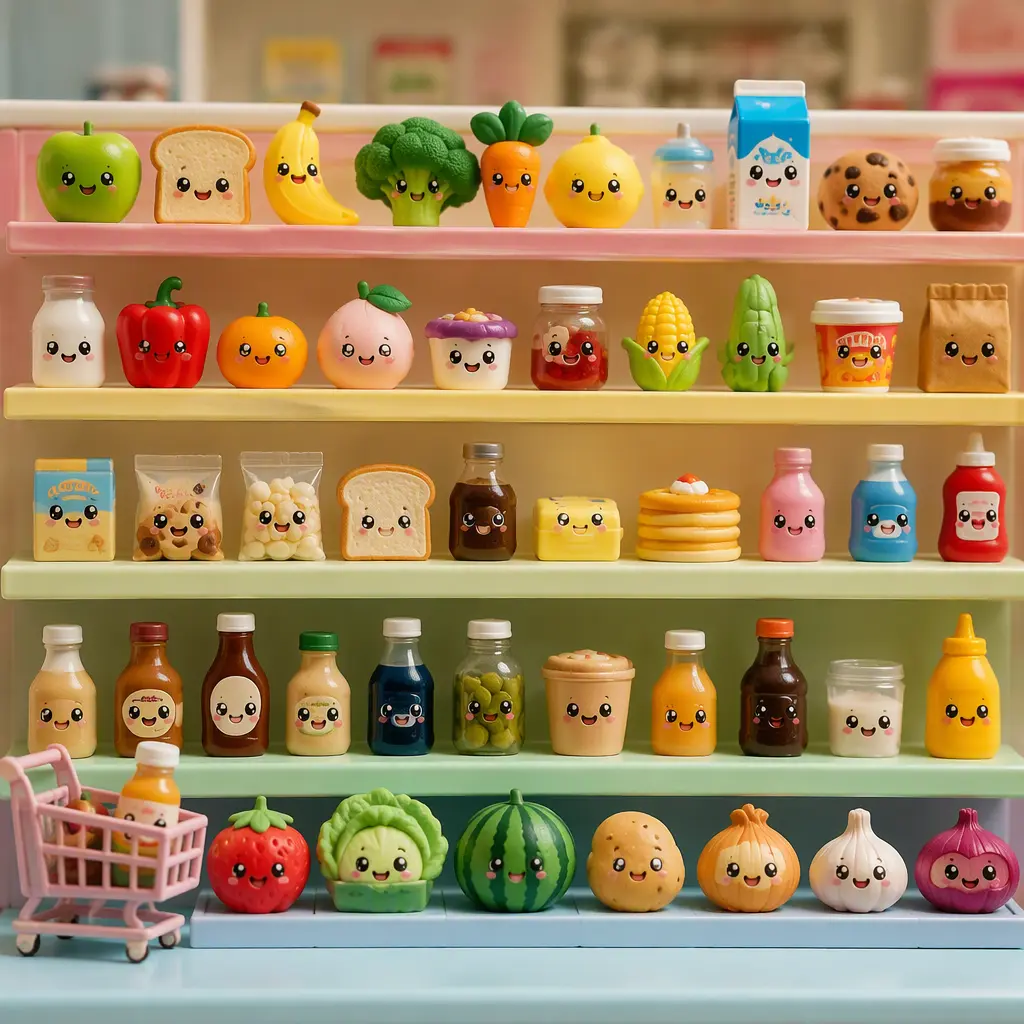
Modern · 2014
Launched in 2014, Shopkins turned miniature grocery items into a major playground craze. Their mix of surprise reveals, trading culture, and affordable collecting helped define toy trends of the 2010s.
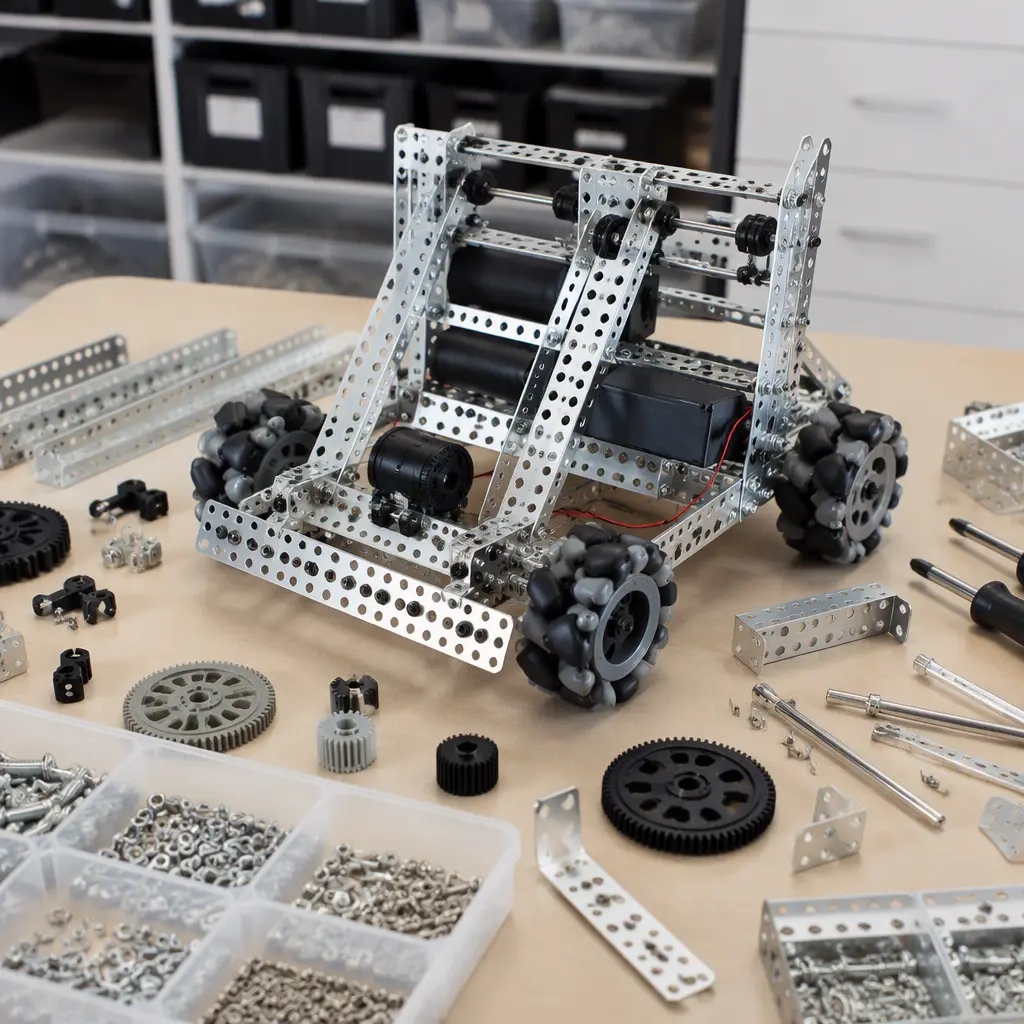
Modern · 2005
VEX Robotics turned classroom engineering ideas into hands-on building challenges, blending metal parts, coding, and competition into a toy family that appeals to students, hobbyists, and schools alike.

Modern · 2005
Part plush toy, part December ritual, Elf on the Shelf turned holiday countdowns into nightly storytelling and family participation after its 2005 debut.
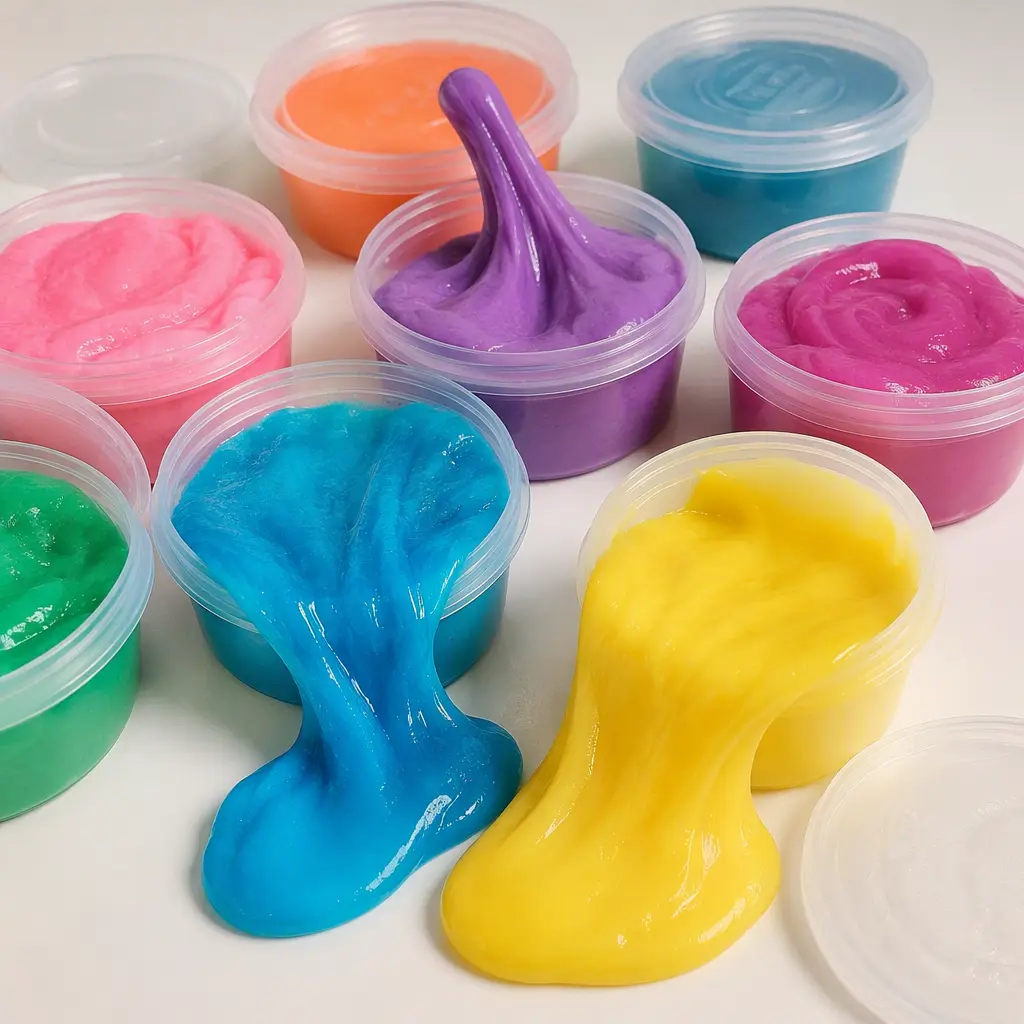
Classic · 1992
Nickelodeon’s Gak turned stretchy slime into a mainstream toy in the early 1990s, blending gross-out humor, sensory play, and television-era branding into one of the decade’s messiest fads.
Classic · 1995
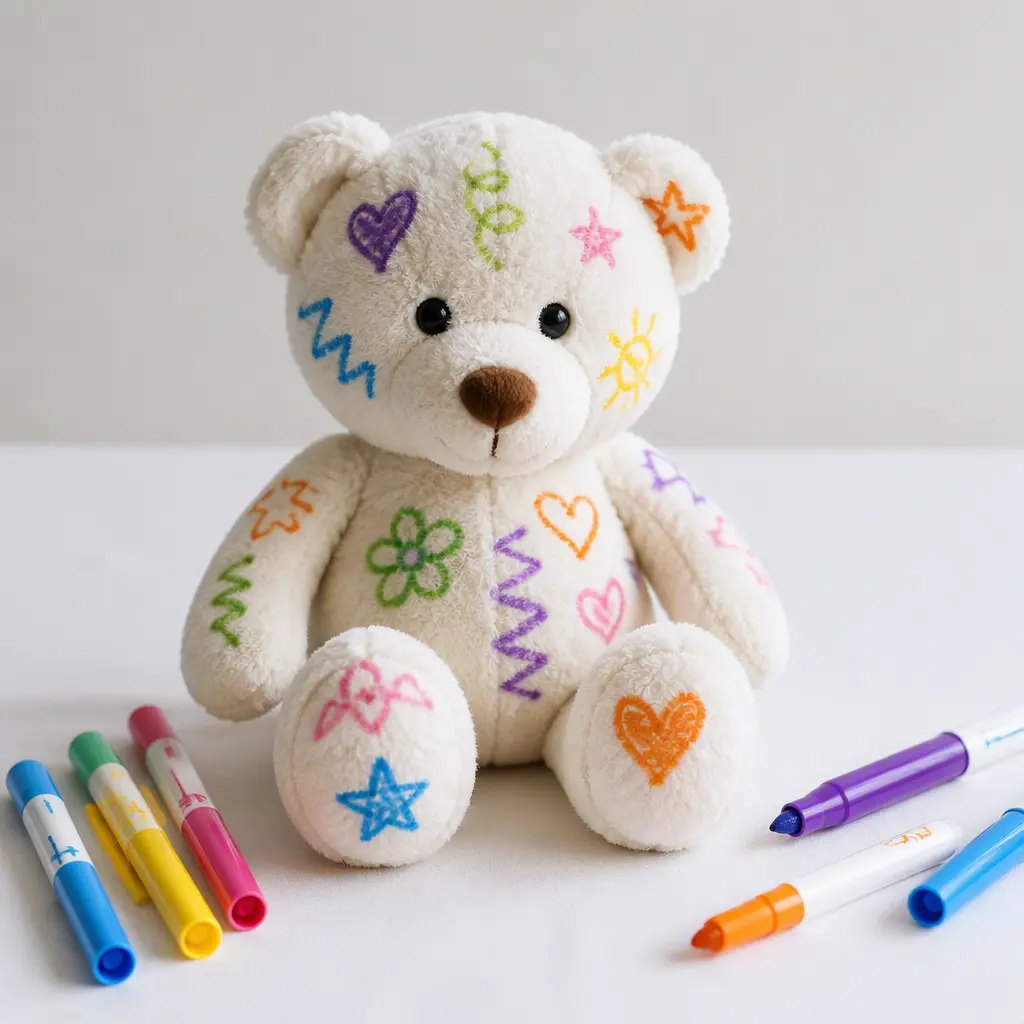
Doodle Bear turned a plush toy into a reusable canvas. Introduced in the mid-1990s, the washable stuffed bear encouraged kids to draw, decorate, wash, and start over again.
Classic · 1964
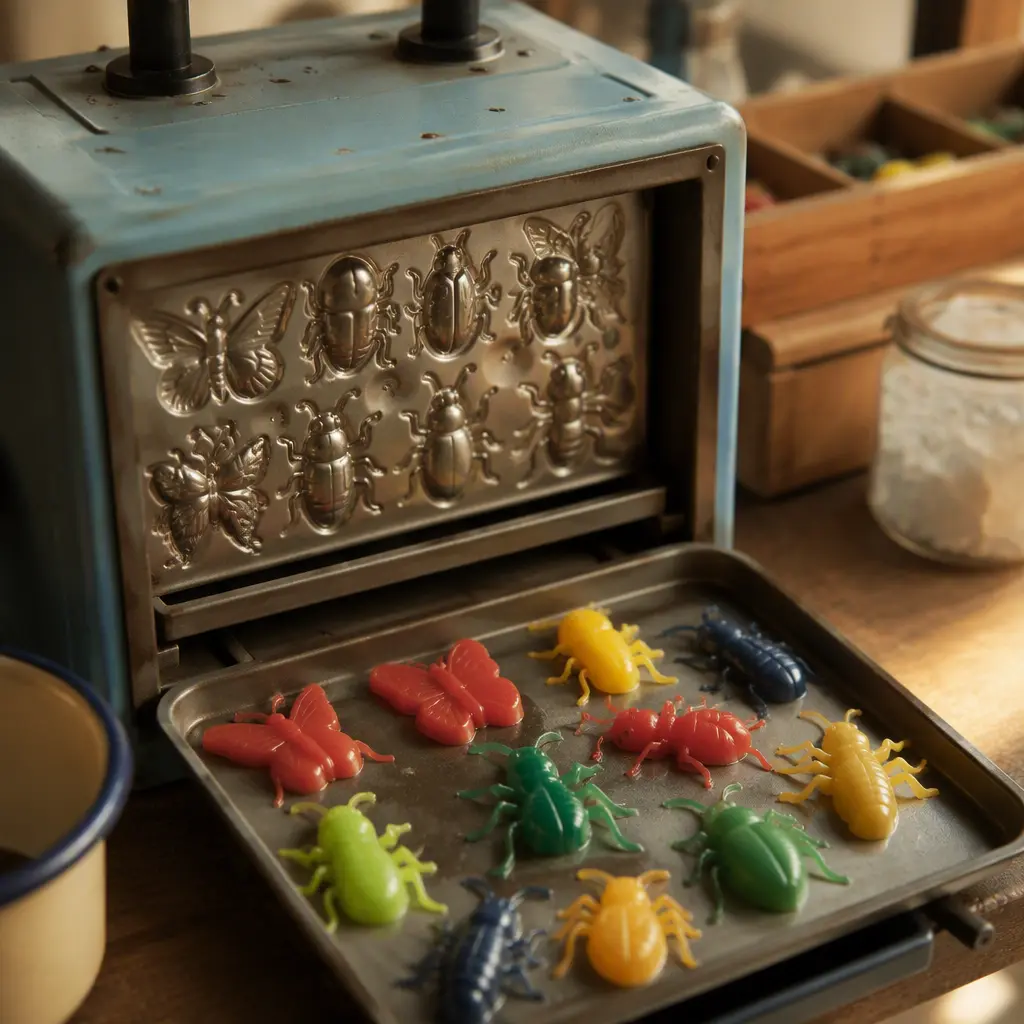
Creepy Crawlers turned a miniature hot plate into a strange, unforgettable craft toy. Generations of kids poured liquid goo into metal molds and baked rubbery insects at home.
Classic · 1985
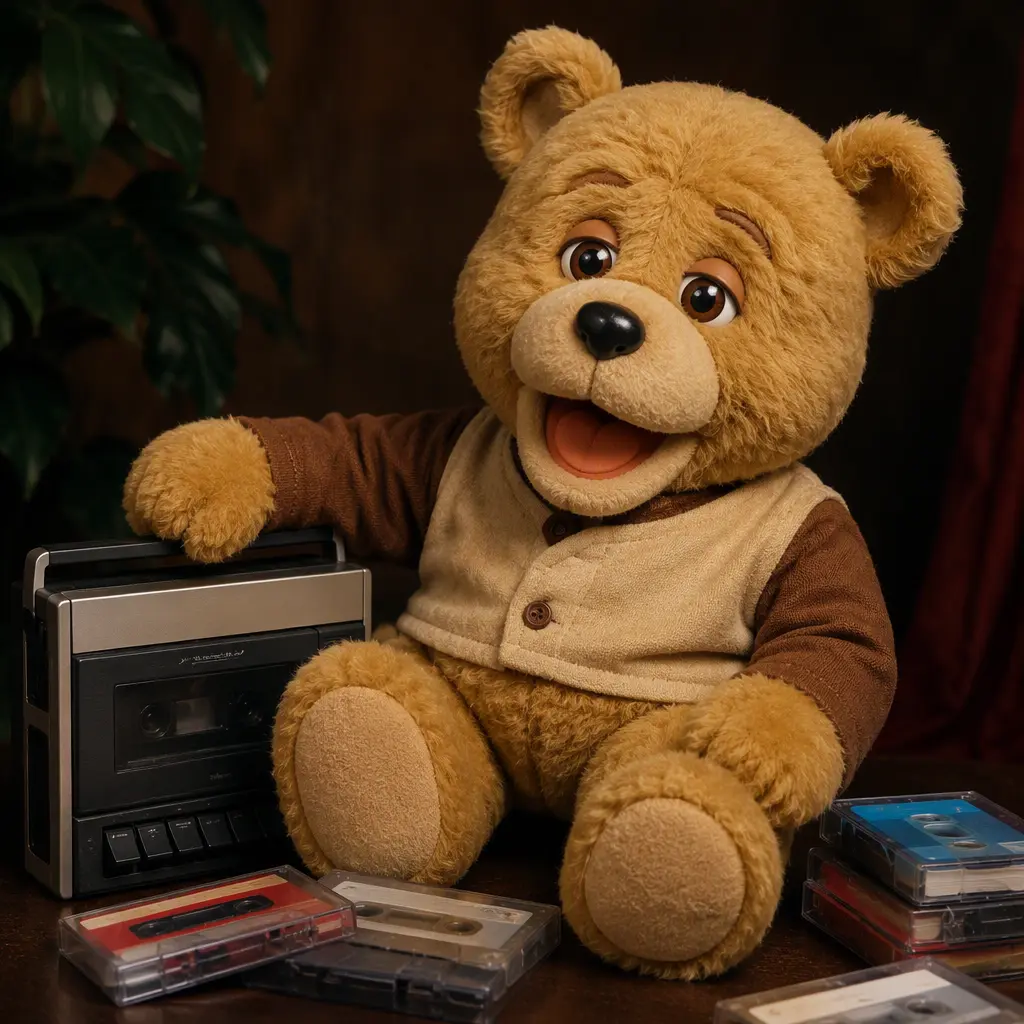
Long before tablets and smart speakers, Teddy Ruxpin blended cassettes, animatronics, and bedtime storytelling into one memorable toy experience for children of the 1980s.
Modern · 2018
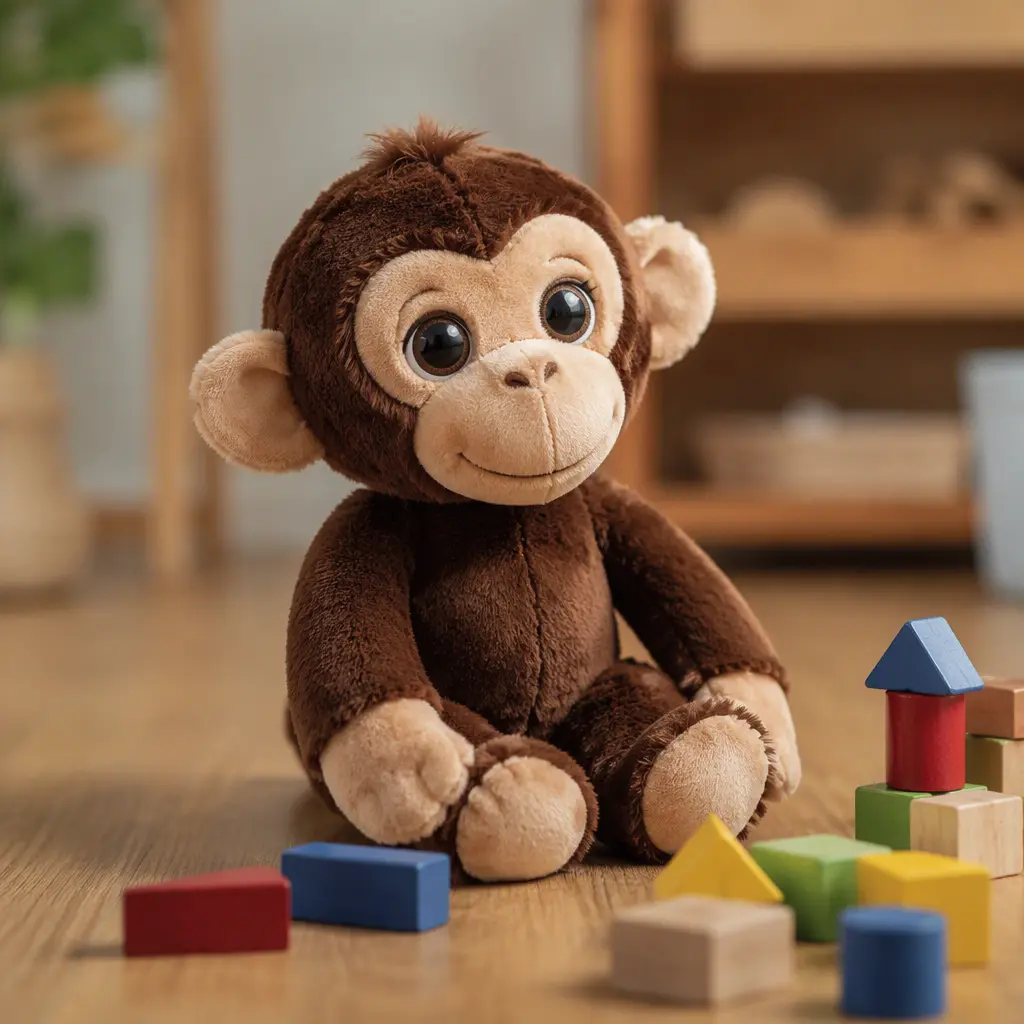
Released during the late-2010s wave of interactive plush toys, furReal Peanut the Playful Monkey stood out with expressive motion, touch responses, and a mix of cuddly charm and simple robotics.
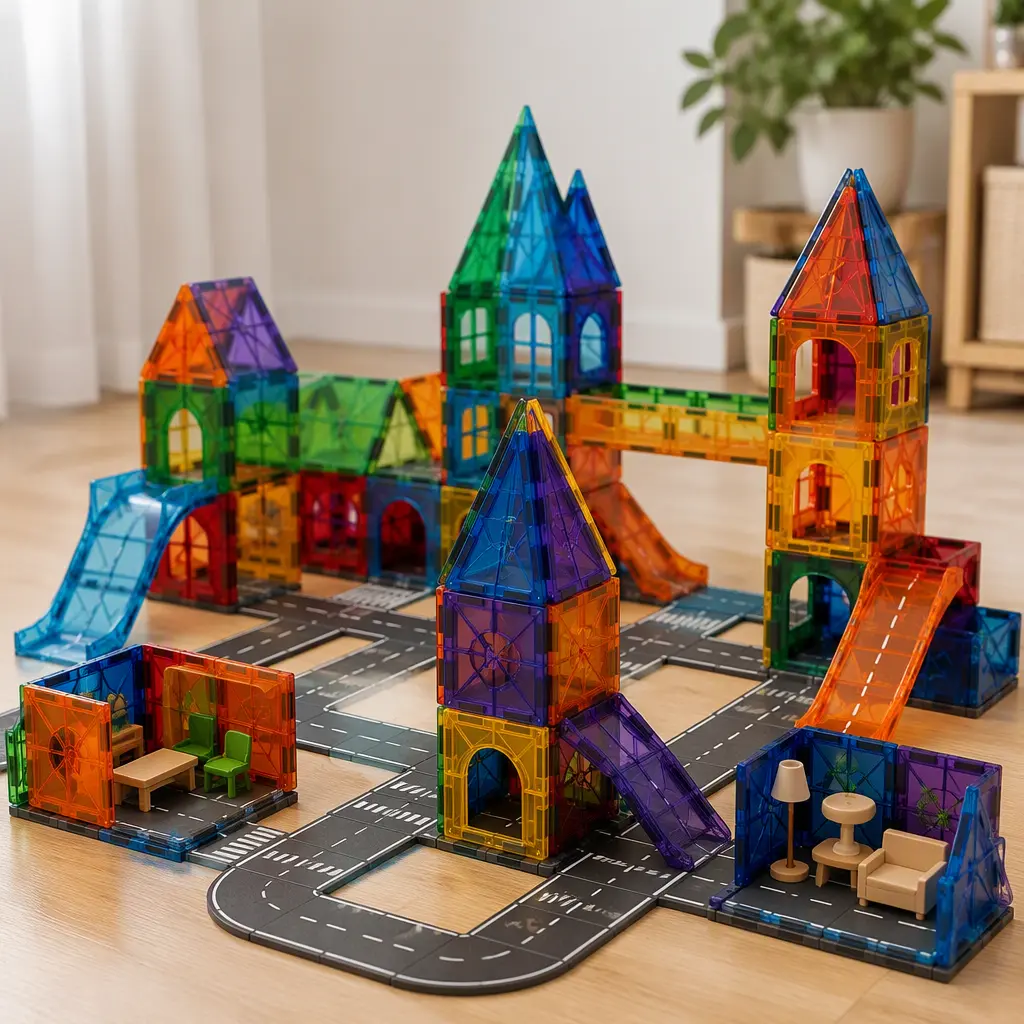
Contemporary · 2023
Tileblox Magnetic Worlds reflects a newer wave of magnetic tile play, shifting from simple tower-building into detailed miniature environments with roads, rooms, vehicles, and storytelling elements.

Contemporary · 2021
Magic Mixies turned toy unboxing into a theatrical potion-making game, blending interactive effects, collectible creatures, and surprise reveals for a social-media generation.
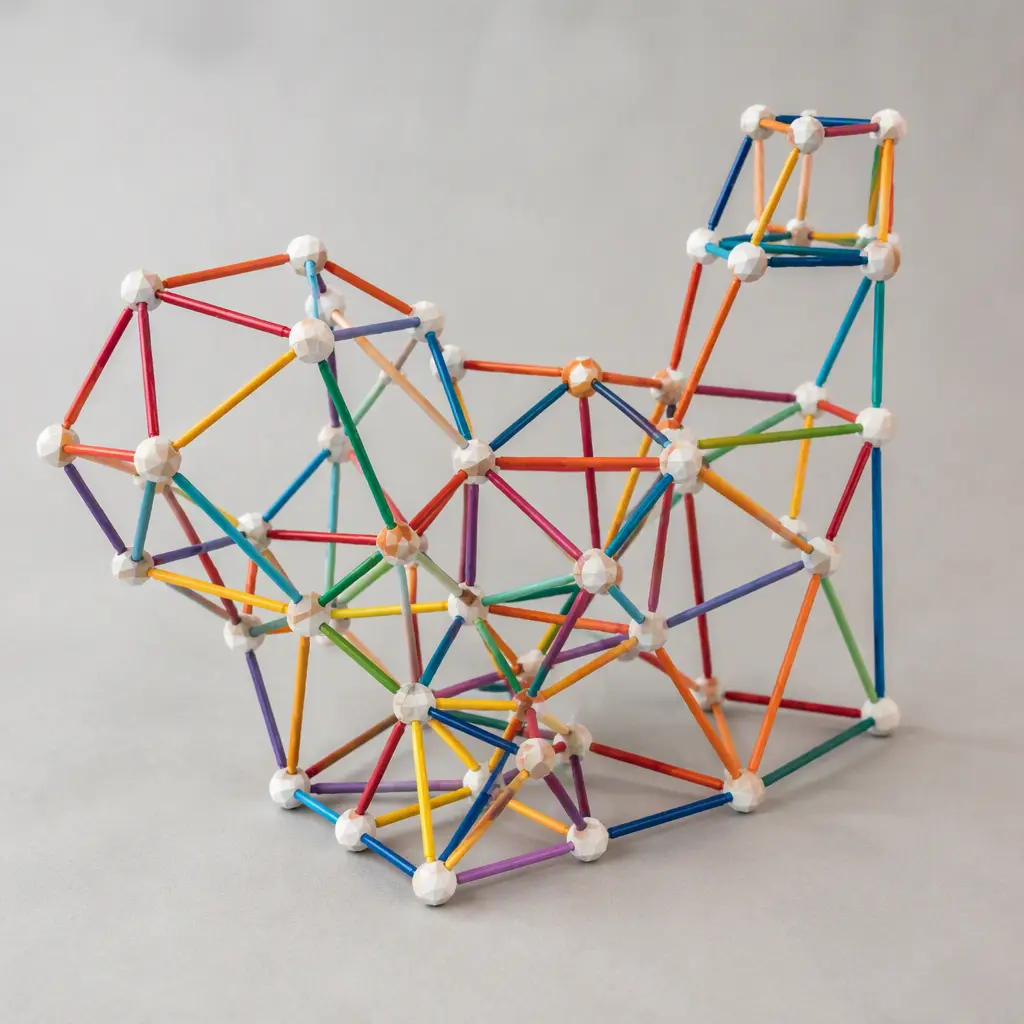
Classic · 1992
Zometool turned abstract geometry into something people could hold, building a following among teachers, museum educators, designers, and space-minded hobbyists since the early 1990s.
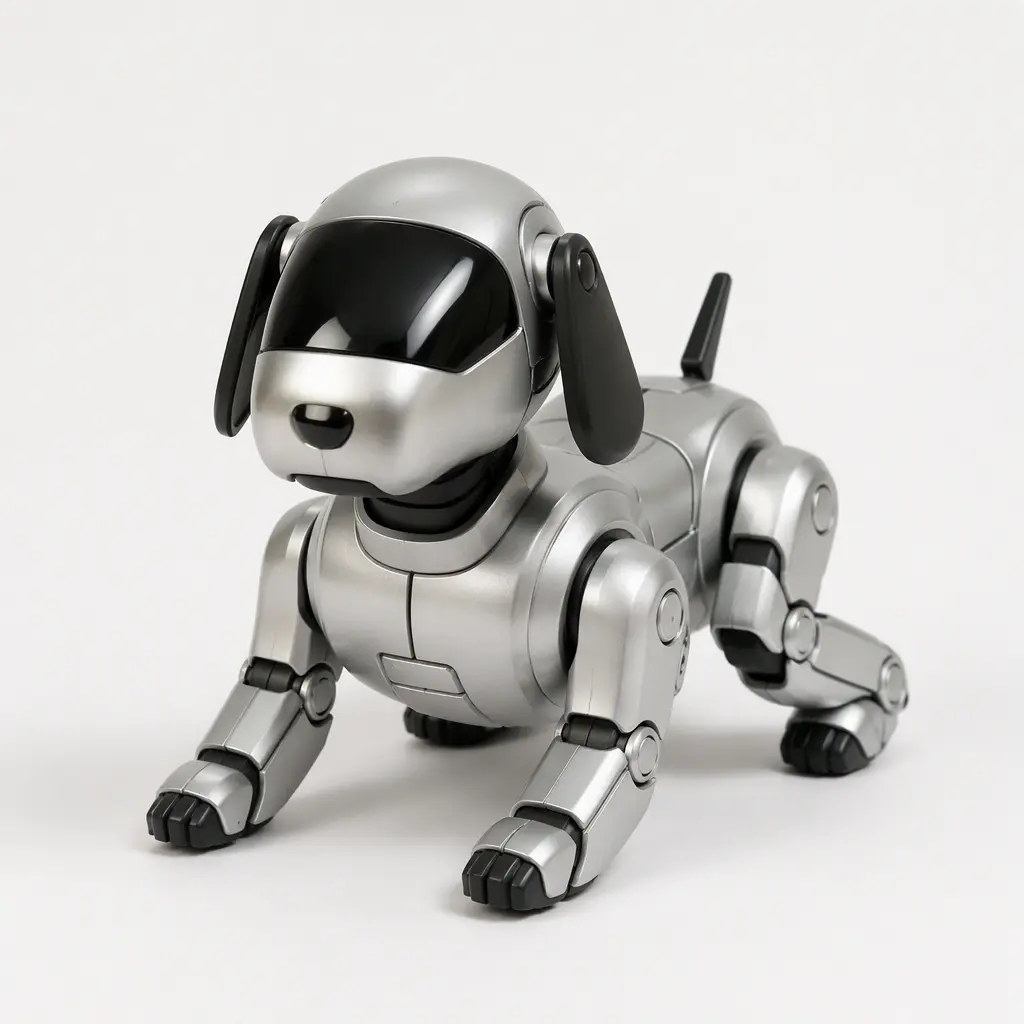
Modern · 2000
Poo-Chi arrived in 2000 as a low-cost robotic pet with sounds, sensors, and personality. Its mix of simple robotics and expressive behavior hinted at the connected toys that would soon follow.

Modern · 2019
Launched in 2019, 5 Surprise Mini Brands turned miniature grocery replicas into a fast-growing collectible craze by combining unboxing surprises, pretend play, and detailed tiny packaging.
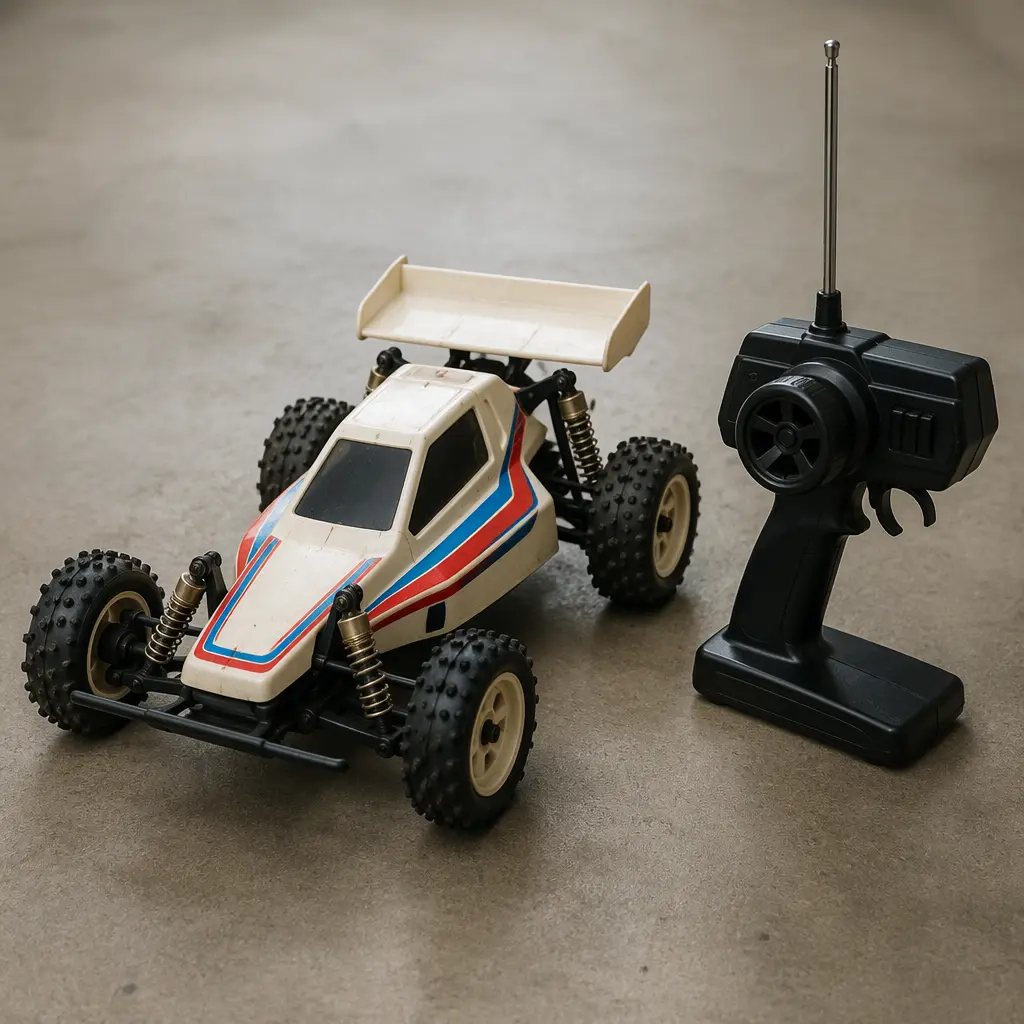
Classic · 1986
Tyco RC cars turned radio-controlled driving into an everyday toy in the late 1980s and 1990s, bringing fast, affordable racing and stunt play to living rooms, driveways, and backyards.
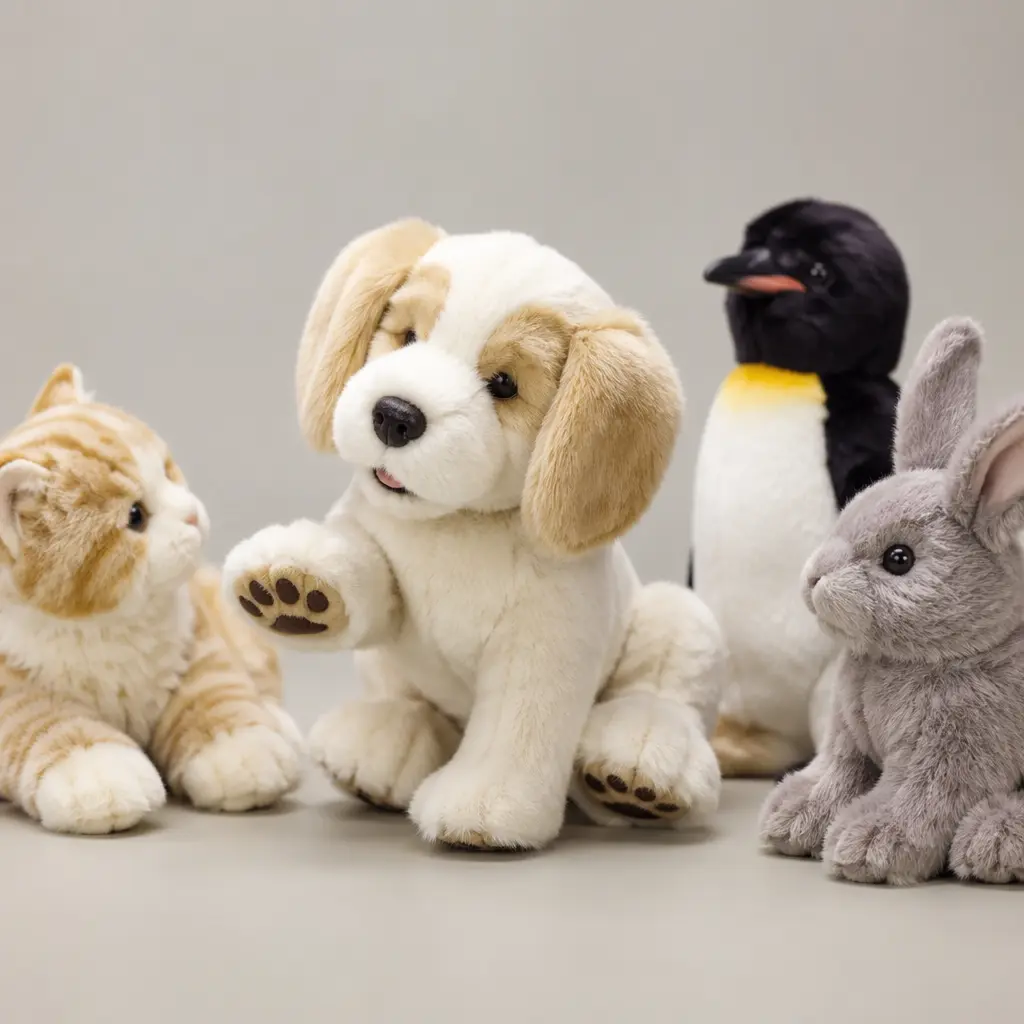
Modern · 2002
FurReal Friends turned plush animals into responsive robotic companions, blending soft toy comfort with sensors, sounds, and movement in a way that shaped modern interactive toys.
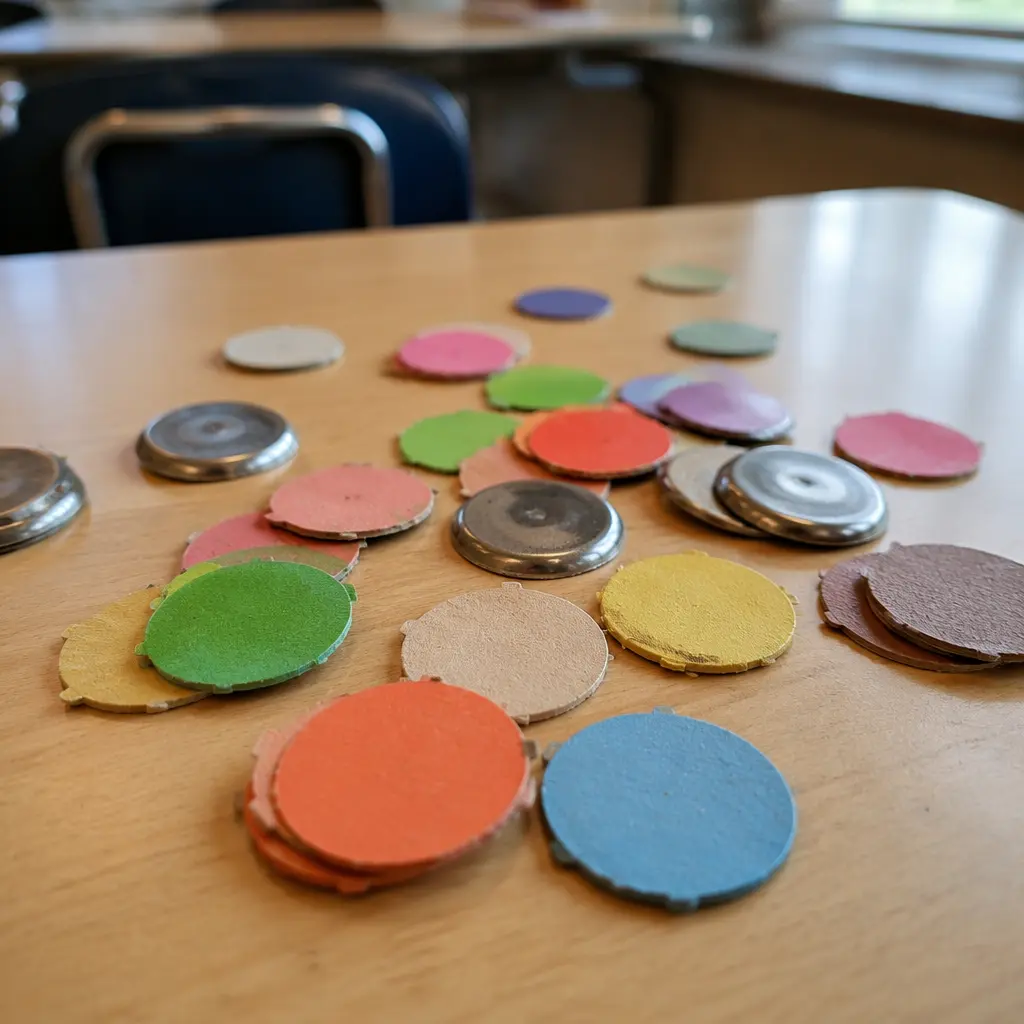
Classic · 1991
Pogs turned simple cardboard milk caps into one of the biggest playground crazes of the 1990s, blending collecting, competition, and colorful design into a fast-moving social game.
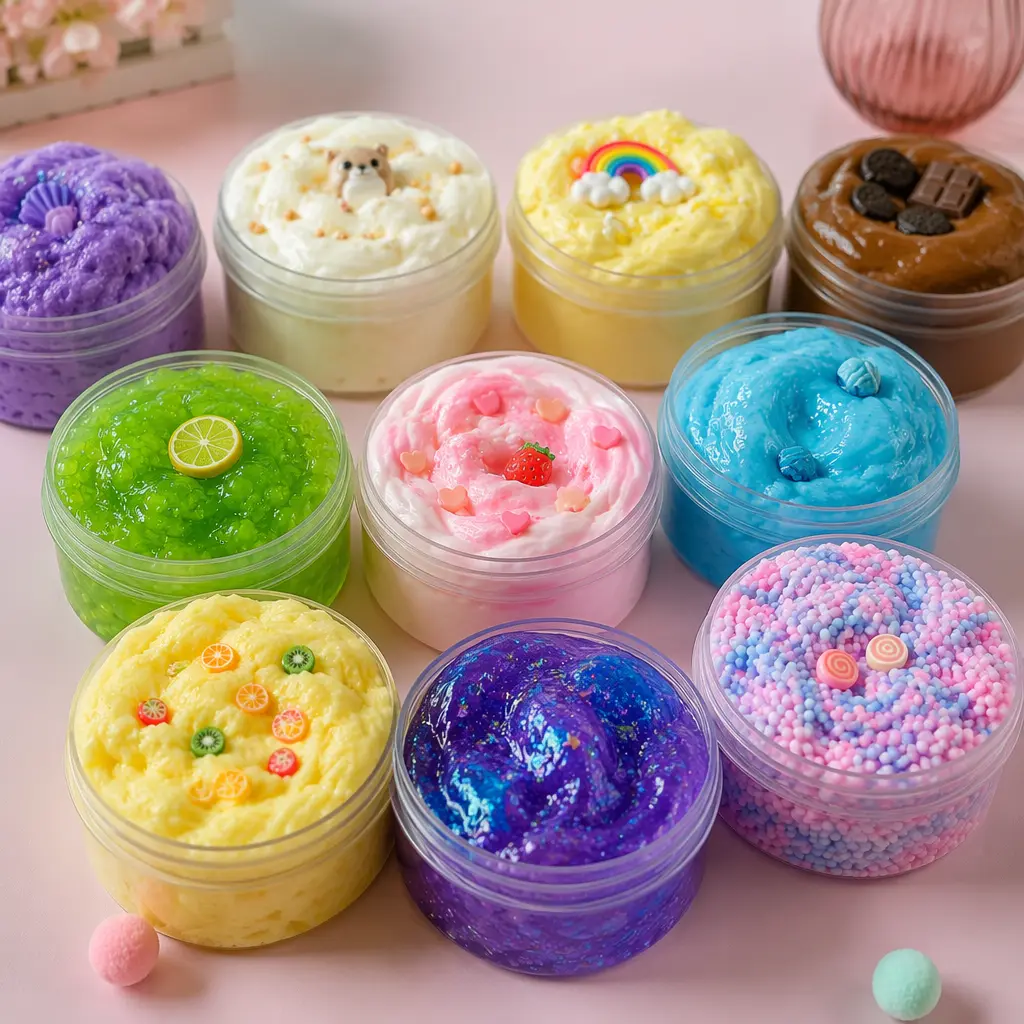
Contemporary · 2021
Taba-Licious Slime helped push slime from a simple DIY craft into a curated collectible hobby, blending texture design, scent themes, and social media appeal for kids and adults alike.
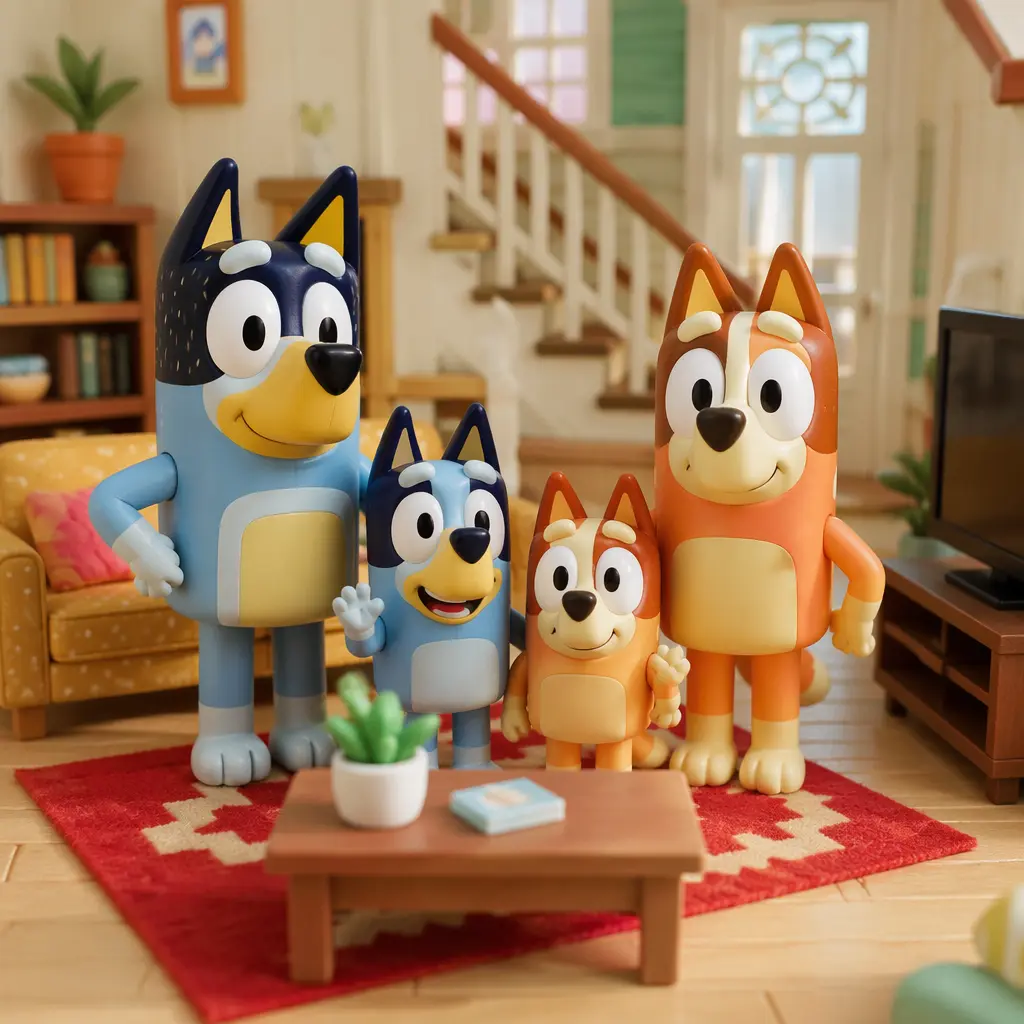
Contemporary · 2022
Bluey Heeler Family Figures became a standout preschool toy line by turning a hit TV show's everyday family moments into flexible, open-ended pretend play.
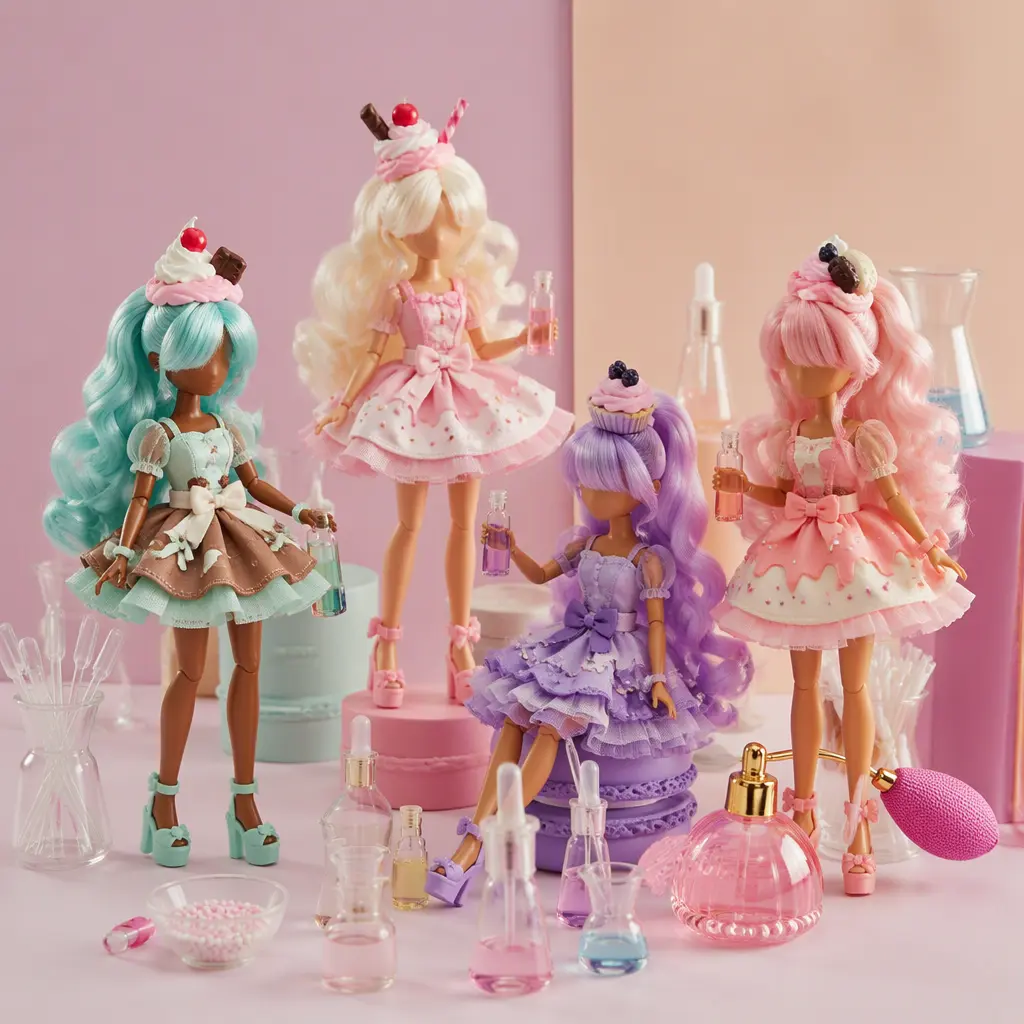
Contemporary · 2024
MGA's Yummiland dolls blend collectible fashion play with simple scent-mixing activities, tapping into kids' interest in beauty routines while keeping the experience tactile and imaginative.

Contemporary · 2023
Nee Doh Gumdrop turned the familiar squeeze toy into a textured, rounded shape that feels playful and calming at the same time, helping revive the sensory-toy boom for kids and adults alike.
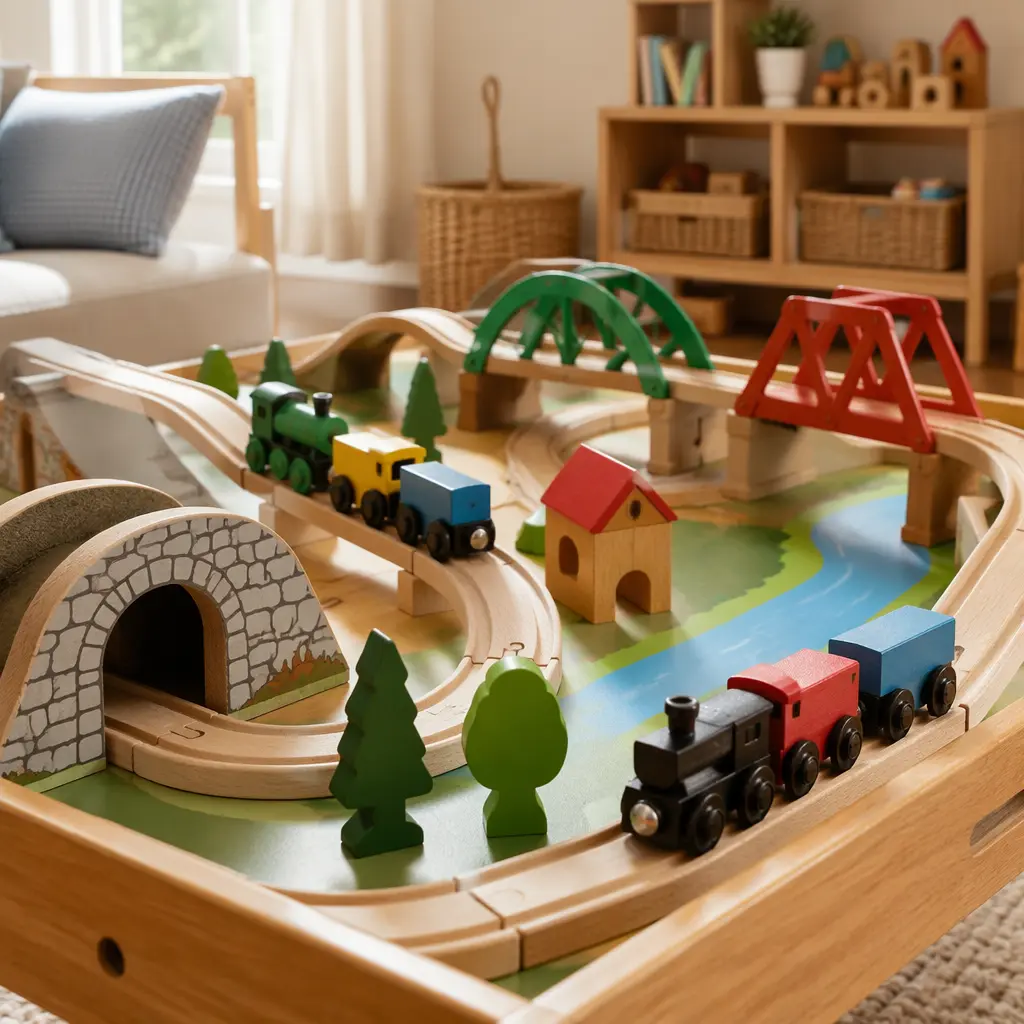
Classic · 1992
Wooden Thomas trains turned a TV character into an open-ended play system that still fills train tables decades later, blending sturdy design, storytelling, and cross-generational appeal.
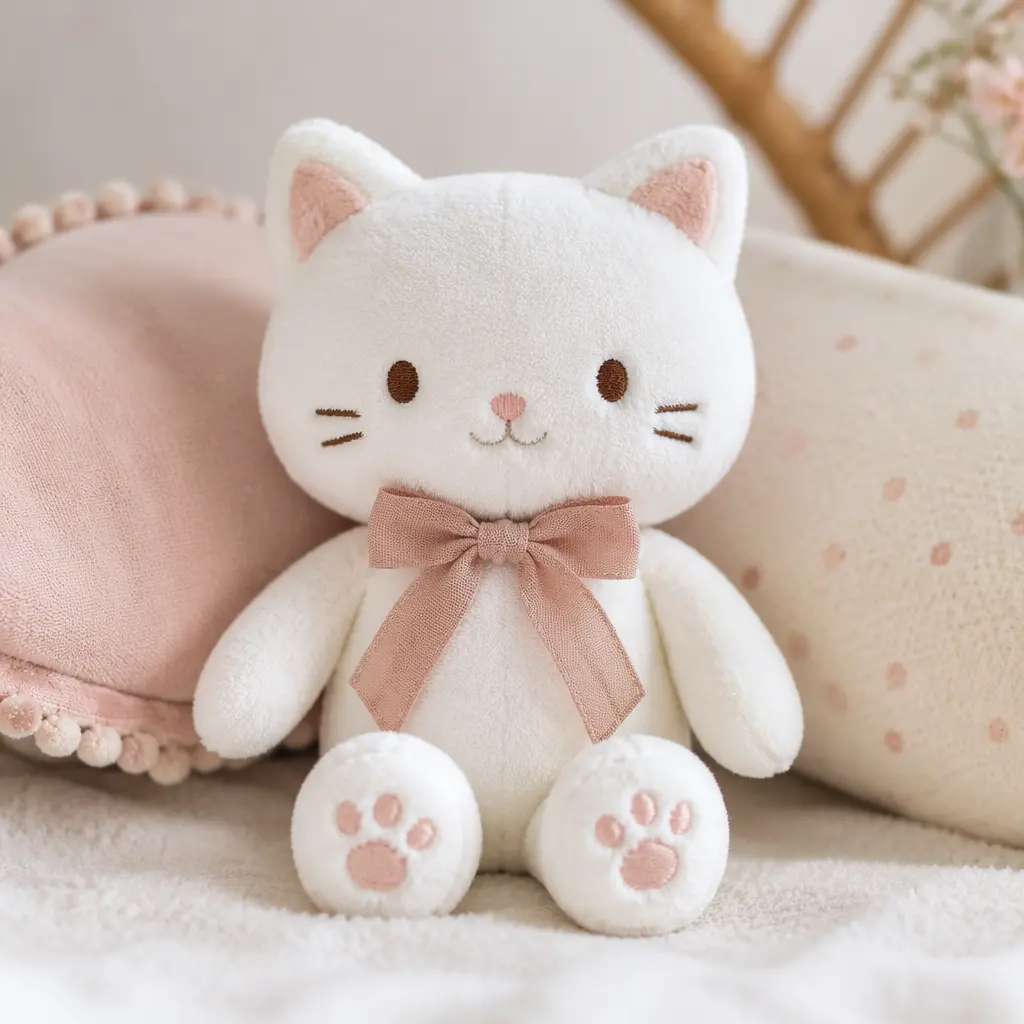
Classic · 1974
From a small 1970s character design to a worldwide plush phenomenon, Hello Kitty toys turned minimalist styling and collectible variety into lasting appeal across generations.