Low-Cost Craft Supplies for a Kid Art Station (Ages 6–8)
A budget-friendly guide to reusable, no-battery art basics for kids ages 6–8. Learn what to buy, how to choose durable supplies, and how to keep an art station stocked without overspending.
Compare prices and availability
Check current prices and availability for this guide on eBay.
As an eBay Partner, we may be compensated if you make a purchase.
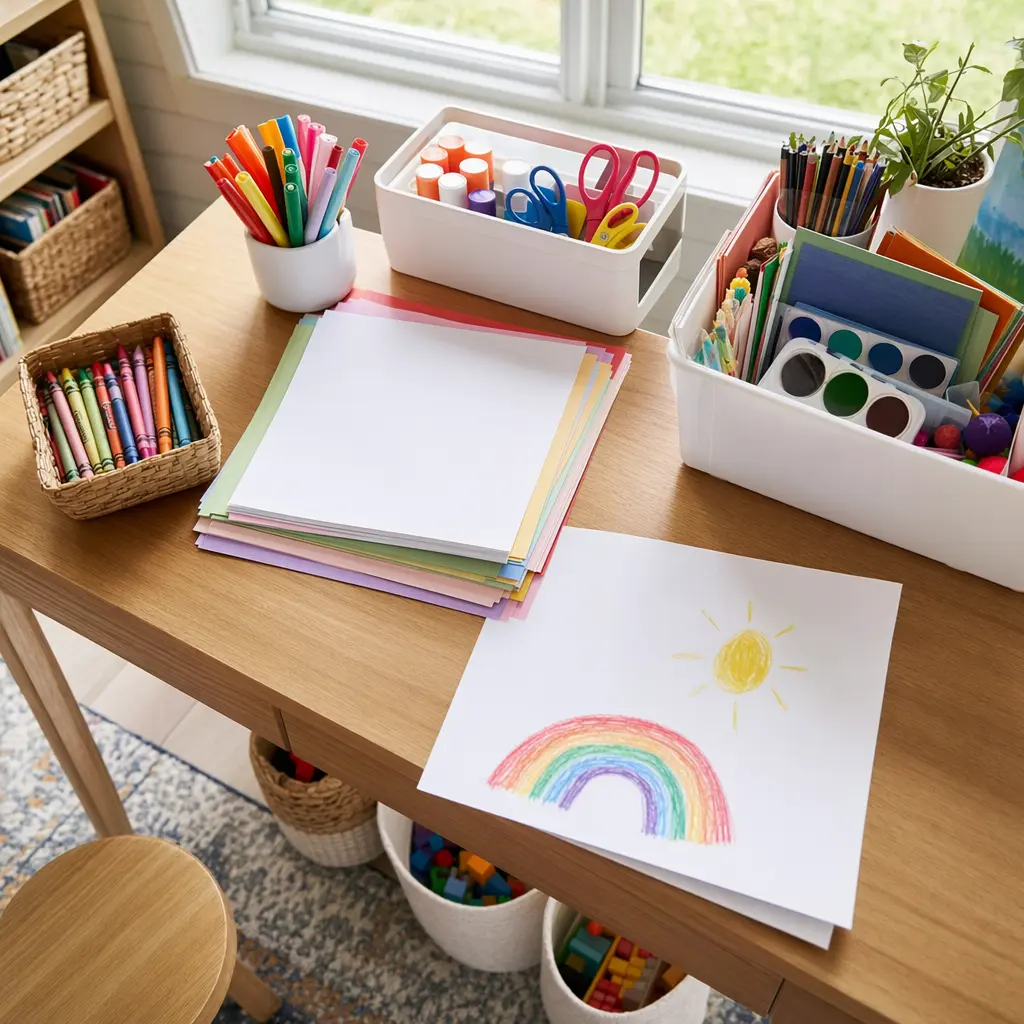
An art station doesn’t need expensive kits or electronics to keep kids engaged. For ages 6–8, simple, reusable craft supplies support creativity, fine-motor skills, and independent play—while staying easy on the budget. The goal is to stock basics that invite drawing, cutting, building, and decorating without constant refills or batteries.
What to look for
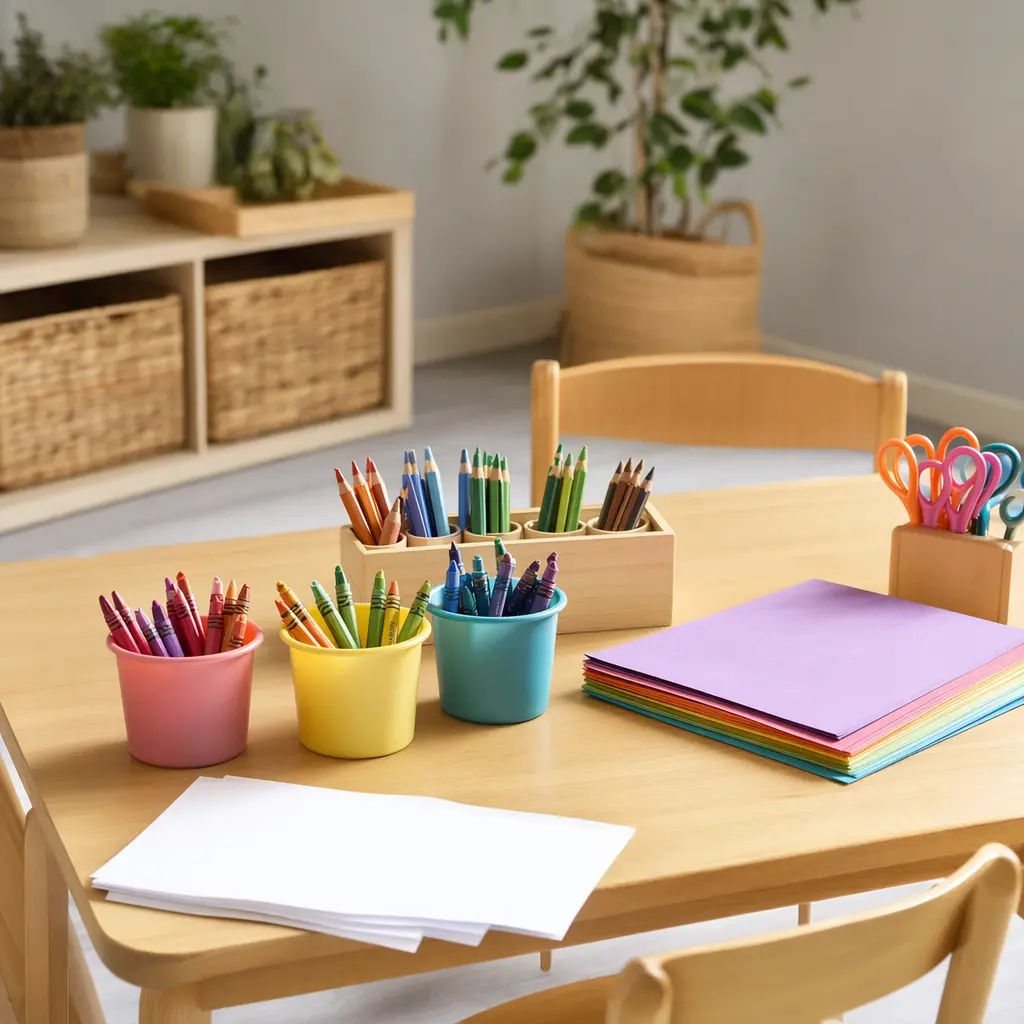
When shopping for low-cost craft supplies, focus on items that last through repeated use and work across many projects. Kids in this age range are developing control and planning, so tools should be sturdy, easy to handle, and forgiving of mistakes.
- Reusability: Supplies that can be used again and again, like crayons or washable markers, stretch a budget further.
- Durability: Thicker paper, solid plastic tools, and tightly wound sticks break less often.
- Open-ended use: Items that don’t dictate a single outcome encourage imagination.
- Easy cleanup: Washable or dry materials help keep art time low-stress.
- Simple storage: Supplies that fit in bins or cups make it easier for kids to help tidy up.
Age suitability
Kids ages 6–8 are typically ready for more precise tools and longer projects than preschoolers. They can cut along lines, plan multi-step creations, and mix materials. Look for standard-size scissors with blunt tips, drawing tools that allow detail, and materials like construction paper or cardboard that hold up to gluing and layering.
Standout categories or types
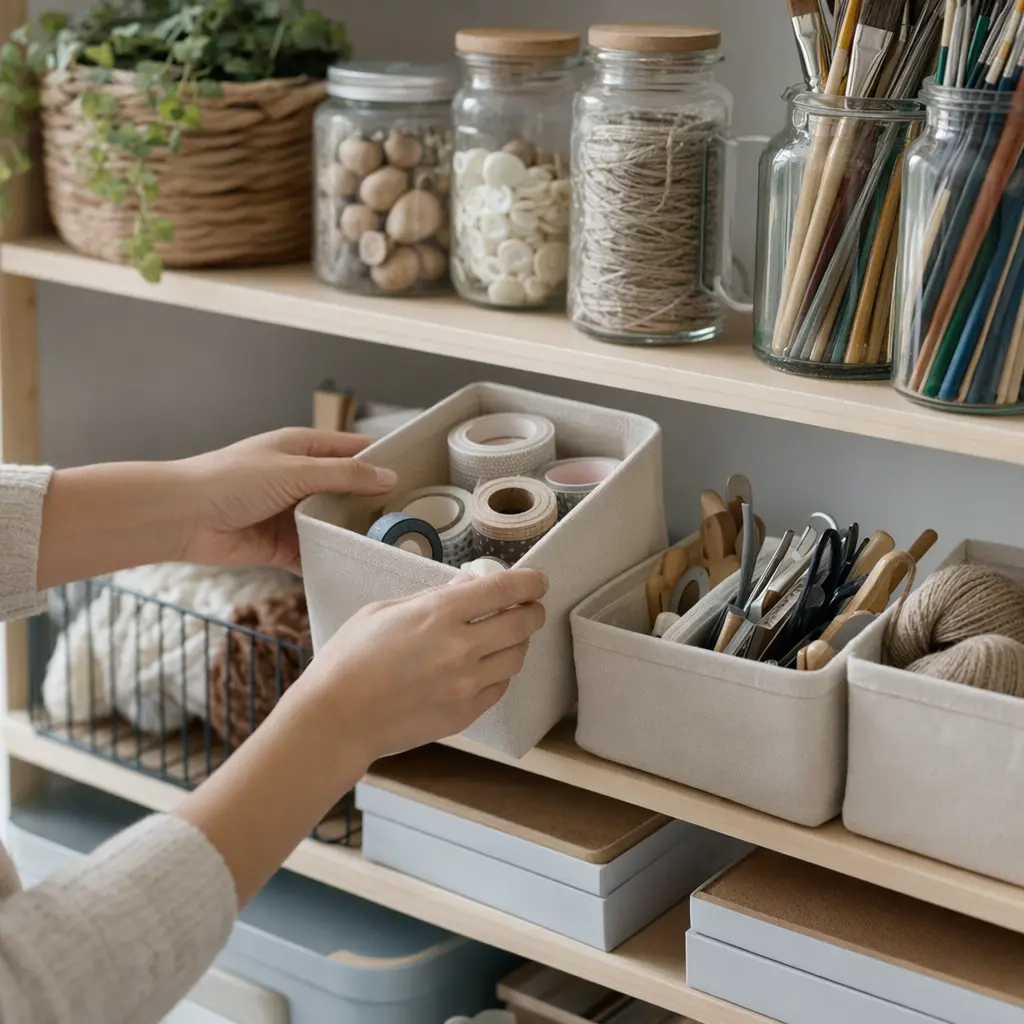
A well-rounded art station mixes drawing, building, and decorating materials. These categories cover most creative play without adding clutter or cost. Buying them individually lets you replace only what runs out, rather than rebuying full kits.
- Drawing and coloring basics: Crayons, colored pencils, and washable markers are staples for daily use.
- Paper variety: Plain white paper, construction paper, and scrap cardboard support everything from sketches to 3D builds.
- Cutting and sticking tools: Child-safe scissors, glue sticks, and tape are used in nearly every project.
- Decorative extras: Items like yarn, craft sticks, and paper shapes add interest without being single-use.
- Reusable surfaces: Dry-erase boards or laminated sheets allow kids to practice and redo ideas.
Frequently asked questions
How much should a basic art station cost?
A functional setup can be built gradually. Starting with drawing tools, paper, and scissors keeps initial costs low, with decorative extras added over time as interests grow.
Are washable supplies worth it?
Yes. Washable markers, paints, and glues reduce worry about clothes and surfaces, making kids more comfortable experimenting and parents more relaxed about cleanup.
How do I keep supplies from disappearing or breaking?
Clear bins, labeled jars, and a simple reset routine after art time help kids take responsibility. Choosing sturdier items also reduces breakage.
Do kids this age need specialty craft kits?
Not usually. Open-ended basics allow more creativity than pre-planned kits and can be reused across many projects.
A low-cost art station works best when it’s easy to access and inviting to use. By focusing on durable basics and open-ended materials, parents can support creativity without constant spending. Over time, the station can grow alongside a child’s skills, interests, and confidence.