Best Building Toys: LEGO Alternatives for Ages 6–8
A parent-focused guide to lesser-known building toys for ages 6–8 that encourage creativity, problem-solving, and open-ended play—without relying on one famous brick system.
Compare prices and availability
Check current prices and availability for this guide on eBay.
As an eBay Partner, we may be compensated if you make a purchase.
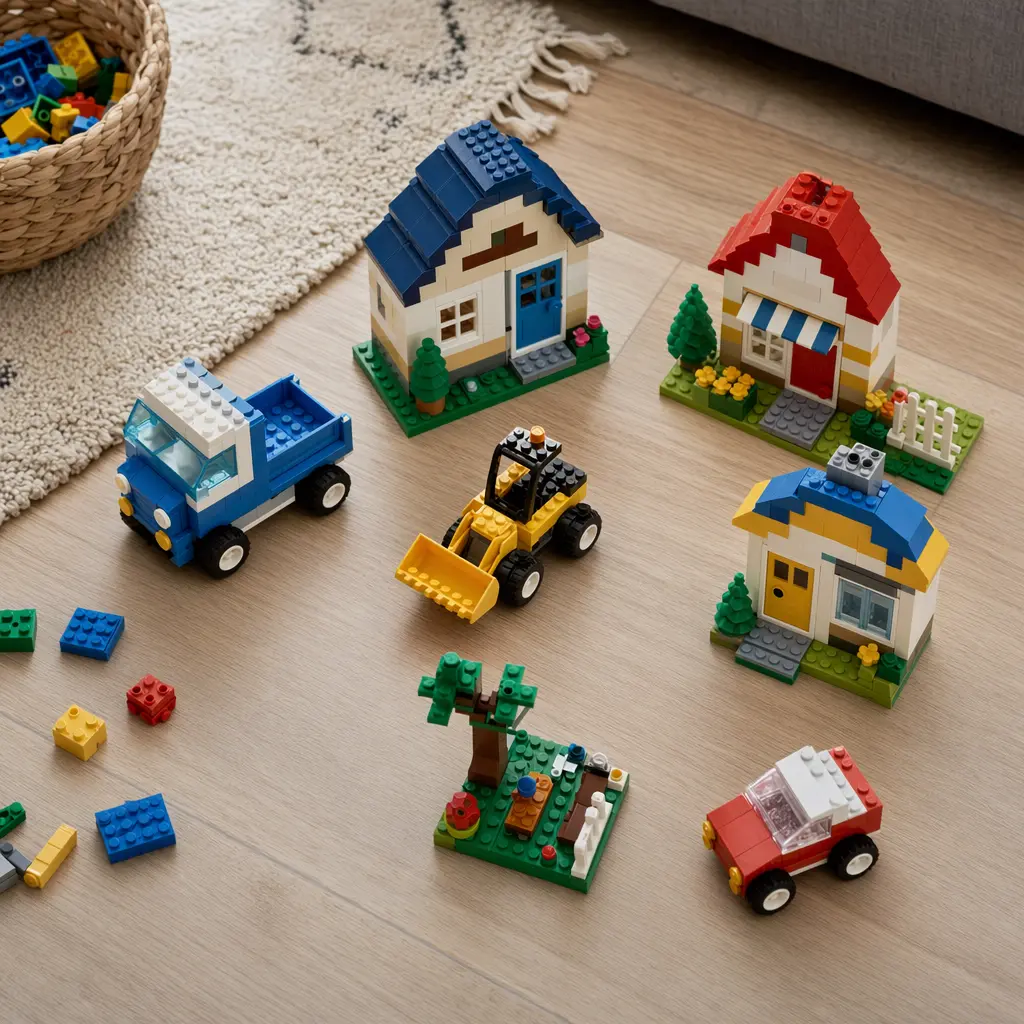
Many kids who enjoy building toys love the freedom to design, rebuild, and experiment. While classic brick systems are well known, there’s a wide range of alternative construction sets that offer different ways to build and imagine. For children ages 6–8, these options can support creativity, spatial reasoning, and early engineering skills—often with fresh materials or play patterns that feel new and exciting.
What to look for
When comparing building toys outside the most famous brick format, focus on how the set encourages open-ended play and problem-solving. At ages 6–8, kids are developing patience, planning skills, and confidence with more complex builds. The best sets balance structure with freedom.
- Compatibility and flexibility: Pieces that connect in multiple ways allow for more creative designs.
- Build difficulty: Look for a mix of easy starts and more challenging options as skills grow.
- Material quality: Durable plastics, wood, or foam should hold up to repeated building and rebuilding.
- Instruction style: Some guidance is helpful, but avoid sets that limit kids to only one outcome.
- Storage and organization: Stackable bins or trays make cleanup easier and protect pieces.
Age suitability
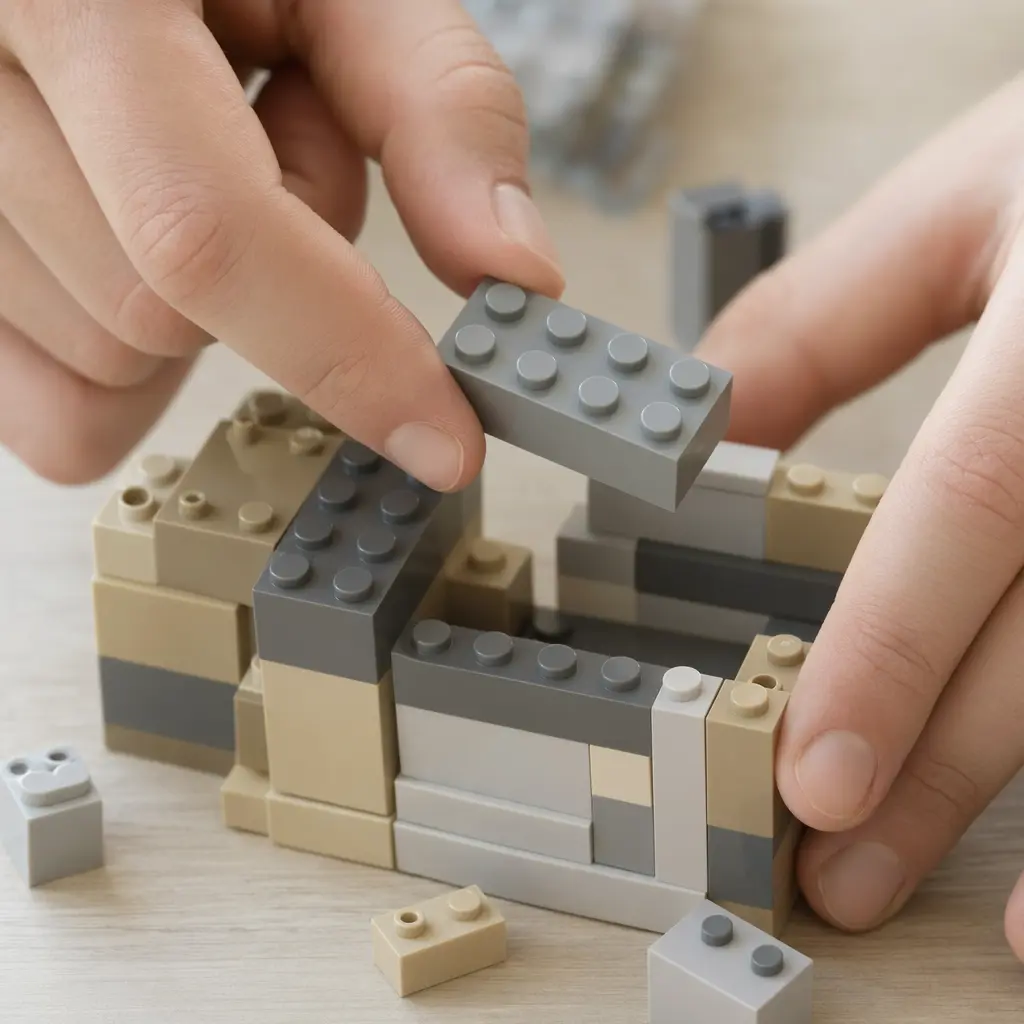
For kids ages 6–8, building toys should feel empowering rather than frustrating. Pieces should be easy to connect without excessive force, and builds should be achievable within a single play session. At this stage, children often enjoy role-play elements—such as vehicles, animals, or simple machines—combined with construction challenges that stretch their thinking.
Standout categories or types
Building toys come in many formats beyond traditional bricks. Exploring different categories can help you match a child’s interests and learning style while keeping playtime fresh.
- Magnetic building sets: Use internal magnets to snap pieces together quickly, making them great for experimenting with shapes and balance.
- Mechanical construction kits: Focus on gears, axles, and moving parts to introduce basic engineering concepts.
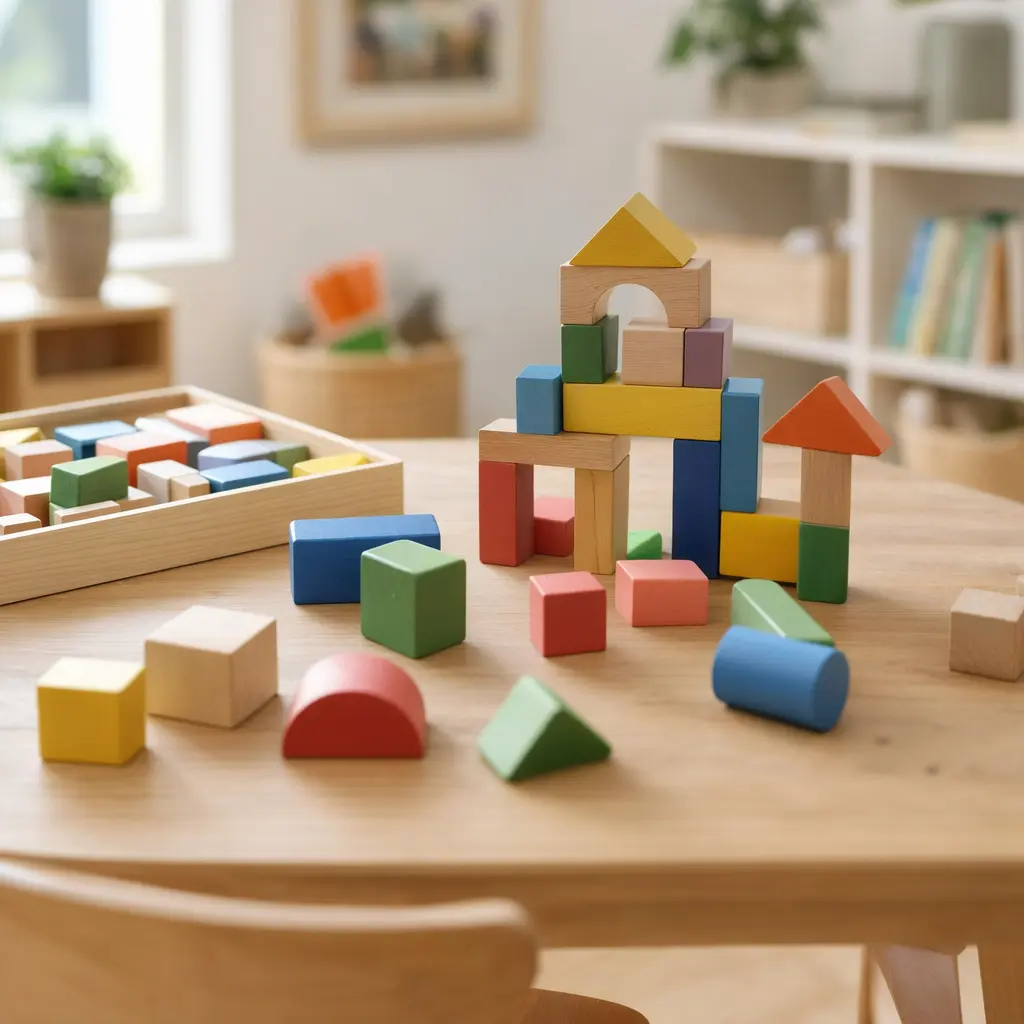
- Wooden construction systems: Often simpler in look, these encourage imagination and can feel more tactile and calming.
- Marble and ball runs: Combine building with cause-and-effect learning as kids design tracks and pathways.
- Flexible connector sets: Use bendable rods or links that allow for organic, curved structures.
Frequently asked questions
Are these building toys compatible with classic bricks?
Most alternatives are designed as independent systems and do not connect directly with classic bricks. This can be a benefit, as it encourages kids to think differently about structure and design.
Do alternative sets still support STEM learning?
Yes. Many focus on problem-solving, spatial awareness, and basic engineering. Some even introduce physics concepts like balance, motion, and stability through play.
How many pieces are ideal for ages 6–8?
A mid-size set with 100–300 pieces is often a good starting point. It’s enough for creativity without overwhelming kids or making cleanup difficult.
Are instructions necessary?
Instructions can help kids get started, especially with new connection styles. The best sets also encourage kids to move beyond the instructions and invent their own builds.
Choosing a building toy outside the most familiar brick system can open up new ways for kids to think and create. By focusing on quality, flexibility, and age-appropriate challenge, parents can find construction sets that keep kids engaged and learning—while giving their imaginations plenty of room to grow.