The Sensory Swing: How gentle indoor motion became a calming tool
Once a niche therapy aid, the sensory swing has moved into family homes as a simple way to support calm, focus, and body awareness through gentle movement.
Compare prices and availability
Check current prices and availability for this guide on eBay.
As an eBay Partner, we may be compensated if you make a purchase.
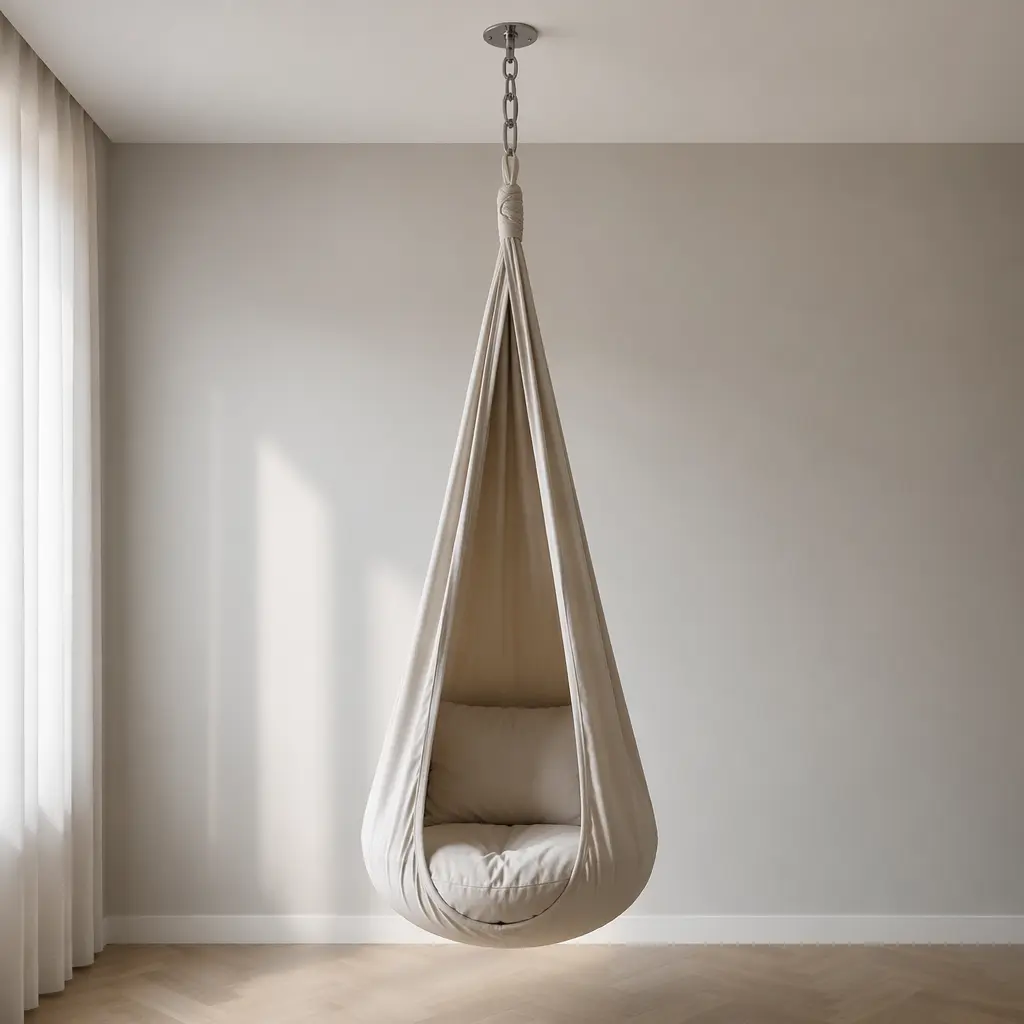
The sensory swing doesn’t shout for attention. There are no flashing lights or batteries, no storyline to learn. Instead, it offers something surprisingly powerful: slow, predictable movement. Over the past decade, this simple hanging swing has become a familiar sight in therapy rooms, classrooms, and increasingly, family homes—valued not as a toy to master, but as a tool to help children feel settled in their own bodies.
Where it came from
Sensory swings have their roots in occupational therapy rather than the toy aisle. Therapists have long used suspended equipment—platform swings, hammocks, and cocoon-like seats—to support what’s known as vestibular input: the sensory information we get from movement and balance. This input plays a key role in how children regulate emotions, attention, and physical coordination.
As awareness of sensory processing differences grew, especially around autism and ADHD, simpler home-friendly versions began to appear. Made from stretch fabric or soft canvas and designed to hang from a single ceiling point, these swings translated clinical ideas into everyday spaces. What started as specialist equipment gradually became a mainstream parenting tool for calming, focus, and downtime.
Why it works
At its core, a sensory swing works because the human nervous system responds well to gentle, rhythmic motion. The slow back-and-forth or side-to-side movement can be organising rather than stimulating, helping children who feel overwhelmed, restless, or anxious to reset. The enclosed fabric design also provides deep pressure, which many children find comforting.
Unlike active playground swings, indoor sensory swings invite stillness as much as movement. Children can sit, curl up, or lie back, choosing how much motion they want. This sense of control is part of the appeal—it allows self-regulation rather than imposing an activity.
- Provides gentle vestibular input through slow movement
- Offers deep pressure from stretch or wraparound fabric
- Encourages self-directed calming rather than high-energy play
- Works quietly and without screens or electronics
- Fits into small indoor spaces when properly installed
Who it's for
Sensory swings are most often used by toddlers through to primary-age children, though many are rated to hold teens and even adults. They’re particularly popular with families supporting children with sensory processing differences, autism, or ADHD—but they’re not limited to those groups. Many parents use them simply as a calm corner tool: a place to decompress after school, read a book, or take a break from busy household noise.
Variants and what to look for today
Modern sensory swings come in a handful of familiar styles. Cocoon or pod swings fully enclose the body and are often chosen for calming and deep pressure. Hammock-style swings are more open and can feel less restrictive. Some designs include inflatable cushions or reinforced seams for extra support.
When choosing one today, the swing itself is only half the picture. Fabric quality, weight limits, and washing instructions matter, but so does the installation hardware. Reputable sellers clearly state load ratings and include guidance for safe ceiling mounting. Be cautious of very cheap options that are vague about materials or maximum weight—they may not be designed for sustained indoor use.
Frequently asked questions
Is a sensory swing just for children with additional needs?
No. While they’re widely used in therapeutic settings, many typically developing children enjoy and benefit from them. The calming effects of gentle movement apply broadly, especially in busy or noisy environments.
How much space does a sensory swing need?
Most need a clear radius of about one metre around the hanging point. Height matters too—the higher the ceiling, the more flexibility you’ll have in adjusting the swing length.
Can a sensory swing be overstimulating?
It can be if used for fast spinning or vigorous swinging. Most therapists recommend slow, linear movement for calming effects and supervising younger children to ensure the swing stays a soothing space.
Are they difficult to take down?
Many are designed to be removable, leaving a small ceiling anchor in place. This makes it possible to store the swing when not in use, especially in shared living spaces.
The rise of the sensory swing reflects a broader shift in how families think about play and wellbeing. Rather than asking what a toy does, parents are asking how it helps a child feel. In that sense, the sensory swing isn’t just a trend—it’s a quiet acknowledgment that sometimes, the simplest movement can make the biggest difference.