Skip-It: The fitness toy that predated step counters
Long before fitness trackers, Skip-It turned playgrounds into cardio labs. This 1990s ankle toy quietly taught rhythm, coordination, and stamina—no screens, scores, or apps required.
Compare prices and availability
Check current prices and availability for this guide on eBay.
As an eBay Partner, we may be compensated if you make a purchase.
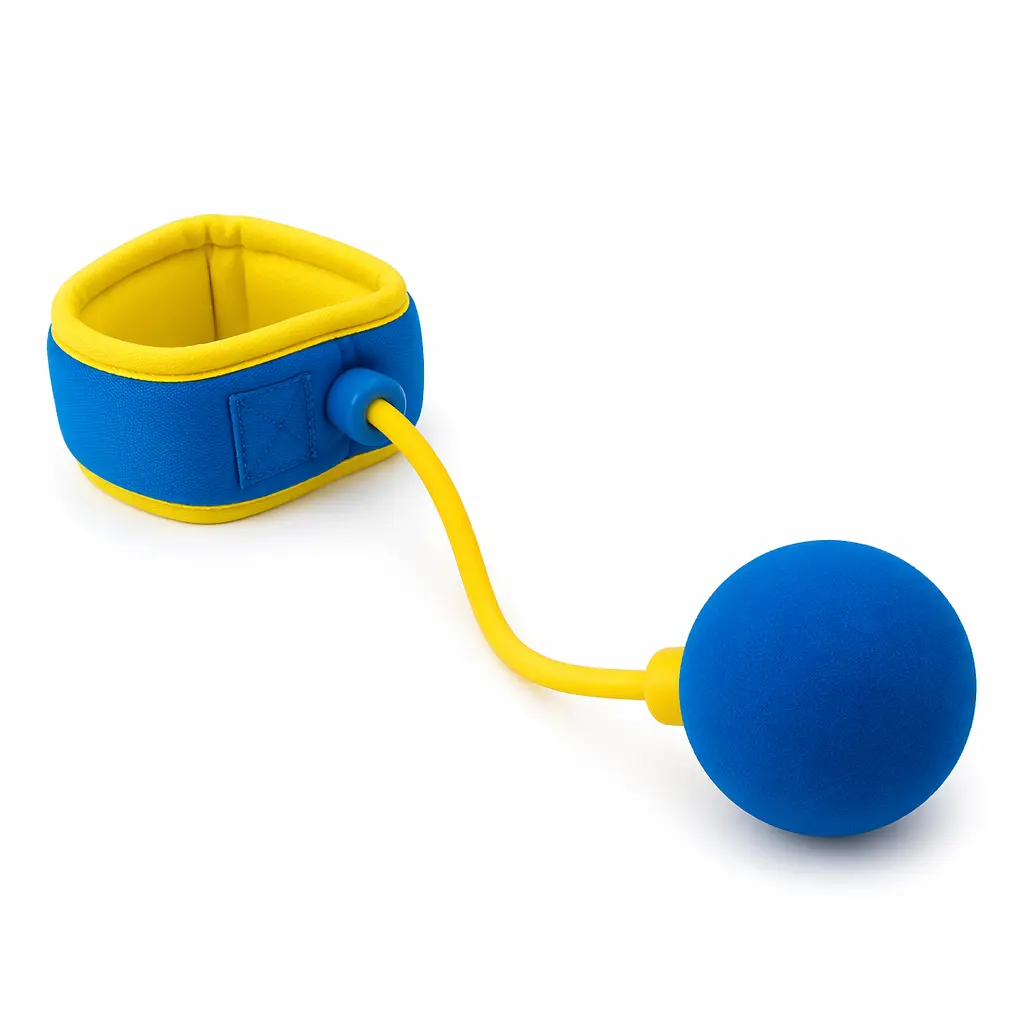
Skip-It is one of those toys that didn’t look educational, didn’t claim to be healthy, and didn’t need instructions—yet it managed to teach all three. A padded loop around one ankle, a weighted ball spinning around the other foot, and a simple goal: keep jumping. In the early 1990s, this humble setup became a backyard phenomenon, quietly training coordination and endurance years before wearables made movement measurable.
Where it came from
Skip-It was introduced in 1991 by Tiger Electronics, a company better known at the time for handheld electronic games. The idea itself wasn’t entirely new—variations of ankle-skipping toys had appeared in different forms over the decades—but Skip-It refined the concept into something sturdy, colorful, and easy to use.
Its timing mattered. The early ’90s were a golden era for toys that encouraged movement without framing it as exercise. Skip-It fit neatly alongside jump ropes, pogo balls, and hopscotch chalk. It also arrived before parental concerns about screen time became mainstream, making it feel like pure, guilt-free play.
Why it works
At its core, Skip-It succeeds because it turns repetition into a game. The motion is simple, but staying in rhythm is surprisingly challenging. Miss a jump, and the toy reminds you instantly. Get into a groove, and minutes pass without noticing the effort.
Unlike many fitness toys, Skip-It doesn’t push intensity—it invites it. Kids naturally try to go faster, smoother, or longer, building skills along the way.
- Clear physical feedback when timing is off
- Rhythmic motion that builds coordination
- Low barrier to entry with room for mastery
- Compact, durable design for outdoor play
Who it's for
Skip-It is typically best for school-age children who have basic balance and hopping skills, but its appeal stretches wider. Adults who grew up with it often rediscover how demanding it can be, while kids today see it as a novelty that feels refreshingly physical. It works well for solo play and doesn’t rely on competition, which can be a plus for children who prefer self-paced challenges.
Variants and what to look for today
Original Skip-It toys are no longer in regular production, but the design lives on through modern ankle skip toys inspired by the same concept. Today’s versions range from lightweight foam balls to slightly heavier weighted designs, sometimes with added counters or softer ankle padding.
When shopping now, focus on build quality rather than gimmicks. A smooth-spinning cord, comfortable ankle loop, and balanced weight matter more than digital add-ons. Very cheap versions may tangle easily or crack with repeated use, which can quickly end the fun.
Frequently asked questions
Is Skip-It actually good exercise?
Yes, though it doesn’t advertise itself that way. Continuous skipping raises the heart rate, strengthens lower-leg muscles, and improves balance—all through play.
What age is appropriate?
Most children around 5 or 6 can start with guidance, but it becomes more enjoyable as coordination improves. Older kids and adults can still find it challenging.
Do modern versions count steps or rotations?
Some newer designs include simple counters, but they’re not essential. The original appeal was about feel and rhythm, not numbers.
Can it be used indoors?
It’s best outdoors or in open spaces. Indoors, there’s a higher risk of hitting furniture or slipping on smooth floors.
Skip-It endures because it doesn’t try to be more than it is. With no screens, no scores, and no setup, it delivers movement in its simplest form. In a world of quantified fitness, that simplicity feels quietly radical—and just as effective as it was in 1991.