DJI Flip: A folding camera drone aimed at first-time flyers
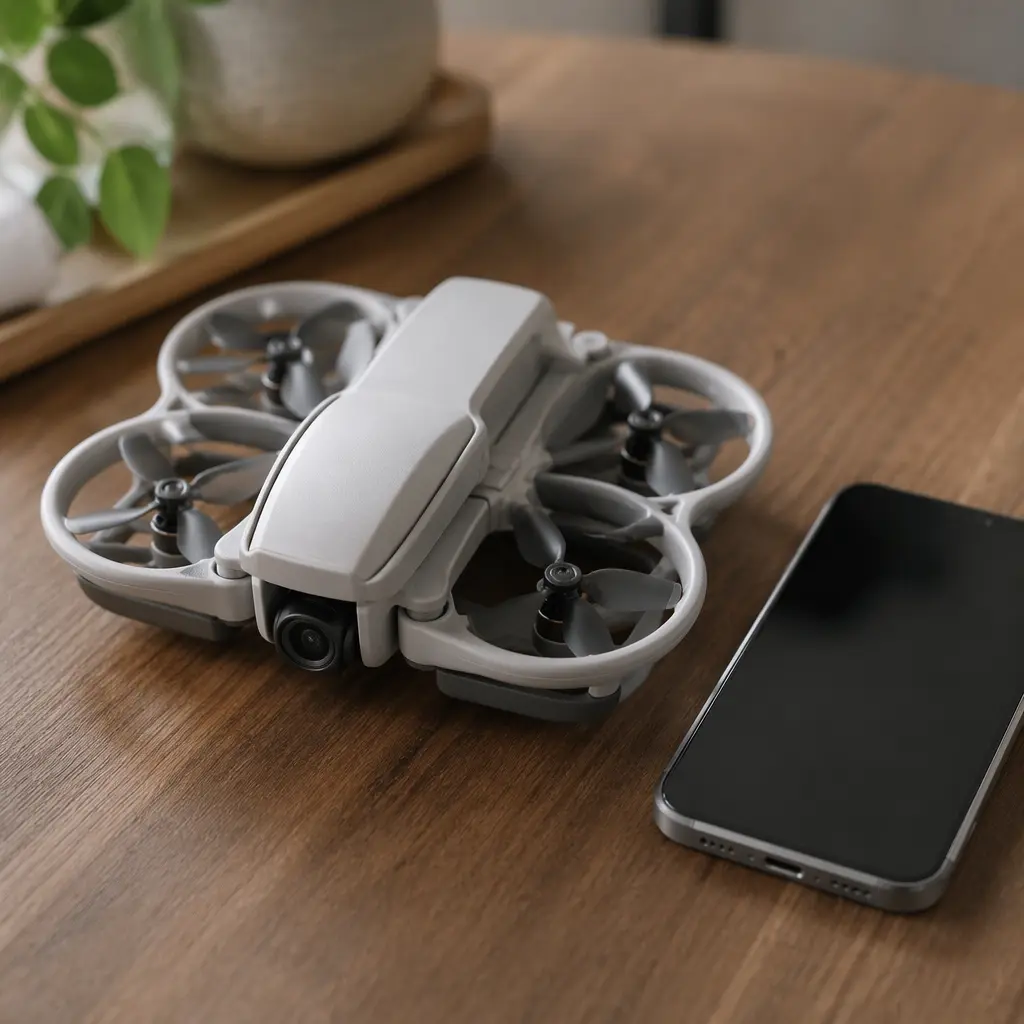
DJI Flip arrives as a compact folding camera drone built for casual creators and families curious about aerial video, with automation features balanced against privacy, safety and rule questions.
Compare prices and availability
Check current prices and availability for this guide on eBay.
As an eBay Partner, we may be compensated if you make a purchase.
DJI Flip enters a crowded drone market with a pitch that is easy to understand: make aerial filming feel less intimidating for beginners. The compact folding drone blends camera-focused features with automated flight assistance that aims to reduce the learning curve for casual users and families. That combination has helped push camera drones beyond hobby clubs and into vacation trips, backyard filming and social-media-friendly video creation. At the same time, products like this raise practical questions about privacy, local flying rules and whether younger users are ready for connected aircraft that rely heavily on apps and automation.
Where it came from
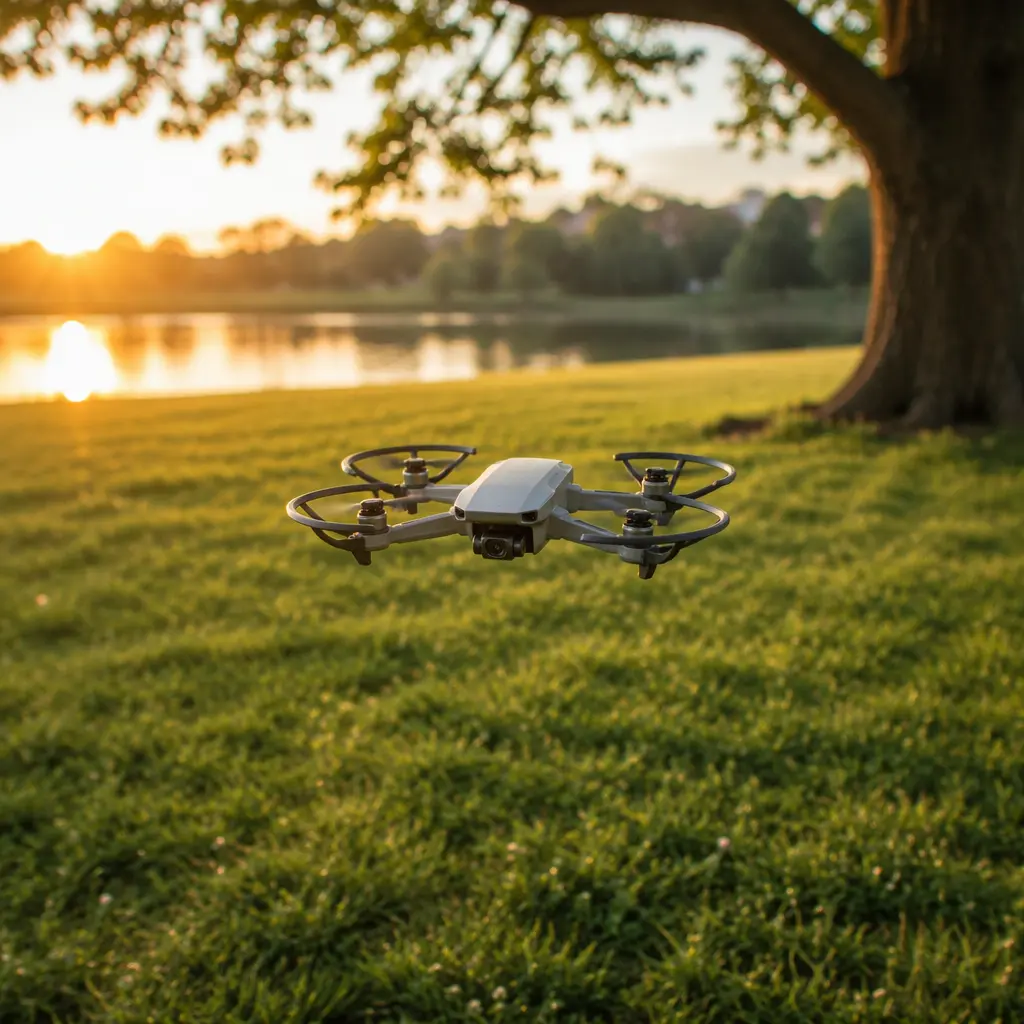
DJI has spent years shaping the consumer drone category, especially by shrinking camera drones into portable devices that fold into bags or jacket pockets. Earlier generations focused heavily on enthusiasts willing to learn manual controls, camera settings and aviation basics. More recent launches have increasingly emphasized assisted flying, automatic tracking and simplified controls designed for people who may never have owned a traditional radio-controlled aircraft.
The Flip arrives during a period when lightweight drones are being marketed less as technical gadgets and more as everyday creative tools. Manufacturers now frame drones as companions for travel videos, outdoor family footage and quick social clips. Features such as automatic takeoff, subject tracking and preset flight paths are meant to reduce the stress of piloting while still delivering dramatic overhead footage. That accessibility is part of the appeal, but it also changes who is using drones. Parents shopping for a first flying camera may now be comparing products like the Flip alongside tablets, action cameras and app-connected toys rather than specialist hobby gear.
Why it works
The central idea behind a product like DJI Flip is convenience. Folding arms make storage simpler, while app-based controls and assisted flight systems reduce the number of decisions new users need to make during a flight. Automated modes can help create smoother footage than many beginners could achieve manually. Sensors and stabilization systems are also intended to help the drone maintain position and reduce shaky movement, especially outdoors where wind and uneven terrain can complicate flying.
Another part of the appeal is how quickly users can move from setup to recording. Instead of treating drone flying as a technical hobby requiring hours of practice, the experience is increasingly built around quick-launch creativity. For families, that can make the device feel approachable. For experienced drone fans, the simplicity may be less exciting than higher-end enthusiast models, but the lower barrier to entry is clearly intentional.
- Compact folding design intended for portability and travel
- Automated flight features that assist with takeoff, tracking and cinematic movement
- App-connected controls alongside more traditional piloting options depending on region and package
- Camera stabilization designed to smooth aerial footage
- Rechargeable battery system with flight time varying by conditions and usage
- Safety systems intended to help reduce collisions or unstable hovering
Who it's for
DJI Flip appears aimed primarily at teens and adults who want easy aerial video without diving deeply into advanced drone piloting. Younger children will likely still need close supervision, especially because drones combine spinning propellers, wireless connectivity and outdoor aviation rules in one product. Families considering a first drone should also think about where it can realistically be used. Parks, beaches and neighborhoods may all have different local restrictions. Adults interested in travel content, hiking footage or casual photography are likely the clearest audience, especially if portability matters more than professional-level manual control.
Variants and what to look for today
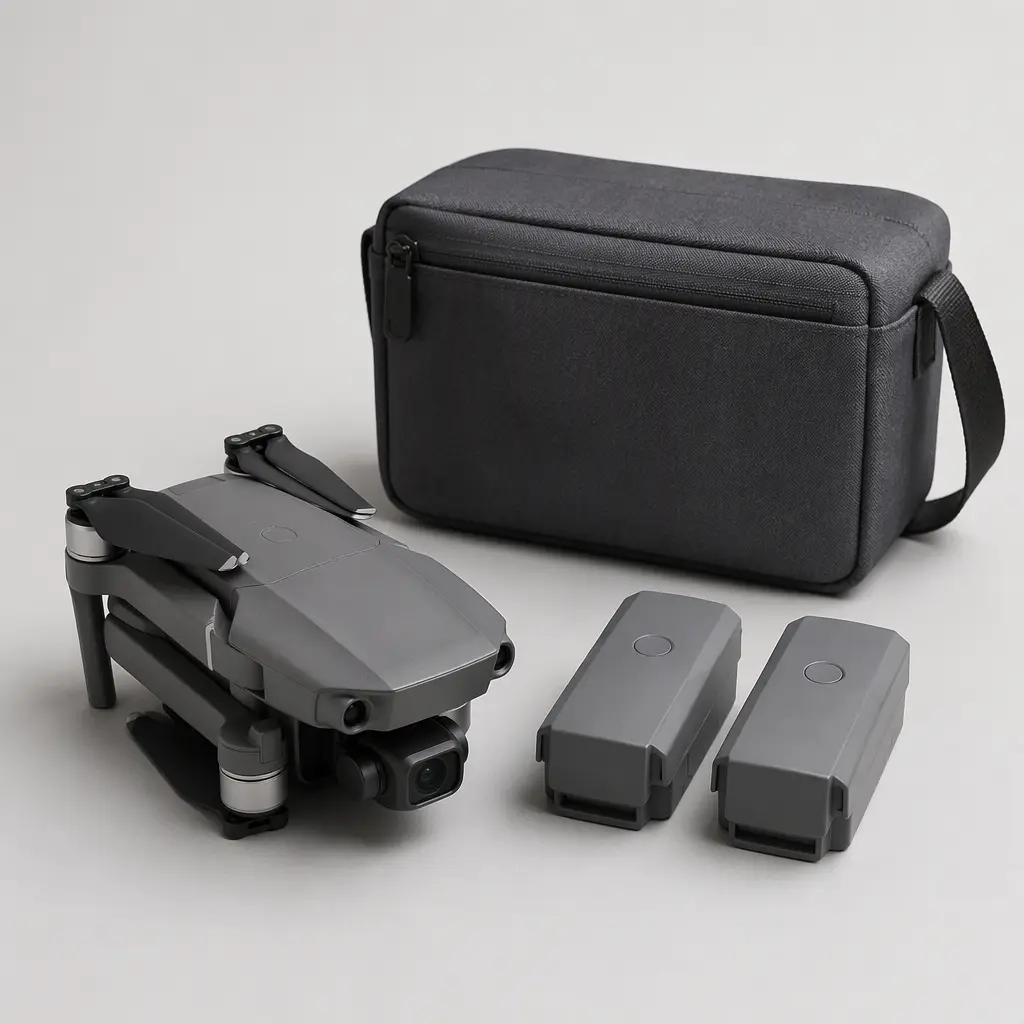
As with many modern drones, buyers may encounter different retail bundles that include accessories such as extra batteries, charging hubs or carrying cases. Retailers and regional distributors sometimes package drones differently, so it is worth confirming exactly what is included before purchasing. Shoppers should also verify smartphone compatibility because app support can vary across operating systems and regions.
Potential owners should pay attention to weight classifications, registration requirements and software support. Drone laws differ widely by country and can change over time. Some regions require registration even for smaller consumer drones, while others place restrictions around airports, schools or public events. App-connected drones also depend on ongoing software updates and account systems. That means long-term usefulness can be tied to device compatibility and regional support policies from the manufacturer.
- Check whether replacement propellers and batteries are easy to source
- Look for clear retailer information about included accessories
- Be cautious with unusually cheap third-party batteries or chargers
- Confirm app compatibility with your phone or tablet before buying
- Review local drone rules for registration and flight restrictions
Frequently asked questions
Does DJI Flip use AI?
Many current drones use automated tracking and flight assistance that can resemble AI-powered behavior, but the experience is usually a mix of sensors, image recognition and programmed automation rather than open-ended generative AI. Features may include subject tracking, obstacle awareness or automatic filming paths depending on software support.
Can it be used without the internet?
Basic flying and recording functions on consumer drones often work offline once the device and app are set up, though activation, firmware updates, maps or account-linked features may require internet access. Some app functions may also depend on cloud-connected services.
Are camera drones suitable for children?
That depends on maturity, supervision and local rules. A camera drone is not just a toy aircraft; it is also a connected flying camera with safety responsibilities. Older children and teens may enjoy learning basic piloting and photography skills, but adults should handle registration requirements, charging routines and location decisions.
What about privacy concerns?
Privacy is one of the biggest public discussions around consumer drones. Responsible use means avoiding flights over private property without permission and being aware of local laws regarding photography and recording. Families should also understand what data the companion app collects and whether cloud-linked accounts are required for some features.
DJI Flip reflects a broader shift in the drone world: flying cameras are increasingly designed for convenience first and technical hobbyists second. That approach opens the category to more families and casual creators, but it also means buyers should think beyond camera quality alone. Ease of use, local regulations, privacy expectations and long-term app support all shape the real ownership experience. For people curious about aerial video without committing to a more advanced aircraft, the appeal is clear: compact design, guided flying and quick access to dramatic perspectives that once required far more expertise.