Mirumi and the Rise of the Reactive Robot Plush
Yukai Engineering's Mirumi is a shy clip-on robot plush built around simple reactive behavior rather than chatbots or apps, highlighting a different direction for emotional AI toys.
Compare prices and availability
Check current prices and availability for this guide on eBay.
As an eBay Partner, we may be compensated if you make a purchase.
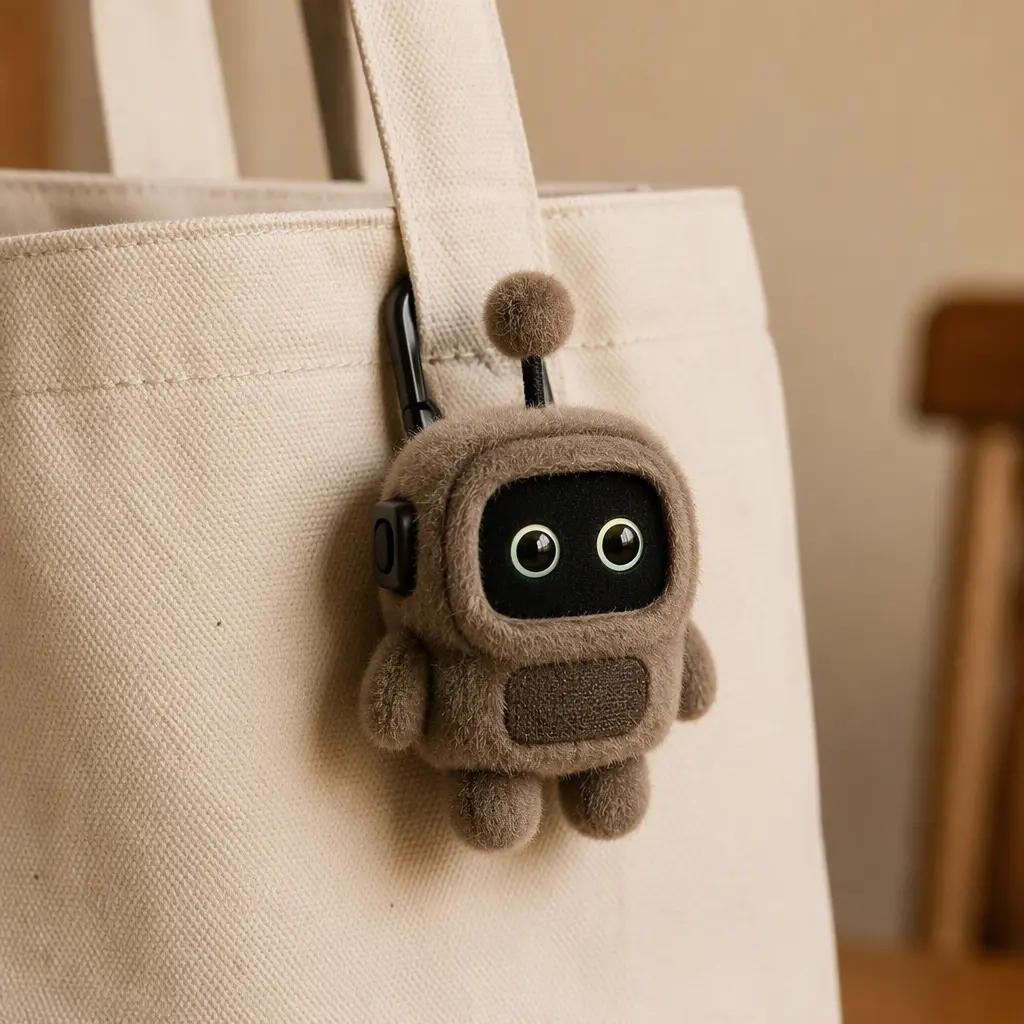
Mirumi is part plush accessory, part social robot experiment. Created by Japanese robotics company Yukai Engineering, the small clip-on companion is designed to react to nearby movement and attention with shy, curious behavior. Instead of trying to imitate a full conversation partner or smart assistant, Mirumi takes a narrower approach: it watches, turns its head, hides its face and gradually "warms up" through repeated interaction. That makes it one of the more interesting contemporary toy-tech releases tied to the broader conversation around emotional AI and companion devices.
Where it came from
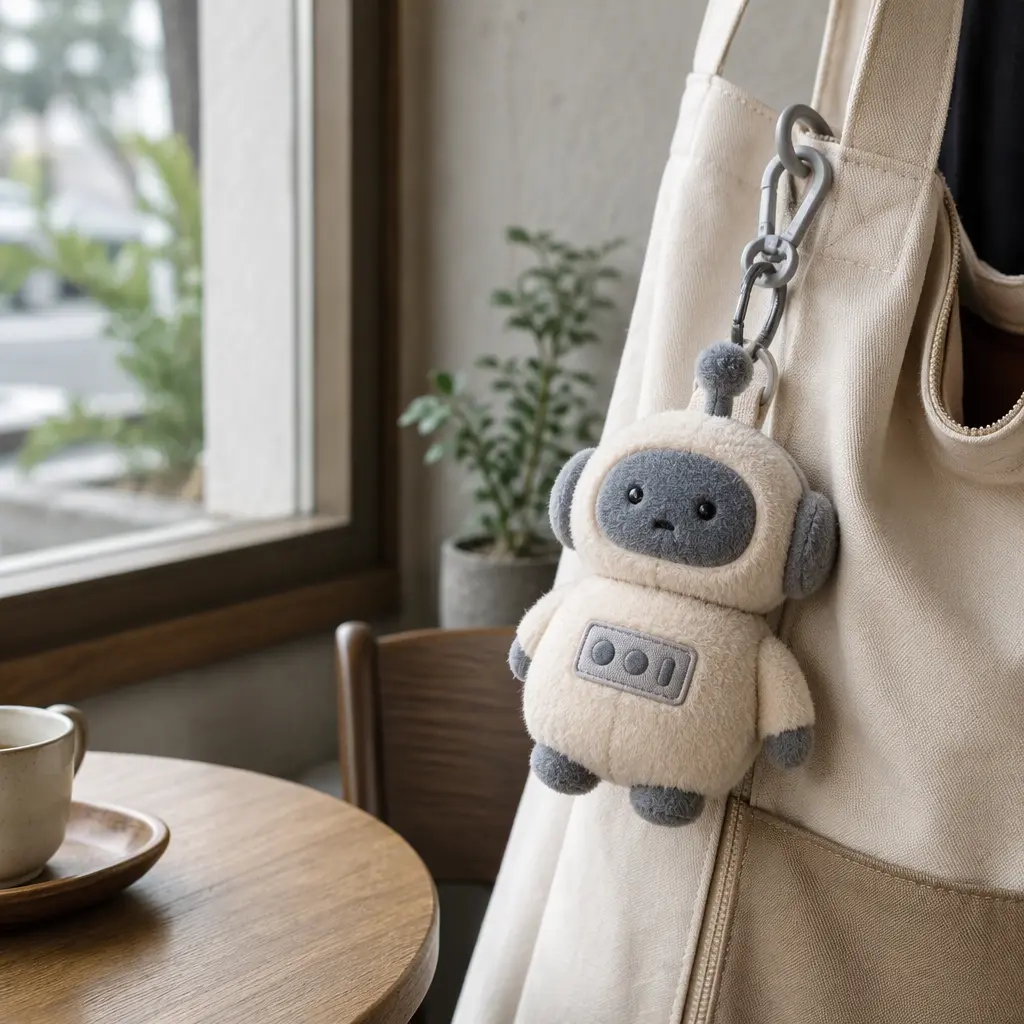
Mirumi emerged from Yukai Engineering, a company known for small expressive robots that focus more on emotional presence than utility. Earlier Yukai creations explored calming movement, ambient companionship and playful robotics rather than productivity or advanced artificial intelligence. Mirumi continues that design philosophy by shrinking the idea into a portable plush-sized accessory intended to sit on a bag or strap and react to its surroundings.
The timing matters. By 2025, consumer interest in AI products had expanded well beyond voice assistants and chatbots, but many parents and buyers were also becoming more cautious about microphones, cloud accounts and always-connected devices. Mirumi stands out because it appears to avoid the larger infrastructure associated with many AI gadgets. Its appeal is based on physical behavior and reactive animation rather than generative conversation, app ecosystems or social-media-style engagement loops.
Why it works
Mirumi's core idea is surprisingly simple: people naturally respond to eye contact and body language, even when those signals come from a very limited machine. The toy reportedly uses sensors and motorized movement to create reactions that resemble shyness, curiosity or cautious attention. A glance toward movement, a slow head turn or a hidden face can feel emotionally expressive without requiring speech recognition or scripted dialogue.
That restraint is part of the design appeal. Many connected toys attempt to become all-purpose digital companions, which can raise questions about data collection, subscriptions and long-term software support. Mirumi instead leans into a focused physical interaction loop. It behaves more like a reactive desk pet or wearable mascot than a conversational AI platform, and that may make it easier for families to understand exactly what the device does and does not do.
- Clip-on form factor designed for bags or straps
- Reactive movement focused on body language rather than speech
- Plush-style exterior intended to soften the robotic hardware
- No app-first play pattern at the center of the concept
- Portable design that works as both accessory and toy-tech object
Who it's for
Mirumi sits in an unusual category between collectible plush, social robot and wearable gadget. Younger kids may respond to the expressive movement and soft texture, while older teens and adults are likely to be drawn to the novelty of a quiet reactive companion. Because the toy's appeal depends heavily on subtle behavior rather than games or educational content, it may work best for people who enjoy character design, robotics or ambient interactive objects. Parents considering it for children will still want to check manufacturer guidance around recommended ages, batteries and small moving components once regional retail listings are finalized.
Variants and what to look for today
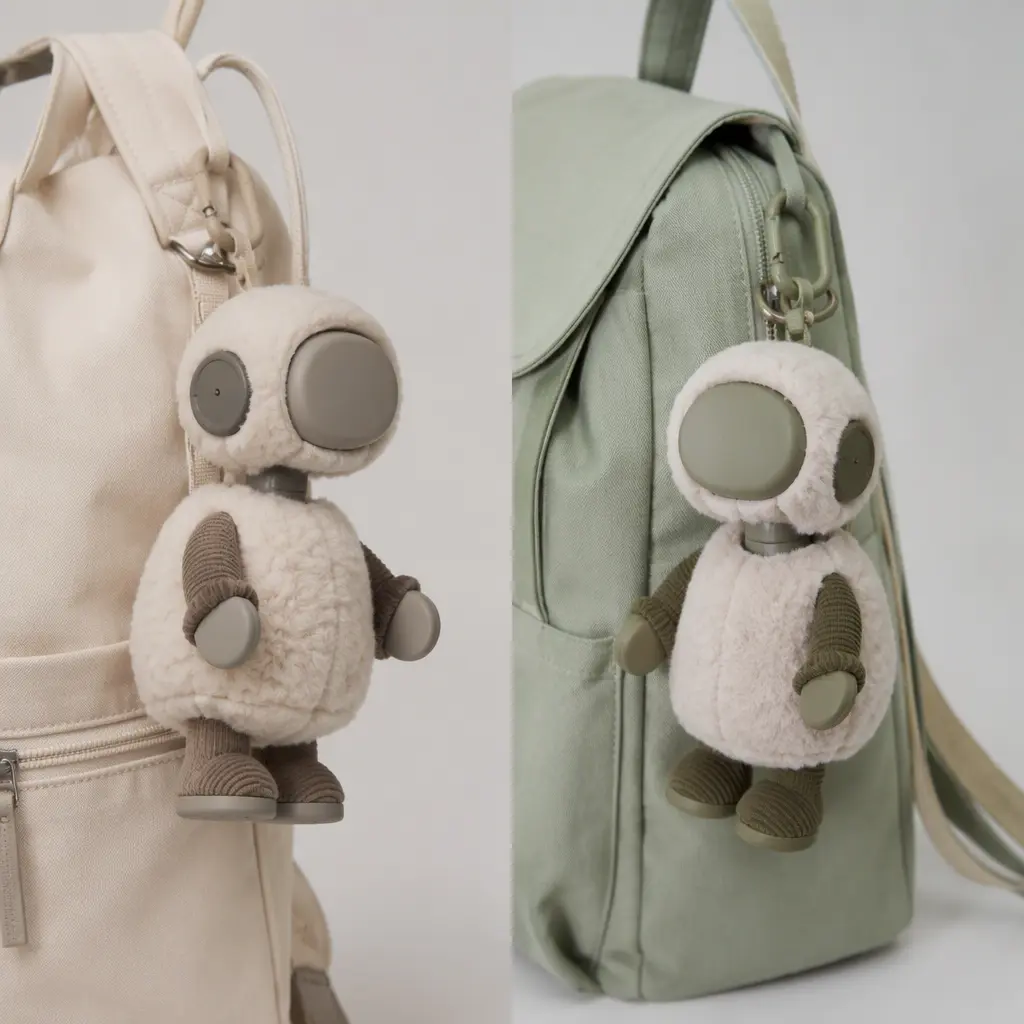
As a contemporary launch, Mirumi is still closely associated with its original presentation from Yukai Engineering rather than a long line of spin-offs. Availability may vary by region, especially during early release windows or crowdfunding-style debut periods common in consumer robotics. Buyers should confirm whether listings come from official retail partners or third-party resellers, particularly if product photos appear inconsistent or vague.
One important distinction is that Mirumi is not positioned as a generative AI chatbot. Shoppers expecting open-ended conversation, voice interaction or app-driven customization may misunderstand what the product is built to do. The emphasis appears to be reactive motion and emotional illusion through physical behavior. That can actually be a strength for people looking for a lower-maintenance companion device with fewer setup requirements.
- Check whether batteries are included and how charging or replacement works
- Look for retailer details about regional compatibility and language support if any companion software exists
- Confirm mounting or clip size if planning to attach it to bags or straps
- Be cautious of unofficial lookalikes that imitate the concept without clear manufacturer information
Frequently asked questions
Does Mirumi use generative AI?
Mirumi is presented primarily as a reactive robotic companion rather than a generative AI chatbot. Its behavior appears to rely on sensors, programmed responses and movement instead of open-ended text or voice generation.
Does it need an app or cloud connection?
The product's attention has centered on its physical reactions and standalone interaction style. Buyers should still review official specifications for any optional connectivity features, firmware updates or app support in their region before purchasing.
What about microphones or cameras?
Prospective owners should check the official technical details once retail specifications are finalized. Interest around Mirumi partly comes from the possibility of a simpler companion device with fewer always-on connected features than many AI gadgets.
Will the novelty wear off quickly?
That depends on what someone expects from the toy. Mirumi is built around ambient emotional presence and subtle interaction rather than deep gameplay or conversation. People who enjoy desk pets, kinetic art or expressive gadgets may appreciate that quieter style for longer than those expecting a feature-heavy electronic toy.
Mirumi reflects a broader shift in toy-tech toward smaller, more emotionally focused devices that rely on suggestion instead of realism. Its shy reactions and plush presentation make it memorable, but the larger story is about what consumers now expect from companion technology. In a market crowded with apps, subscriptions and chatbot promises, a reactive robot that mainly watches, turns and hides may feel refreshingly limited on purpose.