Primal Hatch Megalodon Hatching Egg and the return of big reveal toys
The Primal Hatch Megalodon Hatching Egg leans into the modern surprise-toy formula with a noisy hatch sequence, oversized creature reveal and interactive play that aims to last beyond the unboxing moment.
Compare prices and availability
Check current prices and availability for this guide on eBay.
As an eBay Partner, we may be compensated if you make a purchase.
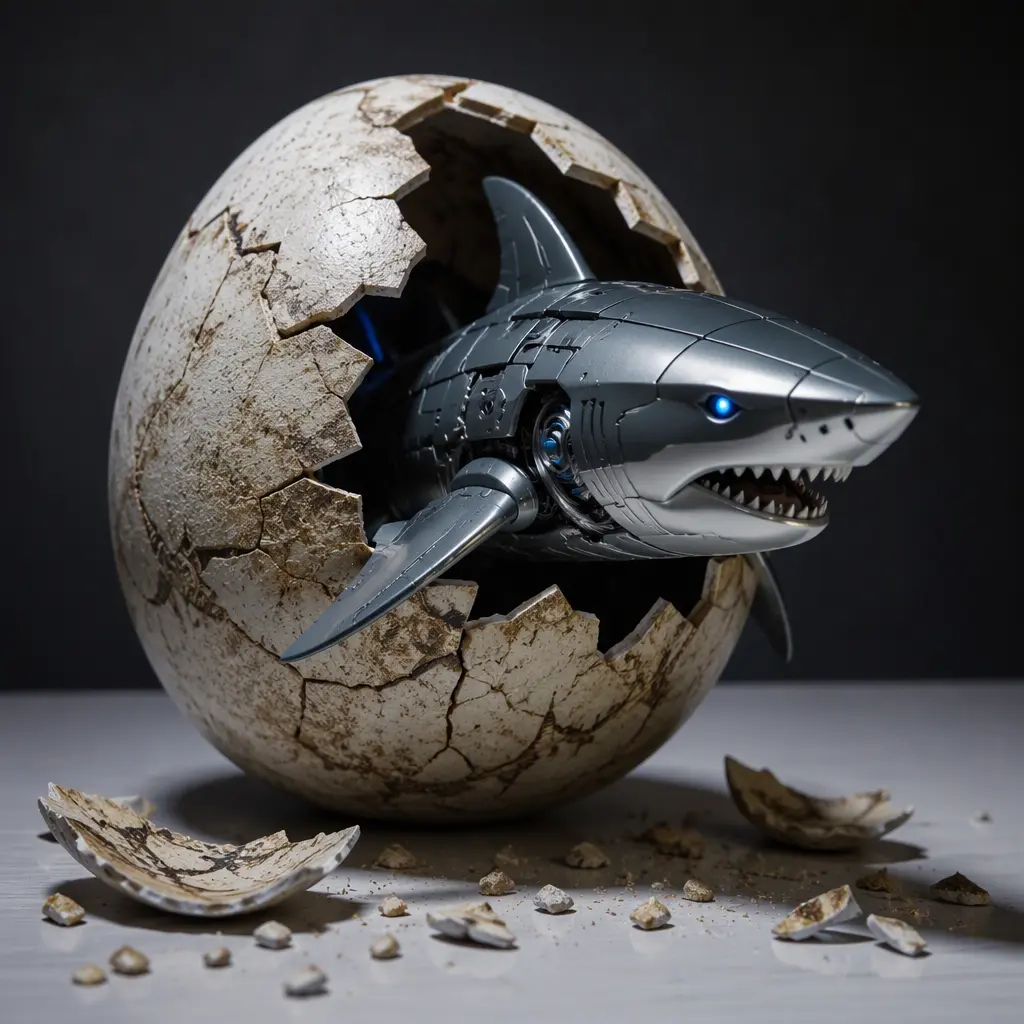
The Primal Hatch Megalodon Hatching Egg arrives at a moment when toy makers are still chasing the appeal of the big reveal. Part surprise toy, part animatronic creature and part role-play prop, it is designed around a staged hatching sequence that turns setup into an event. Retailers including Argos have positioned it as a major Christmas 2026 toy pick, and the appeal is easy to understand: children do not just open a box, they trigger a performance. The giant prehistoric shark theme also gives it a slightly older-kid edge compared with softer nursery-style hatch-and-care toys, aiming for the six-to-eight age band that still enjoys creature play but wants something louder and more dramatic.
Where it came from
Interactive hatching toys have been evolving for years, combining the suspense of unboxing culture with the more traditional appeal of electronic pets and animatronics. Earlier generations focused on nurturing and repeated care interactions, while newer versions increasingly lean into spectacle. The Primal Hatch Megalodon Hatching Egg follows that modern template closely, using a larger creature theme and staged reveal mechanics to create a more cinematic opening experience.
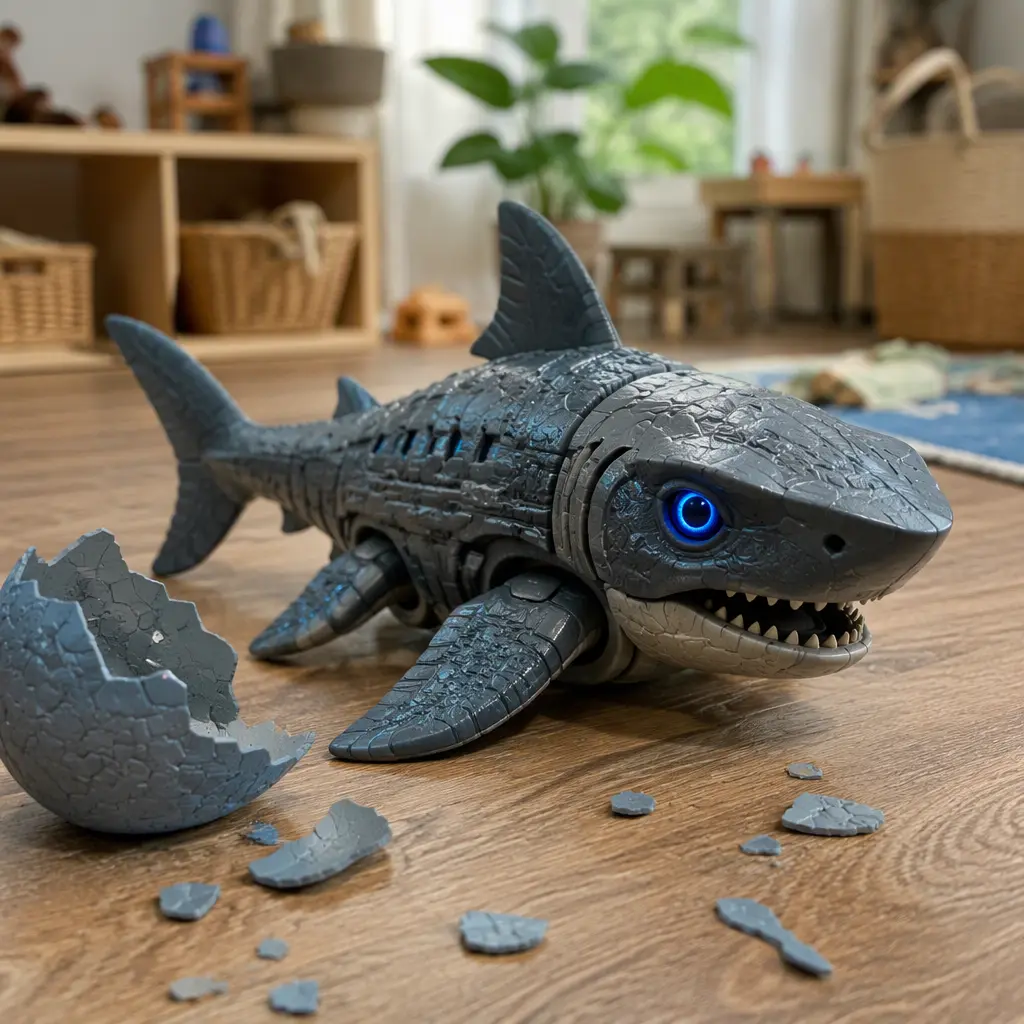
The “Megalodon” angle matters because prehistoric sea predators already carry strong recognition with children through documentaries, games and creature media. Toy companies have steadily moved toward oversized eggs, cracking effects and audio-driven reveals because they work well in social settings and holiday gifting. The toy is less about realistic science and more about delivering anticipation: lights, sounds, shell movement and the moment the creature finally emerges are the centrepiece. That also means expectations need to be managed. Much of the product’s value is tied to a single first-time reveal, even if the creature itself continues functioning afterward as an interactive toy.
Why it works
The toy’s strongest design decision is that the hatching process becomes active play rather than passive packaging. Children typically prod, tap, shake or otherwise interact with the egg to advance the sequence, which creates a sense of participation. Once hatched, the creature shifts into familiar electronic-toy territory with sounds, movement and reaction-based play patterns. That combination of suspense followed by creature interaction helps extend interest beyond the first hour, though the replay value depends heavily on how expressive the creature feels after the reveal is complete.
Noise is a major part of the experience. Toys in this category often rely on cracking sounds, roaring effects, music cues and motor noises to sell the illusion of something emerging. Families sensitive to loud electronic toys may want to know in advance that the spectacle is unlikely to be subtle. Battery dependence is also important. Large reveal toys commonly require multiple batteries to power lights, sensors and movement, and performance can feel less convincing when batteries begin to weaken. Parents should also expect some temporary mess from packaging inserts, shell fragments or decorative materials used during the reveal sequence.
- Large-format hatching reveal designed as an event rather than a simple unboxing
- Interactive creature play after hatching with sound and motion elements
- Prehistoric shark theme aimed at children who prefer action creatures over cuddly pets
- Electronic effects intended to encourage group reactions and repeat demonstrations
- Chunky toy scale that makes it feel closer to a display creature than a pocket collectible
Durability will matter more here than with smaller surprise toys because children are likely to pick up, carry and stage repeated hatch scenarios with the creature. Bigger moving parts can wear differently over time, especially if the toy includes motorised movement or shell-opening mechanisms. In general, larger interactive toys hold up best when treated as role-play companions rather than rough action figures. The egg itself may also become part of storage or imaginative play, depending on how sturdy the shell components feel.
Who it's for
The recommended six-to-eight age range makes sense. Younger children may enjoy the spectacle but could need help with setup, battery access or understanding the sequence, while older children may see the surprise element as too short-lived unless the creature interactions are especially responsive. The sweet spot is likely children who enjoy dinosaurs, sharks, monsters or creature simulators and still value physical toys alongside digital entertainment. Adult appeal mostly comes from the theatrical presentation. It is the sort of toy that works well during birthdays or holidays because the reveal invites spectators, reactions and video clips, even if the long-term play pattern becomes simpler afterward.
Variants and what to look for today
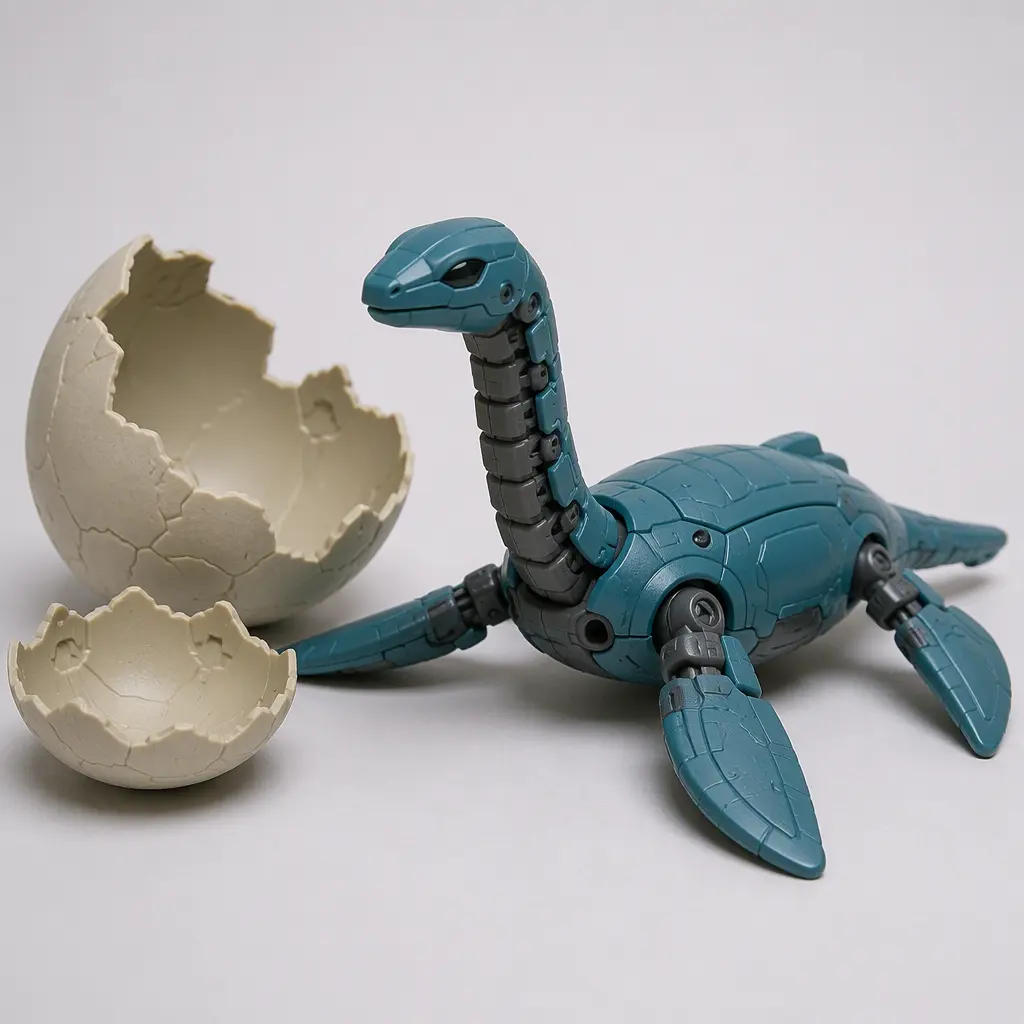
As with many holiday-driven toy lines, shoppers are likely to encounter multiple sizes, creature types and retailer bundles tied to the same general concept. Some versions may focus more heavily on animatronics and movement, while others prioritise the reveal sequence itself. Families comparing options should pay attention to what the toy actually does after hatching. Promotional videos often emphasise the opening moment, but long-term value usually depends on whether the creature has meaningful reactions, sound variation or role-play flexibility once the surprise is over.
It is also worth checking practical details before buying. Large hatching toys can take up significant storage space, and online product images may make scale difficult to judge. Battery requirements are another common surprise in this category, especially around holidays when replacements are not always nearby. Generic copycat versions can also appear quickly once a reveal toy becomes popular. Products with weak plastic shells, inconsistent electronics or limited movement tend to lose appeal much faster because the reveal alone cannot carry repeated play sessions.
- Look for clear information about batteries and whether they are included
- Check the creature’s post-hatch features rather than focusing only on the reveal
- Consider noise levels if the toy will be used in shared family spaces
- Make sure there is enough floor or shelf space for the egg and creature
- Be cautious of unofficial versions with unclear manufacturer information or sparse support details
Frequently asked questions
Does the toy still work after the hatching sequence?
Yes, the creature itself is intended to remain the core toy after the reveal. The exact range of movement, sounds or interactions can vary, but the idea is that children continue using it for imaginative creature play rather than treating the hatch as a one-time gimmick.
Is it messy to set up?
Not usually in the sense of slime or craft materials, but there can still be cleanup involved. Large cardboard inserts, shell pieces and decorative packaging materials are common in toys built around dramatic reveals.
How loud is it?
Interactive reveal toys are generally designed to be noticed. Sound effects, motor noise and dramatic audio cues are often central to the experience. Families in smaller homes or shared living spaces may want to check whether volume controls are available.
Does the experience justify the price?
That depends on what buyers value most. If the goal is a memorable gift-opening moment with strong visual impact, toys like this can feel successful because the reveal becomes part of the entertainment. If long-term replay value is the priority, the creature’s interactions after hatching matter far more than the opening sequence itself.
The Primal Hatch Megalodon Hatching Egg reflects where many contemporary toy trends have converged: spectacle, social reactions, creature role-play and electronics packed into a single oversized package. Its success will likely depend less on the novelty of hatching itself and more on whether children keep returning to the creature after the shell pieces are cleared away. For families looking for a high-energy Christmas gift with a dramatic opening moment, that balance between reveal and replay is the real question worth asking.