StoryPhones: The audio player taking on Tonies and Yoto
StoryPhones blends kid-focused audio playback with Bluetooth listening, collectible story content and family messaging features, aiming to offer a more travel-friendly alternative to screen-based entertainment.
Compare prices and availability
Check current prices and availability for this guide on eBay.
As an eBay Partner, we may be compensated if you make a purchase.
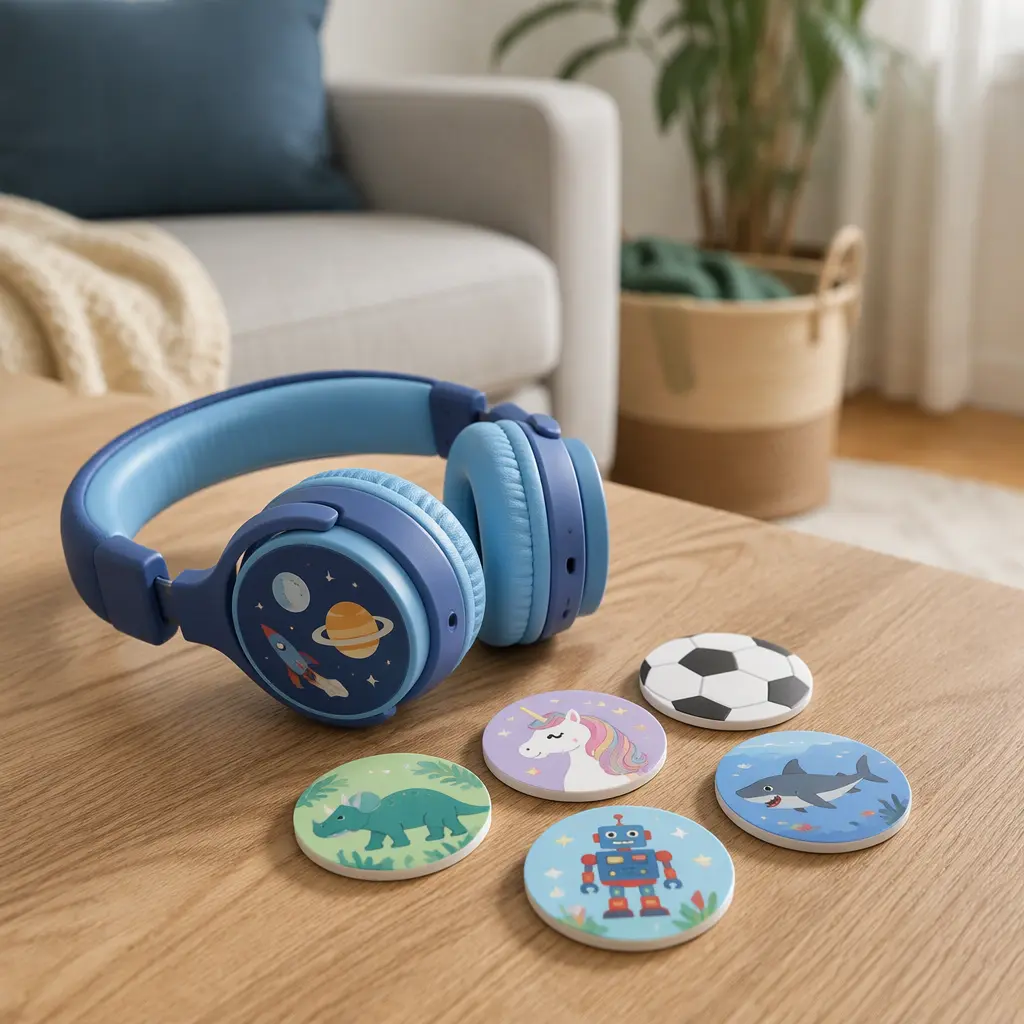
StoryPhones arrived during a period when many parents were looking for alternatives to tablets and always-on screens, especially for younger children. The product combines wireless headphones, app-connected audio playback and collectible story content in a format designed for independent listening. It enters the same broad category as Tonies and Yoto, but with a different approach: instead of relying on a speaker box for bedside listening, StoryPhones centers the experience around wearable headphones built for travel, quiet time and portable entertainment.
Where it came from
StoryPhones launched in 2021 as part of the growing market for screen-light audio products aimed at children. The concept drew on the popularity of dedicated audio systems that let kids access stories, music and educational content without handing over a smartphone or tablet. Manufacturers in this category have increasingly focused on tactile interaction, simple controls and age-appropriate ecosystems that can be managed by parents through companion apps.
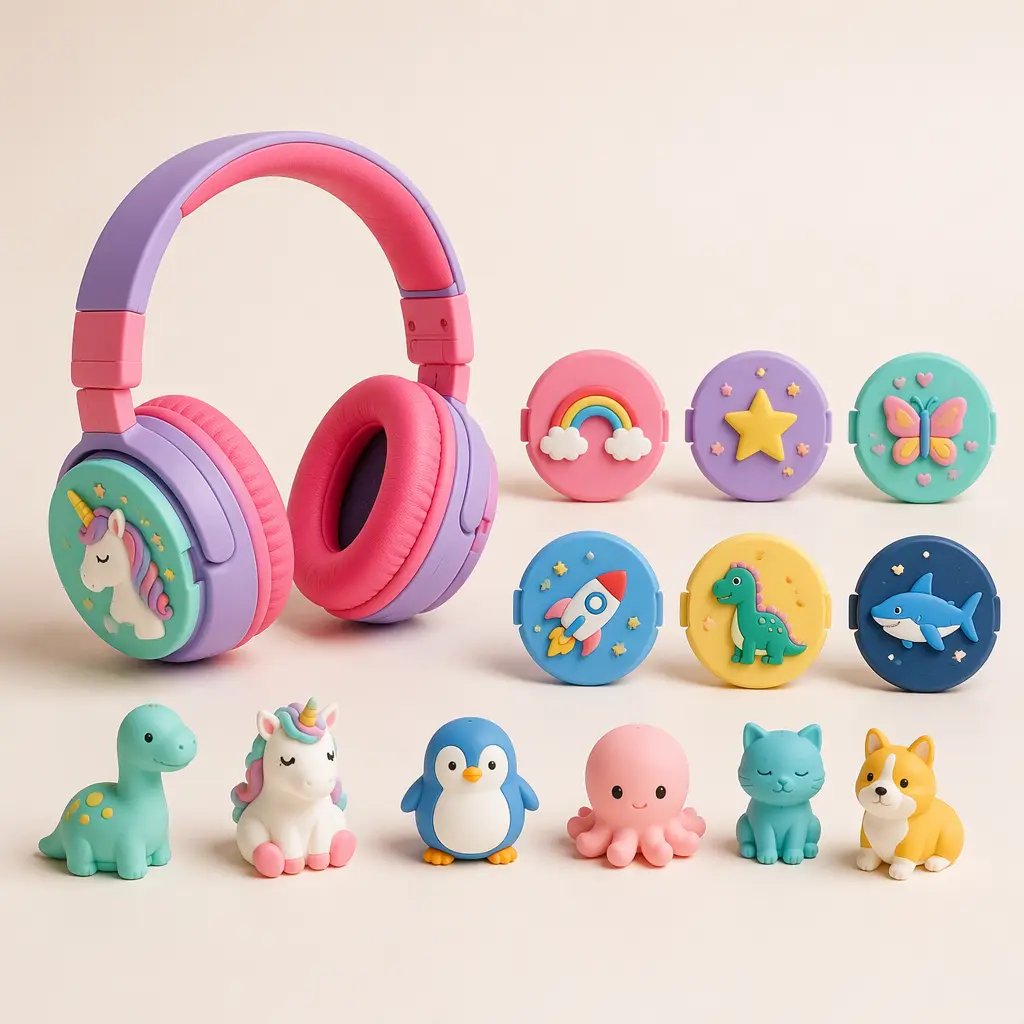
Unlike some competing systems that revolve around a bedside speaker or cube-shaped player, StoryPhones was designed around wearable headphones from the start. The hardware combines Bluetooth functionality with proprietary audio content that can be unlocked through collectible tokens or connected playback. The inclusion of kid-safe messaging and portable listening reflects another trend in children’s tech: giving families communication tools and entertainment features while still limiting broader internet exposure.
Why it works
The appeal of StoryPhones comes from convenience and familiarity. Many children already understand headphones and wireless audio through everyday family technology, so the learning curve is relatively small. Large physical controls and simple pairing systems are intended to support independent use, while the collectible aspect encourages repeat engagement in the same way story figurines and audio cards do in competing ecosystems.
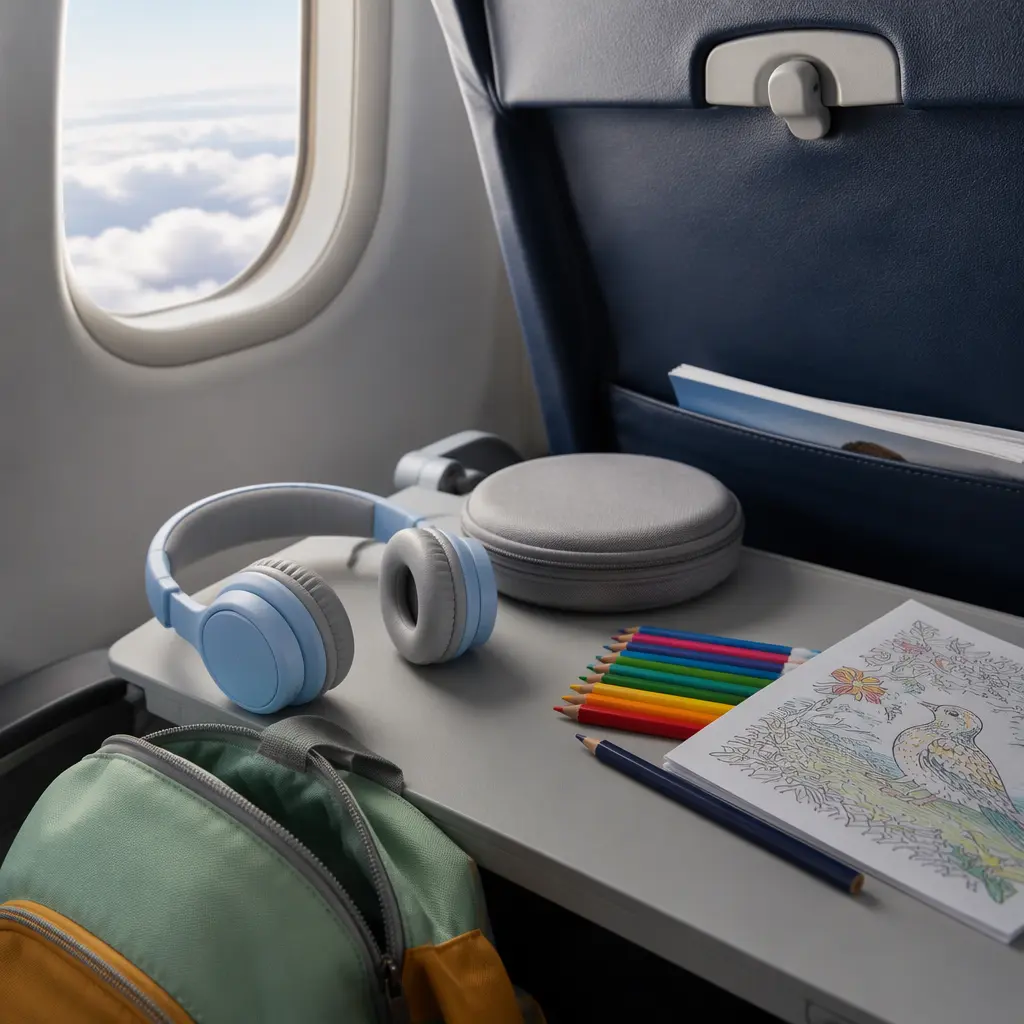
The design also solves a practical issue for families who travel. Traditional speaker-based audio toys work well in bedrooms and playrooms but are less convenient in shared spaces, cars or airplanes. A self-contained headphone system creates a quieter listening environment and avoids the need to carry an extra speaker. Bluetooth support adds flexibility because parents can often use the headphones with other compatible devices once children outgrow the dedicated content ecosystem.
- Wireless headphone-based audio playback designed for independent listening
- Collectible story content and interchangeable decorative elements
- Bluetooth support for broader compatibility with phones or tablets
- Travel-friendly format aimed at car rides and flights
- Companion app features for managing content and settings
- Kid-safe messaging functions intended for family communication
Who it's for
StoryPhones is generally aimed at younger children who enjoy stories, songs and audio-based entertainment but may not be ready for unrestricted tablet or smartphone use. The format especially suits families trying to reduce screen time during travel, quiet play or bedtime routines. Older children may use the Bluetooth headphone features beyond the built-in ecosystem, while adults looking for a shared-room-friendly audio option may appreciate the quieter listening experience. As with most connected products for children, parents will want to check device compatibility, regional app support and account requirements before buying.
Variants and what to look for today
StoryPhones products are typically sold as a combination of headphone hardware and expandable audio content. Depending on the retailer and region, buyers may encounter starter bundles, themed accessories or additional story packs. Because the ecosystem depends partly on app-connected features, it is worth confirming that the companion software is supported on your household’s devices and that account setup works in your region.
Parents comparing StoryPhones with Tonies or Yoto may notice that the experience is more headphone-centric and less focused on room audio. That can be a benefit for travel but less ideal for group listening. Buyers should also pay attention to charging methods, offline playback support and whether content remains accessible without an active internet connection after setup. As with many connected toys, long-term usefulness depends partly on ongoing manufacturer support for apps and content libraries.
- Look for complete starter sets that include both headphones and audio content
- Check whether your preferred content format uses tokens, digital downloads or bundled access
- Confirm Bluetooth compatibility with your existing devices if you plan to use the headphones beyond the built-in ecosystem
- Compare battery charging methods and storage options for travel
- Buy from established retailers to reduce the risk of unofficial accessories or unsupported imports
Frequently asked questions
Does StoryPhones require Wi-Fi all the time?
Connected setup and content management typically rely on a companion app, but many audio products in this category support offline playback once stories or music are synced. Exact functionality can vary depending on the content source and software updates.
How is it different from Tonies or Yoto?
The biggest difference is the form factor. StoryPhones centers listening around wireless headphones instead of a tabletop speaker. That makes it more portable and quieter for shared environments, while competitors often emphasize room listening and bedtime use.
Are the messaging features the same as a phone?
No. Kid-safe messaging systems in children’s devices are usually designed around restricted family communication rather than open texting or calling. Parents should still review privacy policies, account controls and permission settings before enabling connected features.
Can children use StoryPhones without the branded content?
Bluetooth functionality may allow the headphones to connect with compatible devices for music or audio playback outside the dedicated ecosystem. However, some interactive features and collectible content experiences depend on the manufacturer’s app and accessories.
StoryPhones reflects a broader shift in kids’ technology toward screen-light entertainment that still feels modern and connected. Its mix of wearable audio, collectible content and travel-friendly design gives it a distinct place in a category increasingly shaped by parental concerns about screen time and online access. Whether it becomes a long-running fixture like some rivals will depend on continued content support and ecosystem stability, but its headphone-first approach already sets it apart from many other children’s audio players.