Osmo: The hands-on learning system that met kids halfway
Launched in the mid-2010s, Osmo stood out by blending physical play with tablets, using real objects kids could touch while still harnessing digital feedback and structure.
Compare prices and availability
Check current prices and availability for this guide on eBay.
As an eBay Partner, we may be compensated if you make a purchase.
Osmo arrived at a moment when many parents felt stuck between two extremes: traditional hands-on toys and increasingly screen-focused learning apps. Instead of choosing sides, Osmo tried something different. It turned the tablet into a window rather than the whole experience, inviting kids to play with real pieces on the table while the screen responded in real time.
Where it came from
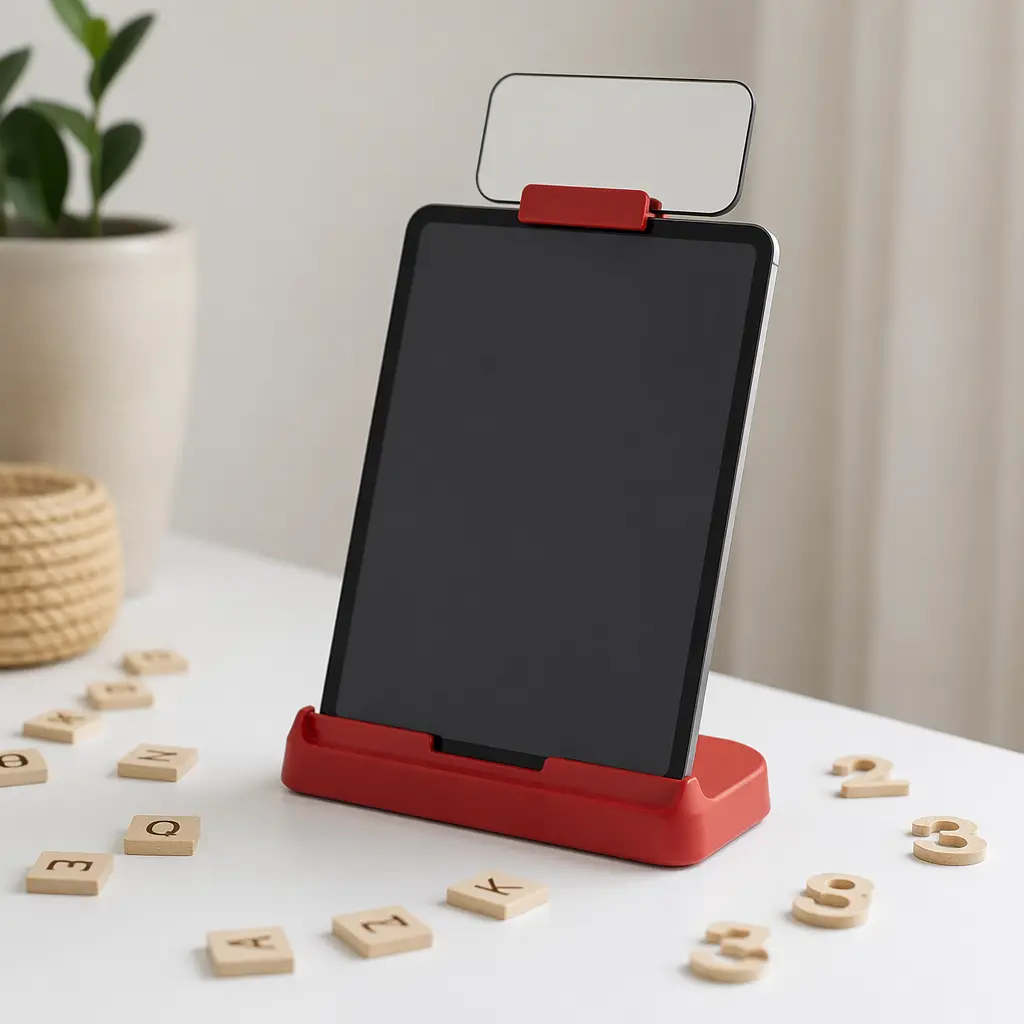
Osmo was introduced in 2014 by a startup founded by former game designers and engineers who wanted to rethink how children interact with digital devices. Rather than relying on touchscreens alone, they developed a simple optical system: a small mirror clipped to the top of a tablet that lets the camera see what’s happening on the table in front of it.
The original goal was educational rather than purely entertaining. Early Osmo games focused on spelling, drawing, problem-solving, and spatial reasoning, all built around physical pieces like letter tiles, number blocks, and shapes. This approach helped Osmo gain traction in homes and classrooms looking for ways to make tablet time feel more purposeful.
Why it works
What makes Osmo compelling is its balance. The tablet provides guidance, feedback, and structure, while the child’s hands do most of the work. Kids aren’t just tapping; they’re arranging, drawing, and experimenting in the physical world. That combination helps reinforce learning in a way that feels closer to traditional play.
Key design elements that made the system stand out include:
- Physical pieces that children can pick up, move, and manipulate
- Instant on-screen feedback that responds to real-world actions
- Open-ended challenges alongside structured activities
- A setup that feels more like a game station than a typical app
Who it’s for
Osmo is generally aimed at early primary school ages, roughly from preschool through early secondary depending on the game. Younger children benefit from letter recognition and creative drawing, while older kids gravitate toward maths, coding logic, and problem-solving challenges. It also has strong adult appeal for parents and teachers who want educational screen time that still feels tactile and active.
Variants and what to look for today
Over time, Osmo expanded into a family of kits built around the same core idea. Different sets emphasise literacy, mathematics, creative drawing, tangram-style puzzles, or introductory coding concepts. While the basic system remains similar, compatibility with specific tablet models is an important consideration today.
When looking for Osmo now, it’s worth checking that the base and mirror are included and that the physical pieces are complete. Generic look-alike systems exist, but they often lack the software polish or reliable tracking that made the original system effective.
Frequently asked questions
Does Osmo require an internet connection?
Most Osmo activities can be played offline once the app and content are installed, though initial setup and updates typically require internet access.
Is it just another screen-based toy?
While it uses a tablet, Osmo shifts the focus away from the screen. Children spend much of their time looking at and manipulating physical objects rather than tapping glass.
Can multiple children use it?
Yes. Many games support turn-taking or cooperative problem-solving, making it suitable for siblings or classroom use.
Is it suitable for classrooms?
Osmo has been widely adopted in educational settings, particularly for small-group or learning-centre activities, thanks to its durability and clear learning goals.
More than a decade after its debut, Osmo still represents a thoughtful middle ground in children’s play. It showed that technology doesn’t have to replace hands-on learning to be effective — it can support it, reflect it, and quietly step back while kids do the real work.