5 Surprise Mini Brands and the rise of tiny grocery collectibles
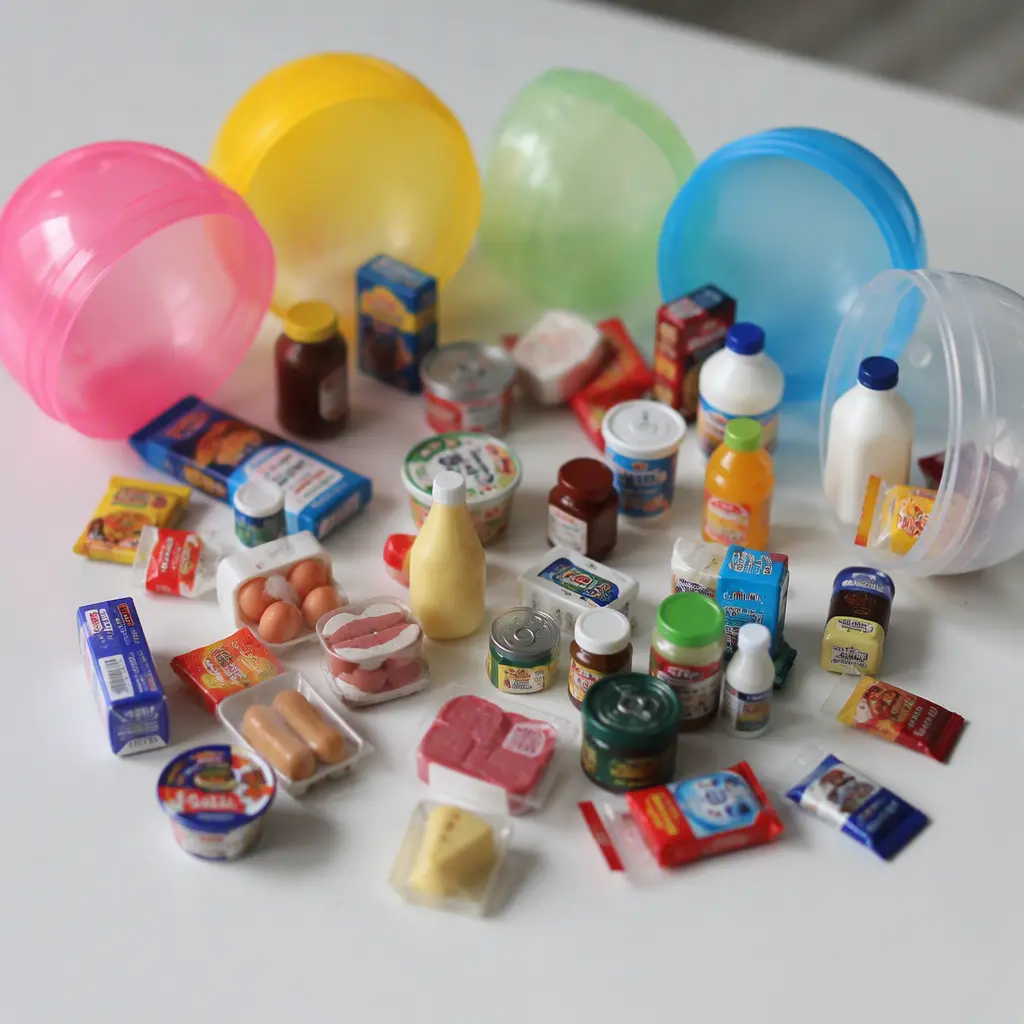
Launched in 2019, 5 Surprise Mini Brands turned miniature grocery replicas into a fast-growing collectible craze by combining unboxing surprises, pretend play, and detailed tiny packaging.
Compare prices and availability
Check current prices and availability for this guide on eBay.
As an eBay Partner, we may be compensated if you make a purchase.
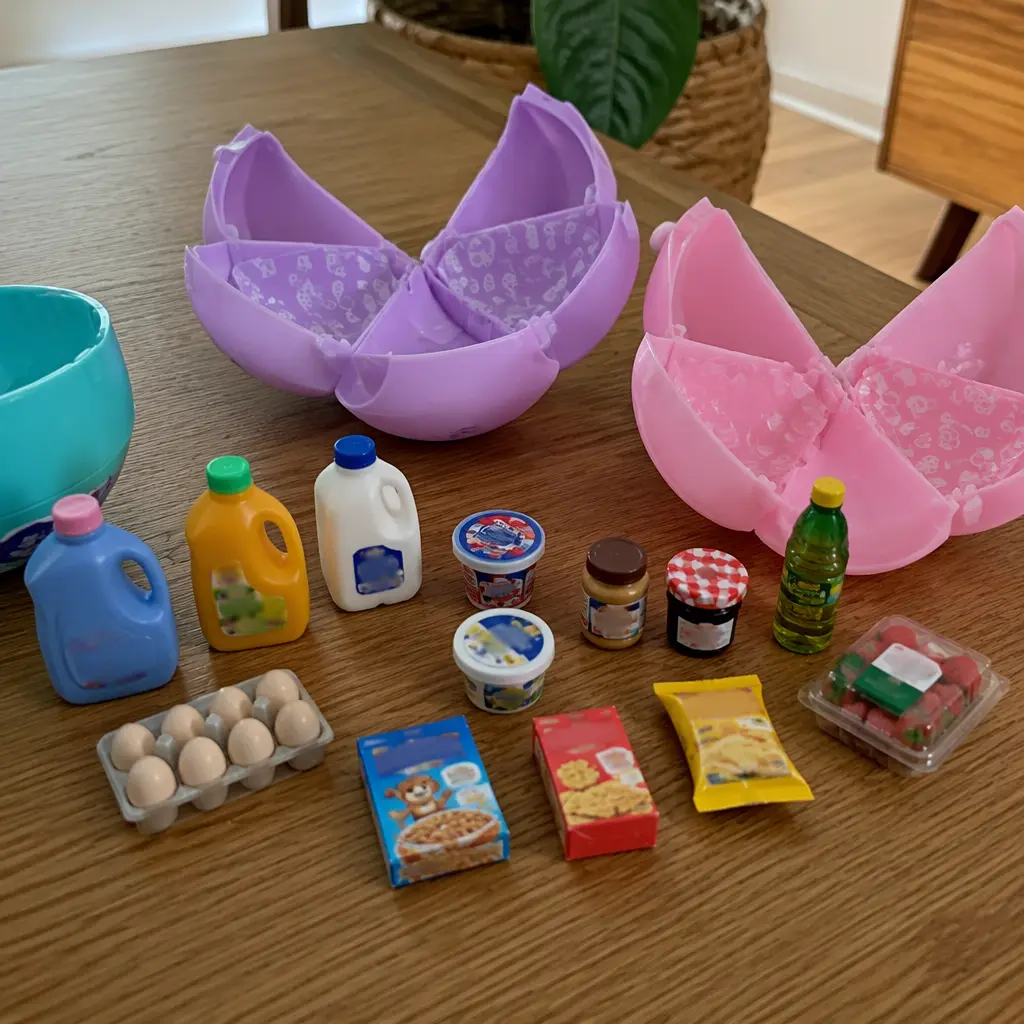
5 Surprise Mini Brands arrived at the right moment for collectible toys. Introduced in 2019 by ZURU, the line combined several trends that were already gaining momentum: surprise unboxing, miniature replicas, social-media-friendly reveals, and the appeal of everyday objects shrunk down to dollhouse size. Instead of fantasy creatures or action figures, Mini Brands focused on tiny versions of familiar grocery and household products. The result was oddly compelling. Children used them for pretend shopping and doll play, while older collectors displayed them like tiny pop-art objects. The capsules themselves became part of the ritual, opening in segmented wedges that revealed a handful of random mini items inside.
Where it came from
Mini Brands was launched during the height of the modern unboxing boom, when surprise capsules and blind-pack collectibles were dominating toy aisles and video platforms. ZURU built the concept around realistic miniatures of products commonly found in supermarkets, kitchens, and convenience stores. Rather than inventing a fictional universe, the toy line leaned into recognition. Children could instantly identify the shapes and colors of tiny cereal boxes, sauces, snacks, and cleaning products, even when branding was simplified or partially obscured.
The idea of miniature household items was not entirely new. Dollhouses and play kitchens had long included tiny food props, and collectors have always been drawn to scaled-down replicas. What Mini Brands changed was the delivery system and the pace of collecting. Each capsule offered several random surprises, creating a treasure-hunt effect that encouraged trading, checklist completion, and repeat purchases. Social media amplified the trend because opening the segmented capsules was visually satisfying on camera, while the tiny objects photographed well in close-up shots and stop-motion scenes.
Why it works
Part of the appeal comes from contrast. Everyday grocery items are normally disposable and overlooked, but reducing them to miniature scale makes them feel detailed and collectible. A tiny pantry item with realistic textures and proportions suddenly becomes something worth examining closely. The miniatures are small enough to fit into dollhouse worlds, toy stores, or desktop displays, giving them uses beyond simple collecting.
The unboxing mechanic also plays a major role. The segmented ball creates suspense because each wedge reveals only one item at a time. That pacing matters. Instead of opening a single compartment and moving on, collectors experience several small reveals in succession. The format taps into the same satisfaction as sticker albums, trading cards, and capsule vending toys, where completing a set becomes part of the fun.
- Detailed miniature replicas inspired by familiar grocery and household products
- Segmented capsules that create multiple surprise reveals in one package
- Strong crossover appeal for kids, teens, and adult collectors
- Useful as accessories for dollhouses, play kitchens, and toy photography
- Frequent themed waves and seasonal assortments that encourage trading and collecting
Who it's for
Mini Brands is primarily aimed at school-age children who enjoy collecting, organizing, and pretend shopping play. The tiny scale works especially well with dolls and miniature environments, making the toys popular with children who already enjoy play kitchens or dollhouses. At the same time, the line has built a significant adult audience. Some collectors display completed sets in cabinets or use them in miniature crafting projects and photography. The appeal tends to be strongest for people who enjoy tiny objects, checklist collecting, and surprise reveals rather than traditional action-based play. Because the pieces are very small, the toy is generally better suited for older children who can safely handle miniature accessories.
Variants and what to look for today
Since its launch, Mini Brands has expanded far beyond grocery-style products. Different series have focused on toy-store themes, fashion accessories, fast food, books, home goods, and miniature collectibles designed for display rather than pretend pantry play. Some releases include rare metallic, glow-in-the-dark, or extra-small variants intended to increase the excitement of random collecting.
Collectors looking for Mini Brands today should pay attention to scale, material quality, and capsule freshness. Better versions tend to feature sharper molding, sturdier plastic hinges, and cleaner printed details. Because the line became extremely popular, many generic miniature capsules appeared in stores and online marketplaces. Some alternatives are perfectly usable for pretend play, but lower-quality versions may have weaker hinges, rough edges, or less detailed miniatures.
- Starter assortments with mixed grocery-style miniatures are often easiest for new collectors
- Toy-themed and fashion-themed series appeal more to display collectors
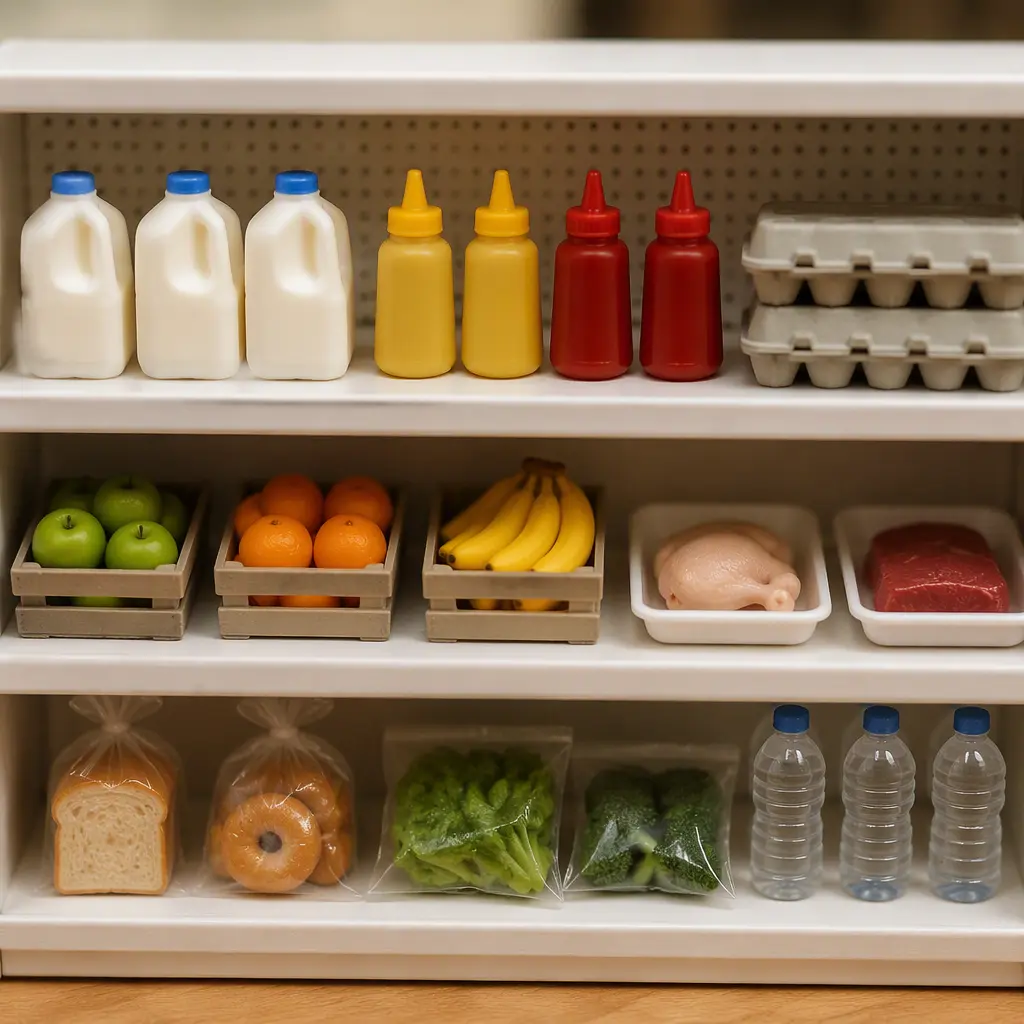
- Mini shelves, carts, and storage accessories can improve pretend play setups
- Check age guidance carefully because the smallest pieces can be easy to lose
- Secondhand lots are common online for collectors trying to complete sets
Frequently asked questions
Are Mini Brands meant for play or collecting?
They work well for both. Many children use them as accessories for dolls, toy kitchens, and pretend stores, while older fans focus on completing themed collections or creating miniature displays.
Why are the capsules shaped in segments?
The segmented design turns one package into several small reveals. That structure helps build suspense and makes the unboxing experience feel longer and more interactive than a traditional blind bag.
Do all capsules contain rare items?
Most capsules contain a mix of common miniatures, while some waves include harder-to-find variants or special finishes. The rarity system is part of what encourages trading and repeat collecting.
Can Mini Brands be used with dollhouses?
Yes. Many collectors use them as accessories for dolls, miniature kitchens, toy grocery stores, and stop-motion photography setups. Their small scale is one of the line's biggest strengths.
Mini Brands succeeded by turning familiar everyday products into tiny collectible objects and pairing them with a carefully designed surprise-opening experience. The line captured a moment when social sharing, collecting culture, and miniature aesthetics were all converging in the toy industry. Even as trends shift, the basic appeal remains easy to understand: people enjoy discovering tiny versions of recognizable things, especially when each reveal feels like opening a miniature treasure chest.