Baby Born Dolls: The lifelike baby that changed pretend care
First released in 1991, Baby Born dolls brought feeding, bathing and potty routines into play. Their lifelike functions reshaped how children role‑play care and responsibility.
Compare prices and availability
Check current prices and availability for this guide on eBay.
As an eBay Partner, we may be compensated if you make a purchase.
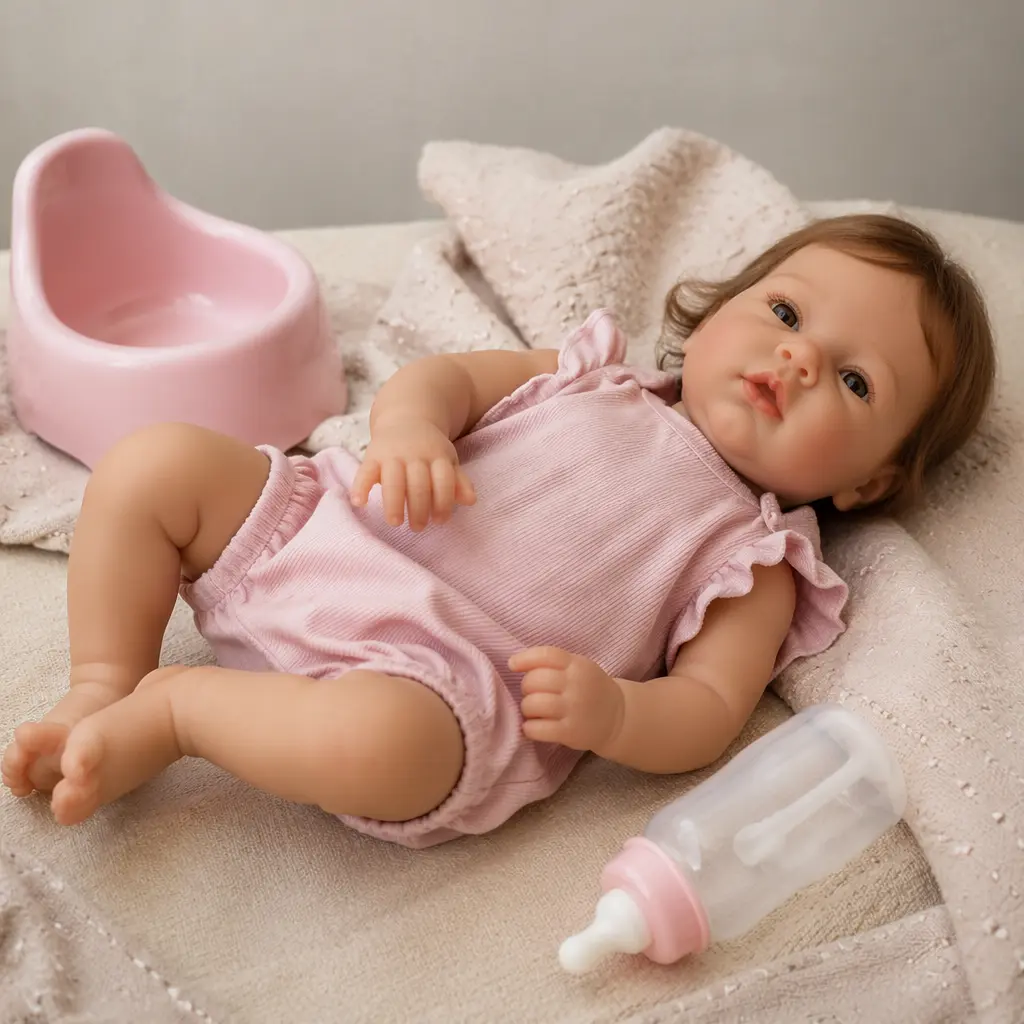
For decades, dolls have invited children to play house, school or family. Baby Born dolls took that familiar idea and made it more literal. Instead of simply pretending a doll was fed or bathed, children could actually perform those routines. You could give the doll a bottle, change its nappy and sit it on a potty. That shift toward hands‑on caregiving is what made Baby Born stand out in the crowded doll aisle.
Where it came from
Baby Born was introduced in 1991 by German toy company Zapf Creation. At the time, many popular dolls focused on fashion, fantasy or simple cuddling. Zapf’s idea was different: a baby doll that behaved more like a real infant, with clear routines that mirrored everyday childcare.
The original concept was rooted in observation. Feeding, toileting and bathing are repetitive but meaningful parts of family life, especially for children who see siblings or parents caring for babies. By building those routines into the doll itself, Baby Born tapped into a form of play that felt familiar and purposeful, rather than purely imaginary.
Why it works
The appeal of Baby Born lies in cause and effect. When a child feeds the doll, something happens. When they sit it on the potty, there is a result. This feedback loop makes play feel rewarding and reinforces the idea of caring actions leading to outcomes.
The design balances realism with simplicity. The doll looks like a baby, but the mechanisms are straightforward enough for young children to manage independently. Standout features typically include:
- Feeding systems that use water rather than complex electronics
- Potty or nappy functions that mimic real routines
- Durable bodies designed for bath‑time play
- Accessories that support step‑by‑step caregiving stories
Who it’s for
Baby Born dolls are generally aimed at preschool and early primary‑school children, often around ages three and up. That said, they also appeal to slightly older children who enjoy structured role play. For adults, especially parents, the dolls can feel reassuringly grounded. The play pattern mirrors real‑world tasks and can help children explore empathy, responsibility and daily routines in a safe, playful way.
Variants and what to look for today
Over the years, the Baby Born family has expanded to include different sizes, skin tones and themed accessory sets. While the core idea remains the same, modern versions often add refinements such as softer materials, improved joints or simplified cleaning.
When looking for a Baby Born‑style doll today, it’s worth checking that the accessories you expect are included and that the doll is designed for water play if bathing is part of the appeal. Cheaper imitations sometimes copy the look without the reliable internal design, which can lead to leaks or frustration during play.
Frequently asked questions
Do Baby Born dolls use electronics?
Most Baby Born dolls rely on simple mechanical systems and water rather than batteries. This keeps the play intuitive and reduces the risk of electronic failure during bath‑time play.
Are they suitable for bath use?
Many versions are designed specifically to be bathed, but it’s important to check the product details. Proper drying after use is key to keeping the doll hygienic.
What age is best for a Baby Born doll?
They are usually recommended for children aged three and above, once kids can follow simple routines and handle accessories safely.
Why do children connect so strongly with them?
The routines feel real. Feeding, changing and bathing are actions children recognise, and that familiarity helps them form emotional connections through play.
More than thirty years after its introduction, Baby Born remains a reference point for nurturing play. It didn’t replace traditional dolls, but it added a new layer to what doll play could be. By turning everyday care into interactive storytelling, it reshaped expectations and proved that even simple routines can be endlessly engaging.