Bionicle: When building sets grew a mythic universe
Launched in 2001, LEGO Bionicle fused construction play with deep lore, turning buildable figures into heroes of an epic saga that still draws fans back today.
Compare prices and availability
Check current prices and availability for this guide on eBay.
As an eBay Partner, we may be compensated if you make a purchase.
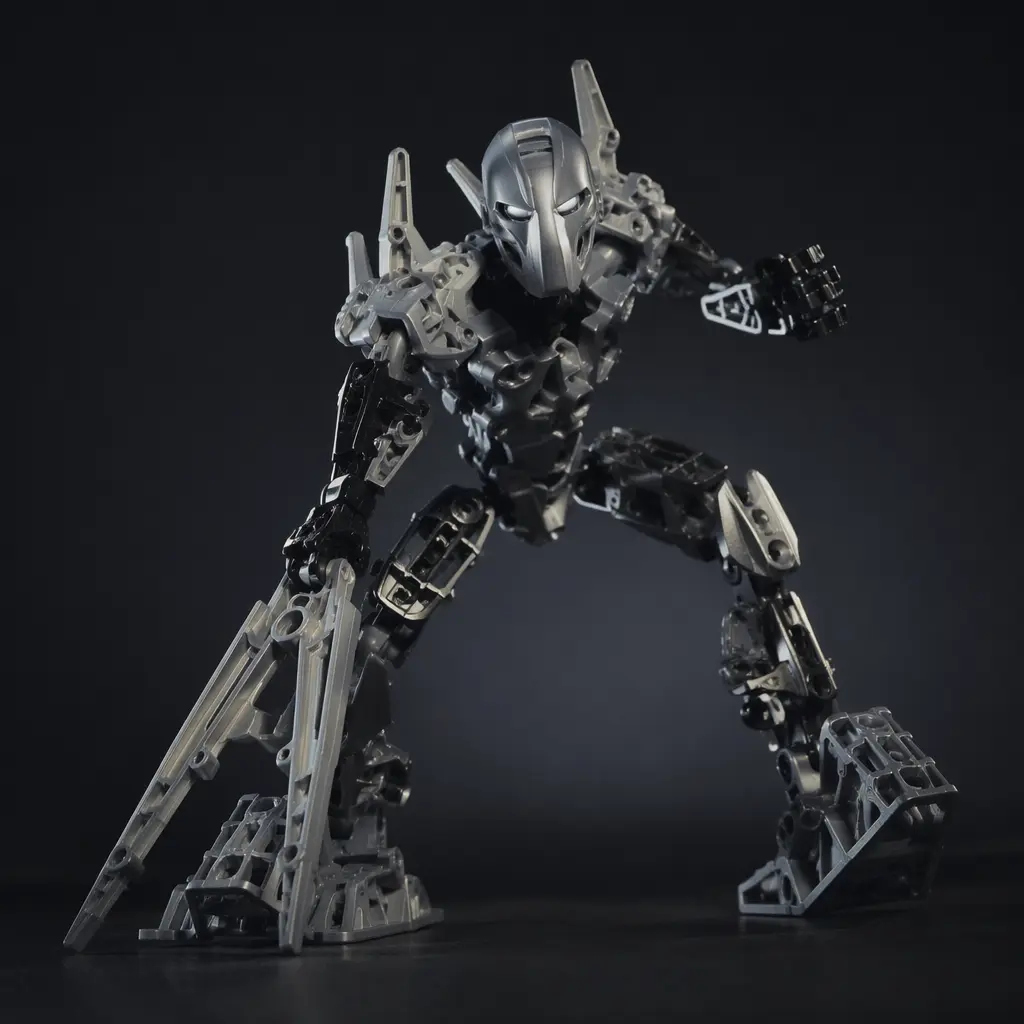
At the turn of the millennium, construction toys were mostly about vehicles, buildings, or freeform creativity. Then Bionicle arrived and suggested something different: that building could be a form of storytelling. With its mask-wearing heroes, mechanical limbs, and unfolding mythology, Bionicle didn’t just ask kids to assemble a figure—it invited them into a world.
Where it came from
Bionicle launched in 2001 from the LEGO Group at a moment when the company needed a hit. Traditional themes were struggling, and the idea behind Bionicle was ambitious: create a construction-based toy line supported by an original, long-running story. Instead of adapting a movie or TV licence, LEGO built its own mythology from scratch.
The original concept centered on elemental heroes defending an island world, with the narrative unfolding across sets, websites, comics, and later novels and films. This transmedia approach was unusual for a toy line at the time, and it gave Bionicle a sense of momentum. Each year advanced the story, introduced new characters, and evolved the building system.
Why it works
At its core, Bionicle worked because it blended two satisfying experiences: hands-on construction and imaginative role play. The figures were poseable and mechanical, inviting tinkering, while the story gave meaning to those builds. Kids weren’t just snapping pieces together—they were assembling a hero with a role to play.
- A construction system focused on joints, frames, and movement
- Distinct visual language mixing organic and mechanical shapes
- Mask and weapon swapping that encouraged customization
- Ongoing lore that rewarded attention and collection
The modular design made experimentation feel safe. Parts could be reused across characters, and rebuilding was expected. That flexibility, paired with a strong aesthetic, helped Bionicle stand apart from both traditional action figures and brick-based sets.
Who it's for
Bionicle was marketed primarily to older children and pre-teens who were ready for more complex builds, but its reach quickly extended beyond that. The darker tone and serialized story attracted older kids, while teens and adults found themselves drawn in by the engineering and lore. Today, many fans are adults revisiting a formative toy from their childhood.
Variants and what to look for today
Over its lifespan, Bionicle went through multiple phases, each with its own look and building complexity. Early figures were relatively simple, while later releases introduced more advanced frames and articulation. After its original run ended, the line was briefly revived with updated designs, showing how adaptable the concept remained.
If you’re exploring Bionicle today—whether for play or display—condition and completeness matter. Many sets rely on small connector parts and masks that are easy to lose. It’s also worth being cautious of generic imitation construction figures that mimic the style but lack the durability and fit that made the originals satisfying to build.
Frequently asked questions
Is Bionicle a LEGO theme?
Yes. Bionicle was created and produced by the LEGO Group, using a construction system distinct from traditional bricks but built on the same quality standards.
Do you need to know the story to enjoy the sets?
Not necessarily. The figures are fun to build and pose on their own, but the story adds context and can deepen engagement, especially for collectors.
Are modern construction sets similar?
Some modern buildable figures share the emphasis on articulation and parts reuse, but few combine that with the same level of original lore.
Bionicle’s legacy lies in how boldly it reimagined what a construction toy could be. By treating building as the first chapter of an epic story, it showed that plastic parts and imagination could carry real narrative weight—and that’s why, years later, it’s still remembered as something special.