Clackers: The noisy 1970s toy that thrilled kids and scared parents
Briefly unavoidable in the early 1970s, clackers were loud, fast, and risky. This profile looks at where they came from, how they worked, and why they vanished almost as quickly as they appeared.
Compare prices and availability
Check current prices and availability for this guide on eBay.
As an eBay Partner, we may be compensated if you make a purchase.
For a short, noisy moment in the early 1970s, clackers were everywhere. School playgrounds echoed with their sharp cracking sound as kids snapped two balls together over and over, chasing rhythm, speed, and bragging rights. Parents, teachers, and school administrators watched with a mix of confusion and alarm. How did something so simple become such a sensation—and why did it disappear almost as fast?
Where it came from
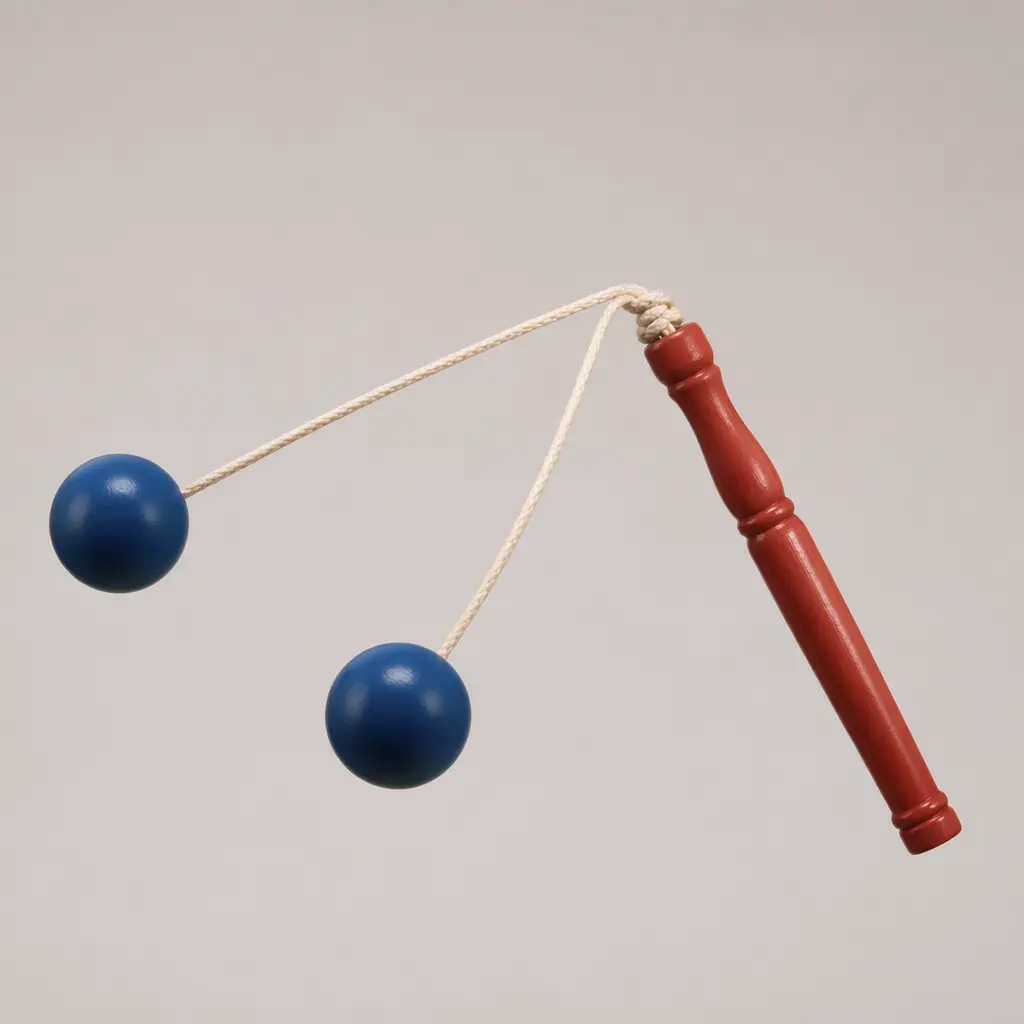
Clackers arrived in the United States around 1971, during a period when simple skill toys could still explode into national crazes. Versions of the concept existed earlier in other cultures, but the modern clacker—two hard balls on a string attached to a small handle—was marketed aggressively to kids as a test of coordination and nerve.
Manufacturers promoted clackers as inexpensive, pocket-sized fun that could be played almost anywhere. There was no board, no setup, and no batteries. That simplicity made them perfect for playgrounds and sidewalks, where trends spread quickly by imitation. Within months, clackers were a must-have item, often sold at toy shops, novelty stores, and even school fundraisers.
Why it works
At its core, the appeal of clackers is kinetic. The player swings the balls so they collide above and below the hand in a continuous rhythm. When it works, it feels almost magical—a loop of motion, sound, and timing that rewards practice instantly.
The design is minimal, but several elements combine to make it compelling:
- Immediate feedback through sound and vibration
- A clear skill curve, from awkward first swings to fast, controlled rhythms
- Physical engagement that feels active rather than passive
- A competitive edge, as kids compare speed and consistency
The loud cracking noise wasn’t a side effect—it was part of the fun. Volume signaled success. The better you got, the more attention you drew, which helped fuel the craze.
Who it’s for
Originally, clackers were aimed at school-age kids, roughly ages 6 and up. They require coordination and grip strength, and they reward patience. Today, their appeal is mostly nostalgic. Adults who remember them from childhood are the primary audience, along with collectors of classic toys and parents curious about the fads of earlier generations.
Variants and what to look for today
Classic clackers were often made with hard acrylic or plastic balls. Some later versions experimented with different sizes, weights, or slightly softer materials. Today’s reproductions tend to be more cautious in design, reflecting modern safety expectations.
If you’re looking at clackers now, it helps to know what matters:
- Material: softer or rubberized balls reduce risk and noise
- String quality: strong, well-attached cords are essential
- Handle grip: textured or shaped handles improve control
- Clear safety guidance: reputable sellers include age recommendations
Frequently asked questions
Why were clackers considered dangerous?
The original versions used very hard balls that could crack or shatter, and the swinging motion put hands, wrists, and faces at risk. Injuries and complaints led many schools to ban them.
Were clackers actually banned?
There was no single national ban, but many schools and local authorities prohibited them. Negative media coverage also played a role in cooling public enthusiasm.
Do kids still play with clackers today?
They’re not common, but they do appear occasionally as novelty or retro toys. Interest tends to come from adults introducing them as a curiosity rather than from organic playground trends.
Are modern clackers safer?
Generally, yes. Modern versions often use softer materials and include clearer safety warnings, though supervision is still recommended.
Clackers are a reminder of how quickly a toy can rise and fall. They captured something timeless—the satisfaction of mastering a simple motion—while also showing how safety expectations change. Loud, risky, and unforgettable, they remain one of the most talked-about toy crazes of the 1970s.