Crafty Co Drawing Robot: A creative toy with a guided hand
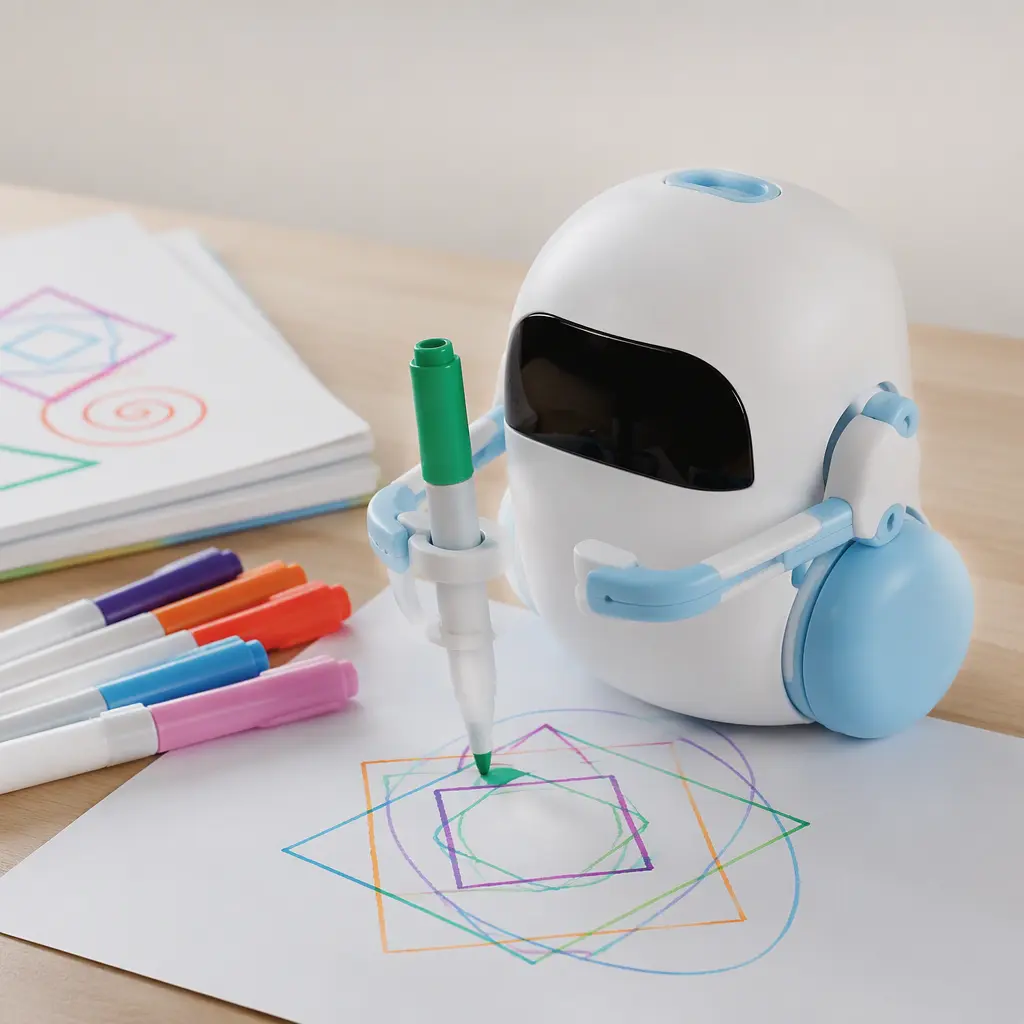
The Crafty Co Drawing Robot blends simple automation with hands-on art play, helping younger children turn patterns and prompts into finished drawings while still making creative choices of their own.
Compare prices and availability
Check current prices and availability for this guide on eBay.
As an eBay Partner, we may be compensated if you make a purchase.
The Crafty Co Drawing Robot sits in a growing category of creative-tech toys that promise to make art feel less intimidating for younger children. Rather than replacing drawing altogether, toys like this typically guide the process: the machine helps create outlines, patterns or repeatable shapes while children choose colors, tweak designs and decide what happens next. That balance between automation and personal input is a big part of why drawing robots have become popular in toy-store “top toys” ranges. They offer a screen-light activity that still feels technological, while giving children a visible result they can hold onto when playtime ends.
Where it came from
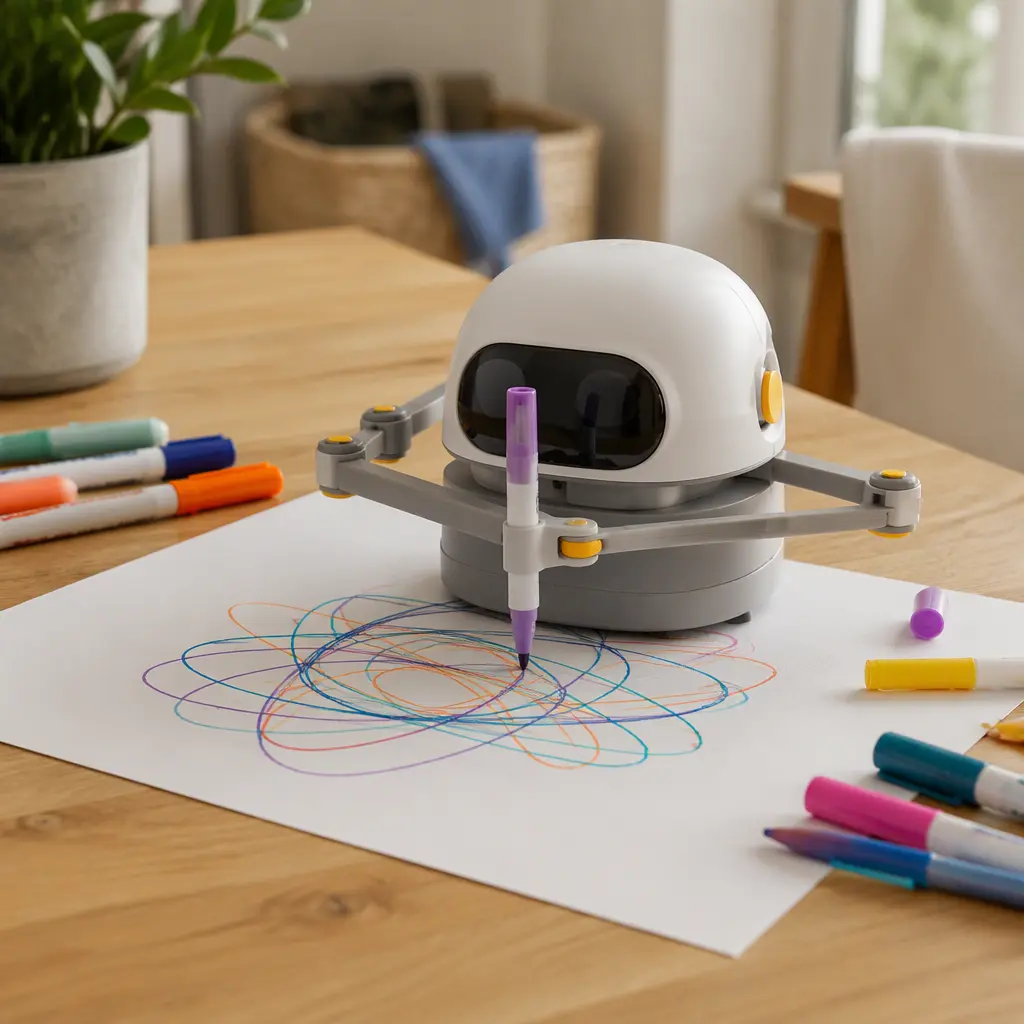
Creative robotics toys have evolved from earlier tracing machines, spirograph-style tools and programmable STEM kits. The newer generation aims to lower the barrier for younger children by reducing setup complexity and focusing on immediate results. Instead of asking kids to code detailed instructions, many drawing robots rely on prebuilt motions, guided templates or simple button-driven actions that can quickly turn blank paper into recognizable designs.
The Crafty Co Drawing Robot appears as part of a broader retail trend toward “creative confidence” toys: products designed to help children feel successful early on rather than master technical drawing skills first. Retailers including Smyths have increasingly highlighted hybrid toys that combine arts-and-crafts play with light-touch technology. In practice, that usually means a toy capable of automating repeated pen movements or structured drawing steps while still leaving room for children to personalize the outcome through color, decoration and experimentation.
Why it works
The appeal of a drawing robot is less about producing perfect art and more about removing the fear of the empty page. Younger children often enjoy the physical act of coloring and decorating but can become frustrated when they cannot draw complex shapes consistently. A guided drawing machine helps bridge that gap. The toy handles some of the precision, while the child remains involved in setup, design selection and finishing touches.
Another reason the format works is visibility. Unlike many app-based creative toys, the process happens directly in front of the child. They can watch the machine move, see the lines appear and interrupt or modify the design as they go. That mechanical movement becomes part of the entertainment. For parents, the attraction is often that the toy can encourage quieter independent play without fully handing the experience over to a screen.
- Automated drawing motions help younger children create recognizable shapes and patterns
- Children still control color choices, decoration and how finished artwork is used
- Repeatable designs can encourage experimentation instead of fear of mistakes
- The physical movement of the robot adds a STEM-style mechanical element
- Usually designed for short creative sessions rather than long digital play periods
Who it's for
For the stated 6–8 age range, a drawing robot lands in a practical middle ground between preschool craft toys and more advanced coding kits. Children at this age are typically developing fine motor control and patience for step-by-step activities, so guided drawing systems can feel rewarding instead of restrictive. Adult help may still be needed during first-time setup, especially if the toy uses batteries, marker installation or app pairing. Older children may enjoy it more as a novelty or pattern-making tool than as a long-term primary art activity, while adults interested in simple kinetic drawing gadgets may appreciate the mechanical aspect.
Variants and what to look for today
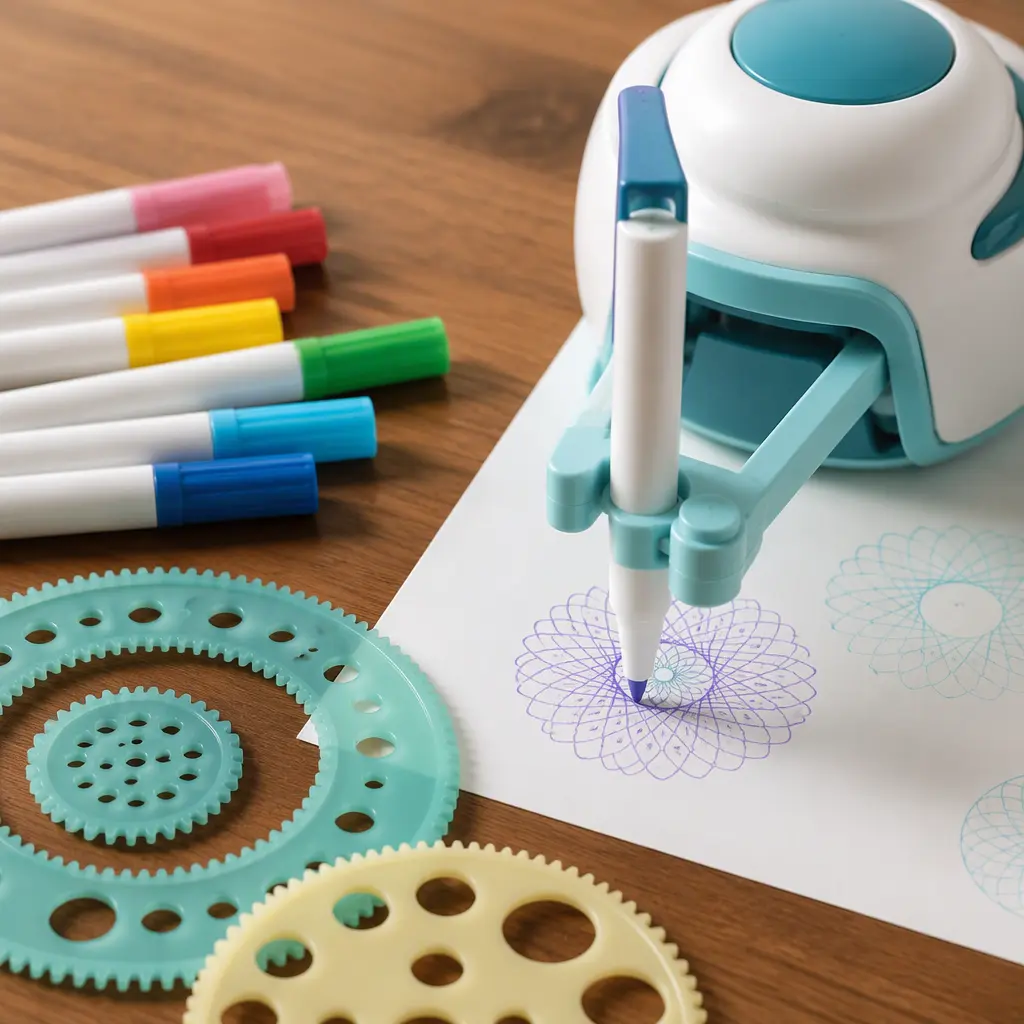
Drawing robots now come in several overlapping styles. Some are fully self-contained and rely on onboard buttons or cartridges. Others connect to apps that send designs to the machine. The distinction matters because app-connected toys can introduce compatibility questions, account requirements or ongoing software support concerns. Families shopping for a creative-tech toy should check whether core functions work offline and whether the toy remains useful if a companion app is unavailable.
Consumables are another practical consideration. Most drawing robots rely on replaceable markers, pens or paper inserts. That does not necessarily make them expensive to maintain, but parents should expect occasional replenishment costs. Washable markers and standard paper sizes are generally easier to live with than highly proprietary refill systems. Setup friction also varies widely between products. Simpler systems tend to work best for younger children, while more advanced programmable models can drift closer to hobby robotics.
- Check whether the toy requires a companion app for basic operation
- Look for easy-to-replace markers or widely available pen formats
- Consider whether the robot works on ordinary paper sizes
- Battery-powered toys may need frequent charging or replacements during heavy use
- Be cautious of very cheap imitation products with unreliable pen movement or fragile plastic parts
Frequently asked questions
Does the drawing robot actually teach children to draw?
It can support drawing confidence, but it does not replace traditional drawing practice. The robot typically automates portions of the process, helping children create shapes or outlines they can then color, adapt or build upon. Many children use it as a starting point rather than a complete art lesson.
How much creativity is automated?
Most toys in this category automate motion rather than imagination. Children still make choices about colors, combinations, decorations and how to use the finished artwork. The experience is usually closer to guided creativity than fully independent art generation.
Does it need an app or internet connection?
That depends on the specific version and feature set. Some drawing robots are entirely standalone, while others use apps for additional templates or controls. Families should confirm device compatibility and offline functionality before buying if minimizing screen dependence is important.
Is it better for art-focused kids or STEM-focused kids?
The category tends to sit between the two. Art-focused children may enjoy decorating and customizing the results, while STEM-oriented children may be more interested in the movement mechanics and repeatable patterns. The strongest appeal often comes from children who like both crafting and gadgets.
The Crafty Co Drawing Robot reflects a broader shift in children’s toys toward assisted creativity rather than pure automation. Its appeal is not that it can replace drawing, but that it can make art activities feel approachable, interactive and immediately rewarding for younger children. For families comfortable with occasional consumables and a bit of setup, the format offers a blend of craft play and light technology that fits neatly into the modern toy aisle without fully turning creative time into screen time.