Eilik Desktop Robot and the Rise of Expressive Desk Toys
Eilik turned a small animated desk robot into a breakout kidult gadget by focusing on expressive reactions, simple interaction and offline-friendly play instead of a camera-heavy smart-home role.
Compare prices and availability
Check current prices and availability for this guide on eBay.
As an eBay Partner, we may be compensated if you make a purchase.
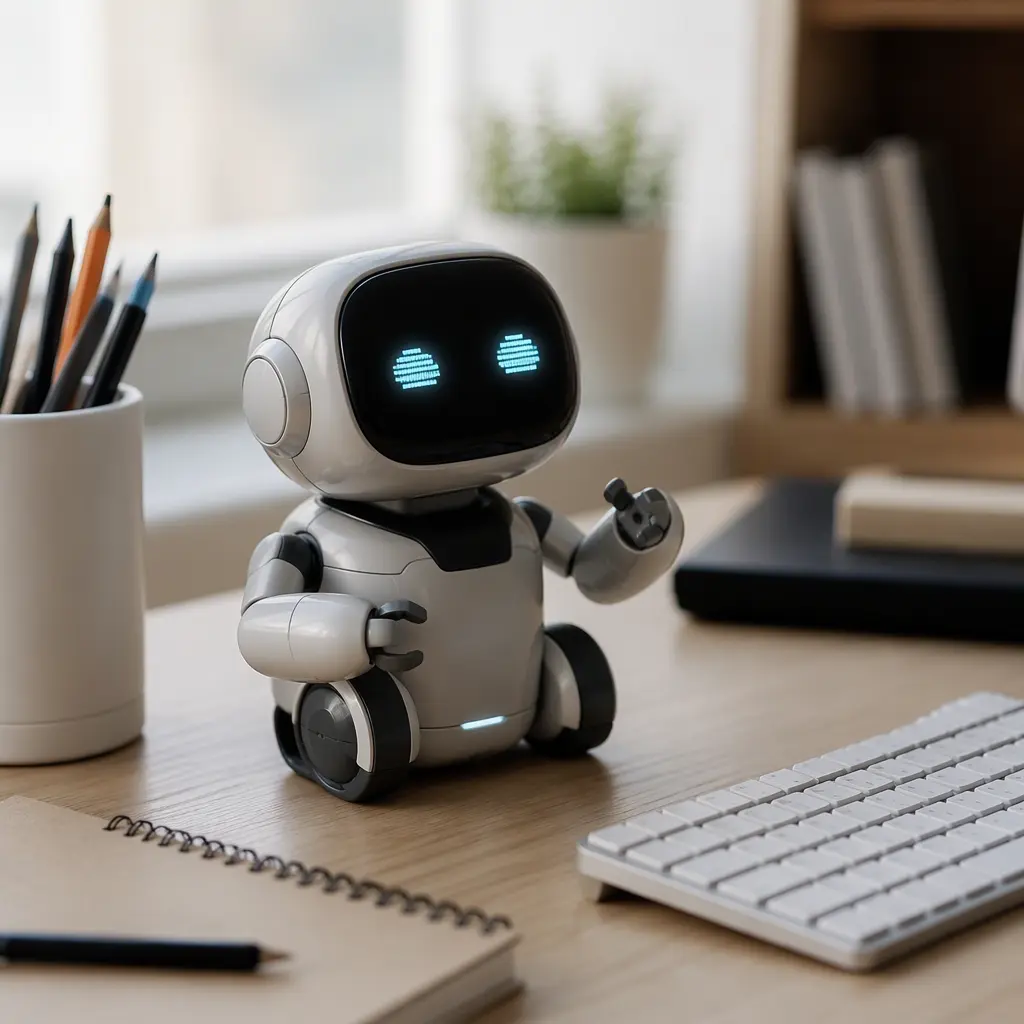
Eilik arrived during a period when desk gadgets, compact robots and "kidult" collectibles were all gaining momentum at once. Instead of trying to become a full smart-home assistant, the palm-sized robot focused on personality. It reacts to taps, movement and nearby objects with animated emotions, sound effects and simple social behavior, turning a work desk or shelf into a small stage for interactive play. That narrower focus helped it stand out from larger home robots that often depended on cameras, voice assistants or subscription-style ecosystems.

Where it came from
Eilik was introduced in 2022 by Energize Lab, part of a newer wave of consumer robotics companies aiming to make approachable, emotionally expressive gadgets rather than utility-first home assistants. The product entered a market already familiar with robotic pets, STEM kits and programmable companions, but its presentation leaned more toward animation and emotional interaction than coding lessons or productivity tools.
Its launch timing also mattered. Hybrid workspaces, gaming desks and social-media-friendly setups had become major display spaces for collectible tech. Eilik fit naturally into that environment because it was small, self-contained and visually expressive. Unlike many connected robots that rely heavily on cloud processing, room mapping or always-on cameras, Eilik was marketed as a desktop companion with simpler interaction patterns and lower setup friction. That distinction appealed to parents wary of more intrusive smart devices and adults who wanted something playful without turning their home into a voice-assistant hub.
Why it works
The robot's appeal comes from animation principles more than advanced artificial intelligence. Eilik uses movement, sounds and screen-based facial expressions to suggest moods and reactions. A tilt, wobble or exaggerated eye animation can make even a short interaction feel surprisingly character-driven. The design borrows from classic toy animatronics and virtual pets while packaging those ideas into a modern desktop object.
Another key part of the design is immediacy. There is no need for a large play area, complicated building process or lengthy setup session before interaction begins. Users can tap the robot, pick it up, place it beside another unit or simply leave it idling on a desk to see new reactions. That low barrier to interaction makes it approachable for both children and adults who may not think of themselves as robotics hobbyists.
- Animated facial expressions displayed on a built-in screen
- Touch and movement reactions that encourage casual interaction
- Small desktop scale that fits gaming setups and office spaces
- Robot-to-robot interactions when multiple units are placed together
- Offline-friendly play compared with more cloud-dependent smart devices
- Expressive sound design and physical motion instead of voice-assistant features
Who it's for
Eilik sits in an unusual middle ground between toy, desk accessory and lightweight consumer robot. Younger children may enjoy the expressive reactions and simple interaction, while teens and adults often treat it more like a collectible desktop companion. The appeal overlaps with gaming culture, streaming setups, productivity spaces and toy collecting. Parents considering connected toys may also appreciate that Eilik's concept does not revolve around constant camera use or open-ended voice conversations. Even so, buyers should still check current app requirements, firmware support and device compatibility because connected features and updates can vary by region and platform over time.
Variants and what to look for today
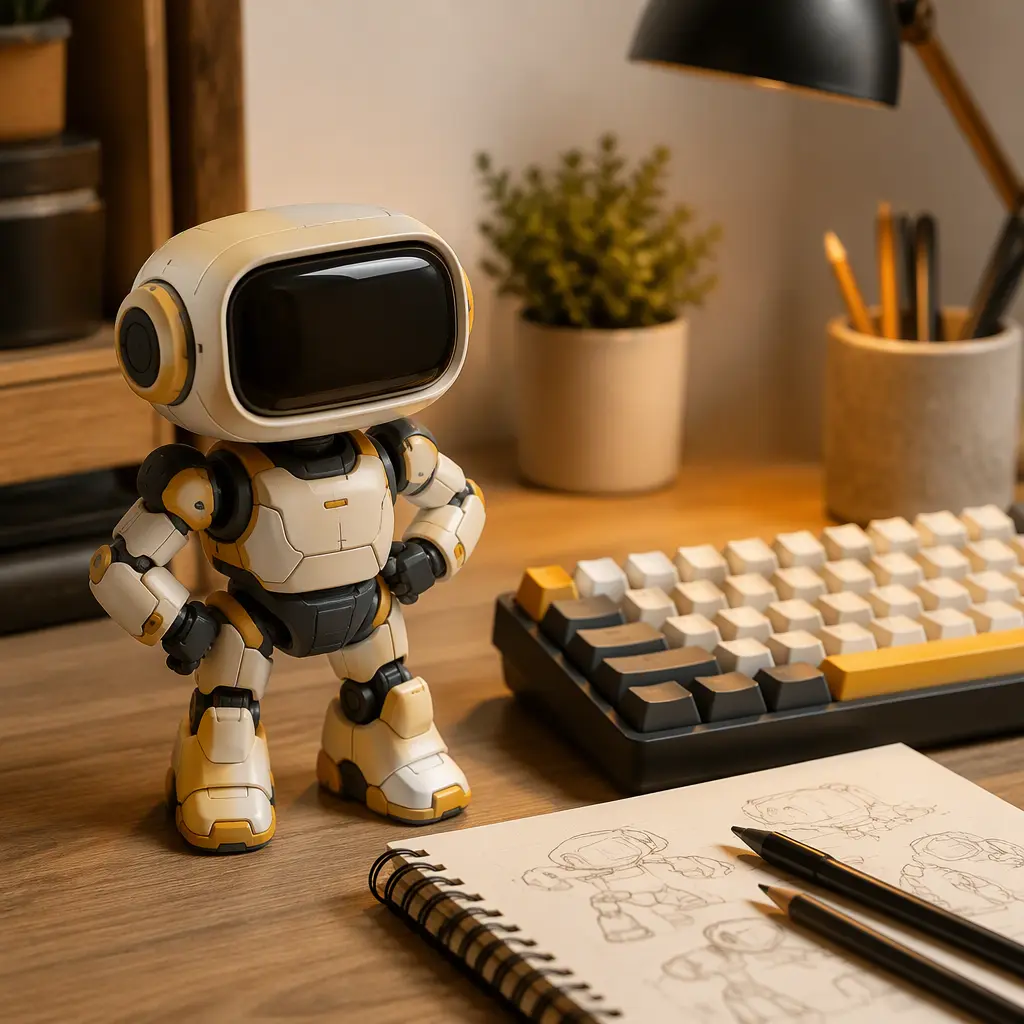
Because Eilik became popular through online videos and social sharing, shoppers now encounter a wide mix of official products, accessories and generic imitators. The official version is typically associated with Energize Lab branding and the recognizable expressive design language. Third-party listings sometimes use vague descriptions such as "mini smart robot" or "interactive desk pet" while borrowing similar aesthetics.
Potential buyers should pay attention to software support, charging method and included accessories rather than assuming all versions behave the same way. Some listings may show features that depend on app updates or interactions between multiple robots. Availability can also differ by region, especially for companion apps and firmware tools.
- Check whether the robot is sold through an authorized retailer or official storefront
- Look for clear information about app support and compatible mobile devices
- Consider whether you want a single robot or interaction between multiple units
- Review charging details and included cables or accessories
- Be cautious of generic look-alikes that mimic the appearance but not the feature set
Frequently asked questions
Does Eilik use a camera or act like a smart-home assistant?
Eilik is generally positioned as an expressive desktop companion rather than a full smart-home device. Its interaction style focuses on touch, movement and animated reactions instead of acting as a voice-controlled household assistant with room-monitoring features.
Can it still be entertaining without constant internet use?
A large part of the appeal comes from local interactions, animations and physical behavior. Some functions, updates or app-related features may still depend on connected devices or online support, so buyers should check current manufacturer details for their region.
Is Eilik mainly for children?
Not entirely. While children may enjoy the expressive reactions, much of the product's popularity comes from older teens and adults using it as a desk companion, display item or collectible gadget. The compact design fits naturally into office and gaming setups.
Why did it spread so widely online?
The robot photographs and films well because its reactions are quick, visual and easy to understand without explanation. Short clips of two robots interacting or reacting emotionally translated effectively to social platforms, helping the product reach audiences beyond traditional toy buyers.
Eilik reflects a broader shift in toy-tech design: many people no longer want every connected gadget to become a full assistant, surveillance device or productivity tool. Sometimes a small object with personality, simple interaction and a clear purpose is enough. By focusing on expression over utility overload, the tiny desktop robot found a place with collectors, remote workers, gamers and families looking for something playful that feels approachable rather than invasive.