Fidget Worms: How a bendable desk toy became a viral hit
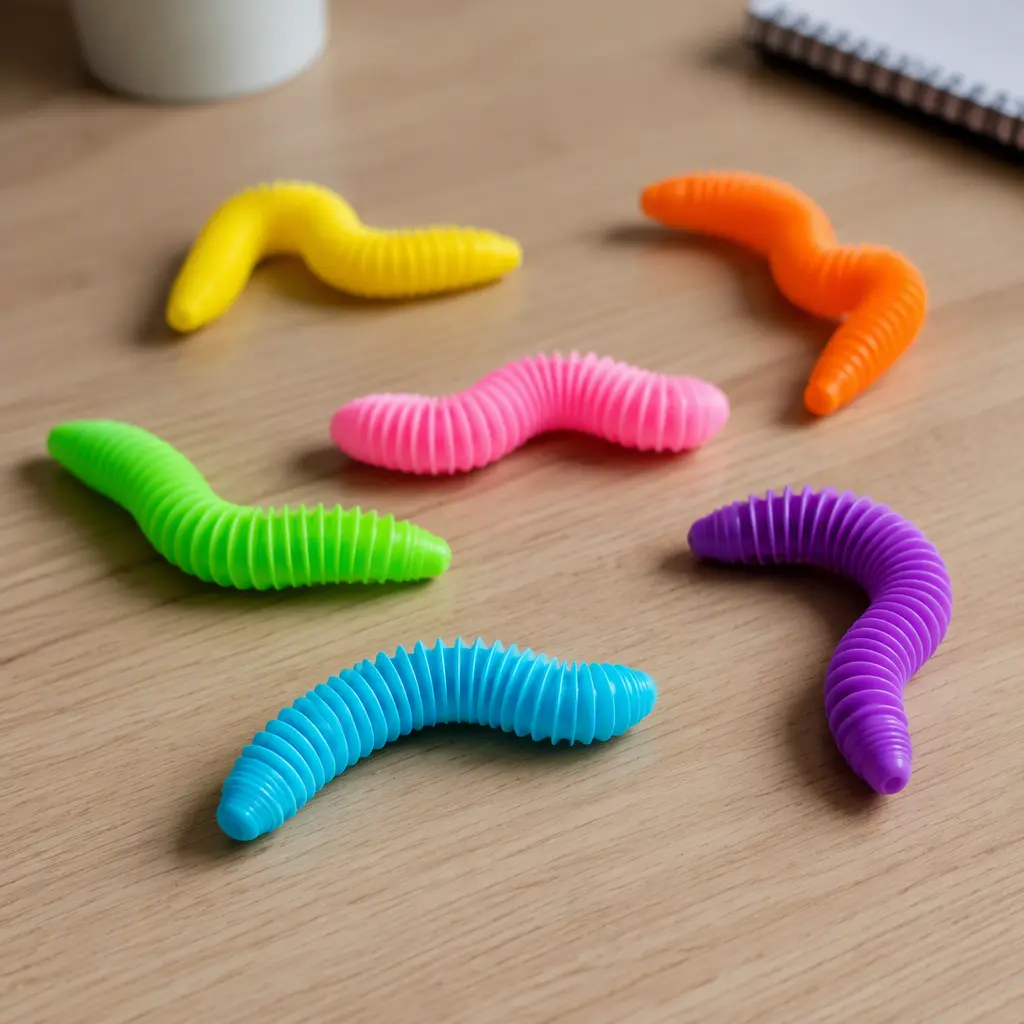
Fidget Worms turned simple tactile play into a modern desk-toy phenomenon. Their bendable, twistable design made them popular with kids, students, and adults looking for quick hands-on distraction.
Compare prices and availability
Check current prices and availability for this guide on eBay.
As an eBay Partner, we may be compensated if you make a purchase.
Fidget Worms arrived at the right moment for modern toy culture. Small, flexible, and instantly understandable, these bendable desk toys became popular through short social-media videos that showed them twisting, looping, and snapping into unusual shapes. Unlike complicated collectibles or expensive electronic gadgets, Fidget Worms succeeded because they were inexpensive, tactile, and easy to share. They fit equally well in a classroom pencil case, a work-from-home desk setup, or a backpack pocket, making them one of the defining sensory toys of the early 2020s.
Where it came from
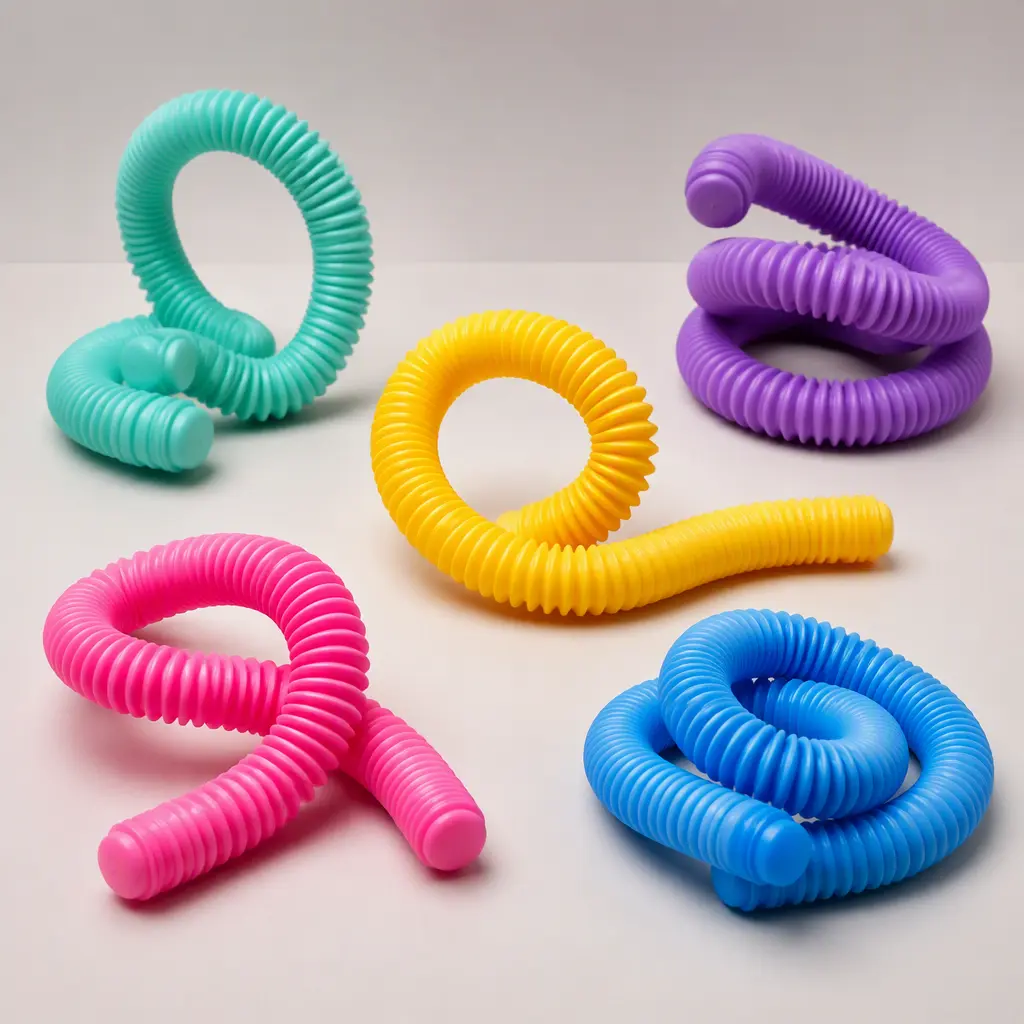
Fidget Worms emerged during a broader boom in tactile and sensory toys that accelerated in the late 2010s and early 2020s. Their rise followed the success of fidget spinners, pop-it boards, and stress balls, but they offered something slightly different: a toy that encouraged constant movement without requiring a goal or score. Many versions appeared through small toy manufacturers and online marketplaces around 2021, often spreading through viral videos before traditional retailers fully caught on.
The basic idea was simple. A segmented, flexible tube or chain could bend freely while still holding shape for a few moments. That gave users a satisfying mix of resistance and motion. Children treated them like mini creatures or wearable accessories, while adults often used them as desk toys during calls or study sessions. Their appeal crossed age groups because they required no instructions and no learning curve. Pick one up, twist it around your fingers, and the purpose immediately made sense.
Why it works
The success of Fidget Worms comes down to tactile feedback. Good fidget toys create a small but noticeable physical response, and these flexible worms do that through bending, snapping, curling, and stretching motions. The segmented structure creates tiny movements that keep hands occupied without demanding visual attention. That made them especially popular during remote learning periods and in office environments where people wanted a quiet, portable distraction.
Their visual appeal also mattered. Bright colors, gradient finishes, glow effects, and textured surfaces made them highly shareable online. Videos showing long chains of connected worms or intricate finger tricks helped turn an ordinary sensory toy into a social-media trend. The toy family benefited from repetition too. Many users bought several at once, linking them together or trading colors with friends.
- Flexible segmented bodies that bend repeatedly without complex mechanisms
- Quiet tactile play suitable for classrooms, travel, or office desks
- Pocket-sized designs that are easy to carry and store
- Bright colors and textures that encourage collecting and sharing
- Open-ended play with no rules, batteries, or setup required
Who it's for
Fidget Worms are generally aimed at school-age children, but their audience quickly expanded beyond the toy aisle. Teens and adults adopted them as desk accessories, study aids, and casual stress-relief objects. Younger children tend to enjoy the imaginative side, turning the worms into pretend creatures or wearable bracelets, while older users focus more on repetitive motion and tactile feedback. Parents often appreciate that the toys are simple, reusable, and screen-free, although very small versions may not be suitable for toddlers due to detachable pieces on some designs.
Variants and what to look for today
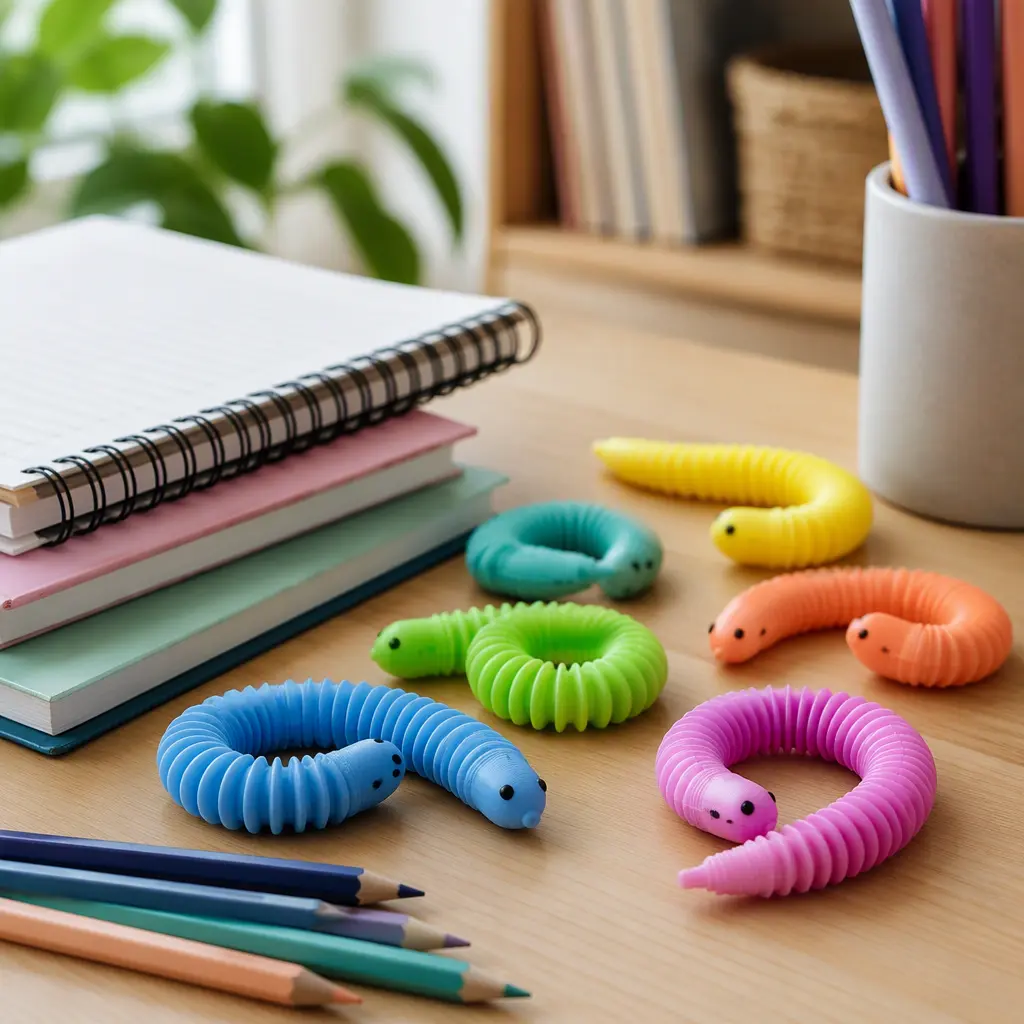
Because Fidget Worms spread quickly through online marketplaces, the category now includes a wide range of materials and designs. Some are soft and rubbery, while others use firmer plastic segments for more defined clicking or snapping sensations. Oversized versions are common for dramatic twisting motions, while mini versions are marketed as travel-friendly pocket toys. Glow-in-the-dark finishes, textured ridges, and metallic color treatments are especially common in contemporary editions.
Shoppers today will also notice large quality differences between products. Better-made versions usually have smoother joints, durable elastic or internal connectors, and consistent flexibility throughout the toy. Cheap versions may split, stiffen, or lose tension after repeated bending. Since many designs come from generic manufacturers, it helps to look closely at material quality and construction rather than focusing on branding alone.
- Look for smooth flexible joints that bend evenly without sharp edges
- Textured surfaces can provide more tactile feedback for sensory play
- Larger versions are easier for younger kids to grip and manipulate
- Avoid poorly assembled toys with loose connectors or brittle plastic
- Multi-pack sets are common for trading, chaining, and color variety
Frequently asked questions
Are Fidget Worms considered educational toys?
They are not educational in the traditional puzzle sense, but they can support fine motor movement, hand coordination, and sensory engagement. Teachers and parents sometimes use them as quiet tactile tools during study or focus periods.
Why did Fidget Worms become so popular online?
Their movement translates well to short-form video. Twisting, stretching, and linking motions are visually satisfying, and the toys are colorful enough to stand out on camera. Social-media trends helped spread them rapidly among younger audiences.
Do adults actually use them?
Yes. Many adults keep tactile desk toys for casual hand movement during meetings, reading, or phone calls. Fidget Worms became popular partly because they are quieter and less attention-grabbing than some earlier fidget trends.
Are all versions basically the same?
The core idea is similar across the category, but materials and flexibility vary a lot. Softer versions emphasize stretching and curling, while firmer segmented designs provide more structure and snapping feedback.
Fidget Worms show how modern toy trends can emerge from something remarkably simple. They do not rely on apps, electronics, or complicated rules. Instead, they tap into a basic appeal that has always existed in toys: the satisfaction of movement and touch. Their rise from online curiosity to everyday desk accessory reflects how contemporary play often blends stress relief, sensory engagement, and social sharing into one small object.