Finger Skateboards: How a Tiny Toy Became Playground Culture
Finger skateboards began as pocket-size novelties in the 1980s and grew into a lasting playground hobby built around tricks, ramps, collecting, and skate-inspired creativity.
Compare prices and availability
Check current prices and availability for this guide on eBay.
As an eBay Partner, we may be compensated if you make a purchase.
Finger skateboards occupy a strange and durable corner of toy culture. Small enough to fit in a pocket yet detailed enough to mimic real skateboards, they turned a simple novelty into a genuine hobby built around tricks, collecting, and creativity. For many kids, they were less about owning a toy and more about carrying around a tiny skate park that could appear on a classroom desk, lunch table, or bedroom floor at any moment. Over time, fingerboarding developed its own language, techniques, homemade obstacle courses, and communities that blurred the line between toy and miniature sport.
Where it came from
The roots of finger skateboards stretch back to the mid-1980s, when small promotional keychain-style skate toys and homemade mini boards started appearing alongside the growing popularity of skateboarding culture. Early versions were often improvised from cardboard, plastic scraps, or tiny wheeled novelties. The idea was simple: mimic skateboard tricks using two fingers instead of feet. As skateboarding boomed in magazines, videos, and youth culture, miniature versions naturally followed.
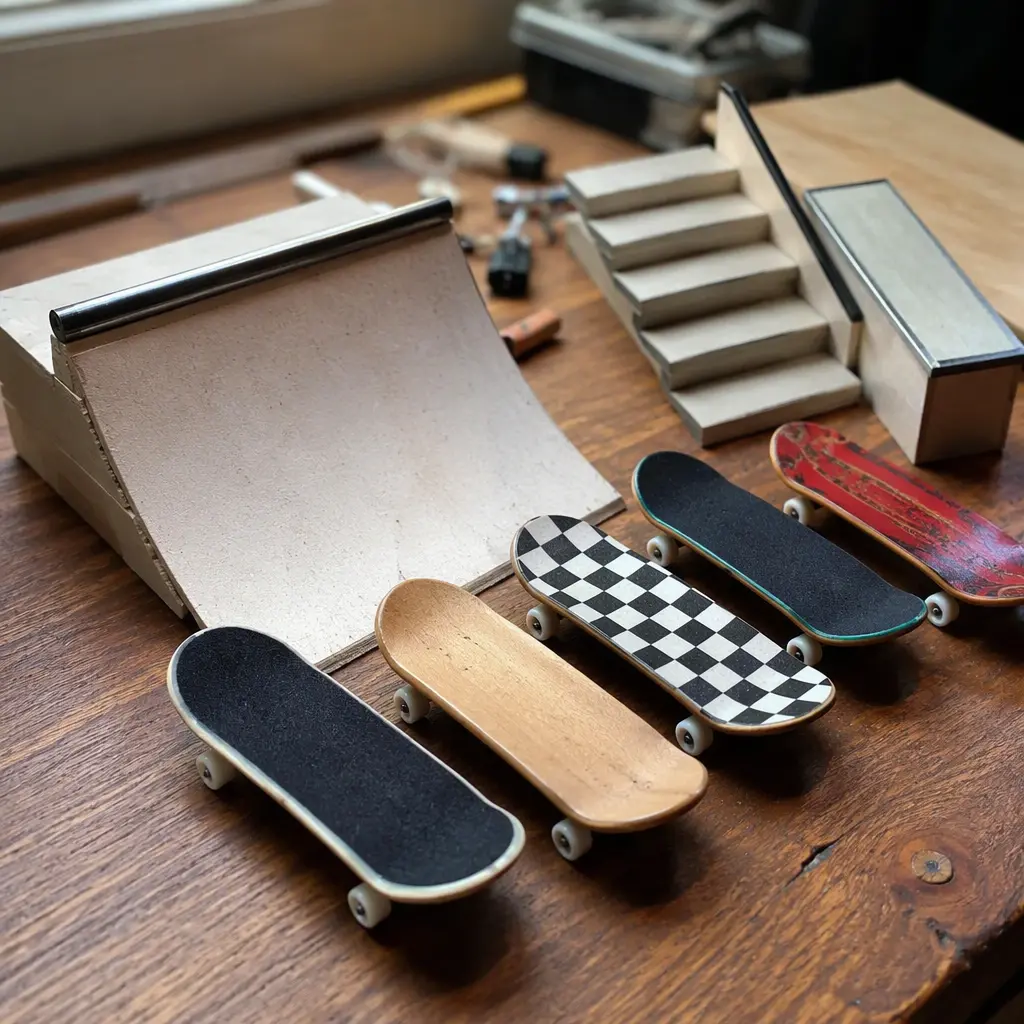
By the 1990s and early 2000s, fingerboarding had evolved into a recognizable toy category. Companies refined the design with molded decks, moving wheels, textured surfaces, and tiny trucks that copied the look of real skateboards. More importantly, the toy connected to an existing culture rather than existing on its own. Kids learned miniature versions of ollies, kickflips, and grinds while building ramps from books, rulers, tape, and household objects. That DIY spirit helped finger skateboards spread through schools and playgrounds in a way many packaged toys never managed.
Why it works
Part of the appeal comes from how quickly finger skateboards reward experimentation. A beginner can slide a tiny board across a table within seconds, but mastering controlled flips and tricks takes coordination and patience. The toy feels accessible because failure is funny rather than frustrating. Missing a trick usually means a board skittering harmlessly across a desk instead of a painful fall.
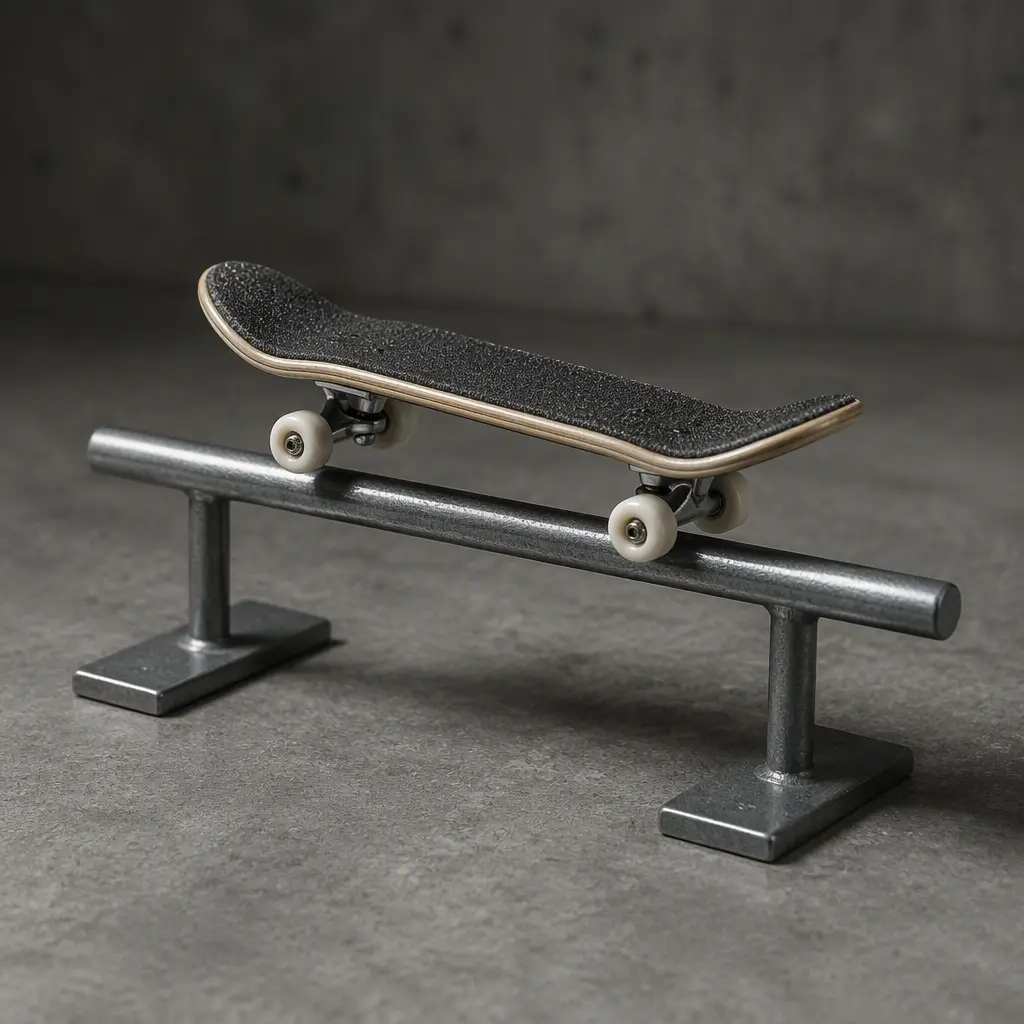
The design also cleverly scales down real skateboarding mechanics. Concave deck shapes help fingers grip the board during flips, rolling wheels create smoother movement, and textured top surfaces imitate grip tape. Even basic obstacles become exciting at miniature scale. A pencil can become a rail, a stack of books becomes a stair set, and cardboard transforms into a halfpipe. Finger skateboards encourage imaginative play in a way that combines collecting, crafting, and skill-building.
- Pocket-size format that is easy to carry and share
- Skill-based tricks that reward practice and coordination
- Customizable ramps and homemade obstacle courses
- Collectible deck styles and interchangeable parts
- Connection to broader skateboarding culture and aesthetics
Who it's for
Finger skateboards are generally approachable for children around ages six and up, though younger kids may need supervision because of small parts like wheels and axles. Older children often enjoy the challenge of learning tricks, while teenagers and adults may appreciate the collecting side or the nostalgia connected to schoolyard trends from the late 1990s and early 2000s. The toy also appeals to creative hobbyists who enjoy building miniature skate parks or filming trick videos. Unlike many trend-driven toys, fingerboarding survived because it supports both casual play and deeper skill development.
Variants and what to look for today
Modern finger skateboards range from inexpensive toy-store multipacks to hobby-oriented setups with wooden decks, realistic bearings, foam grip surfaces, and detailed metal components. Casual versions are usually made from molded plastic and focus on durability and affordability. Enthusiast-focused boards aim for smoother handling and more realistic trick performance. The difference can feel surprisingly noticeable once a player starts practicing flips and grinds regularly.
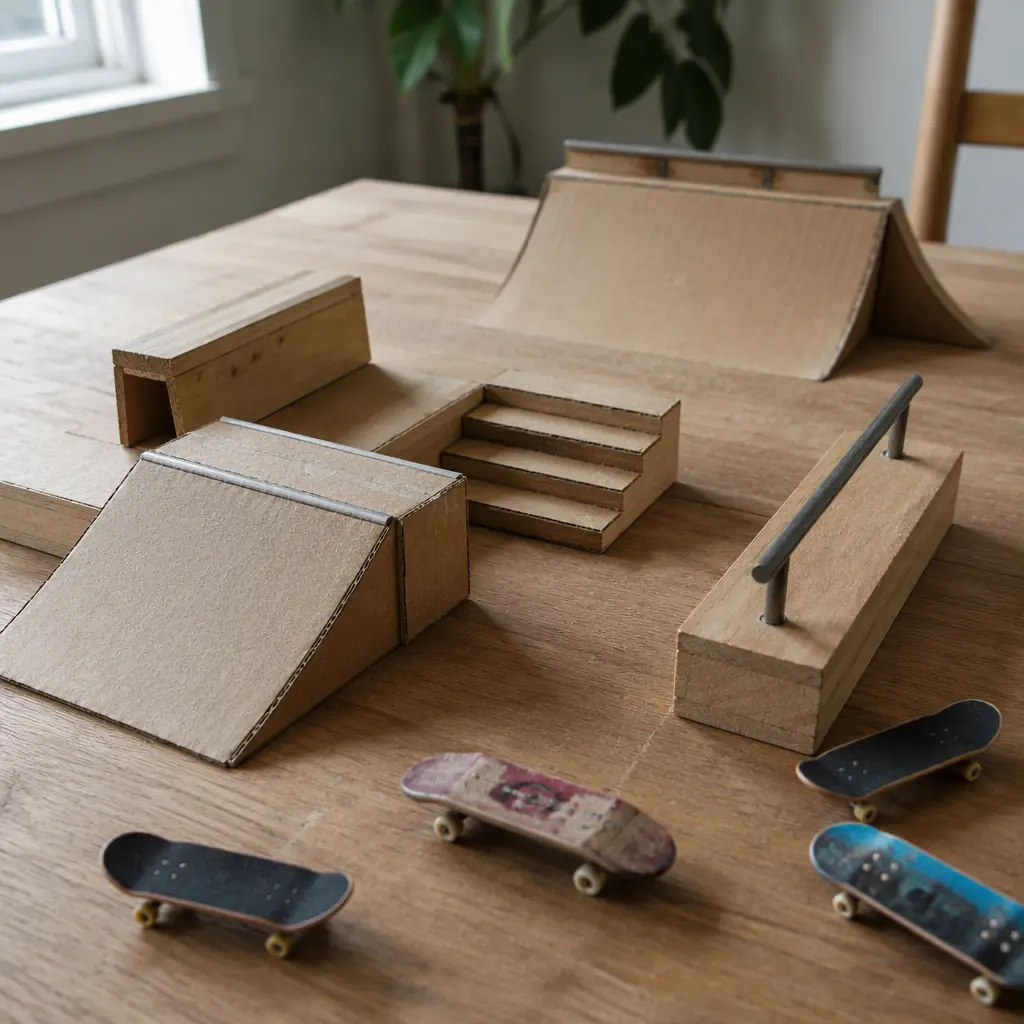
Buyers today will also find miniature ramps, rails, stair sets, and modular skate parks designed specifically for fingerboarding. Some sets recreate urban skate obstacles, while others lean into bright toy-like styling. It is worth checking wheel movement, truck sturdiness, and deck shape rather than focusing only on graphics. Extremely cheap versions sometimes have poorly aligned wheels or fragile axles that limit play.
- Starter plastic fingerboards for casual play
- Wooden-deck fingerboards aimed at hobby users
- Mini ramps and rail accessories for trick practice
- DIY-friendly obstacle kits and modular skate parks
- Replacement wheels and trucks for customization
Frequently asked questions
Are finger skateboards considered toys or hobbies?
They comfortably sit in both categories. Many children treat them as quick-play desk toys, while dedicated fingerboard enthusiasts practice advanced tricks, customize setups, and build detailed miniature skate parks.
Do finger skateboards help with coordination?
They can support fine motor control and hand-eye coordination because many tricks require precise finger placement and timing. The learning curve is gradual enough that most players naturally improve through repetition.
Why did fingerboarding become so popular in schools?
The toy was portable, inexpensive, and social. Kids could trade boards, invent trick challenges, and build ramps from everyday objects during breaks or after school. That flexibility helped finger skateboards spread through playground culture very quickly.
Are modern fingerboards different from early versions?
Yes. Early boards were often simple plastic novelties, while many modern versions use improved wheel systems, shaped decks, and more realistic materials. Dedicated hobby fingerboards can feel surprisingly close to miniature skate equipment.
Finger skateboards endured because they offered more than a passing gimmick. They tapped into skateboarding culture while remaining accessible to nearly anyone with a flat surface and a little imagination. Decades after their rise, they still occupy backpacks, desks, and hobby collections because the core idea remains satisfying: a tiny board, a simple trick, and the urge to try again until it finally lands.