furReal Peanut: The animatronic monkey that rode the plush boom
Released during the late-2010s wave of interactive plush toys, furReal Peanut the Playful Monkey stood out with expressive motion, touch responses, and a mix of cuddly charm and simple robotics.
Compare prices and availability
Check current prices and availability for this guide on eBay.
As an eBay Partner, we may be compensated if you make a purchase.
By the late 2010s, toy aisles were full of interactive pets that blinked, chirped, crawled, or answered to touch. Some leaned heavily into app connectivity, while others focused on simpler emotional reactions that felt more immediate and approachable for younger kids. furReal Peanut the Playful Monkey landed squarely in that second category. Released by Hasbro in 2018 as part of the long-running furReal line, Peanut combined soft plush materials with hidden motors and sensors to create a toy that reacted with hugs, sounds, movement, and playful gestures. It arrived at a moment when parents and kids were looking for toys that felt more alive than a traditional stuffed animal but less demanding than a screen-based device.
Where it came from
Hasbro's furReal brand dates back to the early 2000s, when battery-powered pets became one of the industry's most dependable categories. The original furReal Friends toys focused on dogs and cats that barked, purred, or responded to petting. Over time, the line expanded into fantasy animals, baby creatures, and more expressive personalities designed to feel emotionally engaging rather than technically advanced. By the middle of the 2010s, improvements in compact motors, lightweight electronics, and touch sensors allowed interactive plush toys to become more animated without becoming too fragile or expensive.
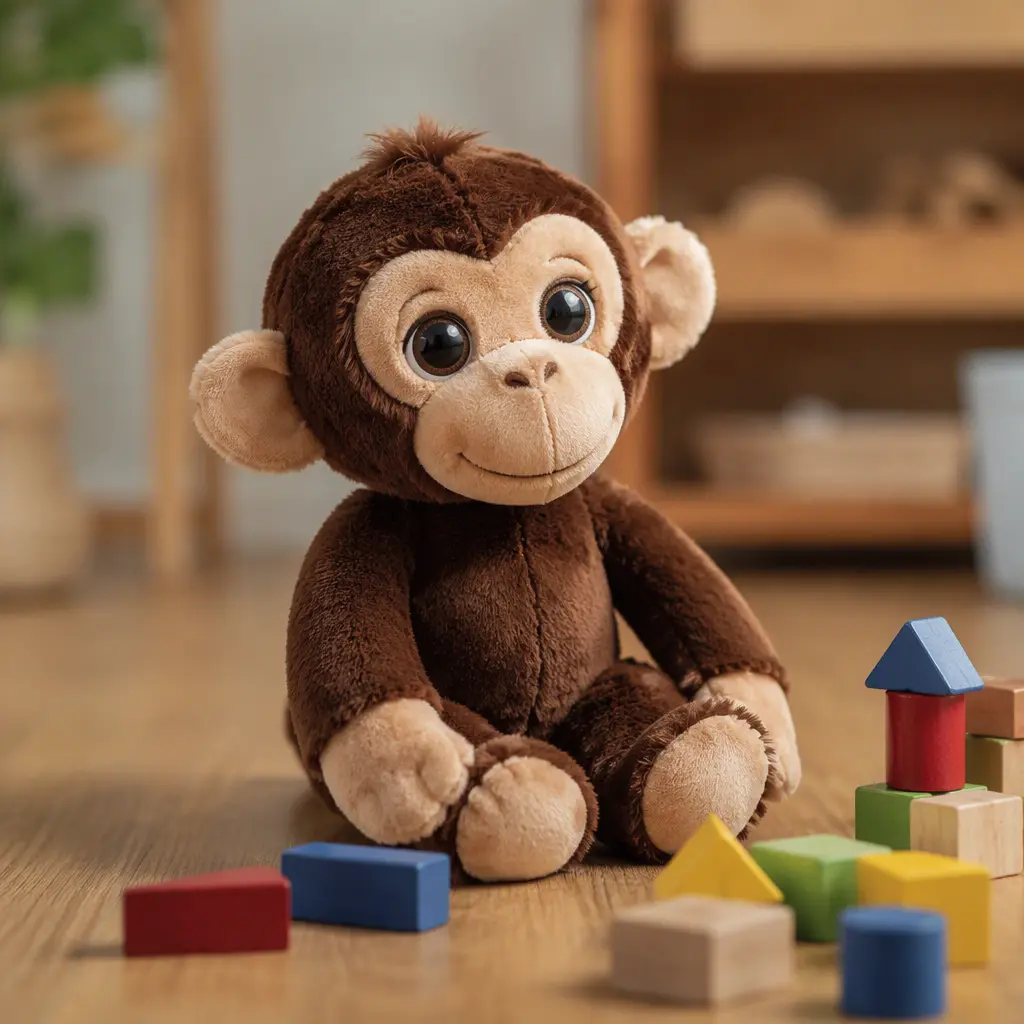
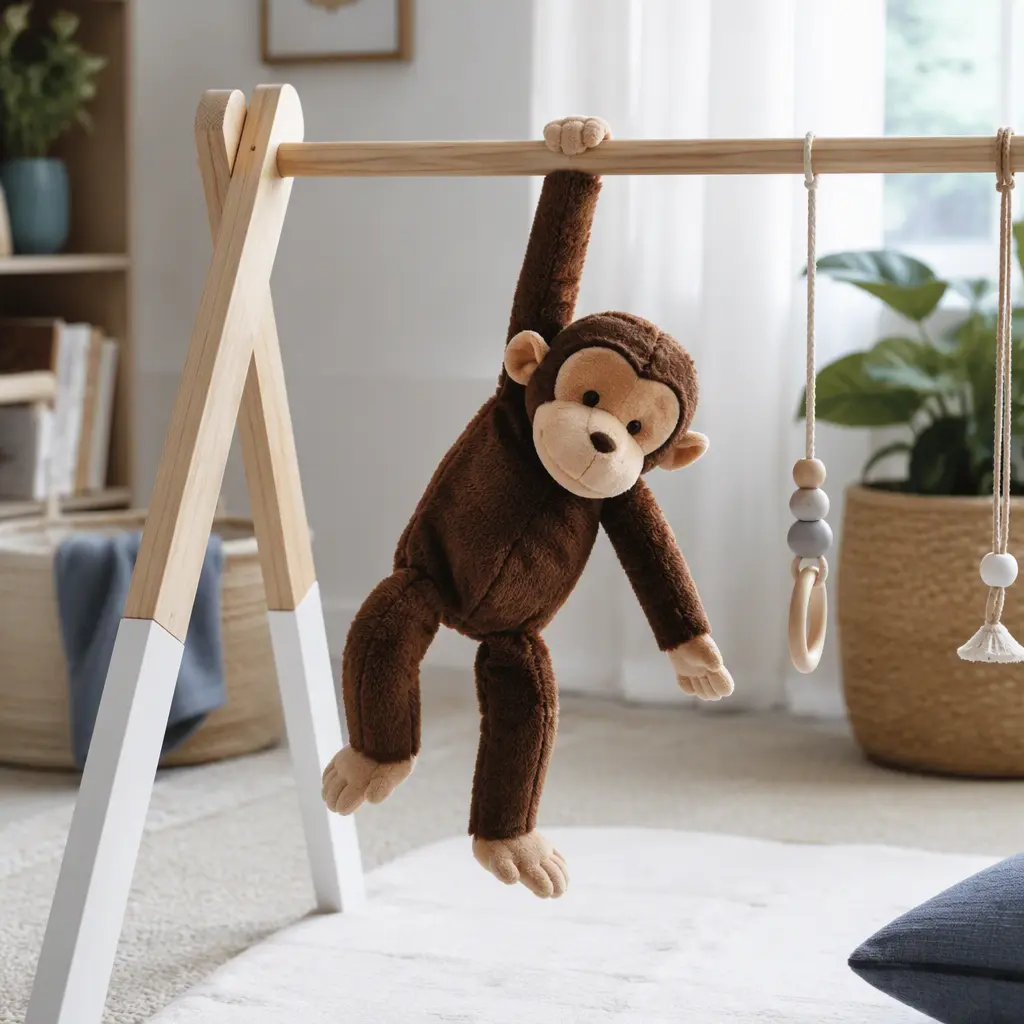
Peanut the Playful Monkey debuted in 2018 during a broader wave of toys that emphasized nurturing play and personality-driven interaction. Instead of trying to simulate a realistic primate, Peanut leaned into cartoon-like expressiveness. The toy could cling to a child's arm, react to motion, make playful sounds, and perform small movements that gave it a lively presence. Its exaggerated eyes and oversized hands were designed less for realism and more for emotional readability, especially for younger children who respond strongly to visible facial cues and cuddly textures.
Why it works
What made Peanut memorable was not cutting-edge robotics but the balance between simplicity and responsiveness. The toy offered enough movement to feel surprising without requiring complicated setup or constant maintenance. Hidden sensors allowed it to react differently when held upside down, tickled, rocked, or hugged. Those reactions created a loop of experimentation where children quickly learned that the toy seemed to have moods and preferences.
The design also reflected a larger trend in modern toys: combining comfort objects with light performance elements. Peanut could function as a stuffed animal during quiet play, then switch into an active toy during more energetic moments. That flexibility helped broaden its appeal beyond a narrow age range. It also avoided some of the frustration associated with app-connected toys that depended on software support or wireless pairing.
- Soft plush exterior designed for hugging and carrying
- Hidden animatronic movement in the head, arms, and body
- Touch and motion responses that encourage repeat interaction
- Portable size suited for travel or bedroom play
- Expressive sound effects rather than speech-heavy interaction
Who it's for
Peanut was primarily aimed at younger children, especially those interested in pretend pet care or nurturing play. Kids who enjoyed interactive animals but were not ready for more complicated robotic toys often responded well to its straightforward reactions and approachable design. At the same time, the toy found an audience among collectors of late-2010s electronic plush lines. Adults interested in toy history sometimes point to Peanut as a snapshot of a transitional era when manufacturers were blending traditional stuffed animals with affordable consumer robotics in increasingly polished ways.

Variants and what to look for today
Like many successful interactive plush toys, Peanut appeared in slightly different retail bundles and packaging styles depending on the market. The core experience remained largely the same: a plush monkey with expressive movement and touch reactions. Shoppers looking for one today will mostly encounter secondhand examples through resale marketplaces, toy collectors, or general online retailers specializing in discontinued toys.
Condition matters more than rarity with toys like this. Battery corrosion, worn plush fabric, and weakened internal motors are common issues after several years of storage or heavy play. Buyers often look for examples with intact fur, responsive sensors, and working sound functions. Packaging may matter to collectors, but many families simply want a clean, functional version that still performs its signature movements.
- Check battery compartments carefully for corrosion
- Listen for smooth motor movement without grinding sounds
- Look for intact stitching around arms and torso
- Expect some fur wear on heavily played-with examples
- Be cautious of incomplete toys missing accessories or straps
Frequently asked questions
Was Peanut more of a plush toy or a robot?
It sat somewhere in between. Peanut was built first as a cuddly plush toy, but hidden motors and sensors added movement and reactions that gave it a robotic personality.
Did it require an app or internet connection?
No. One reason the toy appealed to many families was its self-contained design. Interactions happened through touch, movement, and built-in sounds rather than through a smartphone or tablet.
Why were interactive plush toys so popular in the late 2010s?
Toy companies were responding to demand for products that blended emotional play with technology. Interactive plush toys offered a middle ground between traditional stuffed animals and more screen-focused entertainment.
Are toys like Peanut still being made?
Yes, although the category changes frequently. Modern interactive plush toys often include more advanced sensors, voice features, or app connectivity, but many still follow the same core idea of responsive companionship through simple physical interaction.
furReal Peanut the Playful Monkey was never meant to be a technological breakthrough. Its success came from delivering just enough animation to feel magical while remaining recognizable as a comforting plush companion. Looking back, it captures an important moment in toy design when electronic pets became softer, friendlier, and more emotionally expressive. For many kids, that combination was more memorable than any complicated feature list.