GeoSafari Talking Microscope: Backyard Science for Kids
The GeoSafari Talking Microscope turned early science play into something approachable, mixing oversized controls, spoken facts, and real specimen viewing for curious young learners.
Compare prices and availability
Check current prices and availability for this guide on eBay.
As an eBay Partner, we may be compensated if you make a purchase.
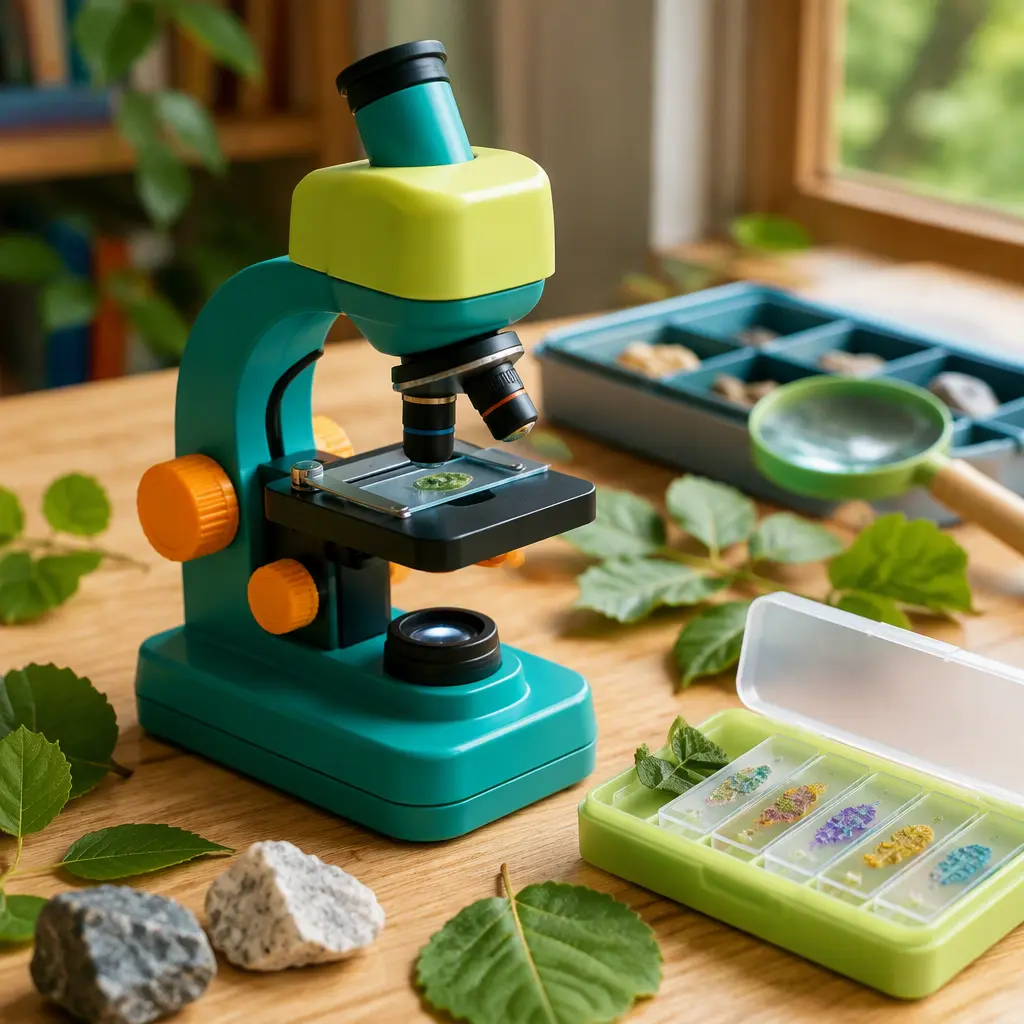
The GeoSafari Talking Microscope arrived at a moment when many educational toys were trying to balance screen-free play with the excitement of interactive technology. Instead of presenting science as something intimidating or overly academic, the microscope line focused on curiosity first. Large buttons, spoken guidance, and sturdy kid-focused design helped younger children feel comfortable exploring bugs, leaves, fabrics, and prepared slides without needing advanced skills or constant adult instruction. For many families, it became a first step into hands-on science that felt closer to a backyard adventure than a classroom assignment.
Where it came from
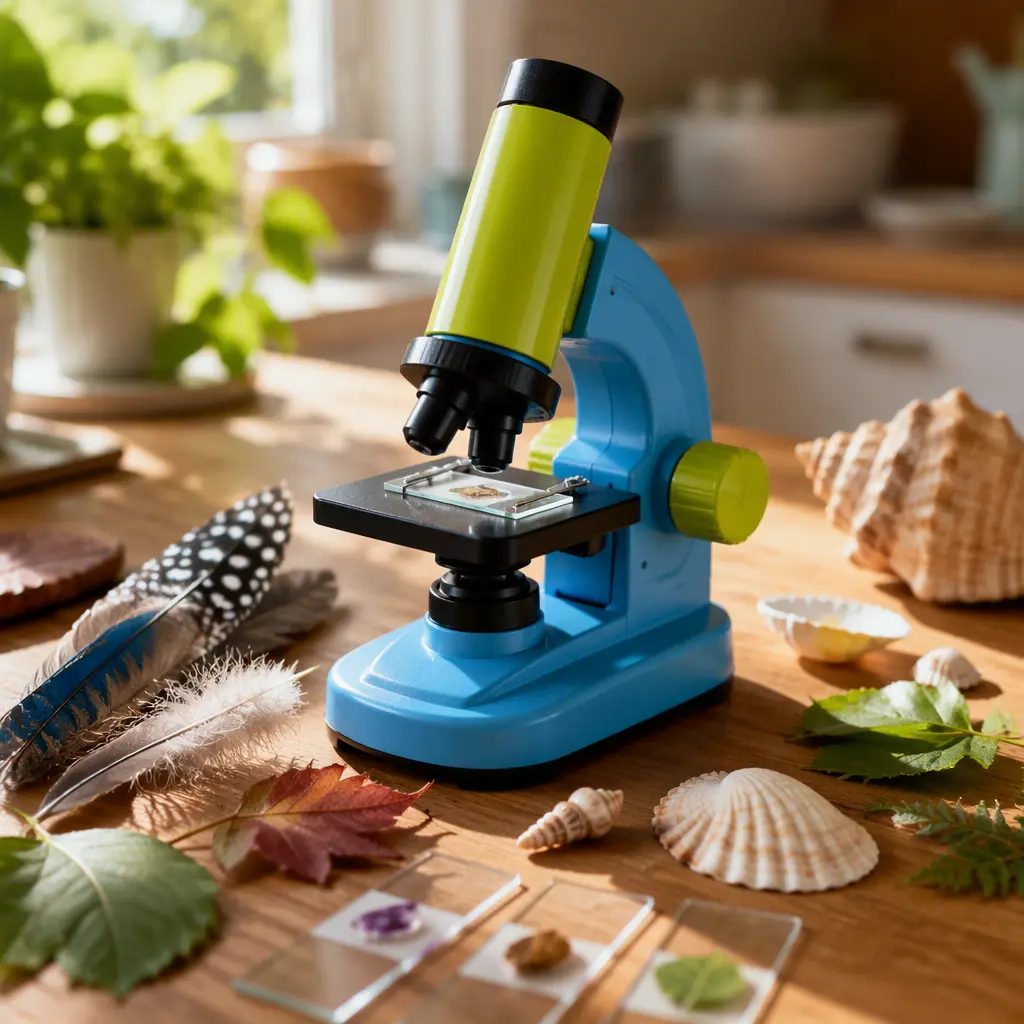
Educational Insights introduced the GeoSafari line as a broader family of science-themed toys aimed at making STEM subjects accessible to children at home. By the late 2000s, many parents were looking for educational products that could compete with digital entertainment while still encouraging tactile, independent play. The Talking Microscope, introduced around 2008, was designed specifically for younger learners who might not yet be ready for traditional student microscopes with delicate controls and technical setup.
The concept combined familiar toy-like durability with simplified scientific tools. Instead of expecting children to master focusing techniques immediately, the microscope offered guided exploration through audio prompts and built-in facts. Some versions included prepared slides featuring animals, plants, household materials, or body-related specimens, allowing kids to jump directly into observation. The approach lowered the barrier to entry for science play and gave children a sense of discovery almost immediately after opening the box.
Why it works
What made the GeoSafari Talking Microscope memorable was not laboratory-level precision but confidence-building design. The oversized eyepieces, broad controls, and sturdy frame were intentionally forgiving for younger hands. Instead of feeling fragile, the toy encouraged experimentation. Children could adjust the microscope themselves, swap slides, and hear spoken descriptions that reinforced what they were seeing. That immediate feedback loop helped maintain attention in a way many early science kits struggled to achieve.
The talking feature also changed the pacing of play. A child did not always need an adult nearby to explain every specimen or scientific term. The microscope effectively acted as a lightweight guide, introducing vocabulary and encouraging observation without turning the experience into a quiz. While older hobbyists would eventually outgrow its magnification limits, the product succeeded because it treated science as exploration rather than performance.
- Chunky controls designed for small hands
- Audio guidance that reinforces early science vocabulary
- Prepared slides for immediate out-of-box use
- Durable construction aimed at repeated handling
- Bright colors and approachable styling instead of lab aesthetics
Who it's for
The GeoSafari Talking Microscope is generally best suited for preschool and elementary-age children who are developing early science interests. It works especially well for kids who enjoy collecting rocks, examining insects, or asking constant questions about the natural world. Parents and teachers often appreciated that the microscope created structured curiosity without requiring a complicated setup. Adults who grew up with the toy line also remember it fondly because it represented an approachable version of science equipment at a time when many educational tools still felt formal or inaccessible.
Variants and what to look for today
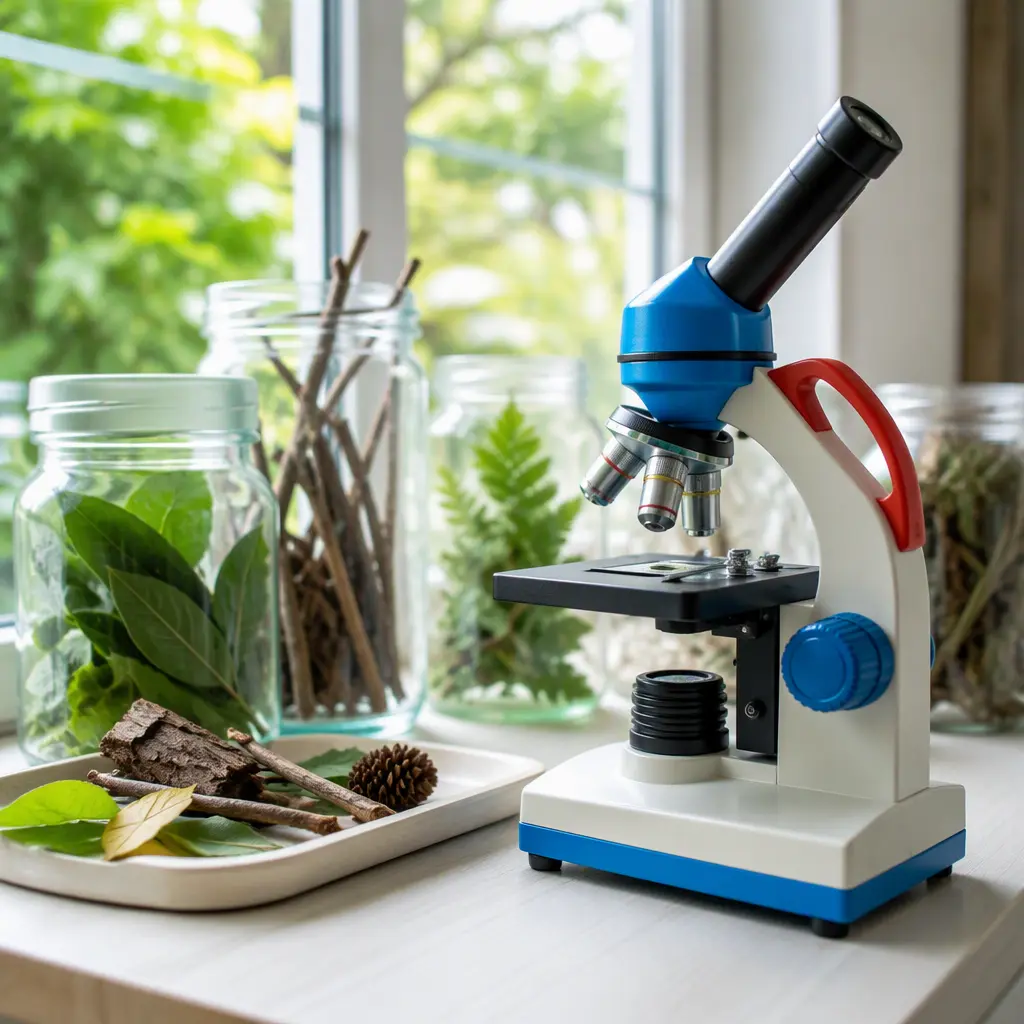
Over time, the GeoSafari microscope family expanded into different beginner science tools and refreshed versions with updated colors or interactive features. Some models focused more heavily on audio learning, while others leaned closer to traditional microscopes with increased magnification or accessory kits. The core idea remained consistent: make science feel welcoming for younger users rather than technically demanding.
If you are shopping for one today, it helps to focus on condition and completeness rather than chasing a specific release. Older versions may be missing slides, sample containers, or battery covers after years of classroom or household use. Families who want a first microscope should also understand that these toys prioritize accessibility over professional-grade optics. They are best viewed as introductory science tools that encourage observation habits and enthusiasm.
- Look for included prepared slides or specimen sets
- Check battery compartments for corrosion on used units
- Choose sturdy versions with large adjustment knobs for younger kids
- Be cautious of extremely cheap imitation microscopes with weak optics
- Consider accessory compatibility if adding slides or collection tools later
Frequently asked questions
Is it a real microscope or just a toy?
It is a real beginner microscope with functional magnification, but it is designed primarily for early learners. The emphasis is on accessibility, durability, and guided discovery rather than advanced scientific precision.
What ages tend to enjoy it most?
Most children encounter the GeoSafari Talking Microscope during the preschool or early elementary years. Kids who are naturally curious about bugs, rocks, leaves, or household objects often get the most long-term use from it.
Can children use their own collected specimens?
Yes, many families use leaves, flower petals, fabric fibers, feathers, or safe household materials alongside the included slides. Adult supervision is helpful when preparing samples or handling outdoor finds.
Why did the talking feature matter so much?
The audio guidance reduced the intimidation factor that sometimes comes with scientific equipment. Children could learn terms, hear facts, and stay engaged independently instead of waiting for constant explanations from adults.
The GeoSafari Talking Microscope remains notable because it understood something simple about childhood learning: curiosity grows faster when tools feel inviting. By combining approachable design with real observation, the microscope helped turn ordinary backyard discoveries into memorable science moments for a generation of young learners.