Grok Imagine and the new wave of AI storytelling toys
Grok Imagine reflects a growing category of AI-driven storytelling toys and apps that depend on cloud conversation, moderation systems and connected-device play rather than traditional scripted responses.
Compare prices and availability
Check current prices and availability for this guide on eBay.
As an eBay Partner, we may be compensated if you make a purchase.
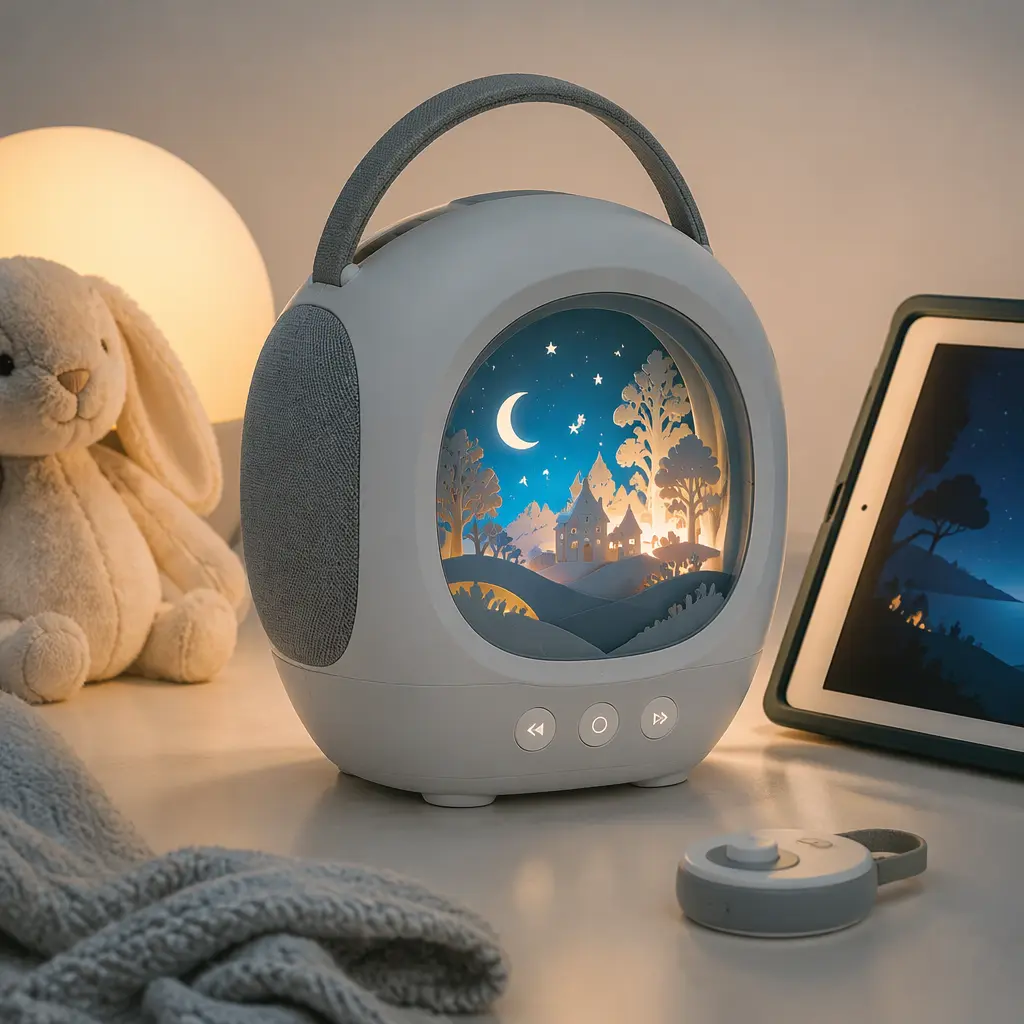
Grok Imagine sits within a fast-moving category of AI-powered storytelling platforms that blend conversational chat, generated stories and interactive play. Unlike older electronic toys that relied on prewritten phrases or branching menus, this newer generation aims to create responses dynamically through cloud-based AI systems. That shift has made products like Grok Imagine part toy, part software service and part always-connected entertainment platform. It also raises bigger questions for parents about moderation, privacy, offline usefulness and how conversational AI changes the way children interact with digital play.
Where it came from
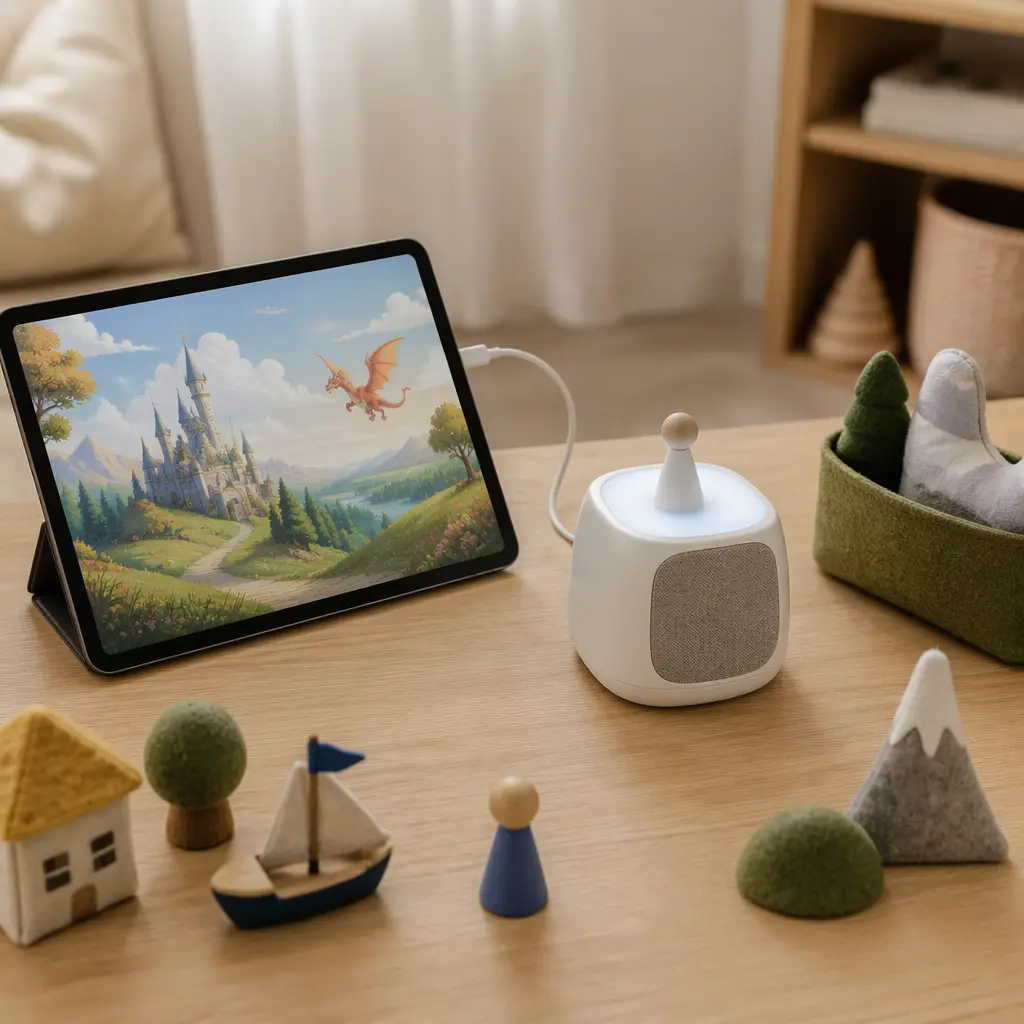
AI storytelling toys have evolved out of several overlapping trends: smart speakers, educational tablets, chatbot apps and connected companion toys. Earlier interactive products typically depended on scripted audio libraries and limited voice recognition. Modern AI systems instead rely on large language models running in the cloud, allowing conversations to feel less repetitive and more open-ended. Grok Imagine emerged during a period when generative AI tools were becoming more widely integrated into consumer products, including entertainment aimed at families and younger users.
The appeal is easy to understand. A child can ask for a pirate adventure, a science-fiction mystery or a bedtime story about their pet, and the system can generate a new version each time. That flexibility distinguishes conversational AI from traditional talking toys. At the same time, it shifts much of the experience away from the physical product itself and toward remote servers, moderation systems and app ecosystems. For parents, the important details are often not the toy shell or interface design, but how the platform handles safety filters, user accounts, stored conversations and ongoing internet access.
Why it works
The core attraction of conversational storytelling platforms is responsiveness. Traditional electronic toys eventually reveal their limits because children hear the same lines repeatedly. Generative AI systems attempt to avoid that repetition by producing new dialogue and stories on demand. For imaginative play, that can make the interaction feel more collaborative than scripted. Instead of pressing a button to hear a canned response, users can steer the story in unexpected directions or ask follow-up questions.
That design also changes the role of the toy or app. The product becomes less like a fixed game and more like a creative tool. Some children may use it for improvised adventures, while older users might experiment with collaborative world-building or character creation. Whether that feels magical or frustrating often depends on the quality of the moderation layer and how consistently the AI follows age-appropriate boundaries.
- Cloud-based conversation instead of fully local scripted dialogue
- Potential for unique stories and responses during each session
- Voice or text interaction depending on the supported device
- Possible dependence on apps, accounts or internet connectivity
- Moderation systems designed to filter unsafe or unsuitable outputs
- Ongoing software updates that may change features over time
Who it's for
AI storytelling platforms generally appeal most to children who already enjoy imaginative roleplay, creative writing or conversational digital experiences. Reading confidence can matter, especially for text-heavy interfaces, although some systems also support spoken interaction. Adults are part of the audience too, particularly parents interested in educational technology or collaborative family storytelling. Younger children may still require supervision because conversational AI can produce unpredictable responses even when moderation systems are in place. As with many connected products, age suitability depends as much on the software ecosystem and parental controls as on the physical hardware itself.
Variants and what to look for today
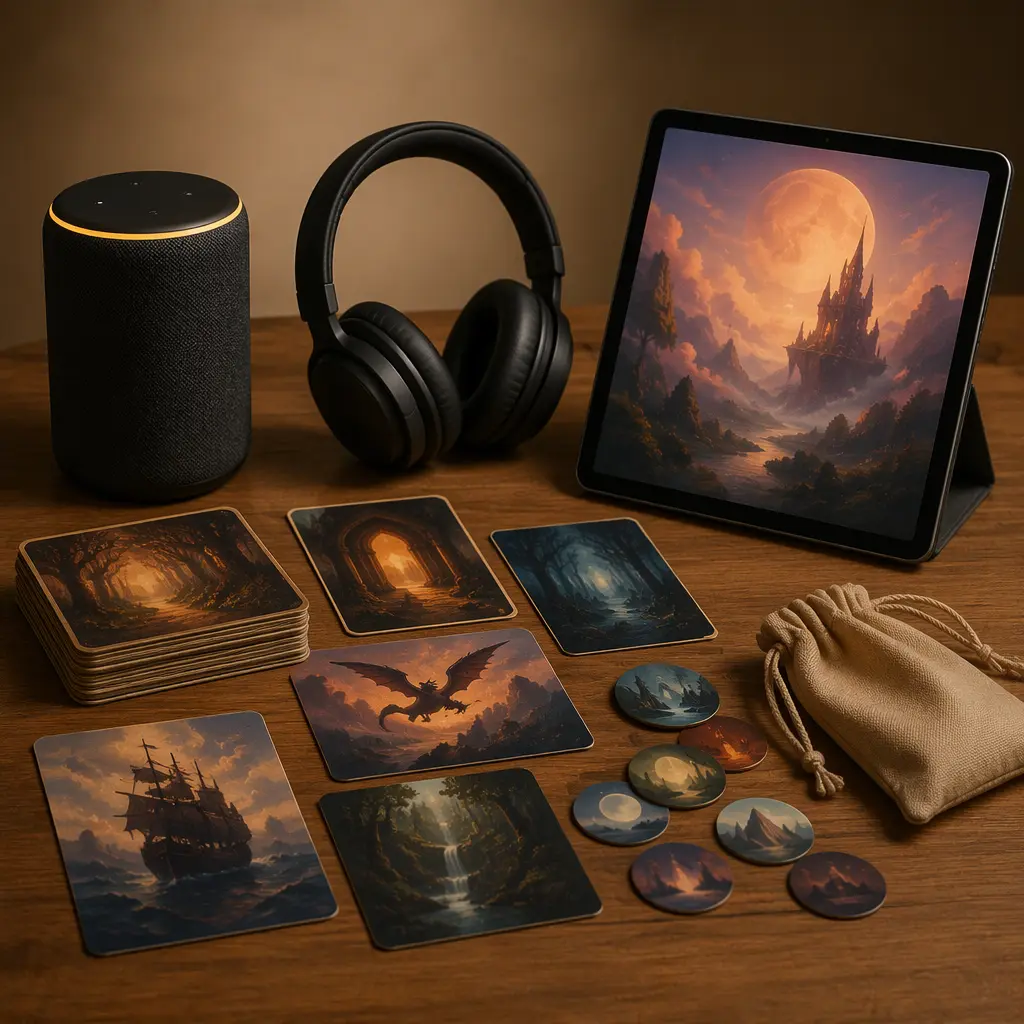
One of the unusual aspects of AI toy platforms is how quickly they can change. Features may be added, removed or adjusted through software updates rather than new physical releases. Some experiences exist primarily as apps, while others pair with dedicated devices or companion accessories. Before choosing a platform like Grok Imagine, it is worth checking whether the experience depends entirely on a cloud connection or whether any features remain usable offline.
Parents may also want to review account requirements, microphone access, regional availability and device compatibility. Some AI platforms work only on certain operating systems or in supported countries. Others may require separate subscriptions or linked accounts for full functionality. Since conversational AI products often rely on remote processing, long-term usefulness can depend on whether the provider continues to support servers and moderation tools.
- Check whether internet access is required for core storytelling features
- Look for clearly explained parental controls and content settings
- Review microphone and conversation data policies before setup
- Confirm compatibility with household phones, tablets or smart devices
- Be cautious of unofficial copies or apps imitating popular AI brands without clear support information
Frequently asked questions
Does Grok Imagine work offline?
AI storytelling platforms in this category often rely heavily on cloud processing, meaning an internet connection may be required for conversation and story generation. Some products may retain limited offline functions, but the most advanced responses are usually server-dependent.
How is this different from older talking toys?
Traditional talking toys generally use prerecorded dialogue and fixed interaction trees. Conversational AI systems instead generate responses dynamically, which can make interactions feel less repetitive but also less predictable.
Are there parental controls?
Connected AI products increasingly include moderation filters, account settings and content controls, but the strength and transparency of those systems can vary widely. Parents should review official setup information carefully rather than assuming all protections work the same way.
Can AI storytelling replace traditional toys or books?
For most families, these platforms work best as an addition rather than a replacement. Physical toys, board games and printed books still offer tactile play and screen-free experiences that connected AI systems cannot fully replicate.
Grok Imagine represents a broader shift in the toy industry toward services and conversation-driven entertainment. The interesting part is not just the technology itself, but how it changes expectations around play. A storytelling toy no longer needs a fixed script or a shelf full of cartridges. Instead, it depends on cloud systems, moderation tools and constant updates. For families considering this category, the key questions are less about novelty and more about reliability, privacy, supervision and whether the experience still feels useful when the connection disappears.