LEGO Super Mario World Display Models and the Rise of Display Builds
LEGO’s Super Mario World display-focused sets reflect a growing hobby trend: nostalgic game-inspired builds designed as much for shelves and shared family projects as for traditional play.
Compare prices and availability
Check current prices and availability for this guide on eBay.
As an eBay Partner, we may be compensated if you make a purchase.
LEGO’s recent Super Mario World display-oriented sets sit at the intersection of two long-running hobbies: collectible Nintendo nostalgia and elaborate LEGO building for older audiences. Unlike traditional toy-first construction sets built mainly for open-ended play, these models are designed to be assembled, displayed and revisited as conversation pieces. That shift says a lot about where the modern building-toy market is headed. Families who grew up with side-scrolling platform games are now sharing those memories with children who may know Mario through newer games, streaming clips or theme parks, and LEGO has increasingly leaned into that overlap with larger, more decorative builds.
Where it came from
The LEGO Group and Nintendo first partnered on interactive Super Mario sets earlier in the 2020s, introducing electronic figures and course-building play that blurred the line between construction toy and video game. Those earlier releases focused heavily on movement, modular obstacles and app-connected features. Over time, though, the collaboration expanded toward more traditional collector-style builds aimed at older fans who wanted recognizable gaming imagery without the need for a playroom floor setup.
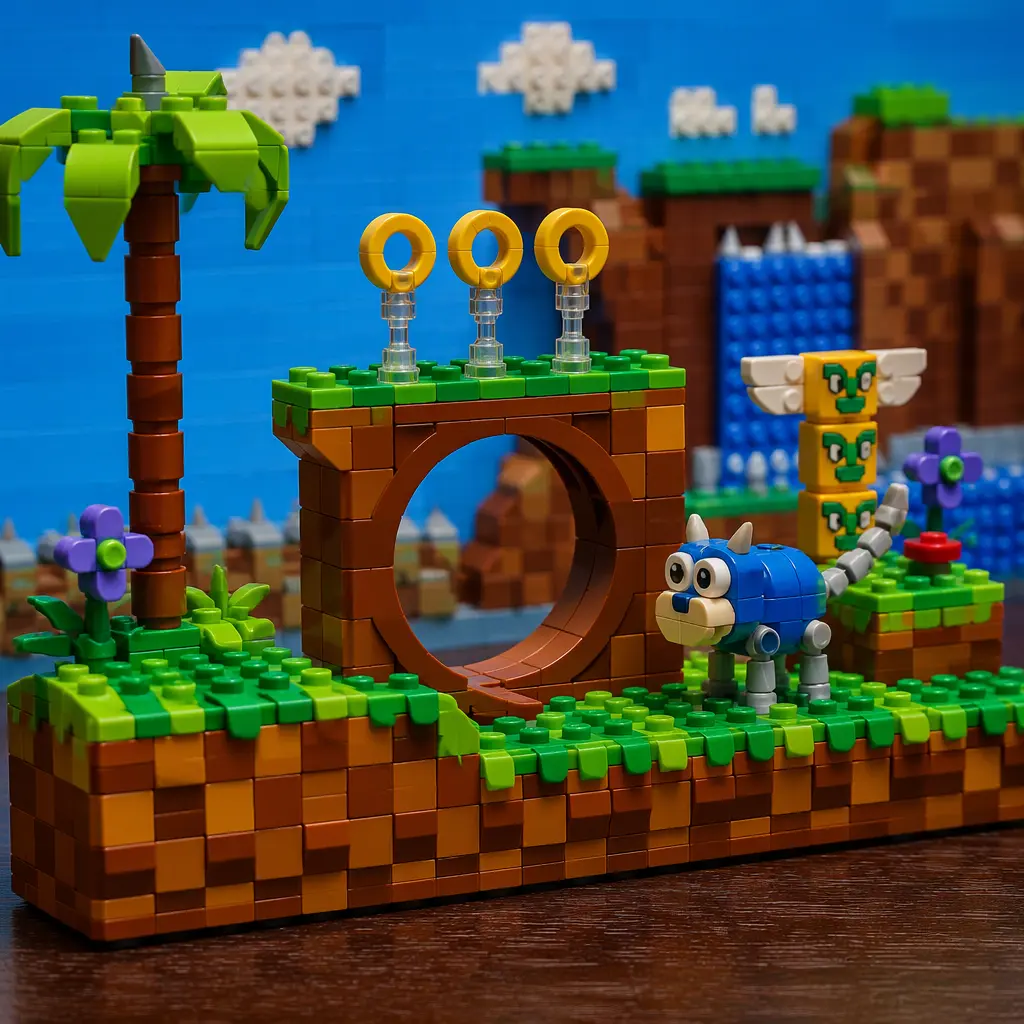
The newer Super Mario World-inspired display models reflect that evolution. Their appeal comes less from scoring coins or rearranging obstacles and more from recreating the visual language of classic side-scrolling games in physical form. Pixel-like shapes, layered terrain, hidden motion features and poseable figures translate 16-bit-era design into stacked plastic bricks. In practice, these sets function almost like pop-culture decor projects: part model kit, part nostalgic sculpture, part shared activity between adults and children.
Why it works
A big part of the appeal is recognizability. Even people who have not played a Mario game in years can usually identify the bright platform colors, blocky landscapes and exaggerated character silhouettes. LEGO’s design teams often preserve that simplified visual style rather than smoothing everything into realistic curves, which helps these builds feel connected to older game graphics instead of generic cartoon scenery.
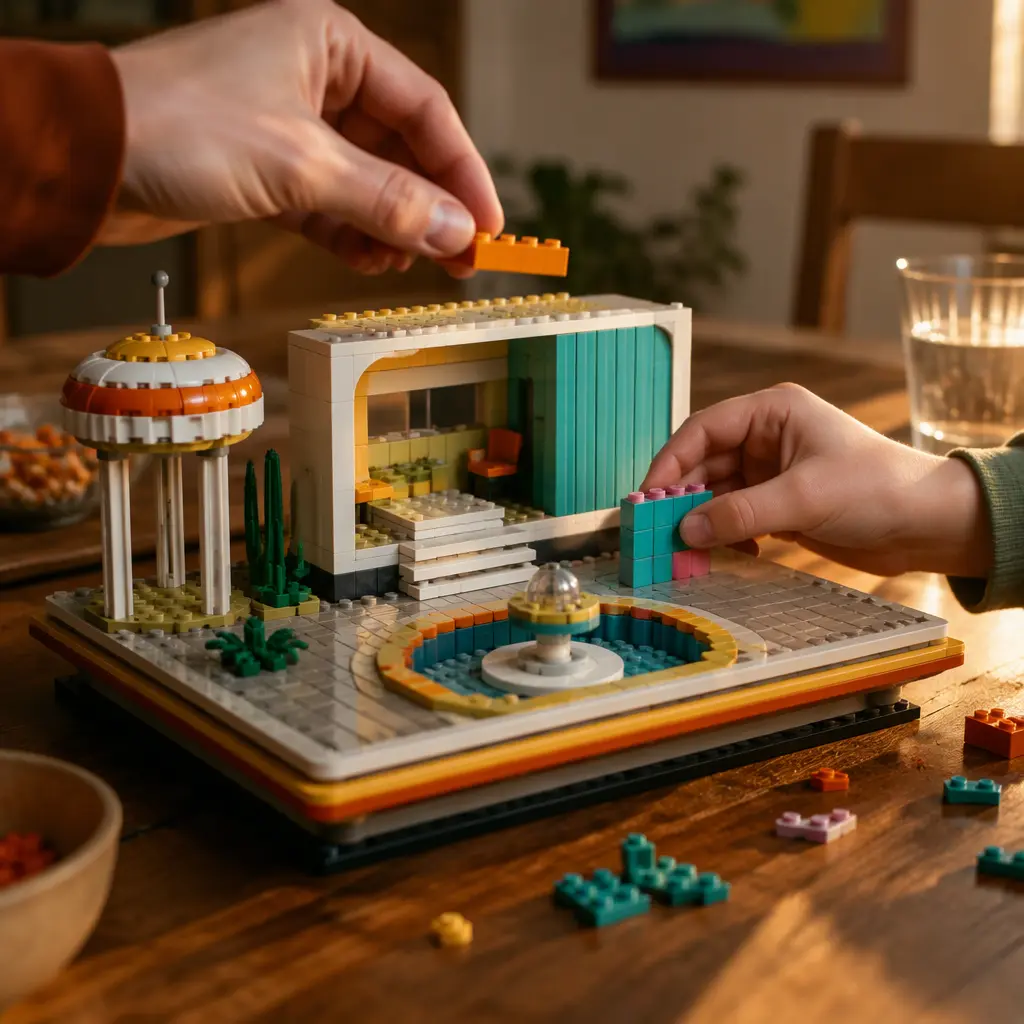
The building process also fits modern hobby habits. Many adults now approach LEGO sets the way previous generations approached model trains, puzzles or display miniatures: as a focused, screen-light project with a visible result at the end. Nintendo themes add emotional familiarity, while the structured instructions make the activity approachable for builders who may not consider themselves especially creative. For older kids, these models can become collaborative projects built with parents or siblings rather than solo toys that get packed away after a weekend.
- Display-oriented layouts designed for shelves, desks or media rooms
- Retro gaming imagery recreated through layered brick textures and pixel-style shaping
- Hidden movement or mechanical details in some builds for extra interactivity
- Recognizable Nintendo-inspired color palettes that stand out without requiring electronics
- Building complexity aimed more at patient older kids, teens and adults than very young builders
Who it's for
These sets are generally best suited to older children, teens and adults who enjoy slower, more detailed building sessions. Younger children may still enjoy the finished models, especially if they recognize the game themes, but the display-first approach usually means more intricate assembly and less rough-and-tumble durability than classic toy bins full of bricks. Adult fans are a major audience here, particularly people interested in gaming history, home-office decor or shared family hobby time. For some households, the appeal is less about collecting every release and more about choosing a single meaningful display piece connected to a favorite era of games.
Variants and what to look for today
The broader LEGO Super Mario line now spans several categories, and it helps to know the difference before shopping. Interactive starter-course sets emphasize movement and game-like scoring mechanics. Character expansion packs focus on shorter builds and collectibility. The display-focused releases, by contrast, are usually designed around iconic scenes, creatures or environments intended to stay assembled long-term.
Buyers interested specifically in display models should pay attention to size, intended display footprint and whether a set depends on separate electronic figures or apps for its full experience. Some builds stand entirely on their own as static models, while others gain extra interactive features when combined with electronic Mario-themed figures sold elsewhere in the product line. Retail listings from LEGO and major toy sellers usually clarify compatibility and recommended ages.
- Look for sets described as display, collector or adult-focused builds
- Check shelf dimensions before buying larger landscape-style models
- Verify whether electronic interactive figures are optional or required
- Compare official LEGO releases with third-party brick kits carefully for quality and instructions
- Younger builders may prefer smaller Mario-themed construction sets before moving to larger display projects
Frequently asked questions
Are these sets meant for play or display?
Most Super Mario World-inspired display builds lean heavily toward display. Some include movable sections or interactive elements, but their main appeal is visual presentation and the building experience itself rather than repeated action play.
Do you need electronic Mario figures to enjoy them?
Not always. Many display-oriented sets work perfectly well as standalone builds. However, some products across the LEGO Super Mario range can connect with electronic figures that add sounds, reactions or game-style interactions.
Why are adults so interested in Nintendo-themed LEGO sets?
Nostalgia plays a major role. Adults who grew up with Nintendo games often enjoy seeing familiar imagery recreated physically, especially in a format that also functions as a relaxing hobby project or decorative display piece.
Are these good for family building sessions?
They can be, especially for older children who can follow multi-step instructions patiently. Many families divide larger builds into sections and assemble them collaboratively over several evenings or weekends.
The popularity of LEGO’s display-oriented Nintendo sets reflects a broader shift in how toys are used and understood. Construction kits are no longer aimed only at children looking for open-ended play. They increasingly occupy the same space as collectibles, decor and hobby crafts, especially for adults revisiting favorite games from childhood. Super Mario World-inspired builds capture that trend clearly: familiar enough to spark recognition, structured enough to feel approachable and detailed enough to earn a permanent spot on a shelf long after the last brick clicks into place.