Loona AI Pet Robot: A playful home robot with AI ambitions
Loona blends pet-like behavior, app-connected features and conversational AI into a compact home robot aimed at families and tech enthusiasts, with cloud dependence and privacy questions worth understanding before buying.
Compare prices and availability
Check current prices and availability for this guide on eBay.
As an eBay Partner, we may be compensated if you make a purchase.
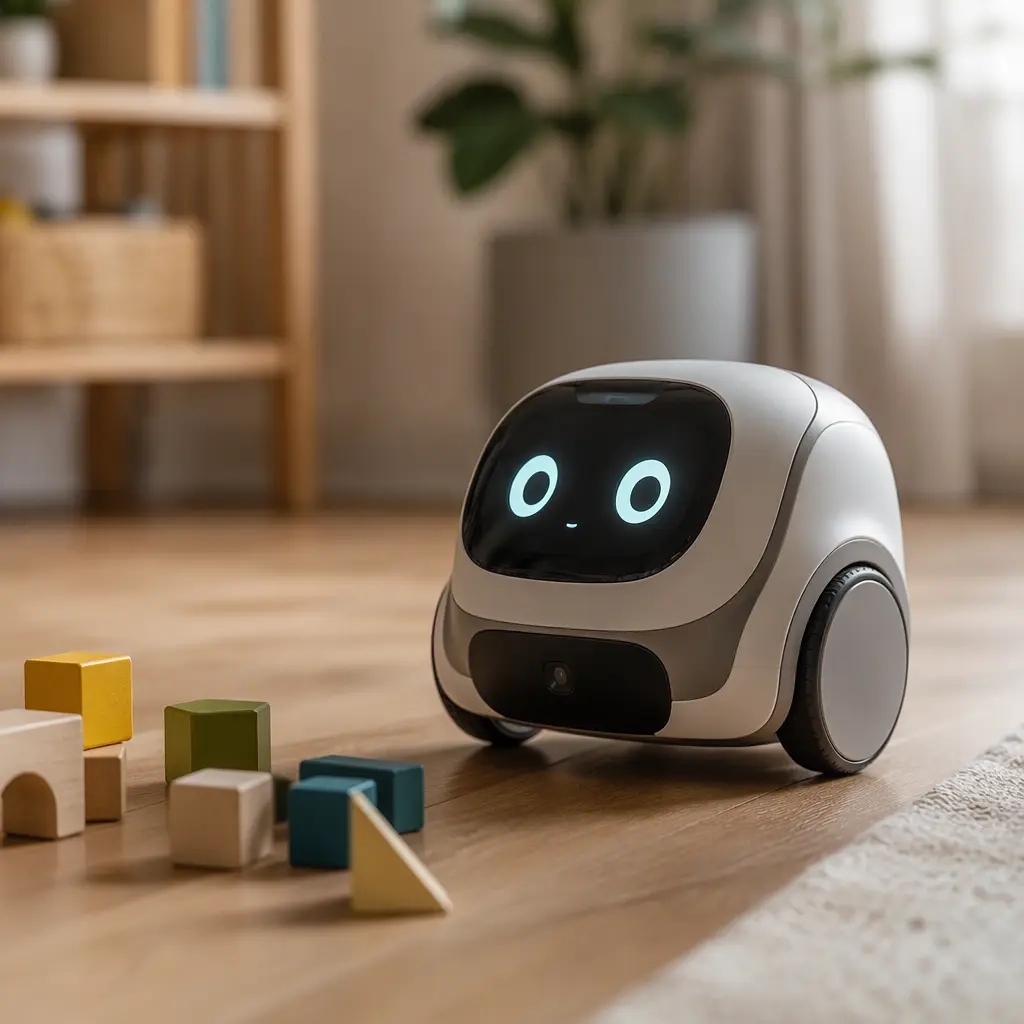
Loona is part toy, part companion robot and part AI showcase. Marketed as an interactive pet robot for homes, it combines animated expressions, movement, sensors and app-connected features to create the illusion of personality. Unlike older robotic pets that relied mainly on scripted sounds and simple touch sensors, Loona is presented as a more conversational system that can recognize people, react to surroundings and perform games or routines through a connected software platform. That blend has made it stand out in a crowded field of STEM gadgets and novelty robots, particularly among adults interested in home robotics as much as families shopping for a tech-focused gift.
Where it came from
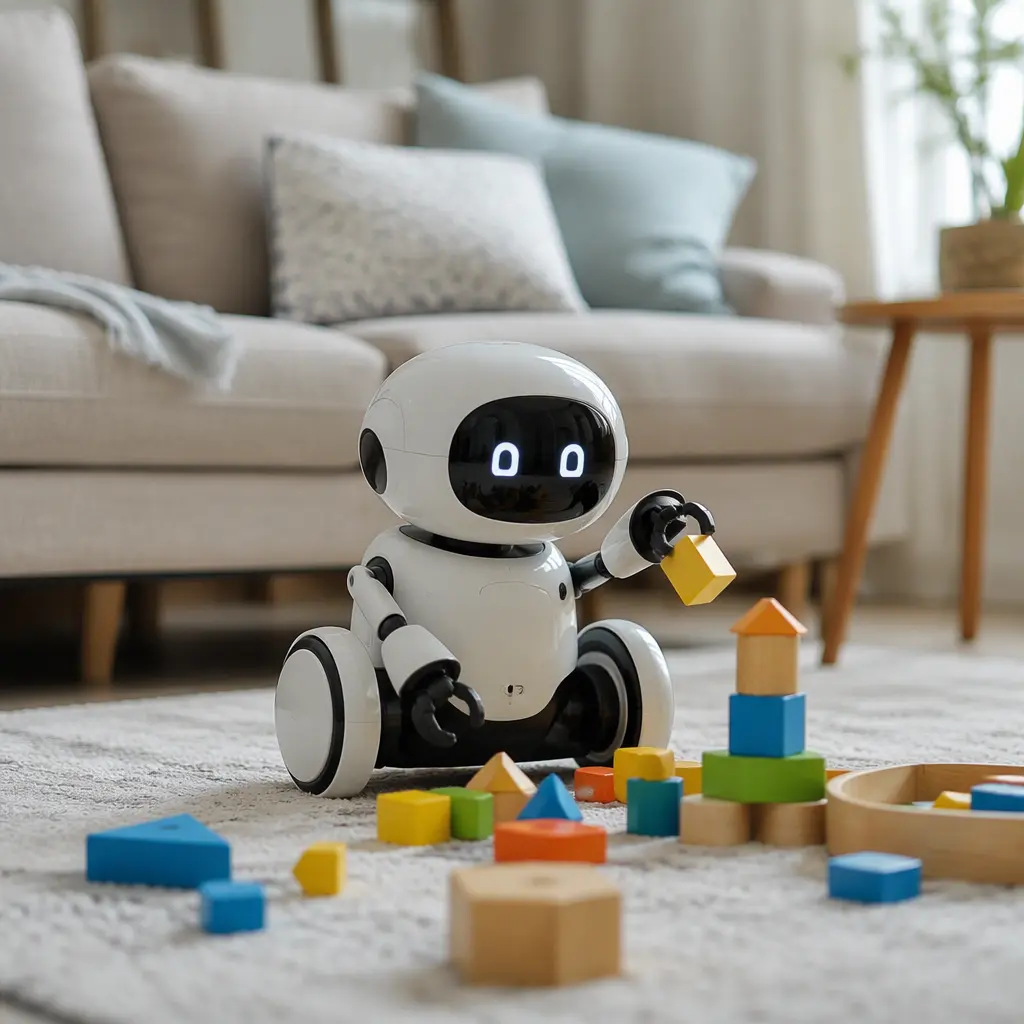
Loona emerged during a period when consumer robotics companies began combining smartphone-style software updates with conversational AI systems and expressive animation. The product is associated with KEYi Tech, a robotics company focused on companion-style devices for home use. Its launch positioning emphasized emotional interaction and AI-enhanced behavior rather than educational coding alone, placing it closer to a robotic pet than a traditional programmable robot kit.
The timing also mattered. Interest in AI-powered assistants and generative AI systems increased public attention around products that could speak, react and appear socially responsive. Promotional material for Loona has highlighted features such as gesture recognition, object awareness, voice interaction and evolving software updates. However, as with many connected robotics products, the distinction between advertised AI behavior and independently verified capability is important. Some interactions are based on scripted animations and sensor triggers, while certain conversational functions may rely on cloud processing or app-connected services rather than fully local onboard intelligence.
Why it works
The appeal of Loona comes from interaction design rather than realism. Its digital eyes, body movements and timing are designed to encourage emotional attachment in the same way animated characters or robotic pets often do. Small head tilts, playful reactions and movement patterns help create a sense of personality even when the underlying mechanics are relatively straightforward. For many owners, the charm lies less in advanced robotics and more in the illusion of responsiveness.
The hardware package reportedly combines cameras, microphones and environmental sensors with motorized movement. Depending on the software version and regional support, the robot may respond to voice commands, recognize certain gestures or objects, navigate around obstacles and participate in app-linked games. Generative AI features promoted in newer updates should be viewed separately from core robotic behavior. Movement, tracking and reactions are generally sensor-driven systems, while open-ended conversational features may depend on external AI models or cloud services.
- Animated digital expressions designed to mimic pet-like emotion
- Camera and microphone hardware for interaction and environmental awareness
- App-connected setup and software updates
- Obstacle detection and movement-based play routines
- Voice interaction features that may vary by software region or subscription availability
Who it's for
Loona sits in an unusual category because it is not aimed only at children. The product is commonly marketed toward teens, adults interested in robotics and families who want a playful connected device rather than a conventional educational robot kit. The recommended age range often starts around the early teen years due to setup complexity, app management and the expectations around connected AI features. Younger children may still enjoy the animations and games, but adults typically handle account setup, software permissions and charging. The strongest audience is probably people already comfortable with smart devices, app ecosystems and cloud-connected products.
Variants and what to look for today
Unlike long-running toy lines with decades of redesigns, Loona remains a relatively modern connected product family. Buyers are more likely to encounter software revisions, app feature changes and accessory bundles than entirely separate generations. Retail listings may differ by included charging accessories, app integrations or promotional AI features. Because connected robotics products evolve through firmware and apps, the current experience can differ significantly from early launch demonstrations or online videos recorded months earlier.
Cloud dependence is one of the biggest considerations. Features involving conversational AI, remote updates or advanced recognition may require internet access and companion app support. Prospective owners in the UK should also verify local app availability, language support and warranty servicing through official retailer or manufacturer channels before purchase. Subscription structures and premium AI features can change over time, and retailers do not always explain ongoing costs clearly in product listings.
- Check whether key features work offline or require cloud access
- Confirm UK app support and account compatibility before buying
- Look for official retailer listings rather than generic imports
- Review privacy permissions tied to cameras and microphones
- Expect software updates to change functionality over time
Frequently asked questions
Does Loona use generative AI?
Some marketed features reference AI conversation systems, but not every interaction is generative AI. Many behaviors are scripted animations, sensor reactions or app-triggered routines. Conversational functions may rely on cloud-based AI services depending on software updates and regional support.
Can Loona work without the internet?
Basic movement or stored interactions may continue locally, but connected features often depend on app access or cloud services. The exact balance between offline and online functionality can change as software evolves, so buyers should check current manufacturer guidance before purchase.
Is Loona durable enough for children?
Loona is designed as a consumer electronics product rather than a rough-and-tumble toy vehicle. Its motors, sensors and camera hardware mean careful handling is advisable, especially around drops, dirt or liquid exposure. Families with younger children may need supervision during use.
Does Loona require a subscription?
Retail packages generally include core hardware functionality, but some AI-connected services or future software features may involve optional paid access. Subscription terms can vary by region and over time, so it is worth reviewing the latest official information rather than relying on older promotional videos.
Loona reflects a broader shift in toys and home gadgets toward personality-driven AI products. It is less about robotics in the industrial sense and more about creating a social experience through movement, animation and connected software. For buyers comfortable with apps, updates and cloud-linked features, it offers a glimpse of how companion technology is evolving. For others, the same connectivity that makes Loona engaging may also be the biggest trade-off to consider.