Luka AI Cube and the New Push for Kid-Friendly AI Play
The Luka AI Cube arrived amid a wave of child-focused AI gadgets, blending conversational play with cameras, microphones and app features while raising familiar questions about privacy, cloud reliance and long-term support.
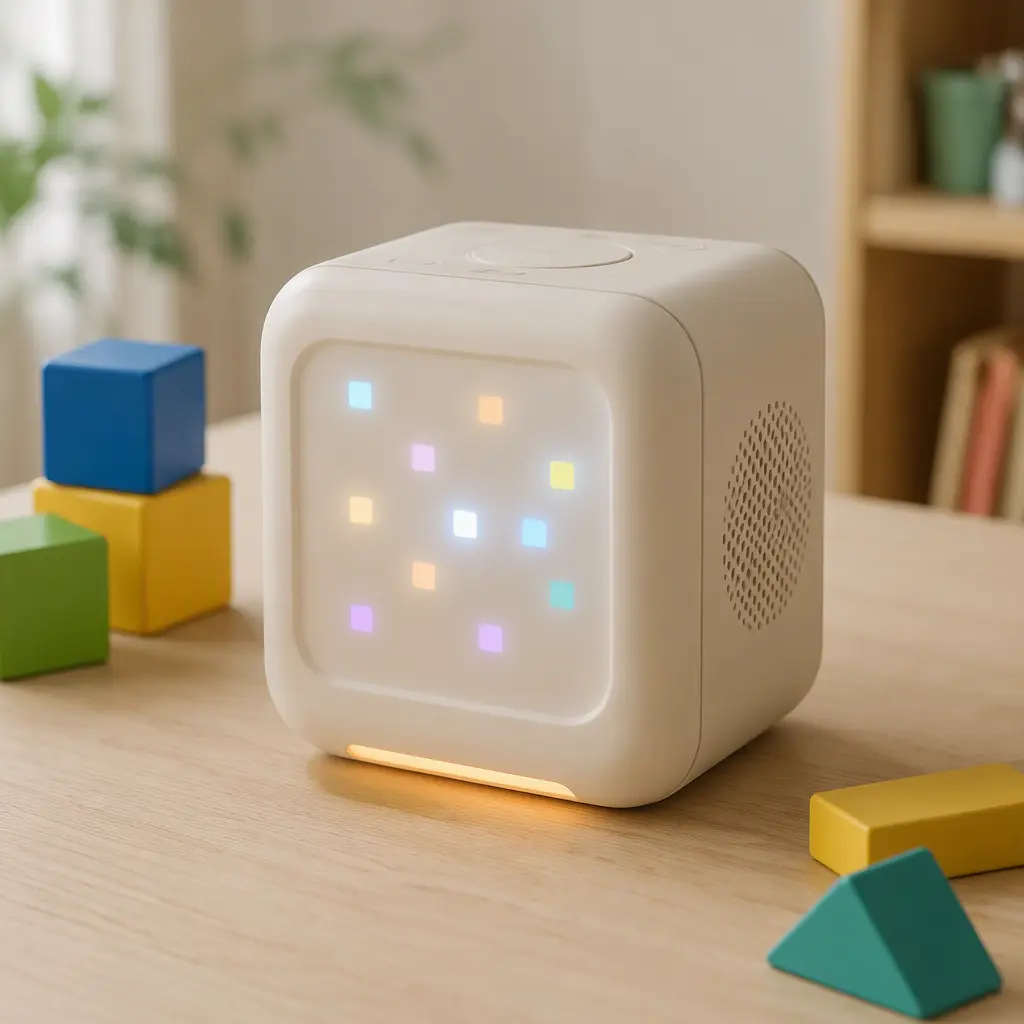
Compare prices and availability
Check current prices and availability for this guide on eBay.
As an eBay Partner, we may be compensated if you make a purchase.
The Luka AI Cube entered a fast-growing category of child-focused AI gadgets that aim to turn voice assistants into toys rather than household utilities. Introduced around CES 2026, the device was presented as a conversational companion for children, combining microphones, cameras and cloud-based AI features inside a compact cube-shaped design. Like several recent smart toys, it sits somewhere between a chatbot, a learning gadget and a social play object, reflecting how quickly generative AI ideas moved from phones and laptops into children's products.
Where it came from
The Luka AI Cube appeared during a period when toy and consumer-electronics companies were racing to present family-oriented AI hardware. CES demonstrations around 2026 featured a growing number of products designed to speak conversationally, recognize voices or react to visual input. The Luka branding had already been associated with educational and reading-focused children's technology, so the AI Cube fit into an established interest in kid-oriented interactive learning devices.
Unlike earlier electronic toys built around pre-recorded lines or simple button prompts, AI-connected products such as the Luka AI Cube were framed as more open-ended companions. Companies in this category increasingly described their products using terms such as conversational AI or generative AI, though the exact capabilities can vary widely. Some systems generate flexible responses through cloud models, while others rely more heavily on scripted dialogue, recognition software or curated content filters. That distinction matters for parents because it affects privacy, consistency, moderation and whether the toy remains useful when offline.
Why it works
The appeal of a product like the Luka AI Cube comes from responsiveness. Children in the upper elementary age range often enjoy gadgets that react in ways that feel less predictable than traditional electronic toys. A cube-shaped form factor also changes the interaction slightly compared with a smart speaker or tablet. Instead of sitting flat like a screen, the toy is designed as a physical object that can stay in a bedroom, play area or desk setup while encouraging spoken interaction and light tactile play.
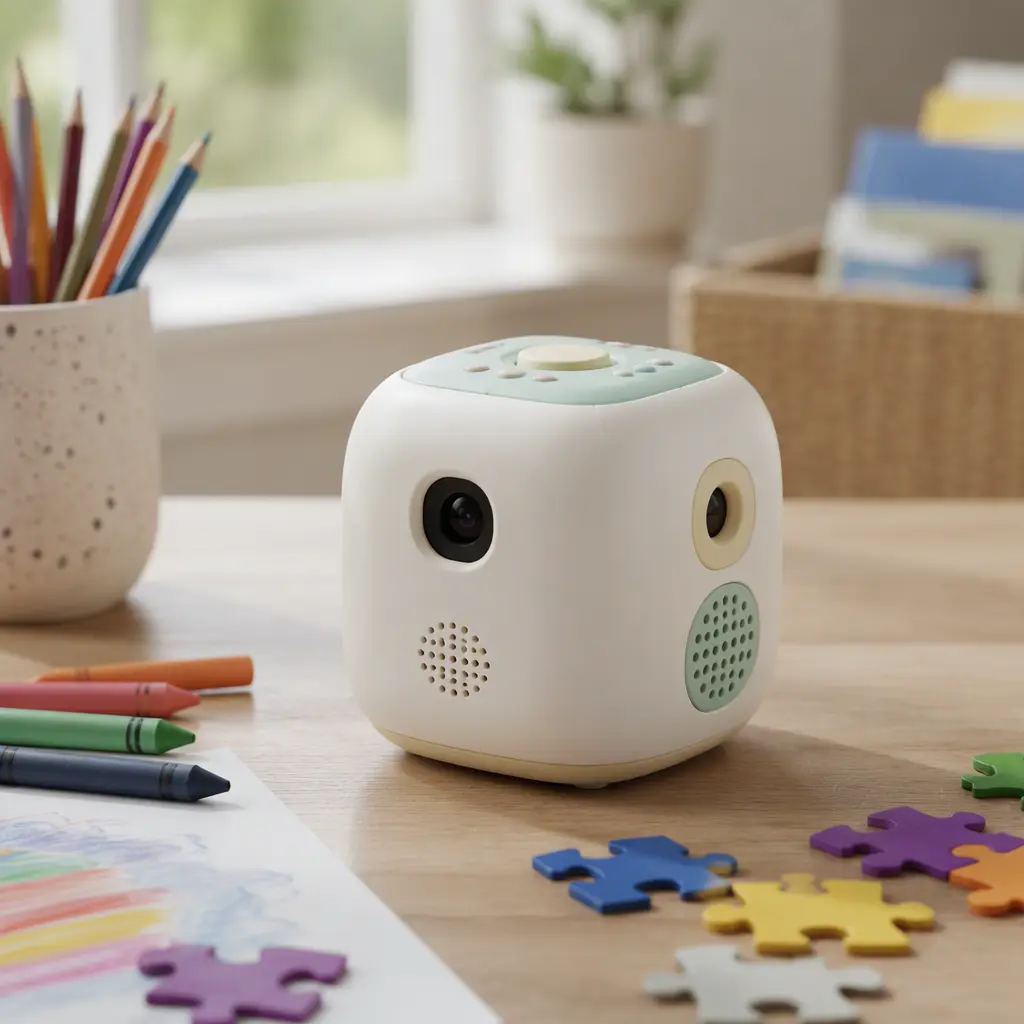
Cameras and microphones are central to the concept. Microphones allow conversational exchanges, while cameras can support object recognition, gesture detection or contextual responses depending on how the software is designed. These features can make interactions feel more dynamic, but they also create the same concerns attached to many connected home devices. Parents generally need to understand whether recordings are processed locally or in the cloud, whether conversations are stored, and how account settings are managed through companion apps or online dashboards.
- Voice-based conversational interaction aimed at children
- Built-in microphones for spoken prompts and responses
- Camera hardware that may support recognition or contextual play
- Cloud-connected AI features rather than fully offline operation
- Companion app or account management likely required for setup and controls
- Compact physical design intended for desk or bedroom play spaces
Who it's for
The Luka AI Cube fits most naturally into the 9 to 12 age range, where children are typically comfortable experimenting with conversational technology but still interested in toy-like presentation. Younger children may enjoy the novelty of talking to a device, although account management, setup and moderation concerns make adult supervision important. Older children may compare it more directly with mainstream AI chat apps and expect broader answers or deeper conversations than a toy-focused system can safely provide. Adults interested in educational technology may also see products like this as examples of how AI is being adapted into family spaces, though long-term usefulness depends heavily on software support and ongoing updates.
Variants and what to look for today
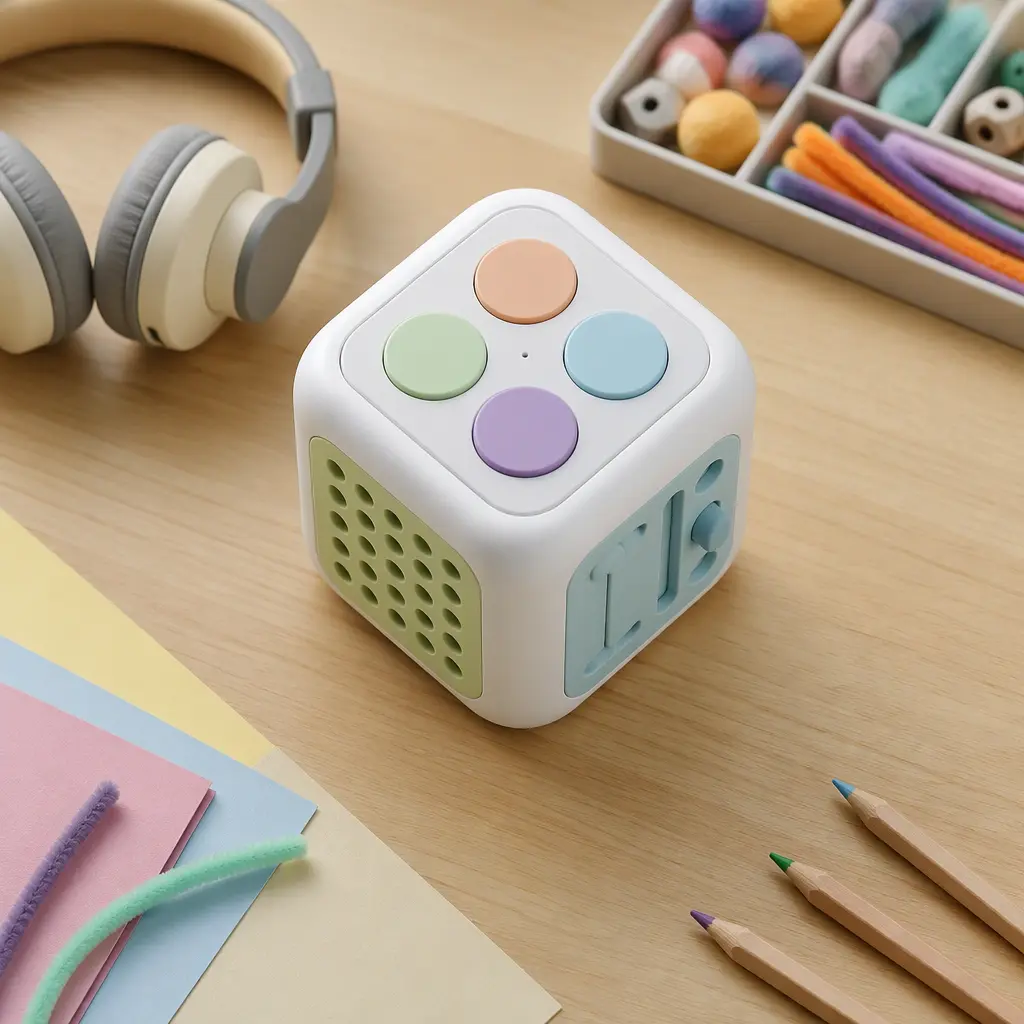
Because the Luka AI Cube emerged in a rapidly evolving category, buyers should expect details and feature sets to change quickly between regions, software revisions or retail listings. Connected AI toys often depend on companion apps, firmware updates and cloud services that can differ from one country to another. Availability in the United Kingdom may not automatically mean full support for all services, especially if voice features, moderation systems or data hosting are region-specific.
Prospective buyers in the UK should confirm whether English-language support, parental controls and warranty servicing are officially available before purchasing. Some AI toys appear through import sellers before local support structures are established. That can affect app compatibility, customer support access and even whether cloud functions continue to operate reliably over time. Parents should also pay attention to account requirements, privacy disclosures and whether subscriptions or recurring service costs are tied to premium AI features.
- Check whether UK customer support and app availability are officially supported
- Look for clear parental-control settings and account-management tools
- Confirm device compatibility with household phones or tablets before buying
- Review privacy policies covering microphone and camera data handling
- Be cautious about unofficial imports that may lack regional software support
Frequently asked questions
Does the Luka AI Cube work without the internet?
Most conversational AI toys introduced during this period rely heavily on cloud processing for natural-language responses and updates. Basic functions may still operate locally, but advanced conversation features are typically tied to an internet connection.
Is the AI fully generative?
Manufacturers often use broad AI terminology, but child-focused products usually combine moderated responses, scripted systems and cloud language models rather than offering unrestricted chatbot access. The exact balance depends on the platform and software design.
What privacy features should parents look for?
Parents should look for mute controls, camera-disable options, account permissions, data-deletion tools and clear explanations about how recordings are processed. Companion apps may also include usage controls or conversation-history settings.
Can UK buyers expect long-term support?
That depends on whether the product receives official regional rollout and support. Imported connected toys sometimes function initially but later lose features if apps, cloud services or language support are limited outside the original launch market.
The Luka AI Cube represents a broader shift in the toy industry rather than a standalone novelty. Companies are increasingly experimenting with conversational technology that blends entertainment, learning and digital companionship inside approachable toy forms. For families, the attraction is easy to understand: a device that talks, listens and reacts can feel far more personal than earlier electronic toys. At the same time, products in this category require more attention to privacy, connectivity and long-term support than traditional playthings ever did.