Magnetic Fidget Rings: The quiet evolution of hands-on focus
Minimal, pocket-sized, and nearly silent, magnetic fidget rings have become a calm successor to louder fidget toys—offering focus, tactile play, and stress relief without the spectacle.
Compare prices and availability
Check current prices and availability for this guide on eBay.
As an eBay Partner, we may be compensated if you make a purchase.
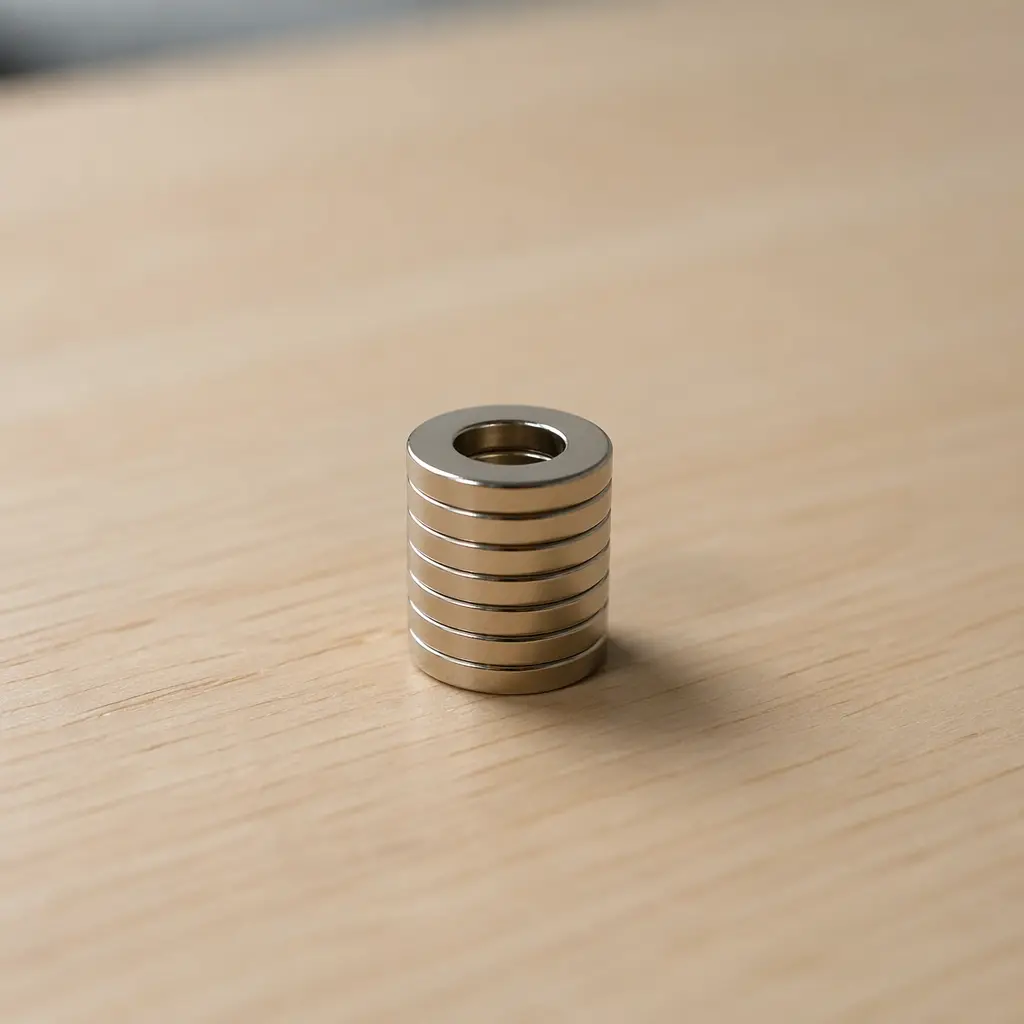
Magnetic fidget rings don’t announce themselves. There’s no clicking soundtrack, no bright plastic colours, no viral gimmick. Instead, they sit quietly on a desk or finger, offering a subtle, satisfying pull and release that’s easy to miss—and that’s exactly the point. As the fidget trend matured, these minimalist rings emerged as a calm successor to louder, more conspicuous toys.
For adults and teens who still want the grounding benefits of fidgeting without drawing attention, magnetic rings hit a sweet spot. They’re discreet, tactile, and endlessly repeatable. In an era of open-plan offices, classrooms, and shared spaces, that restraint has helped them stick around.
Where it came from
Fidgeting itself isn’t new. People have always twisted rings, clicked pens, or shuffled coins to stay focused. Magnetic fidget rings grew out of that everyday habit rather than from a single inventor or breakout toy moment. They appeared more broadly in the late 2010s, after the initial wave of spinners and cubes had peaked.
As schools and workplaces pushed back against noisy or distracting fidgets, designers began experimenting with quieter forms of tactile play. Magnets—already common in desk toys and construction sets—proved ideal. Strong enough to provide resistance, yet smooth enough to feel soothing, they allowed fidgeting to become almost invisible.
Why it works
The appeal of magnetic fidget rings lies in their balance of simplicity and sensation. There’s no learning curve and no goal to complete. You pull the rings apart, stack them, roll them between fingers, or let them snap gently back together. The repetition can be grounding, especially during tasks that require sustained attention.
Because the motion is smooth and nearly silent, the experience feels private. That makes these rings especially popular with older kids, teens, and adults who want a focus aid without broadcasting it.
- Strong magnetic attraction that provides resistance without strain
- Compact, pocket-friendly size
- Minimalist design that blends into everyday settings
- Multiple ways to manipulate—stacking, rolling, separating
- Durable materials, often metal or coated alloys
Who it's for
Magnetic fidget rings are typically marketed to teens and adults, though older children can enjoy them too. They’re especially appealing to people who work at desks, attend lectures, or spend long periods reading or thinking. Adults often appreciate that the rings don’t look like toys, while younger users enjoy the tactile feedback.
They’re less suited to very young children, both because of their small size and because the appeal is subtle rather than playful. This is a fidget for focus, not for imaginative play.
Variants and what to look for today
Today’s magnetic fidget rings come in a handful of variations, though all stay close to the same core idea. Some sets include just two rings for simple pull-and-release motion, while others add more rings to create stacking or rolling patterns. Finishes range from matte to polished, with coatings designed to reduce wear.
When shopping, the key differences are magnet strength and build quality. Rings that are too weak feel unsatisfying, while overly strong magnets can pinch fingers. Well-made sets strike a balance and use smooth edges to avoid discomfort. As with many popular desk toys, it’s worth being cautious of very cheap knock-offs that may chip or lose magnetism quickly.
Frequently asked questions
Are magnetic fidget rings actually helpful for focus?
For many people, yes. The gentle, repetitive motion can help occupy restless hands, making it easier to concentrate on a task. Like all fidgets, effectiveness varies by individual.
Do they make noise?
Very little. Unlike clicking fidgets, magnetic rings are mostly silent, producing only a soft tap if snapped together quickly.
Can you wear them like normal rings?
Some people do, but most magnetic fidget rings are designed for hand manipulation rather than all-day wear. Fit and comfort can vary.
Are they safe for children?
They’re best for older children under supervision. Small, strong magnets can be dangerous if swallowed, so they’re not recommended for young kids.
Magnetic fidget rings may never dominate playgrounds or social feeds, but their staying power says something important. As fidgeting moved from novelty to necessity, quieter tools found their audience. These rings don’t demand attention—they support it, which may be why they’ve become a lasting part of the modern fidget landscape.