Miko Mini: The kid-focused AI robot with familiar tradeoffs
Miko Mini packages chatty AI-style interactions into a child-focused robot companion, but its microphones, app features and cloud reliance raise practical questions for families.
Compare prices and availability
Check current prices and availability for this guide on eBay.
As an eBay Partner, we may be compensated if you make a purchase.
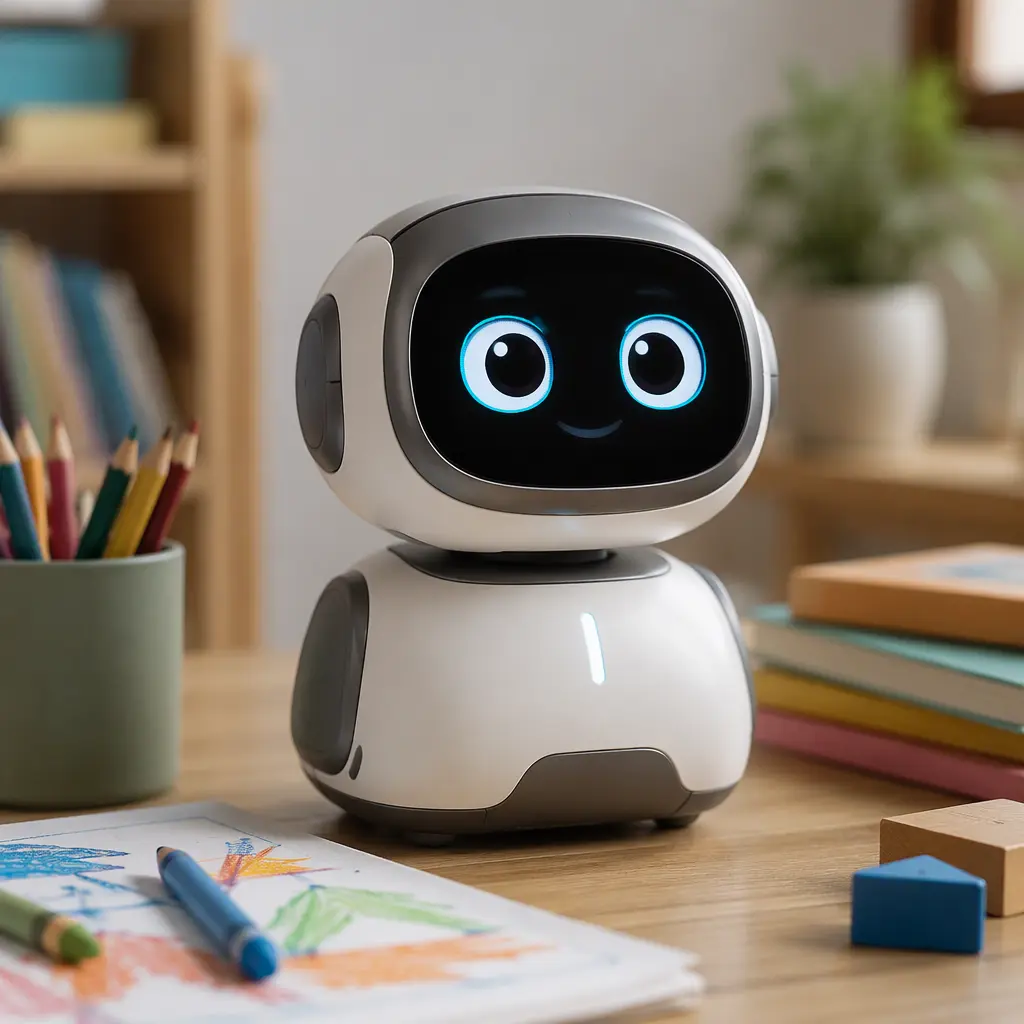
Miko Mini sits in the growing category of child-focused AI and connected robot toys: devices designed to talk, react and act more like companions than traditional electronic playthings. Positioned as a lower-cost entry in the broader Miko robot lineup, it combines conversational features, games, stories and educational activities in a compact rolling robot aimed at younger children. The appeal is easy to understand. Parents see an interactive gadget that feels more dynamic than a tablet app, while children get a character-like device that responds with movement, voices and on-screen expressions.
Where it came from
Miko robots emerged during a period when toy companies and consumer electronics brands were increasingly blending conversational software, app ecosystems and child-oriented hardware. Rather than presenting robotics as coding kits or engineering projects, products like Miko Mini frame the robot as a social companion: something closer to a talking assistant, storyteller or activity partner than a programmable machine.
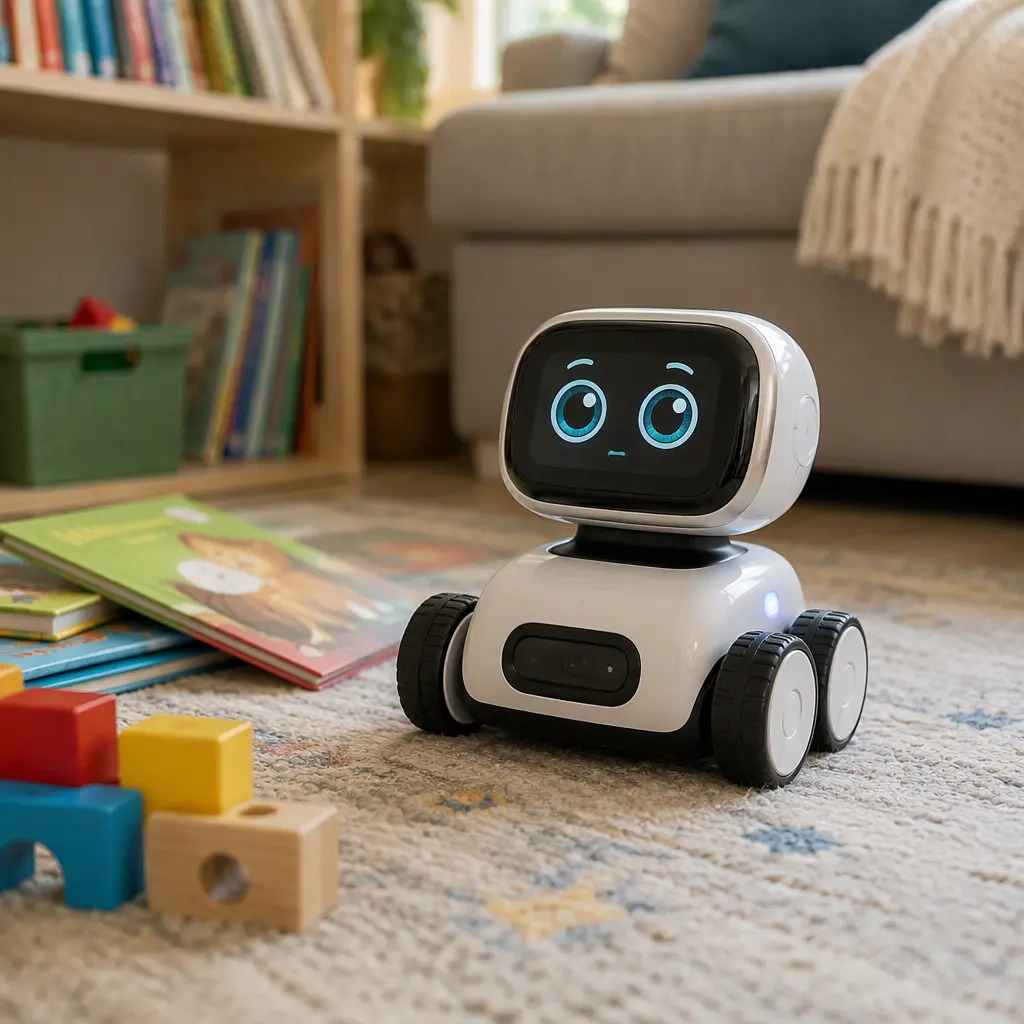
The Miko Mini model was introduced as a more accessible option within that category. Its design leans heavily on approachability, with rounded shapes, expressive animated eyes and simplified interactions intended for younger users. Like many connected toys released in the AI-assistant era, its experience depends partly on microphones, internet connectivity and software updates. That means the toy's usefulness can evolve over time, but it also ties some features to cloud services, mobile apps and account systems that parents may want to review carefully before purchase.
Why it works
The core idea behind Miko Mini is not advanced robotics in the traditional sense. The robot does not manipulate objects or navigate homes like a household robot vacuum. Instead, it succeeds by combining several familiar technologies into a child-friendly package: voice interaction, motion, facial-style animation and guided activities. Children often respond strongly to devices that appear attentive or emotionally expressive, even when the underlying responses are heavily scripted or constrained.
That design approach makes the robot feel more alive than a smart speaker alone. Wheels and body movement create a sense of personality, while touchscreen-style visual cues and spoken dialogue encourage repeated interaction. Depending on the software version and available services, features may include educational games, stories, quizzes, dance routines and conversational exchanges. Families considering any AI-branded toy should note that some responses may rely on cloud processing or curated scripted systems rather than fully open-ended generative AI.
- Rounded, approachable robot design aimed at younger children
- Voice interaction supported by onboard microphones
- Animated digital expressions that reinforce personality
- App-connected ecosystem with cloud-based features
- Educational games, stories and guided activities
- Compact size intended for tabletop or indoor floor play
Who it's for
Miko Mini is generally positioned toward younger school-age children who enjoy interactive gadgets, talking toys and screen-based learning activities. It is less about robotics hobby building and more about companionship-style engagement. Adults shopping for one should think of it as a connected entertainment device first and a robot second. Some children may treat it like a recurring play companion, while others may lose interest once the novelty of conversations and reactions wears off. Families already comfortable with smart speakers, tablets and app-linked toys may find the setup process familiar, though households seeking fully offline toys may prefer simpler electronic companions with fewer connected features.
Variants and what to look for today
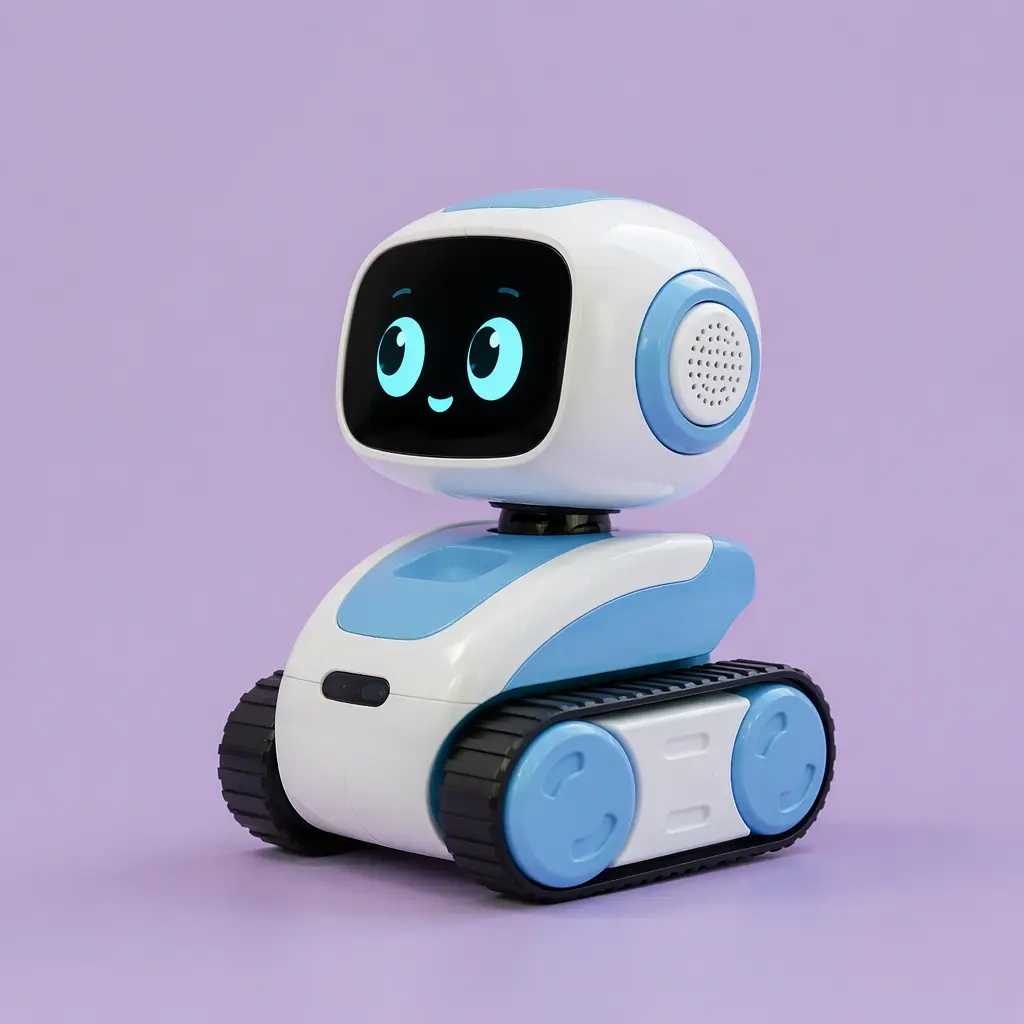
The Miko product family has included several robot models over time, ranging from simpler child-focused companions to more advanced versions with expanded interaction features. Shoppers researching Miko Mini today may encounter refurbished units, retailer bundles or newer software-supported variations depending on region and availability. Because connected toys evolve through updates, the exact feature set can differ between production periods and app ecosystems.
One important consideration is how dependent the robot is on companion apps, internet access and account registration. Families should check current device compatibility for phones or tablets, regional support for cloud features and whether any premium content requires additional subscriptions. Battery life, charging methods and parental controls are also worth reviewing through official retailer or manufacturer information. As with many connected toys, generic knock-offs can imitate the appearance of social robots without offering reliable software support or security practices.
- Check whether app support is available in your region
- Review privacy settings and microphone controls before setup
- Confirm compatibility with current mobile operating systems
- Look for clear information about subscriptions or premium content
- Consider whether the robot remains useful with limited internet access
Frequently asked questions
Does Miko Mini use real AI?
The robot combines conversational software, scripted interactions and cloud-connected features that may vary by software version. Some interactions may resemble generative AI chat, while others are more structured or pre-programmed. Families should not expect unrestricted open-ended AI conversations comparable to general-purpose chatbots.
Can children use it offline?
Some functions may continue working locally, but many connected robot features rely on internet access, app connectivity or cloud processing. The balance between offline and online usefulness can change as software updates evolve.
Are there privacy concerns with toys like this?
Connected toys that use microphones, accounts or cloud services naturally raise privacy questions. Parents may want to review company privacy policies, available parental controls and how voice interactions are handled before enabling all features.
Is Miko Mini educational or mainly entertainment?
It sits somewhere between the two categories. The robot includes learning-oriented activities and guided content, but much of its appeal comes from personality, conversation and novelty. Its long-term value often depends on how much a child enjoys repeated interaction with character-style technology.
Miko Mini reflects a broader shift in the toy industry toward connected companions that blur the line between gadget, educational tool and entertainment device. For some families, that combination is exactly the attraction. For others, the need for apps, cloud services and ongoing software support may outweigh the novelty. Either way, products like this show how quickly AI-themed toys have moved from science-fiction ideas into mainstream playrooms.