Moon Sand: How texture became the whole toy
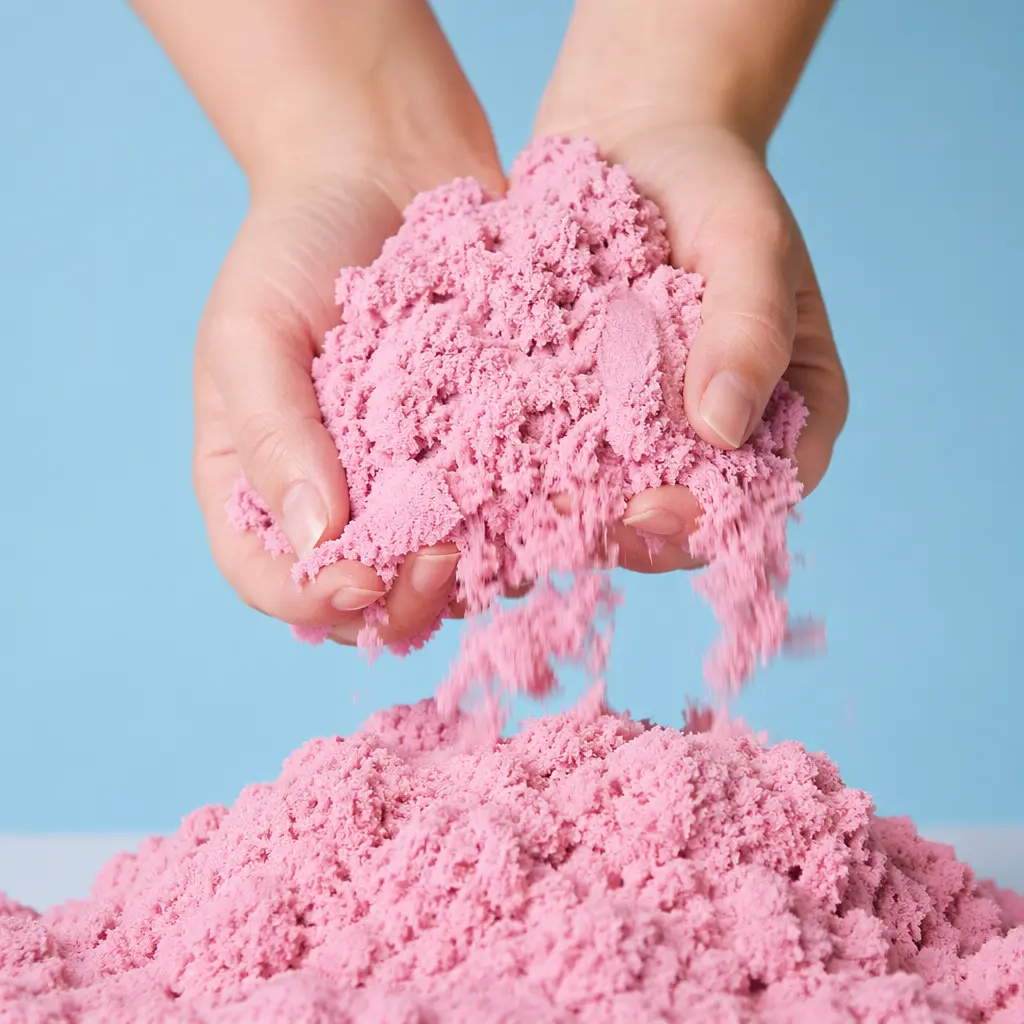
Moon Sand turned play on its head by making feel the main feature. Since the late 1990s, its soft, moldable grains have invited kids to squeeze, pour, and sculpt—no rules required.
Compare prices and availability
Check current prices and availability for this guide on eBay.
As an eBay Partner, we may be compensated if you make a purchase.
Moon Sand doesn’t look complicated. It isn’t electronic, loud, or screen-based. Yet when it appeared in the late 1990s, it caught on fast by doing something toys rarely did at the time: it made texture the main event. You didn’t need instructions or a goal. You squeezed it, watched it flow, packed it into shapes, then let it fall apart again. The pleasure was immediate and oddly calming.
Where it came from
Moon Sand was introduced in 1998 by Spin Master, during a period when toy companies were experimenting with new materials as much as new characters. The idea was simple but novel: create a sand-like substance that stuck to itself rather than to hands or furniture. It was marketed as clean, reusable, and endlessly moldable—indoor sand without the beach mess.
The timing mattered. Sensory play wasn’t yet a buzzword, but parents were receptive to toys that encouraged hands-on creativity without batteries. Moon Sand fit neatly between arts and crafts and free play, offering a tactile experience that felt different from modeling clay or traditional sand.
Why it works
Moon Sand works because it sits in a sweet spot between solid and loose. You can compact it into a firm shape, then watch it slowly crumble as gravity takes over. That cause-and-effect loop is satisfying at any age, and it invites repetition without feeling boring.
There’s also no right way to play. Kids can build, smash, pour, or simply run it through their fingers. Adults often find themselves doing the same. Standout features include:
- A soft, moldable texture that holds shapes but falls apart easily
- Grains that cling to each other more than to skin
- Open-ended play with no instructions or scoring
- Reusable material that doesn’t dry out like clay
Who it's for
Moon Sand is generally aimed at young children, but its appeal is wider. Preschool and early primary-aged kids enjoy the building and destruction cycle, while older kids use it more like a sculpting or stress-relief material. Many parents discover it’s quietly appealing for adults too—something to absentmindedly squeeze while talking or thinking.
Variants and what to look for today
Since its debut, Moon Sand has inspired many similar products, often sold under the broader idea of kinetic or magic sand. Today you’ll find sets in a wide range of colors, sometimes bundled with molds, tools, or play trays. The core experience remains the same: sand that behaves differently from the real thing.
When choosing a set, look for sand that feels soft and cohesive rather than gritty. Cheaper versions can be overly oily or dry, which dulls the sensory appeal. Storage containers matter too—resealable tubs help keep the texture consistent and the clean-up manageable.
Frequently asked questions
Is Moon Sand messy?
Compared to real sand, it’s relatively contained. The grains tend to stick together, making spills easier to scoop up. That said, small bits can still wander, especially during enthusiastic play.
Does it dry out?
Unlike modeling clay, Moon Sand doesn’t dry out when left uncovered for short periods. Proper storage helps maintain its texture over time.
Is it educational?
While it’s not a teaching toy in the traditional sense, it supports fine motor skills, sensory exploration, and creative thinking. Those benefits come naturally through play.
Is it safe for younger children?
Most versions are intended for children old enough not to mouth toys. Adult supervision is recommended, particularly with toddlers.
More than two decades on, Moon Sand’s appeal is still rooted in the same simple idea: how something feels can be enough. In a toy world crowded with features and franchises, it remains a reminder that sometimes the most memorable play starts with an open hand and a handful of sand.