My First Crayola and the Rise of Toddler Art Tools
My First Crayola helped turn toddler-safe art supplies into a major toy aisle category, blending washable materials, easy-grip design, and early creative play for very young children.
Compare prices and availability
Check current prices and availability for this guide on eBay.
As an eBay Partner, we may be compensated if you make a purchase.
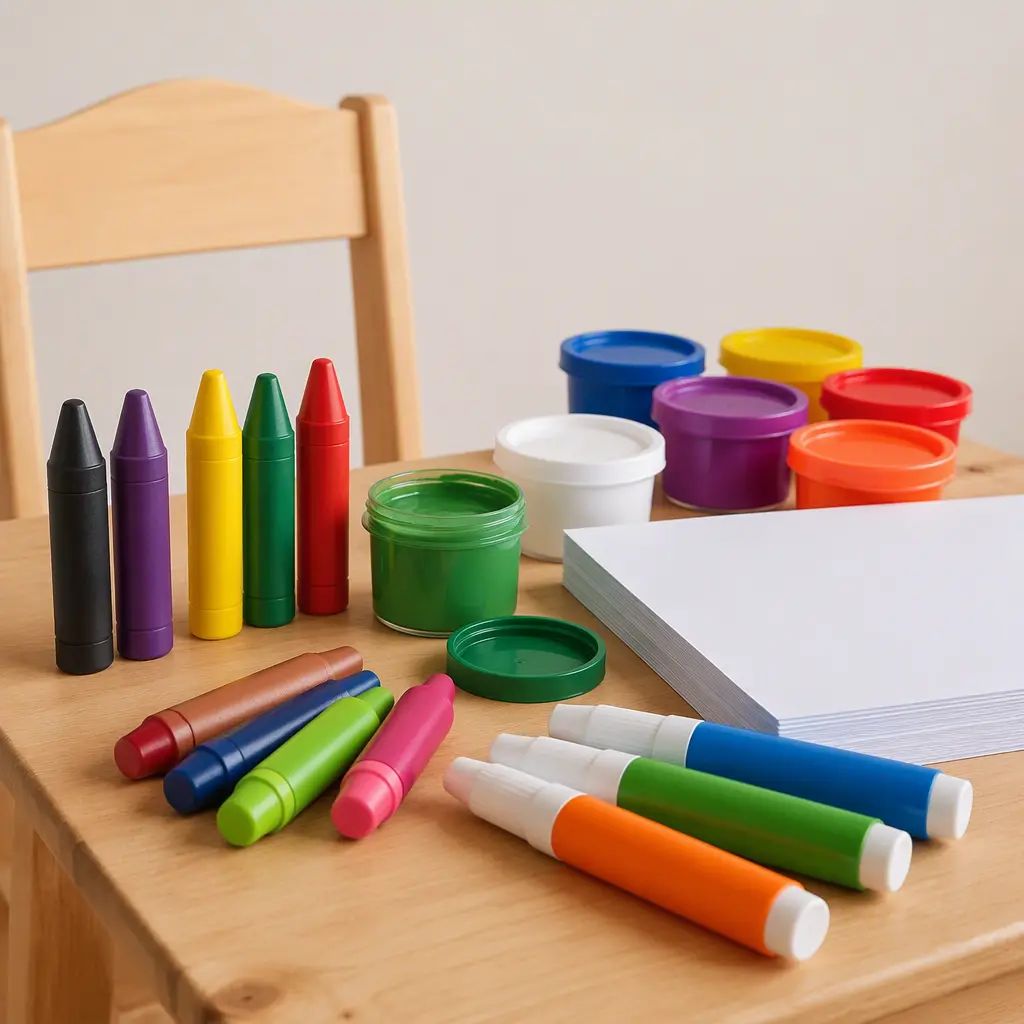
For decades, most children's art supplies were simply smaller versions of products made for older kids. My First Crayola helped change that by treating toddlers as a distinct audience with different physical abilities, attention spans, and safety needs. The line arrived during a period when toy makers and parents were paying closer attention to early childhood development, and it quickly became one of the clearest examples of how creative play could be adapted for children barely out of infancy. Thick crayons, washable inks, rounded edges, and easy-grip tools became central selling points rather than afterthoughts.
Where it came from
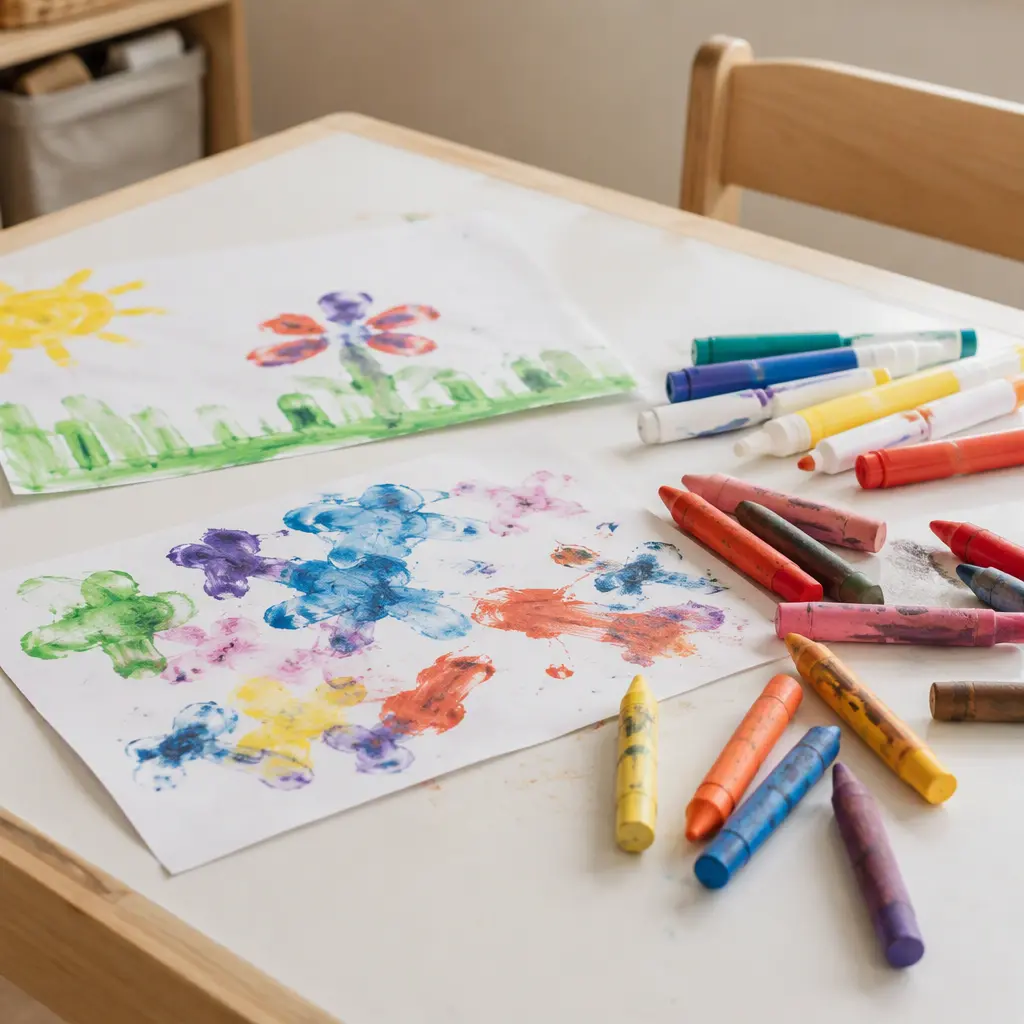
Crayola had long been associated with school art supplies and classic crayons, but the company spent years studying how younger children physically interact with creative tools before launching products specifically aimed at toddlers and preschoolers. The My First Crayola range expanded heavily around 2020, when early-learning toys and sensory play products were becoming one of the fastest-growing sections of the toy industry. Parents increasingly looked for activities that could balance screen time with hands-on play, especially at home.
The original purpose behind the line was practical as much as educational. Traditional crayons snap easily in small hands, markers can stain furniture, and many art kits contain small parts unsuitable for toddlers. My First Crayola products were designed around durability, washability, and motor-skill development. Instead of asking very young children to adapt to standard classroom tools, the products were redesigned around how toddlers naturally grip, scribble, press, and explore.
Why it works
The appeal of My First Crayola comes from reducing frustration during early creative play. Toddlers are still developing hand strength and coordination, so the tools are intentionally oversized and simplified. Rounded crayons encourage broad movements rather than detailed drawing, while washable paints and markers lower the stakes for parents supervising messy play. The result is a category of products that supports experimentation instead of precision.
The design language also matters. Bright colors, chunky shapes, and durable materials communicate that these are meant to be handled roughly. Many products emphasize sensory interaction as much as finished artwork. Smearing finger paint, stacking stampers, or dragging thick markers across paper becomes part of the developmental experience. This shifted toddler art from a niche activity into a mainstream category tied closely to early learning and preschool readiness.
- Chunky shapes designed for small hands and early grips
- Washable formulas that clean from skin and many household surfaces
- Rounded edges and simplified parts for safer toddler use
- Large-format tools that encourage broad arm movement and coordination
- Bright, high-contrast colors that support sensory engagement
Who it's for
My First Crayola products are aimed primarily at toddlers and preschoolers, usually from around 12 months to age 3 depending on the activity. The broad age appeal comes from the open-ended nature of art play. Younger toddlers may simply scribble or explore textures, while older preschoolers begin drawing recognizable shapes and experimenting with color choices. Parents often appreciate the lower-mess approach compared with traditional paints and markers, and many daycare centers and preschools use similar toddler-focused supplies because they are durable and easier to supervise. Even adults who remember classic Crayola products often find the toddler line interesting because it reflects how dramatically toy and learning design have shifted toward developmental research.
Variants and what to look for today
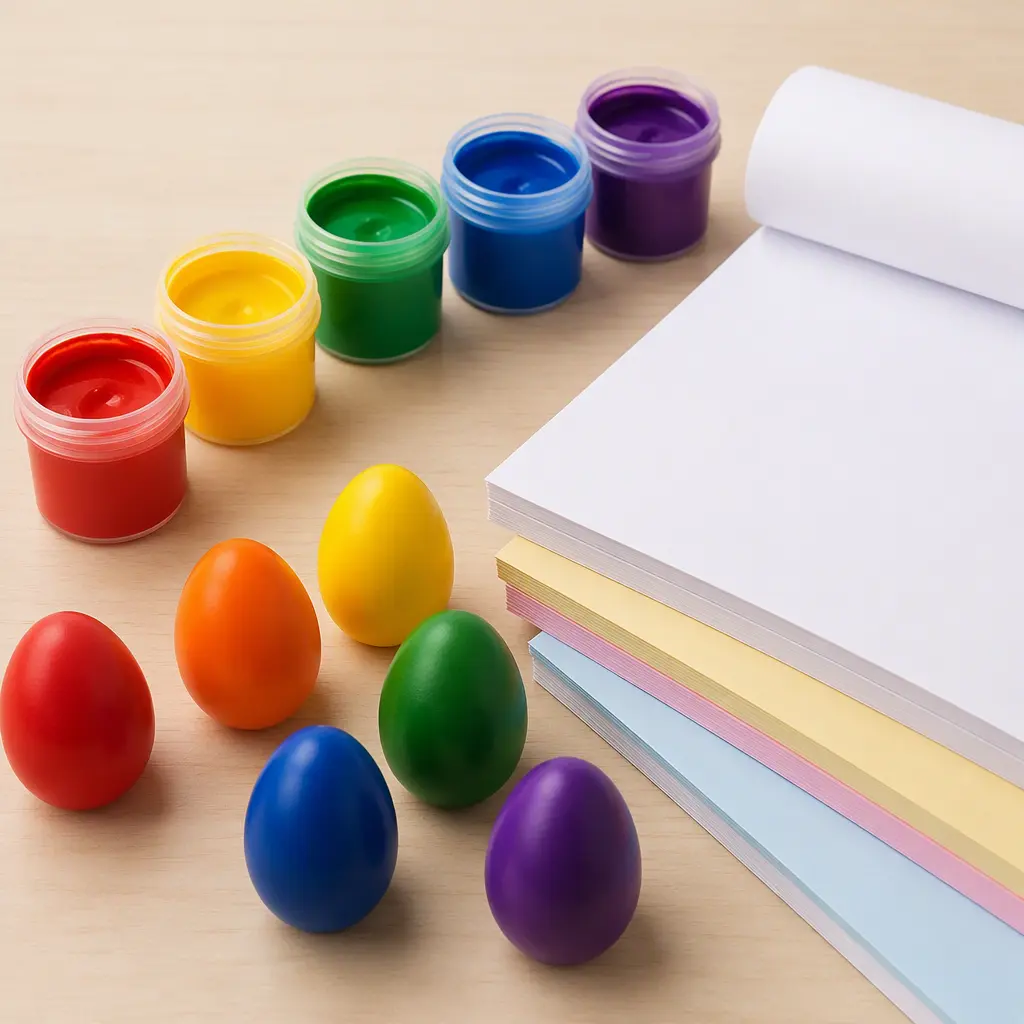
The My First Crayola name now covers a wide range of products including washable markers, finger paints, palm-grip crayons, stampers, activity pads, and sensory-focused drawing tools. Some sets focus on travel-friendly creativity, while others are designed for table play or bath-time art activities. The common thread is accessibility for younger children who are not ready for standard school supplies.
When shopping today, parents usually focus on durability and washability first. Products marketed for toddlers should have sturdy construction without detachable tiny pieces. Washable materials remain a major reason the line became popular in the first place, especially in homes with carpets or fabric furniture. Generic alternatives exist across many retailers, but quality can vary considerably. Thin plastic parts, weak caps, or crayons that crumble easily tend to frustrate both children and adults.
- Look for truly washable materials if art time happens indoors
- Choose larger grip tools for children still developing fine motor control
- Simple activity sets often work better for toddlers than large complicated kits
- Check packaging age guidance carefully for paint and stamping activities
- Storage bins or reusable containers help keep pieces organized between sessions
Frequently asked questions
What makes toddler art supplies different from regular crayons?
Toddler art tools are usually larger, easier to grip, and more durable than standard classroom supplies. They are designed around early motor development and often use extra-washable materials to reduce cleanup concerns.
Are these products mainly educational or just for fun?
They are intended to support both. Scribbling, coloring, and finger painting help toddlers practice hand movement, sensory exploration, and cause-and-effect learning, but the products are also meant to feel playful and low-pressure.
Why did toddler-focused creative toys grow so quickly?
Parents and educators increasingly emphasized early learning and hands-on activities during the 2010s and early 2020s. Toy companies responded by creating products specifically designed for developmental stages rather than broad age groups.
Do toddlers actually use the tools correctly?
Not always, and that is partly the point. Many toddler art products are built for experimentation rather than technique. Children may grip crayons with a full fist, smear paint with their hands, or switch rapidly between activities while still building coordination.
My First Crayola represents more than a successful line of art supplies. It reflects a larger change in how the toy and learning industries think about very young children. Instead of expecting toddlers to grow into existing products, companies began redesigning creative tools around developmental realities. That shift helped transform toddler art from a messy side activity into one of the defining categories of modern early creative play.