NeeDoh Nice Cube and the Rise of the Ultra-Dense Squish
The NeeDoh Nice Cube turned a simple squeeze toy into a social-media sensation with its dense, slow-moving texture, compact shape, and oddly satisfying sensory appeal for kids and adults.
Compare prices and availability
Check current prices and availability for this guide on eBay.
As an eBay Partner, we may be compensated if you make a purchase.
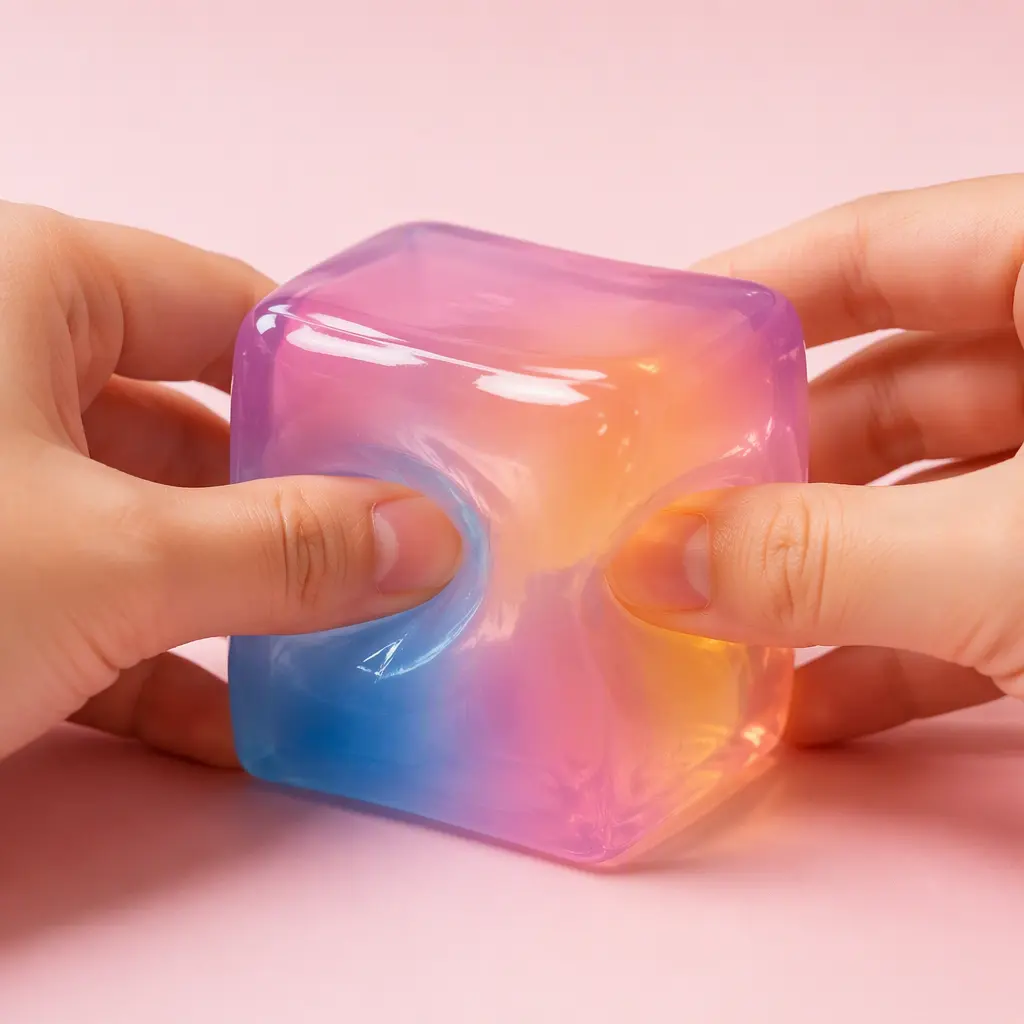
The NeeDoh Nice Cube arrived at a moment when sensory toys had already become a huge category, but its appeal was different from the usual stretchy slime or pop-it board. Instead of loud colors or complicated gimmicks, the cube focused almost entirely on texture and resistance. Squeezing it creates a slow, dense movement that feels more like pressing into soft putty than bouncing a rubber ball. Videos of people compressing and reshaping the cube spread quickly across social platforms, turning a simple fidget toy into one of the most recognizable sensory products of the early 2020s.
Where it came from
NeeDoh itself has existed for years as a line of stress and sensory toys built around squeezable compounds and simple tactile play. The Nice Cube, introduced in 2023, took the brand's familiar formula and distilled it into a cleaner, more focused design. Instead of bright novelty shapes or character-inspired styling, it leaned into a geometric cube form and an unusually dense filling that deformed slowly when squeezed.
The timing mattered. By the early 2020s, short-form video platforms had turned tactile products into visual entertainment. Slime mixing, kinetic sand cutting, and fidget demonstrations were already popular. The Nice Cube fit naturally into that ecosystem because it looked satisfying on camera while also delivering a distinct physical sensation in real life. Its compact shape made it easy to carry in backpacks, desk drawers, and coat pockets, helping it move beyond toy aisles into classrooms, offices, and social media feeds.
Why it works
At a basic level, the Nice Cube succeeds because it exaggerates resistance. Many stress balls snap back quickly after a squeeze, but this toy moves slowly enough to create a more deliberate tactile experience. The dense gel-like filling shifts gradually inside the flexible outer shell, producing a feeling somewhere between memory foam and putty. That delay creates the sensation people often describe as satisfying.
The cube shape also changes the interaction. Round stress balls naturally roll and bounce, but a cube encourages pressing, flattening, and folding motions. Even when distorted, it tends to settle back into a recognizable form. The transparency or semi-transparency seen in many versions adds another layer of appeal because users can watch the material shift and stretch during use.
- Dense slow-moving filling creates strong tactile feedback
- Cube shape encourages pressing and reshaping rather than bouncing
- Compact size fits easily into bags, desks, and pockets
- Visual deformation makes it appealing in social-media videos
- Simple design works for both children and adults
Who it's for
The Nice Cube sits in a category that crosses age groups unusually well. Younger children often enjoy it as a simple sensory object, especially during quiet play or while focusing on homework. Teenagers helped fuel its online popularity through short videos and desk setups, while many adults adopted it as a low-key office fidget toy. Parents should still pay attention to manufacturer age guidance because ultra-soft sensory toys are not intended for chewing or rough treatment. For older kids and adults, though, the appeal is straightforward: it offers a calming repetitive motion without requiring rules, screens, or batteries.
Variants and what to look for today
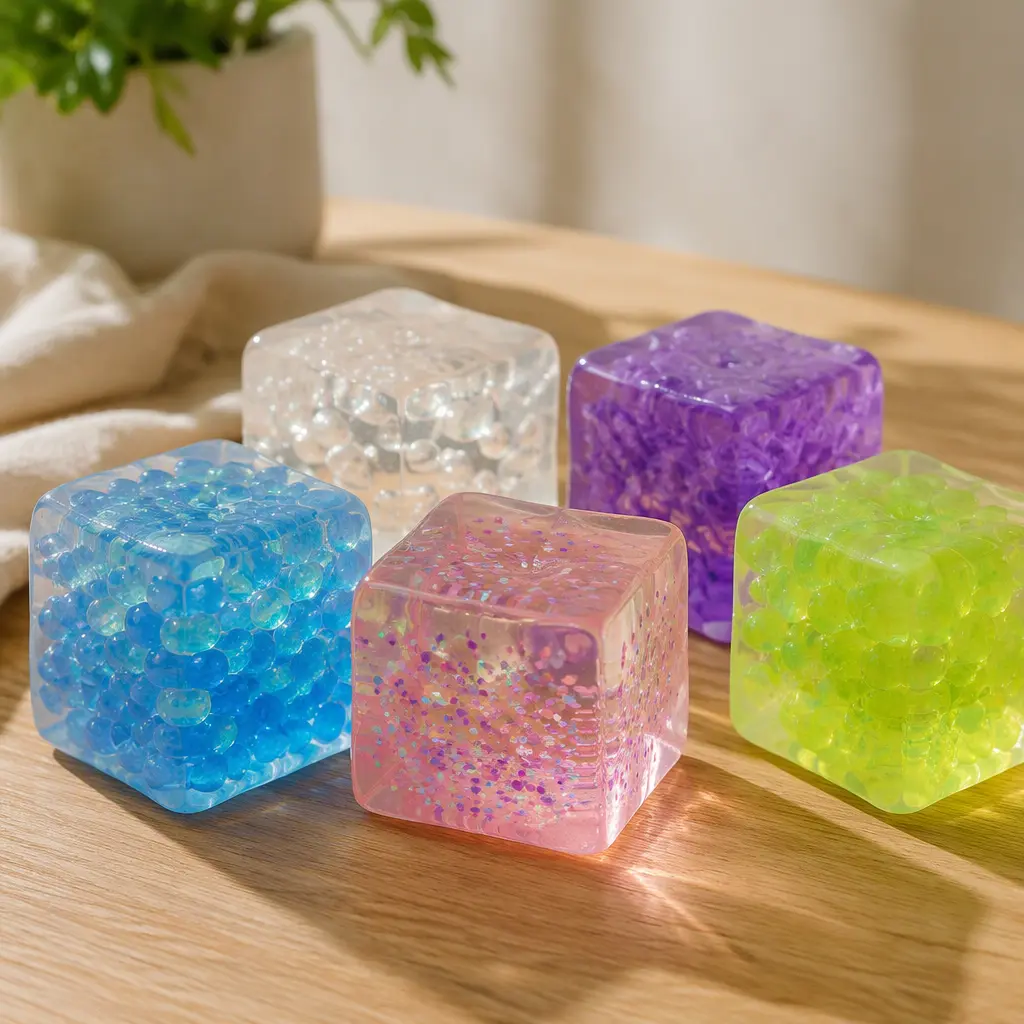
As the Nice Cube gained popularity, the wider market responded quickly. Similar ultra-dense squish cubes began appearing in different sizes, levels of firmness, and color styles. Some versions emphasize crystal-clear transparency while others use cloudy pastel tones or glitter-like effects suspended inside the filling. The overall experience varies more than the products may initially suggest. A slightly softer shell or thinner filling can completely change the sensation.
Shoppers looking for this style of toy today should pay attention to durability and texture consistency. Extremely cheap imitations may split at the seams after repeated stretching or become sticky over time. Because these toys are handled constantly, the outer material quality matters more than decorative details. The best versions maintain their slow resistance without feeling oily or fragile after regular use.
- Look for thicker outer shells that resist tearing
- Dense fillings generally create a slower and more satisfying squeeze
- Smaller versions travel well for school or office use
- Clear or translucent styles highlight the shifting texture
- Avoid products with strong chemical odors or leaking seams
Frequently asked questions
Why did the Nice Cube become so popular online?
The toy translates well to short videos because the slow deformation is visually satisfying. People could immediately understand the texture and resistance just by watching someone squeeze it. Its compact shape and glossy appearance also photographed well in desk and lifestyle content.
Is it mainly a toy for children?
Not really. While children are an important audience, many adults use dense squish toys as desk fidgets or stress-relief objects. The design is simple enough that it does not feel tied to a particular age group, which helped broaden its popularity.
How is it different from a regular stress ball?
Traditional stress balls usually spring back immediately after pressure. The Nice Cube style focuses on slower movement and denser resistance. That delayed reshaping is a major part of the appeal and creates a more deliberate sensory experience.
Do these toys last a long time?
Durability depends heavily on material quality and how aggressively the toy is handled. Frequent stretching, punctures from sharp objects, or exposure to heat can shorten its lifespan. Higher-quality versions generally hold their shape and texture much longer.
The NeeDoh Nice Cube shows how a very simple object can still break through in a crowded toy market. It did not rely on electronics, licensed characters, or complicated gameplay. Instead, it focused on a single tactile sensation and delivered it consistently. In an era dominated by screens and fast-moving trends, that straightforward physical interaction turned out to be exactly what many people wanted.