Perler Beads: The pixel craft that rewards patience
Those tiny plastic beads on pegboards look simple, but Perler Beads quietly teach planning, focus, and follow-through—one ironed design at a time.
Compare prices and availability
Check current prices and availability for this guide on eBay.
As an eBay Partner, we may be compensated if you make a purchase.
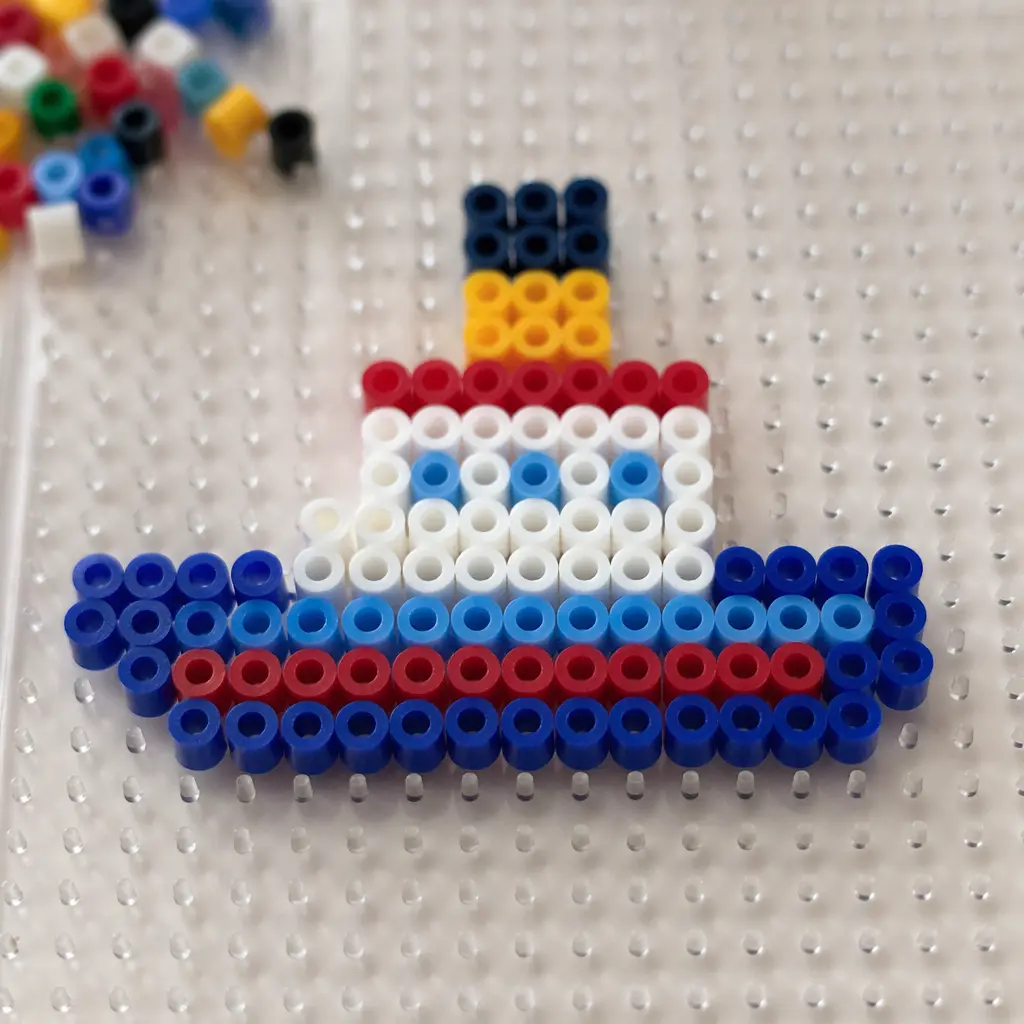
Perler Beads are about as low-tech as a toy can get: tiny plastic cylinders, a pegboard, and a bit of heat. Yet for more than half a century they’ve kept kids (and plenty of adults) quietly absorbed, placing bead after bead to build pixel-like pictures. In a world of instant results, these beads stand out for something rarer—teaching patience, planning, and the satisfaction of finishing what you start.
Where it came from
Fuse beads originated in the early 1960s, first appearing in Europe as an educational craft material. The idea was straightforward: beads that could be arranged on pegs and then fused together with heat, turning loose pieces into a single solid design. Perler, one of the best-known brands, helped popularise the format internationally after its introduction in 1961.
Originally, these beads were positioned as a way to support fine motor skills and colour recognition. Over time, they drifted from classrooms into living rooms, becoming a staple arts-and-crafts activity. As video games and digital art rose in popularity, fuse beads gained a second life as a physical way to recreate pixel art—bridging generations who grew up with screens and those who didn’t.
Why it works
At heart, Perler Beads succeed because the rules are simple and the outcomes feel earned. There’s no timer, no score, and no shortcut. Each design asks the maker to slow down, think ahead, and commit to a pattern—skills that translate well beyond the craft table.
- Clear cause and effect: place a bead, see progress
- Grid-based play that supports early planning and counting
- Tactile feedback that strengthens fine motor control
- A final ‘magic moment’ when heat fuses the design into a finished piece
The bead-and-peg system also makes mistakes easy to fix before ironing, which lowers frustration. You can lift a bead, change a colour, or start again without penalty. That forgiving design is a big reason kids stick with it—and why adults find it relaxing rather than stressful.
Who it’s for
Perler Beads are typically aimed at children around five years and up, once small-piece handling is safe and comfortable. Younger children often enjoy sorting colours and filling simple shapes with supervision. Older kids gravitate toward complex patterns, lettering, or detailed pixel art. There’s also a strong adult following—crafters, teachers, and gamers who appreciate the meditative pace and nostalgic feel.
Variants and what to look for today
Today’s fuse bead sets come in a wide range of formats. You’ll find different bead sizes, from standard beads for younger hands to smaller versions that allow for finer detail. Pegboards now include basic squares alongside themed shapes and large interlocking boards for ambitious projects.
When shopping, look for beads that melt evenly and pegboards that hold beads securely without being brittle. Generic fuse beads can work just as well as brand-name versions, but extremely uneven or poorly moulded beads can lead to gaps or weak joins after ironing.
Frequently asked questions
Are Perler Beads educational?
Yes. While they’re primarily a craft toy, they support fine motor development, colour matching, counting, and basic planning. Many teachers and therapists use fuse beads as a quiet, focused activity.
Do the beads come apart after ironing?
If ironed correctly, the beads fuse into a single piece that holds together well. Under-ironing can lead to weak spots, while over-ironing can flatten details, so balance matters.
Are they safe for children?
The beads themselves are safe when used as intended, but they are small and not suitable for children who may mouth objects. The ironing step involves heat and should always be supervised by an adult.
Why do adults still enjoy them?
For many adults, fuse beads offer a screen-free way to relax. The repetitive motion and clear goals can feel calming, and the pixel-art style taps into nostalgia without requiring special skills.
Perler Beads endure because they respect the maker’s time. They don’t rush you, entertain you automatically, or demand perfection. Instead, they reward care and attention—quietly proving that some of the best toys are the ones that let you slow down.