Pets Alive Hamstermania and the Rise of Viral Animatronic Pets
Pets Alive Hamstermania shows how affordable animatronic pets continue to dominate holiday toy aisles through expressive movement, collectible appeal and short-form social video visibility.
Compare prices and availability
Check current prices and availability for this guide on eBay.
As an eBay Partner, we may be compensated if you make a purchase.
Pets Alive Hamstermania sits in a part of the toy market that rarely gets the same attention as blockbuster game systems or collectible card crazes, yet often performs extremely well during the holiday season. The appeal is straightforward: small animatronic pets that move, squeak and react in ways designed to feel lively without requiring the commitment of a real animal or the higher cost of advanced robotic companions. In recent years, that formula has gained extra momentum through short-form social video, where quick clips of jittery movements, funny sounds and exaggerated reactions travel easily across feeds aimed at kids, parents and gift shoppers alike.
Where it came from
Pets Alive is a toy line from ZURU, a company that has spent years building products around affordable novelty, collectibility and strong shelf presence. Hamstermania arrived during a period when interactive plush and low-cost animatronics were regaining visibility in mass retail. Rather than competing directly with premium robotic pets packed with advanced app features, toys in this category aim for immediate reactions and easy understanding. A child picks one up, presses a button or makes a sound, and the toy responds quickly enough to create a sense of personality.
That simplicity matters in crowded holiday aisles. Many parents already understand the broad idea before the packaging is even opened: a small pet-like toy that chatters, scurries or wiggles in amusing ways. Social platforms have amplified that effect. Videos featuring tiny animatronic animals racing across floors, making squeaky noises or interacting with pets often attract attention because the humor is visual and immediate. Hamstermania fits neatly into that ecosystem, where a toy does not need deep lore or complicated setup to become recognizable.
Why it works
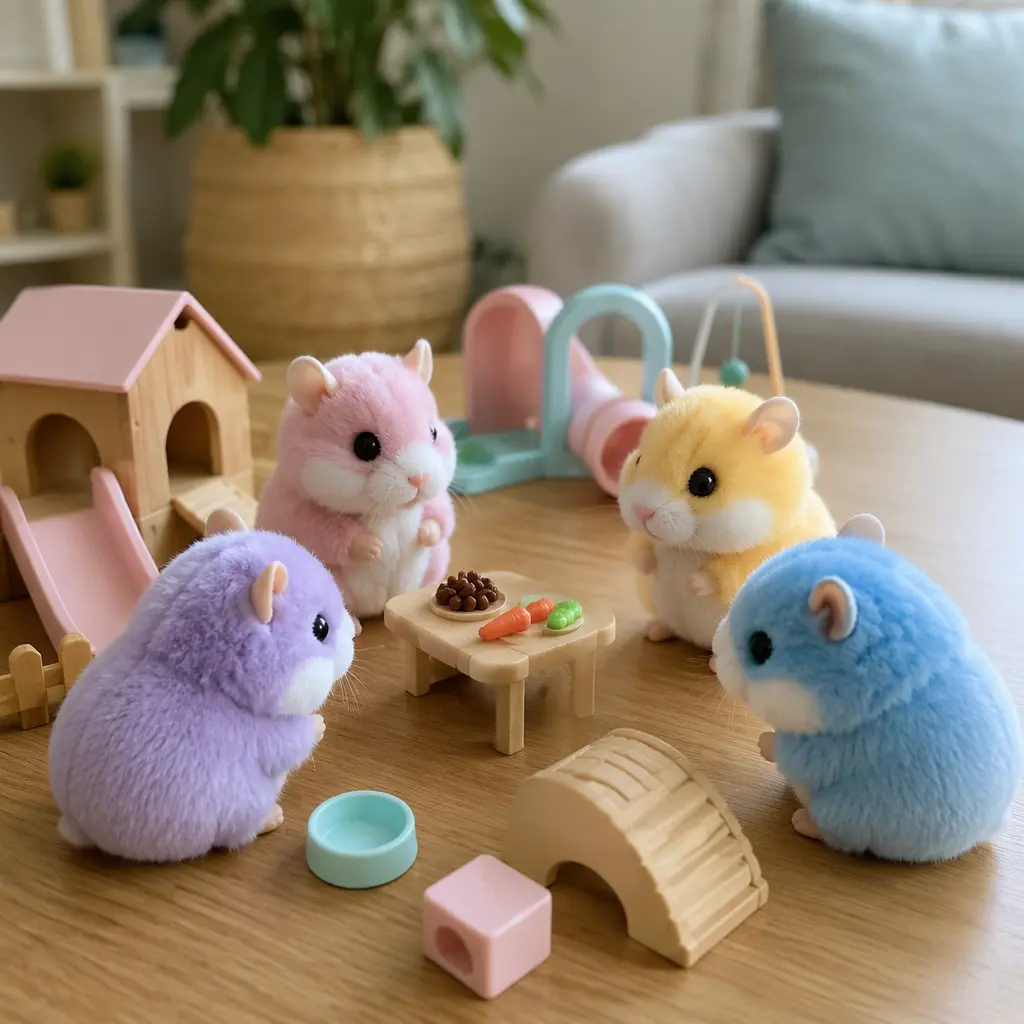
The core design strength of Hamstermania is accessibility. The toy category combines plush textures with lightweight robotics, creating an experience that feels more animated than a standard stuffed animal without becoming technically intimidating. For younger children especially, the movement itself can be enough to sustain imaginative play. The toy becomes a pet, a race participant, a desk companion or part of a pretend habitat built from household objects.
Another reason these products continue to perform well is that they translate cleanly into both solo play and spectator play. A child may enjoy interacting directly with the toy, but siblings and adults often react too, especially when the movement pattern is slightly unpredictable or exaggerated. That makes the toy naturally shareable in family videos and social clips. Unlike app-heavy connected toys, low-cost animatronics also tend to avoid setup friction. Batteries and a switch are still easier for many households than accounts, downloads and wireless pairing.
- Compact animatronic movement designed for quick reactions and repeat play
- Soft plush styling that blends robotic motion with cuddly presentation
- Collectible appeal through multiple colors or personalities within a toy line
- Short-form video friendliness thanks to expressive movement and sound effects
- Easy entry point for gift buyers looking for interactive toys without complex setup
Who it's for
Hamstermania is aimed primarily at younger children who enjoy pretend pets, sensory play and light interactive features. The toy category typically appeals to elementary-school-age kids, especially those who like caring for toy animals or building miniature environments. Adults often encounter these toys as impulse gifts during the holiday season because the concept is immediately understandable and relatively compact. There is also a collector angle, although it tends to be casual rather than investment-focused. Some families enjoy gathering multiple variations so children can create little groups of animated pets rather than playing with a single character.
Variants and what to look for today
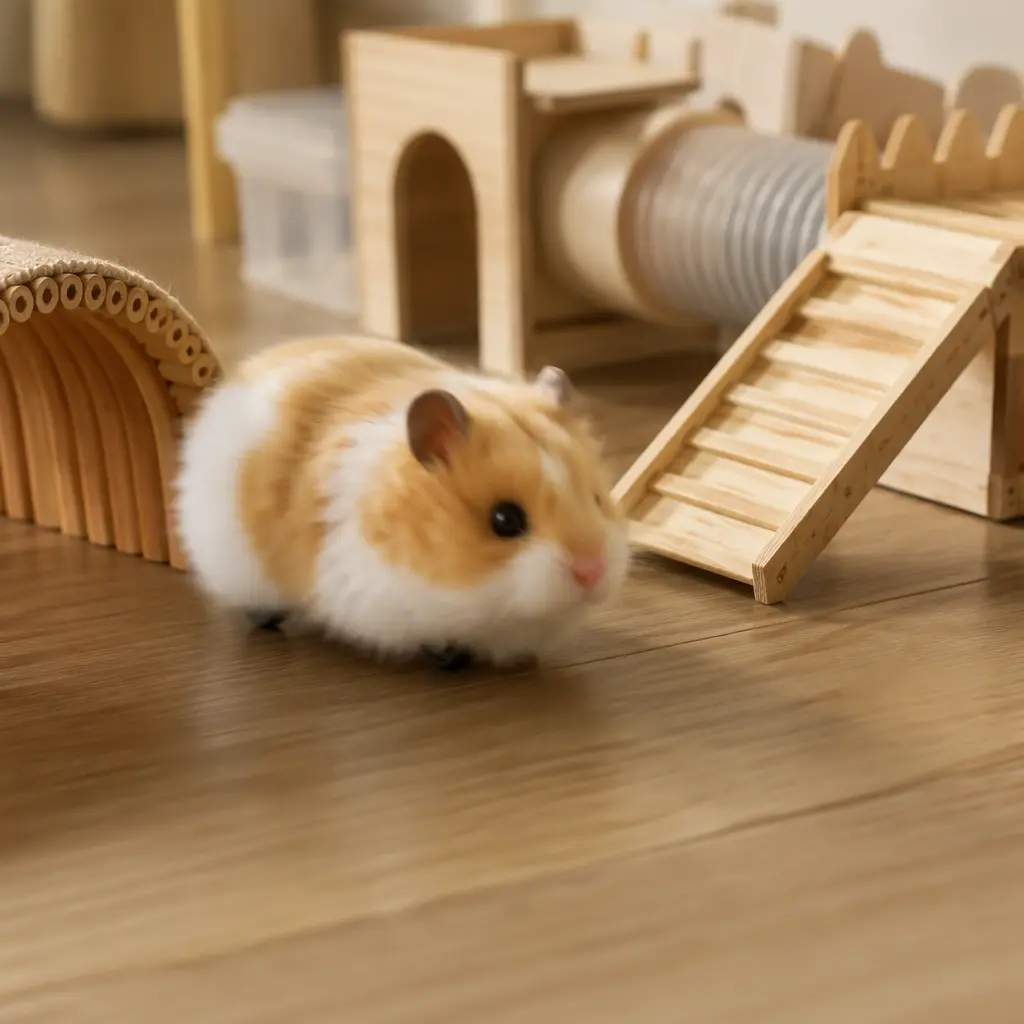
As with many successful interactive toy lines, Hamstermania products may appear in multiple color schemes, bundled play environments or slightly different movement styles depending on retailer assortment and season. Holiday toy aisles often favor bright packaging and collectible presentation, so shoppers may see multipacks or accessory-focused versions alongside single pets. Because the category moves quickly, availability can shift between regions and retailers during peak shopping periods.
When comparing versions, the practical details matter more than chasing rarity claims. Buyers usually benefit from checking battery requirements, included accessories and the durability of moving parts. It is also worth watching for generic imitators that mimic the overall hamster concept while cutting corners on fur quality, wheel movement or battery compartment construction. In this category, smoother movement and reliable sound triggers often make a bigger difference than cosmetic extras.
- Look for sturdy battery compartments and secure moving components
- Check whether accessories are included or sold separately
- Consider noise level if the toy will be used in shared family spaces
- Expect seasonal packaging changes between retailers
- Be cautious about extremely cheap imitation versions with weak motors or rough materials
Frequently asked questions
Does Hamstermania use apps or internet connectivity?
Hamstermania is positioned more like a traditional battery-powered animatronic toy than a connected smart device. The appeal comes from physical movement and sound effects rather than cloud-based interaction or app ecosystems.
Why do toys like this trend on social media?
Short clips of animated pets are easy to understand instantly, even without sound. Fast movement, funny reactions and miniature obstacle courses all translate well into short-form video formats that reward visual humor and surprise.
Are low-cost animatronic pets replacing traditional plush toys?
Not entirely. Instead, they occupy a middle ground between classic stuffed animals and advanced robotic companions. They add motion and sound while still remaining approachable for younger children and gift buyers.
What should parents know before buying?
Battery needs, sound volume and floor compatibility are usually the biggest practical considerations. Smooth surfaces often allow better movement than thick carpet, and replacement batteries may be needed during heavy holiday use.
Hamstermania reflects a broader toy-industry lesson that has stayed consistent for decades: not every successful product needs cutting-edge technology or massive storytelling universes. Sometimes a toy succeeds because it creates a quick emotional reaction, works straight out of the box and gives children something lively to laugh at together. In the current social-video era, that kind of simple, expressive play may be more valuable than ever.