The Play Tunnel: Why Kids Love Crawling, Hiding, and Exploring
Soft fabric play tunnels turn simple crawling into a world of hiding, movement, and make-believe. Here’s how this modern staple taps into kids’ instincts—and what to know before buying one today.
Compare prices and availability
Check current prices and availability for this guide on eBay.
As an eBay Partner, we may be compensated if you make a purchase.
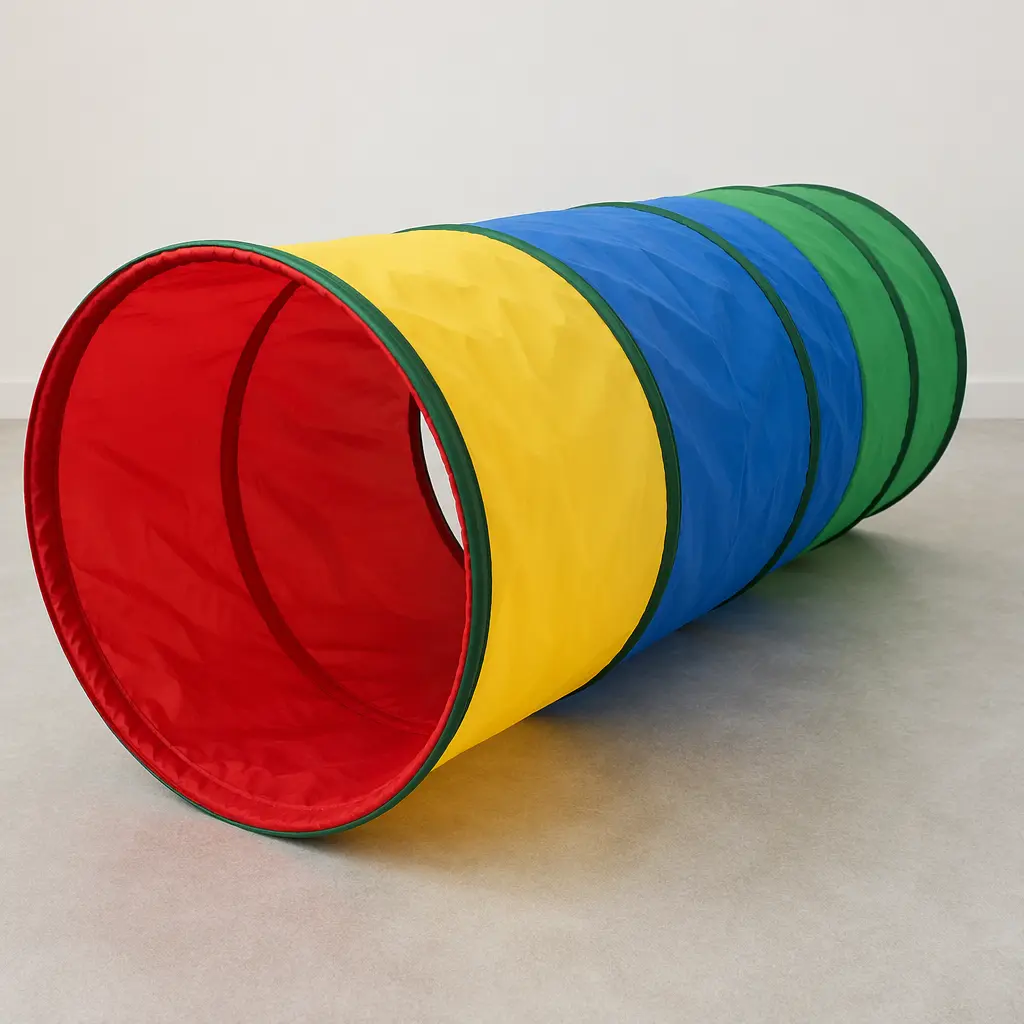
A play tunnel doesn’t look like much at first glance: a soft tube of fabric that collapses into a flat circle. But put one on the floor, and children instinctively crawl inside. They disappear, reappear, whisper secrets, and invent games that can last far longer than you’d expect from something so simple. The play tunnel’s quiet magic lies in how perfectly it matches a child’s natural urge to explore small spaces and control their own movement.
Where it came from
Unlike many classic toys with a single inventor, the play tunnel grew out of a broader shift in children’s play during the late 20th and early 21st centuries. As indoor play spaces became more common and parents looked for ways to encourage movement without bulky equipment, soft play products began to fill the gap. Fabric tunnels borrowed ideas from agility tunnels used in dog training and soft-play crawl spaces found in nurseries.
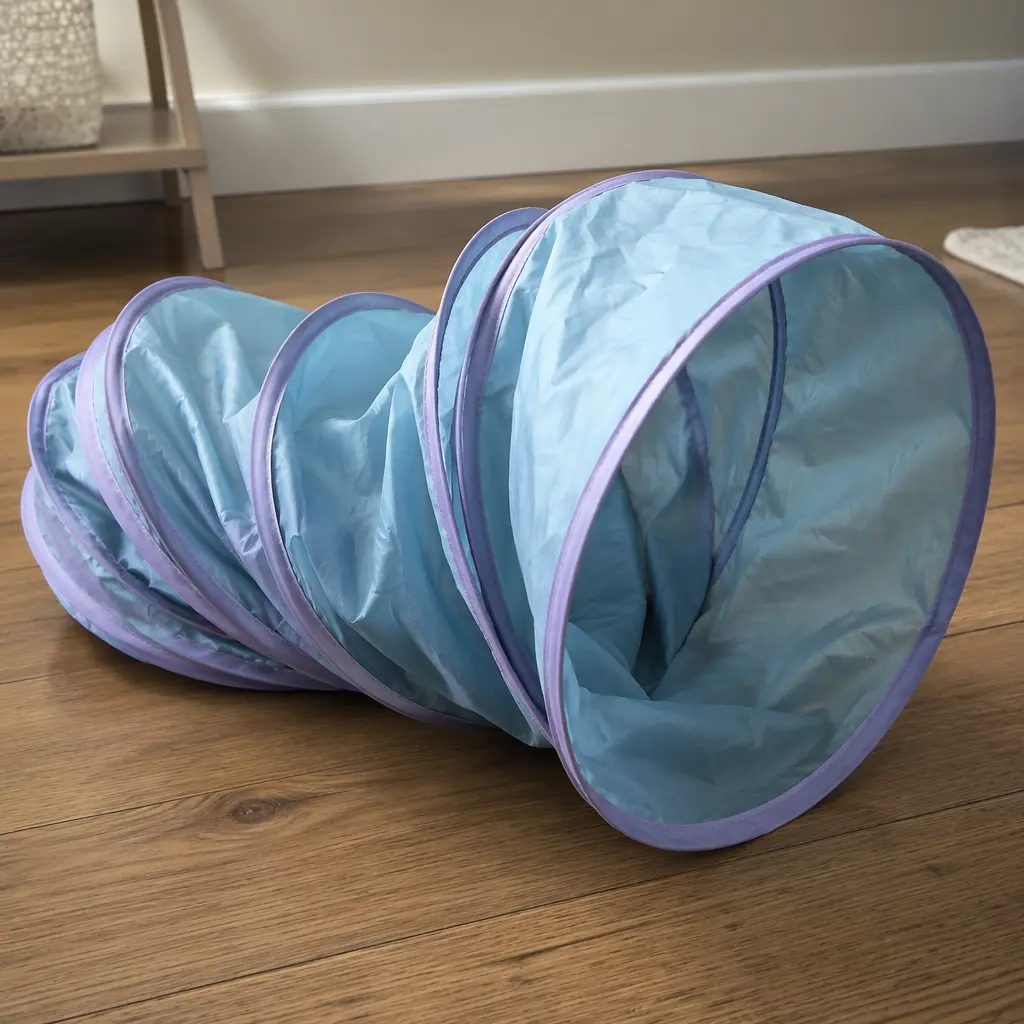
By the time pop‑up tent technology became cheap and reliable, play tunnels were a natural next step. Lightweight spring steel rings allowed long tubes to fold down in seconds, making them easy to store in flats and family homes. The result was a modern toy with no batteries, no screens, and almost no learning curve—just crawl in and go.
Why it works
Play tunnels succeed because they tap into several core play instincts at once. Crawling through a tunnel is physical without being overwhelming, imaginative without needing instructions, and private without being isolating. Children get the thrill of hiding while still feeling safe, thanks to the soft fabric and open ends.
From a design perspective, the best tunnels stay out of the way. They don’t dictate a story or a goal. Instead, they become whatever a child needs that day: a cave, a rocket launch tube, a secret passage, or simply a place to roll through again and again.
- Enclosed space that supports hide-and-seek and imaginative play
- Crawling motion that builds coordination and body awareness
- Soft materials that feel safe for toddlers and preschoolers
- Open-ended design that works alone or with other toys
Who it’s for
Play tunnels are typically aimed at toddlers and preschoolers, roughly ages one to five, when crawling, scooting, and squeezing through spaces are especially appealing. That said, older children often return to them during imaginative games or when combined with tents, cushions, or obstacle courses. Even adults notice the appeal: the tunnel becomes a manageable way to encourage movement on rainy days without setting up a full play gym.
Variants and what to look for today
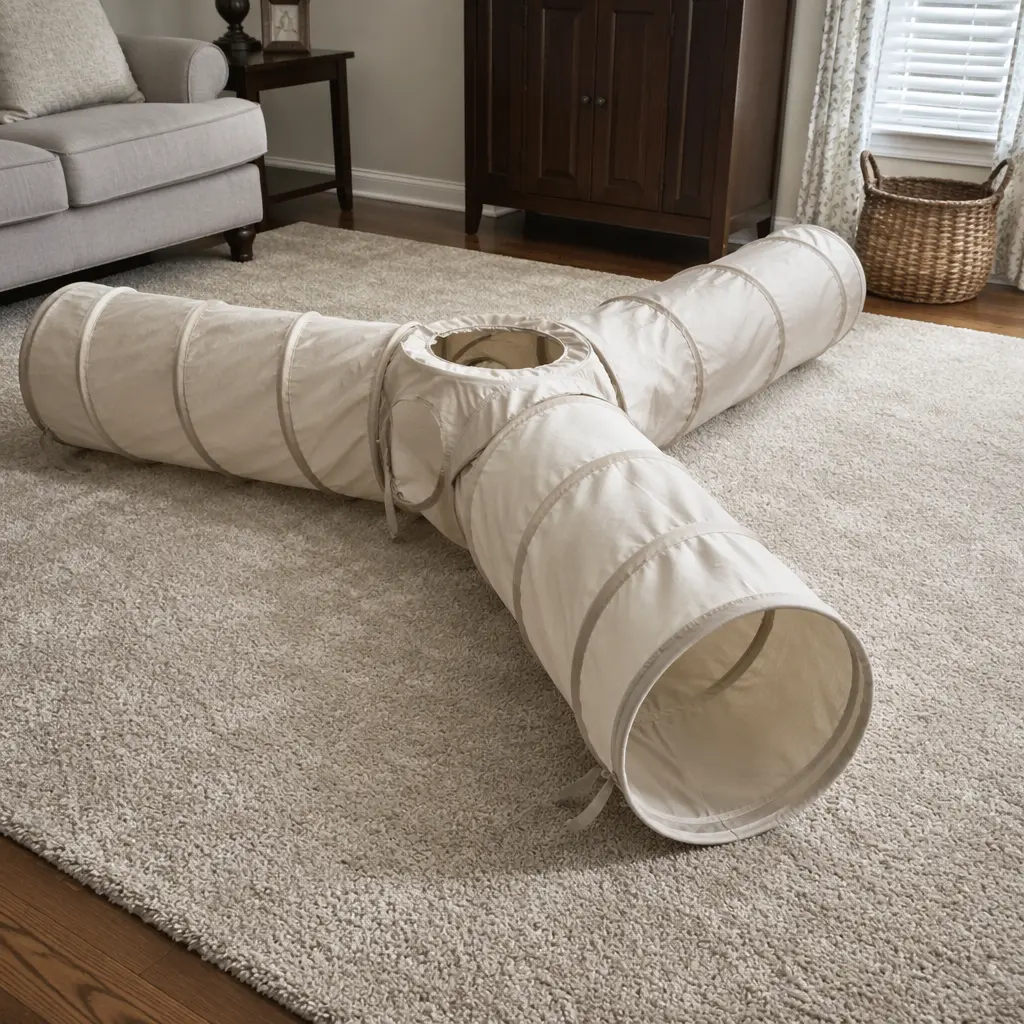
Modern play tunnels come in a wide range of lengths, diameters, and fabrics. Some are short and wide for early crawlers, while others stretch long enough to feel like a real expedition. Mesh panels are common and useful, letting parents keep an eye on what’s happening inside while improving airflow.
Many families end up with tunnel-and-tent combinations or sets designed to connect multiple pieces together. These can be fun, but the core principles still matter: sturdy stitching, flexible rings that snap back into shape, and fabric that can handle being stepped on or folded repeatedly. Very cheap versions may lose their shape quickly or have rough seams that aren’t pleasant for little hands.
Frequently asked questions
Are play tunnels safe for toddlers?
Most play tunnels are designed with toddlers in mind, using soft fabric and rounded spring steel frames. Mesh panels help with visibility and airflow. As with any enclosed toy, adult supervision is important, especially for very young children.
Do play tunnels work outdoors?
They can, but they’re best suited to dry, calm conditions. Fabric tunnels can pick up dirt easily and may blow around in strong wind. If used outside, it helps to clean and dry them thoroughly before bringing them back indoors.
How do you clean a fabric play tunnel?
Many tunnels can be wiped down with a damp cloth or spot-cleaned. Some have removable covers that can be gently hand-washed. Always check the care instructions, as machine washing can damage the internal rings.
Will kids get bored of a play tunnel quickly?
On its own, a tunnel is simple—but that’s often its strength. Children tend to revisit it when their play needs movement or privacy. Pairing it with cushions, balls, or a tent can refresh interest over time.
In a world of noisy, flashing toys, the play tunnel stands out by doing very little. It trusts children to supply the action and imagination themselves. That simplicity is why, years after pop‑up designs first appeared, the humble fabric tunnel still earns a permanent spot in playrooms and living rooms alike.