Playmobil Victorian Dollhouse and the Rise of Slow Play
The Playmobil Victorian Dollhouse turned detailed miniature living into long-form storytelling, blending collectible design, open-ended play, and room-by-room world building for children and adults alike.
Compare prices and availability
Check current prices and availability for this guide on eBay.
As an eBay Partner, we may be compensated if you make a purchase.
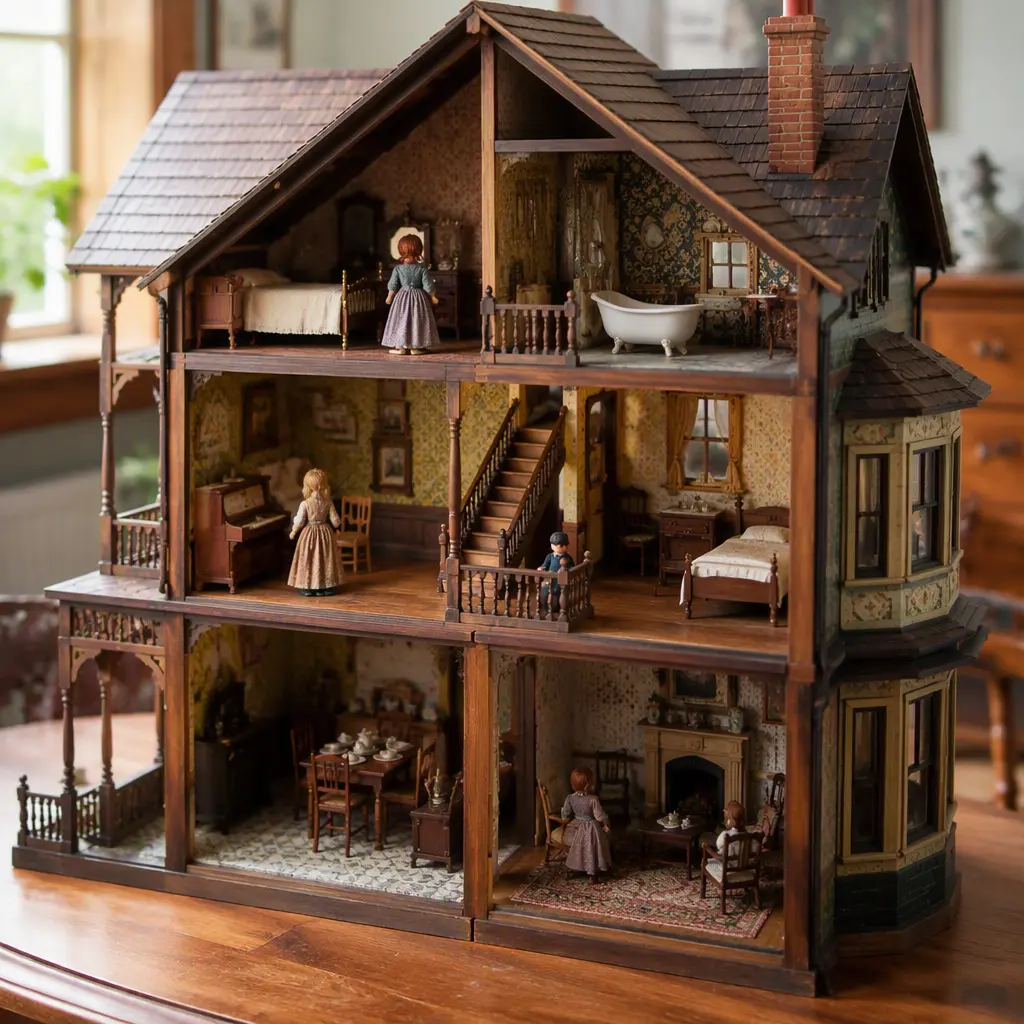
The Playmobil Victorian Dollhouse arrived at a moment when many children's toys were becoming louder, faster, and more screen-driven. Instead of chasing speed, it leaned into detail. Rooms could be decorated piece by piece, characters could be assigned personalities, and stories could unfold slowly over hours or even weeks. For many families, the appeal was not just the house itself but the sense of an ongoing world that children could return to every day. That made the Victorian Dollhouse line stand out within modern pretend play: it encouraged continuity, planning, and imaginative storytelling rather than one-off action scenes.
Where it came from
Playmobil itself dates back to the 1970s, when German inventor Hans Beck developed a simple toy figure designed around movement and imagination rather than electronics. The company became known for themed play systems built around small articulated figures, accessories, and modular environments. By the late 1990s and early 2000s, Playmobil was expanding beyond castles, farms, and pirate ships into more elaborate domestic settings. The Victorian Dollhouse line emerged during this period, reflecting both an interest in historical aesthetics and a growing market for highly detailed role-play environments.
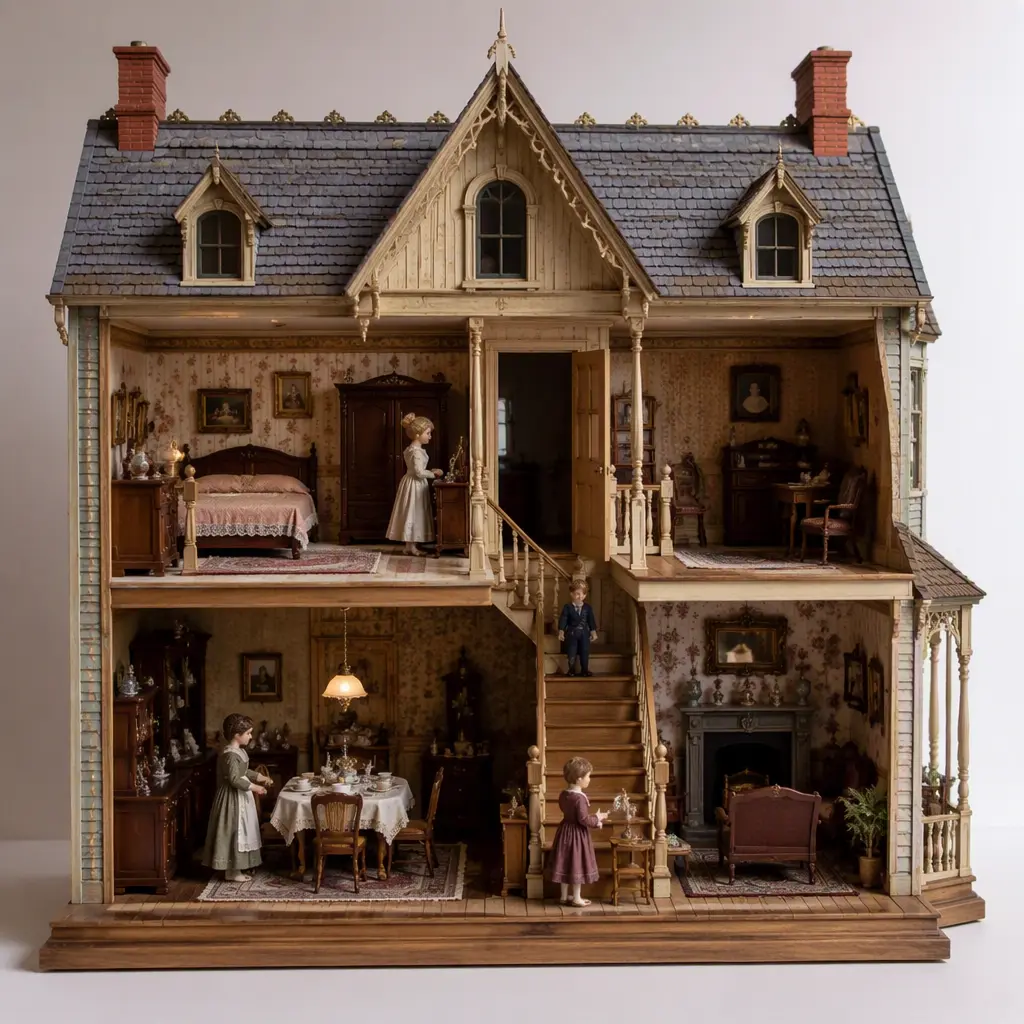
Although inspired by nineteenth-century architecture and décor, the toy was never meant to function as a strict historical replica. Instead, it used the visual language of a Victorian home — ornate staircases, patterned furniture, formal dining rooms, nursery spaces, and layered decoration — to create a rich backdrop for storytelling. Children could stage everyday routines, dramatic family events, holiday scenes, or completely invented narratives. The modular structure also matched Playmobil's long-running strategy of expandable worlds. Families often added extra rooms, garden spaces, kitchens, lighting elements, or carriage accessories over time, extending the life of the set far beyond a single holiday season.
Why it works
The Victorian Dollhouse succeeded because it transformed pretend play into a form of world building. Unlike many dollhouses that focus mainly on display, Playmobil's design balanced realism with durability. The figures could sit, hold accessories, and move easily through rooms. Furniture was detailed enough to feel immersive without becoming too delicate for regular handling. This combination encouraged active storytelling rather than careful preservation.
Another reason the line endured was its flexibility. Children could follow familiar routines like cooking dinner or putting toy babies to bed, but they could also create mysteries, celebrations, arguments, vacations, or entirely fictional scenarios. The house became a stage set that adapted to changing interests and developmental stages. Younger children often focused on simple role-play, while older kids layered in social dynamics and longer narratives. Many adult collectors later appreciated the sets for the same reason: every room suggested another story waiting to happen.
- Expandable room-by-room design encourages long-term play
- Articulated figures interact naturally with furniture and accessories
- Detailed interiors reward close observation and imaginative setup
- Historical styling adds atmosphere without requiring strict realism
- Mix-and-match accessories support evolving stories over time
Who it's for
The Victorian Dollhouse generally appeals to children who enjoy structured imaginative play rather than competitive games or fast-paced action toys. School-age children often get the most from it because they can organize rooms, manage multiple characters, and sustain longer stories across repeated play sessions. Parents frequently appreciate that the toy supports independent play while also working well as a shared activity between siblings or generations. Adult collectors have also helped keep interest alive, particularly among people drawn to miniatures, interior design, and nostalgic toy photography. Even today, complete dollhouse displays often appear in hobby rooms and collector showcases because the visual detail remains distinctive.
Variants and what to look for today
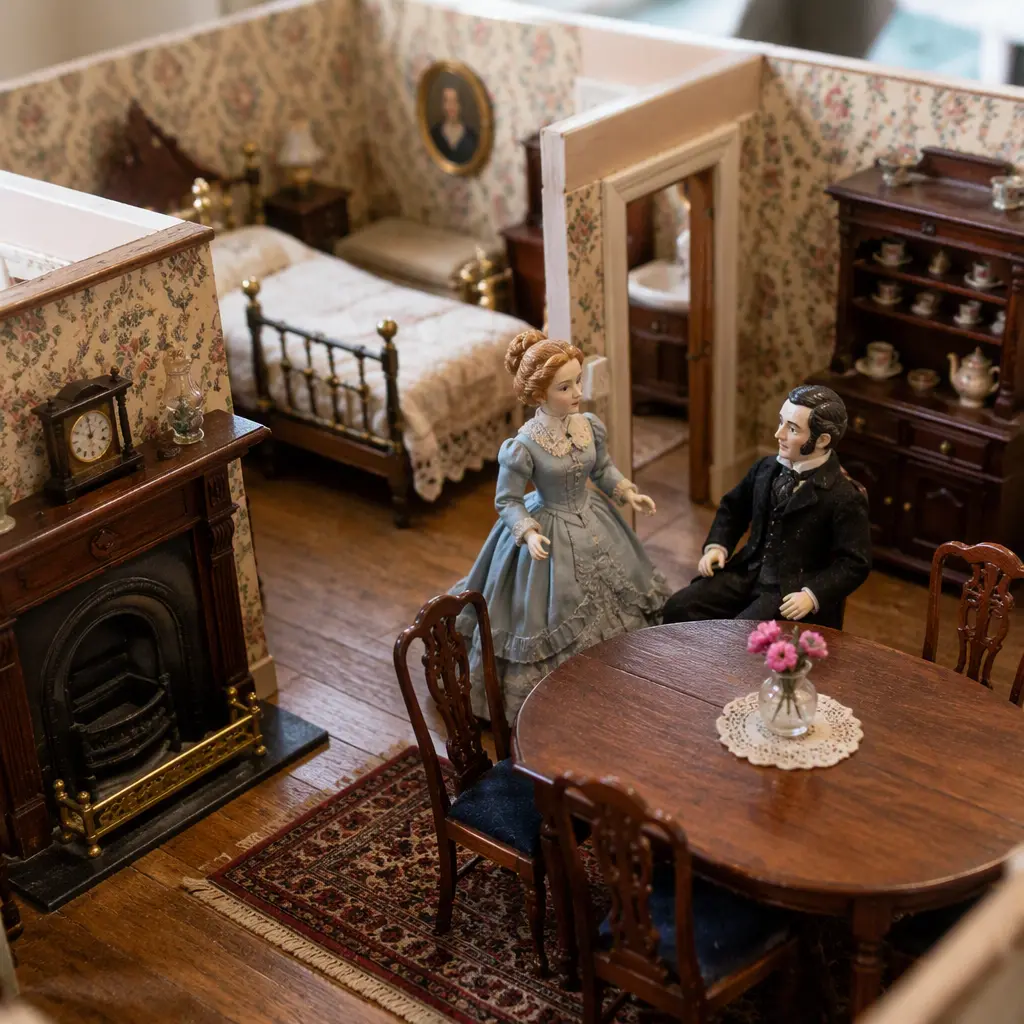
Over the years, Playmobil released multiple versions and expansions connected to the Victorian Dollhouse theme. Some focused on complete homes, while others added individual room sets, family figures, garden areas, lighting accessories, or horse-and-carriage elements. Newer editions often introduced brighter colours or simplified assembly, while older sets sometimes featured more muted palettes and heavier decorative detailing. Because the system remained largely compatible across releases, collectors and children could usually combine pieces from different generations without much difficulty.
When shopping today, condition matters more than rarity claims. Many secondhand sets are missing small accessories such as dishes, lamps, railings, or tiny decorative pieces. Buyers looking for a complete play experience should check whether rooms still include their original furniture groupings. Modern reproductions and unofficial accessory packs also exist, but fit and durability can vary widely. Families planning regular play often benefit from choosing sturdier, well-maintained used sets over display-only collections with fragile or incomplete components.
- Look for complete room furniture and staircase pieces
- Check figure joints and hand grips for wear
- Verify compatibility when mixing older and newer sets
- Inspect small accessories carefully in secondhand bundles
- Choose washable, durable pieces for regular family play
Frequently asked questions
Is the Victorian Dollhouse mainly a collector toy?
No. While collectors remain interested in older sets, the line was designed first as an interactive play system. Most versions are sturdy enough for regular handling and imaginative play.
What makes Playmobil dollhouses different from traditional dollhouses?
Traditional dollhouses are often scaled for display or delicate miniature collecting. Playmobil combined detailed environments with movable figures and child-friendly durability, making the sets easier to play with actively.
Can newer Playmobil figures and furniture work with older dollhouses?
In many cases, yes. One of Playmobil's strengths has been long-term compatibility across themes and generations. Accessories from different eras can usually be mixed together successfully.
Why do children spend so much time arranging rooms?
Part of the appeal comes from control and personalization. Rearranging furniture, assigning roles, and changing room layouts allows children to shape the environment alongside the stories they create.
The Playmobil Victorian Dollhouse endures because it treats imaginative play as something expansive rather than disposable. Its appeal comes from layers: architecture, decoration, storytelling, collecting, and routine role-play all exist within the same toy family. In an era often dominated by quick entertainment cycles, the dollhouse offered a slower and more deliberate kind of creativity. That balance between detail and openness is what continues to make it memorable for both children and adults.