Poketomo AI Companion Robot and the Rise of Pocket AI Toys
Poketomo is part toy, part conversational gadget: a pocket-sized AI companion aimed at teens and adults. Its appeal comes from portable chat, expressive reactions and app-connected personalization.
Compare prices and availability
Check current prices and availability for this guide on eBay.
As an eBay Partner, we may be compensated if you make a purchase.
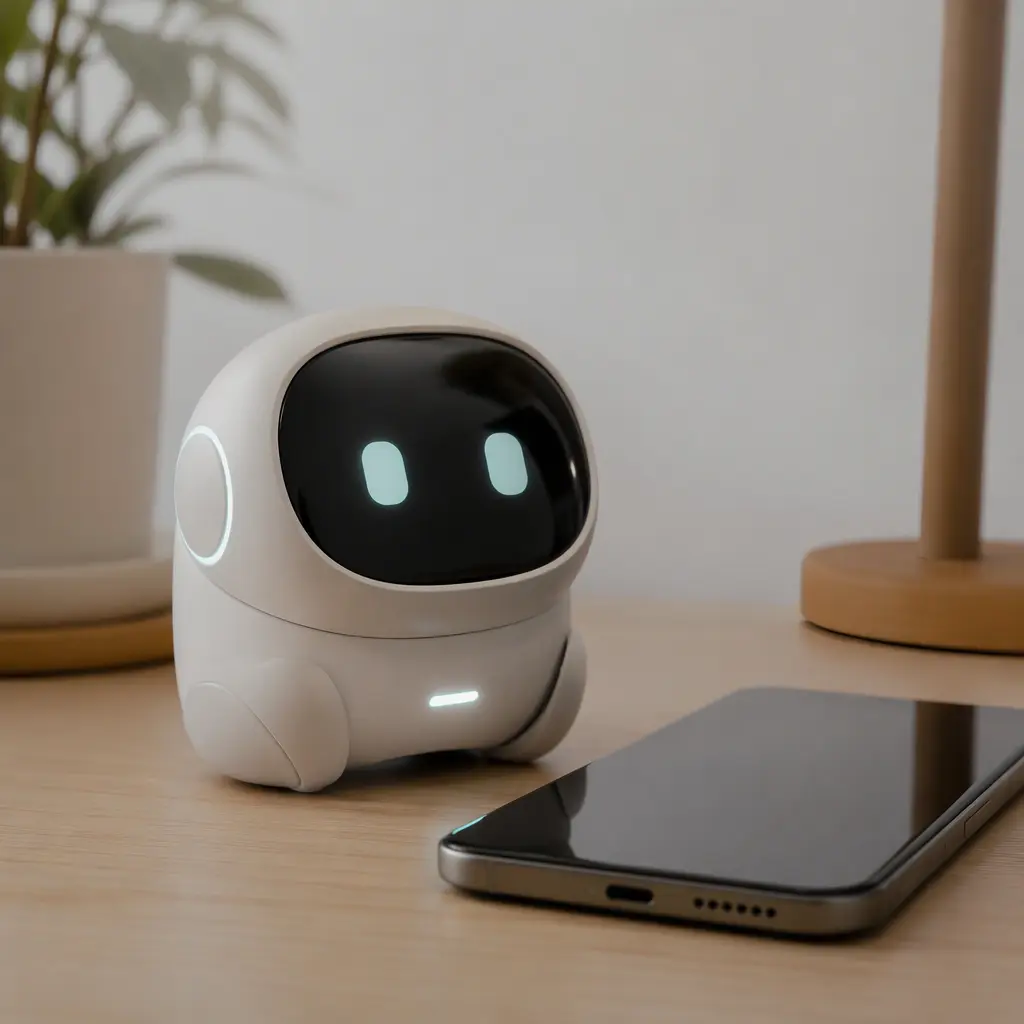
Poketomo sits in a growing category of connected companion gadgets that blend toy design with conversational AI. Small enough to carry in a pocket or bag, the device is positioned less like a traditional programmable robot and more like a social tech accessory for teens and adults who enjoy lightweight digital interaction. Its appeal comes from portability and personality: short conversations, reactions, reminders and app-linked customization are central to the experience rather than complex robotics or educational coding.
Where it came from
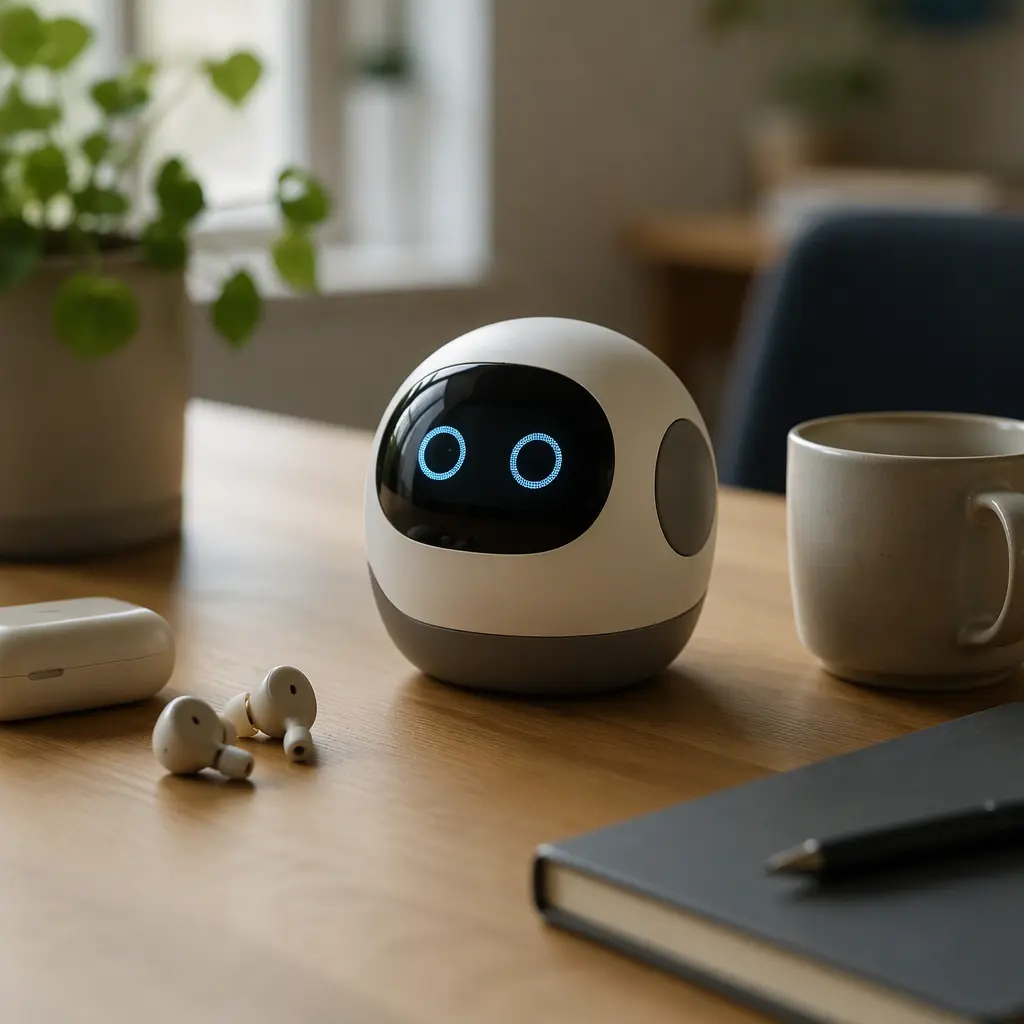
Pocket companion devices have existed for decades in different forms, from virtual pets and digital assistants to desktop robots with scripted voice lines. Poketomo arrives during a period when generative AI systems have made conversational interaction more flexible and natural sounding than earlier toy robots. Instead of relying entirely on preset responses, newer AI-linked products can draw from cloud-based language systems to produce less repetitive exchanges.
As a contemporary release associated with the 2026 wave of AI consumer gadgets, Poketomo reflects the broader push toward portable AI hardware. Manufacturers in this category often market these products as lifestyle companions or everyday conversational devices rather than educational tools. That distinction matters because the experience depends heavily on internet services, speech processing and mobile apps instead of stand-alone robotics. Availability can also vary by region, with some features launching first in select countries or languages before wider rollout.
Why it works
The core interaction loop is simple: users speak, tap or trigger prompts, and the robot responds with voice, movement, lights or app-linked conversation. That simplicity is part of the appeal. Unlike larger hobby robots that demand setup space or technical learning, a pocket companion is designed for quick moments throughout the day. The portability changes how the device is used. It can sit on a desk during work, travel in a coat pocket or act as a novelty conversation piece during commutes and downtime.
Much of the product category's appeal comes from perceived personality. Small physical gestures, animated expressions and conversational callbacks can make interactions feel more engaging than a standard voice assistant. At the same time, buyers should understand that these systems are still limited by microphones, speakers, connectivity and moderation systems. Responses may be generated dynamically in some situations and scripted in others, depending on the feature being used.
- Pocket-sized design intended for portable everyday use
- Voice interaction combined with lights, movement or animated expressions
- App connectivity for setup, updates and personalization
- Cloud-linked conversational features rather than fully offline AI
- Rechargeable battery operation typical of compact electronic companions
- Social and novelty appeal aimed at older kids, teens and adults
Who it's for
Poketomo is best viewed as a connected lifestyle gadget for tech-curious users aged 13 and up rather than a preschool toy. Teenagers and young adults may be drawn to the conversational novelty and collectible design, while adults interested in emerging AI hardware may see it as part of the broader shift toward personal AI devices. Younger children would likely need supervision because connected AI systems can produce unpredictable responses and may require linked accounts, app permissions or online services. Buyers expecting a therapeutic device or reliable emotional-support tool should approach marketing claims carefully; companion-style interaction does not replace professional support, and manufacturers generally position these products as entertainment or lifestyle electronics.
Variants and what to look for today
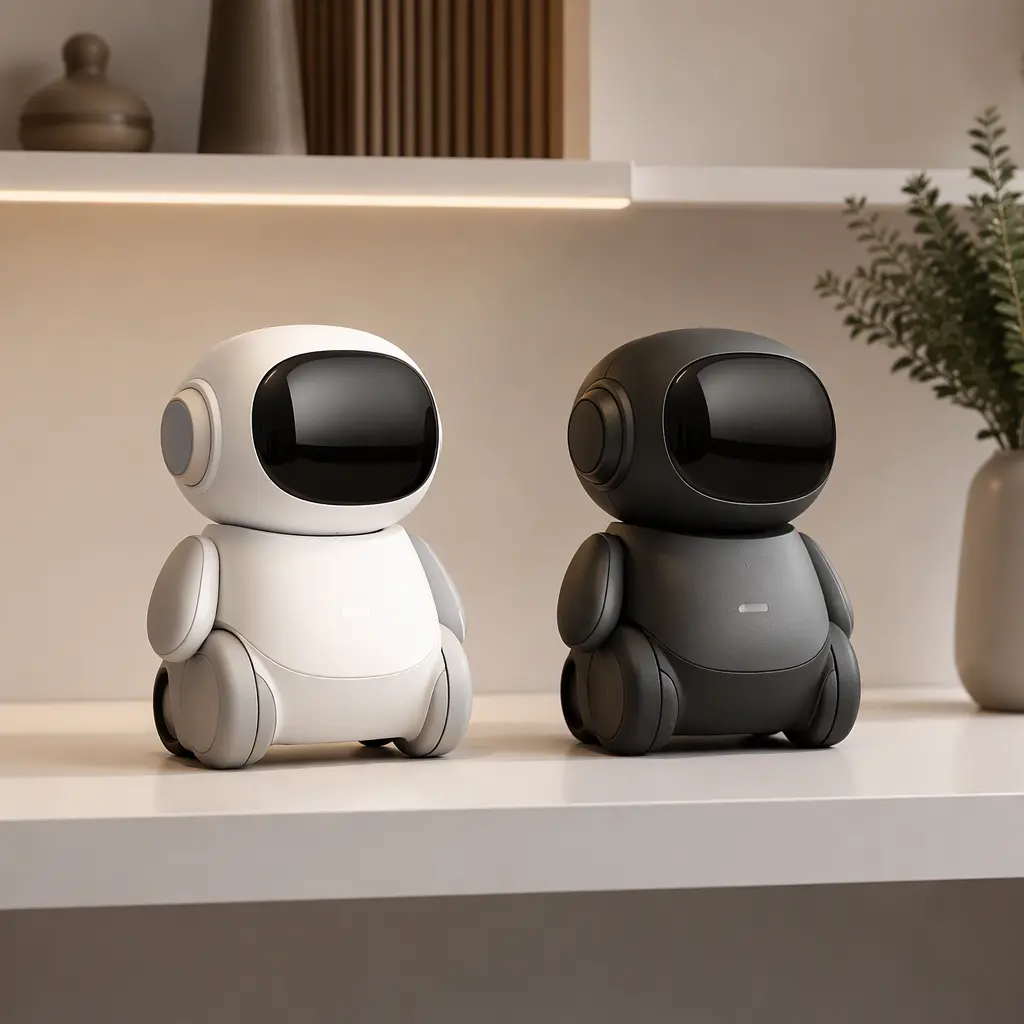
Because the AI companion category moves quickly, prospective buyers should pay close attention to software support and regional compatibility instead of focusing only on hardware appearance. Devices in this space often rely on smartphone apps and cloud processing, meaning the long-term experience depends on ongoing updates and server availability. Features demonstrated in promotional videos may also vary by language or territory.
For UK buyers, availability may depend on direct imports, limited regional launches or selected online retailers. It is worth confirming whether English-language support is complete, whether companion apps are available through UK app stores and whether warranty support applies locally. Some AI features may require account registration, Wi‑Fi or Bluetooth pairing and ongoing subscriptions or usage plans. Manufacturers sometimes separate basic offline functions from advanced conversational tools tied to cloud services.
- Check which languages are fully supported before buying
- Confirm app availability on iOS or Android devices in your region
- Look for clear information about subscriptions or paid AI usage
- Review microphone and data-handling policies carefully
- Be cautious around extremely cheap imitation devices with unclear support
- Verify charger compatibility and regional power accessories for imported units
Frequently asked questions
Does Poketomo work without the internet?
Some companion robots can perform limited offline actions such as simple animations, alarms or preset responses, but conversational AI features typically depend on internet connectivity. Buyers should expect reduced functionality if Wi‑Fi or mobile-linked access is unavailable.
Is Poketomo using generative AI?
Products in this category may combine scripted interactions with generative AI systems. Scripted content can provide consistent responses and character behavior, while cloud-based AI tools may generate more open-ended conversation. Manufacturers do not always separate these functions clearly in marketing.
Are there recurring costs?
Some AI companion products include optional subscriptions, usage tiers or paid cloud features for expanded conversations and updates. Availability and pricing can vary by region, so buyers should review current terms before purchasing rather than assuming all features are included permanently.
Is Poketomo suitable for younger children?
The product category is generally aimed at teens and adults because connected AI conversations can be unpredictable and may involve account systems, app permissions or online moderation limits. Parents should review age guidance and privacy controls before allowing younger users to interact independently.
Poketomo represents a newer kind of toy-tech product: less focused on mechanical complexity and more focused on lightweight conversation and digital companionship. Whether that feels charming or gimmicky will depend on what buyers expect from AI hardware. For people interested in portable connected gadgets, the attraction is easy to understand. The combination of a physical object, expressive reactions and conversational software creates a different experience from using a phone app alone. At the same time, the category remains closely tied to cloud services, regional support and evolving AI policies, making practical details just as important as personality when deciding whether one belongs in your pocket.