Poo-Chi: The robotic puppy that bridged toys and smart tech
Poo-Chi arrived in 2000 as a low-cost robotic pet with sounds, sensors, and personality. Its mix of simple robotics and expressive behavior hinted at the connected toys that would soon follow.
Compare prices and availability
Check current prices and availability for this guide on eBay.
As an eBay Partner, we may be compensated if you make a purchase.
At the start of the 2000s, interactive toys were entering a new phase. Children had already seen virtual pets and simple talking dolls, but Poo-Chi brought something different to the toy aisle: a robotic puppy with moving legs, light-up eyes, touch sensors, and enough personality to feel surprisingly alive. Produced during a period when consumer electronics were rapidly shrinking and becoming cheaper, the toy arrived just before smartphones and tablets transformed expectations around digital play. Poo-Chi now stands as an interesting snapshot of a transition era, when robotics still felt futuristic but accessible enough to sit under a holiday tree.
Where it came from
Poo-Chi was introduced in 2000 by Sega Toys and distributed internationally through partnerships with major toy companies. The toy emerged during a wave of interest in affordable robotics, following higher-end products that demonstrated what consumer robot pets could do. Unlike expensive experimental robots aimed at technology enthusiasts, Poo-Chi was designed for mainstream families and children. It reduced complex robotics into a compact, durable form that could react to sound, movement, and touch without requiring a computer or internet connection.
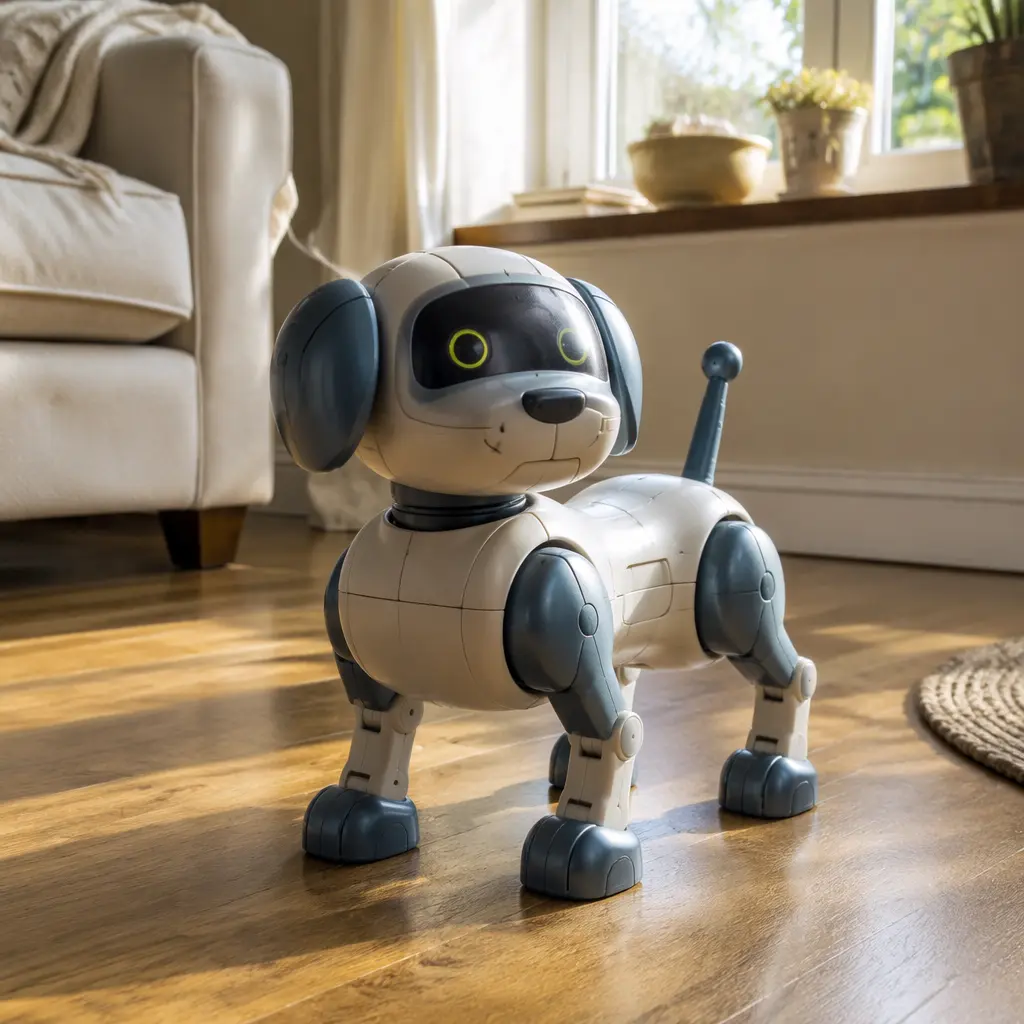
The timing mattered. Electronic pets had already become a cultural phenomenon in the late 1990s, but many relied on screens or button-based interaction. Poo-Chi moved beyond that formula by encouraging physical engagement. Children could clap, pet the toy, talk to it, or place it near another robotic pet. It responded with movements, electronic barking sounds, and changing eye patterns displayed through LEDs. While primitive by modern standards, the illusion worked because the toy emphasized expressive behavior rather than realism.
Why it works
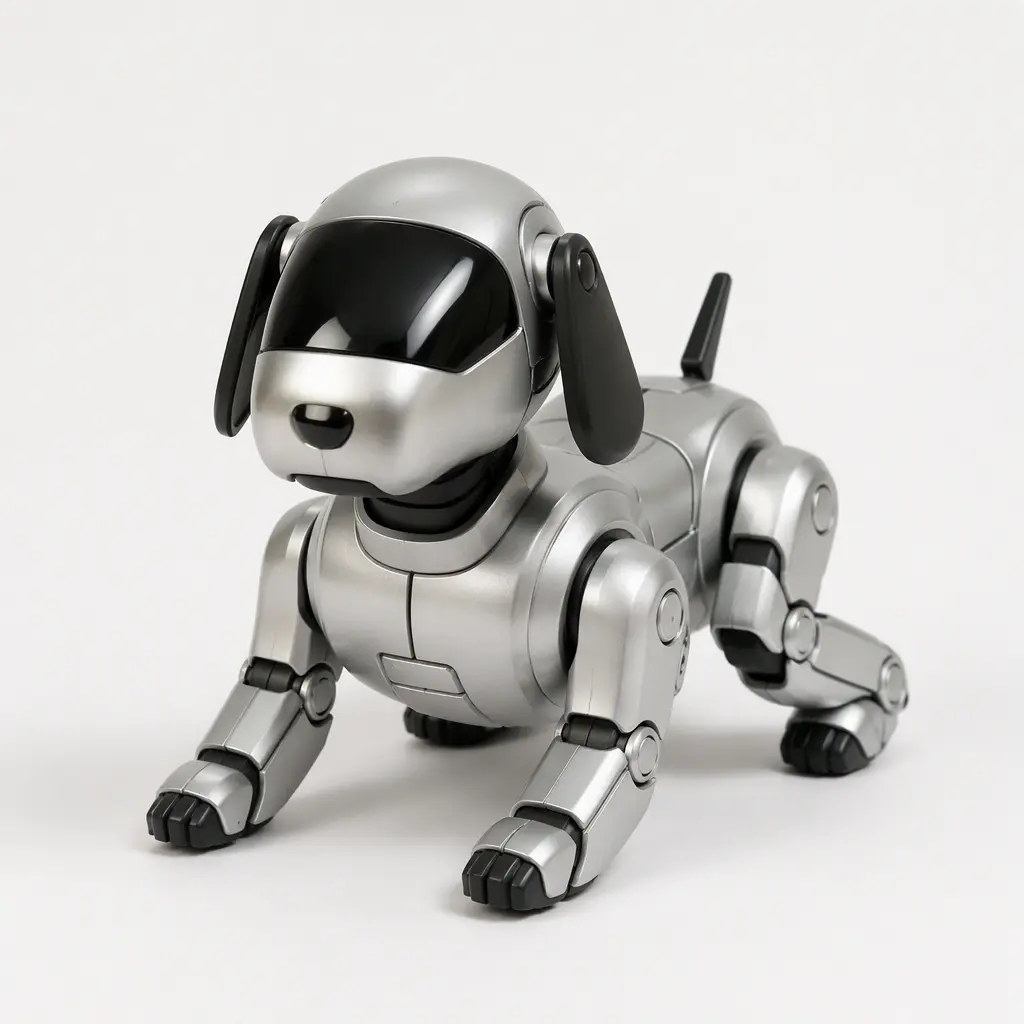
Poo-Chi succeeded because it balanced technology with simplicity. The toy was recognizable immediately as a puppy, but its stylized robotic appearance avoided the uncanny look that many electronic pets struggled with at the time. The segmented body, oversized feet, and glowing eyes turned technical limitations into part of the design language. Instead of trying to imitate a real dog perfectly, it embraced its identity as a machine with personality.
Its play pattern was also unusually open-ended for an electronic toy of the era. There was no score to chase, app to install, or fixed storyline. Children experimented with interactions and discovered behaviors over time. The toy rewarded curiosity through movement and sound cues, giving owners the feeling that they were building a relationship rather than completing a task. For many families, it also offered a low-maintenance alternative to a real pet, especially in apartments or households not ready for animal care.
- Touch and sound sensors that triggered reactions
- LED eyes used to display mood and emotion
- Motorized walking and dancing movements
- Ability to interact with compatible robotic pets
- Compact battery-powered design suitable for travel and floor play
Who it's for
Originally, Poo-Chi targeted elementary-school children who were curious about gadgets and animals at the same time. Younger children enjoyed the sounds and movement, while slightly older kids became interested in discovering hidden reactions and interactions. Adults who grew up during the early 2000s now revisit the toy for nostalgia, often viewing it as part of a broader shift toward connected and responsive entertainment. Collectors of electronic toys also appreciate Poo-Chi as an example of consumer robotics before wireless apps and voice assistants became common household technology.
Variants and what to look for today
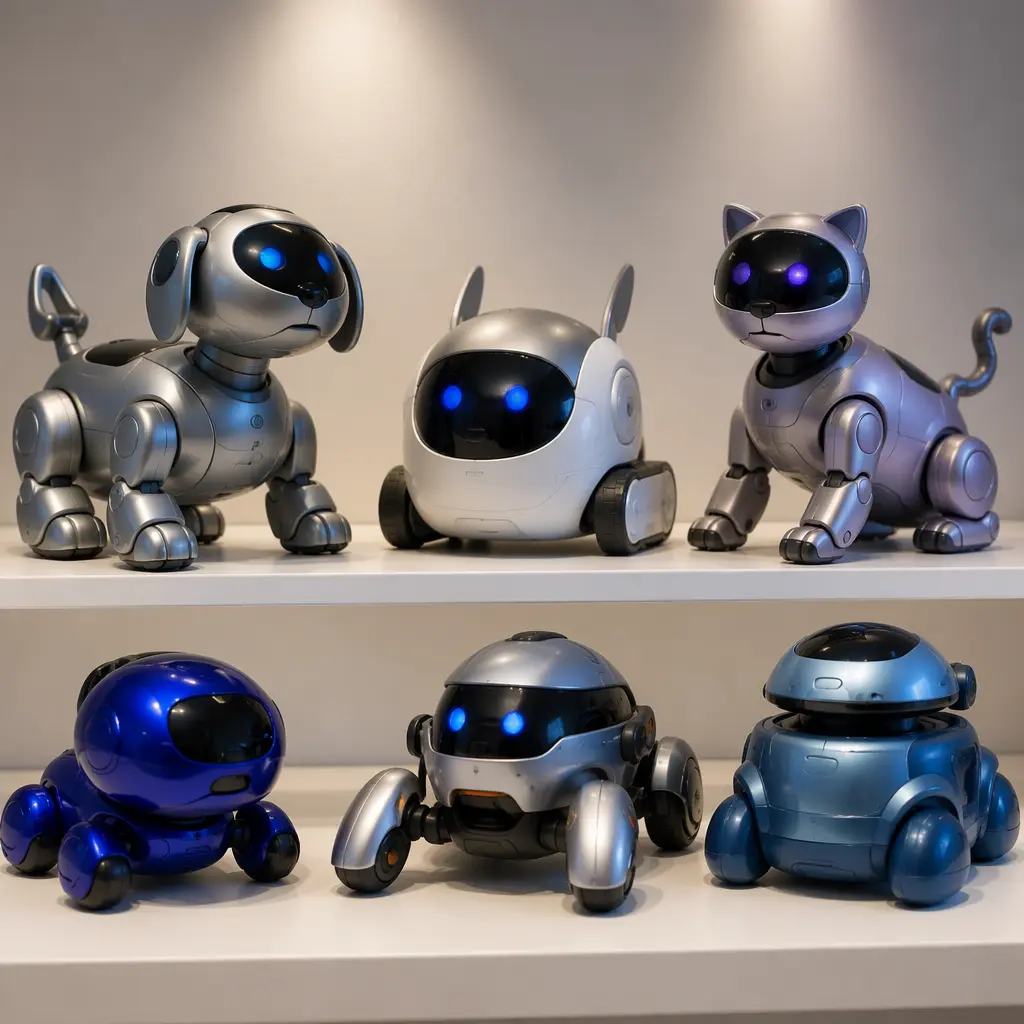
As the toy gained popularity, additional robotic pets and themed variations appeared. Some versions changed colors or slightly altered the sounds and accessories, while companion toys expanded the idea into cats and other robotic animals. The broader appeal came from the fact that these toys could often recognize one another and react in simple ways, creating the feeling of a tiny robotic ecosystem in a child's bedroom or living room.
Modern buyers usually encounter Poo-Chi through secondhand marketplaces, retro toy conventions, or electronics collectors. Condition matters more than packaging. Because the toy depends on motors, speakers, and battery compartments, working examples are more desirable than sealed but untested ones. Buyers should also check for corrosion from old batteries and listen for strained motor sounds, which can indicate wear after years of storage.
- Look for clean battery compartments without corrosion
- Test movement, sound, and light functions if possible
- Expect cosmetic scratches on metallic plastic surfaces
- Be cautious of incomplete sets missing tails or accessories
- Compare body joints and feet for signs of cracking or stress
Frequently asked questions
Was Poo-Chi considered advanced for its time?
For a mass-market toy in 2000, yes. It combined sensors, motors, sound, and expressive lighting in a package affordable enough for mainstream retail. While simple compared to modern smart devices, it delivered interactive behavior that felt fresh and responsive at the time.
Did Poo-Chi connect to the internet or use apps?
No. Poo-Chi was fully self-contained and battery-powered. All interactions happened through onboard sensors and programmed responses, which is part of why the toy now feels distinctly tied to the pre-smartphone era.
Why do collectors still care about it?
Collectors often see Poo-Chi as an early bridge between classic electronic pets and later smart robotics. It captured a moment when toy companies experimented with personality-driven technology without relying on screens or subscriptions.
Are old Poo-Chi toys still playable?
Many surviving units still function, although aging motors and battery damage can affect reliability. Because the toy was built for active play rather than display alone, working examples remain surprisingly common when stored carefully.
Poo-Chi arrived at a unique moment in toy history. It carried traces of the virtual pet craze of the late 1990s while previewing the responsive, personality-based technology that would soon become normal in homes and devices everywhere. Its movements were simple, its sounds were synthetic, and its programming was limited, yet the toy succeeded because it made interaction feel personal. More than two decades later, it remains a recognizable symbol of the brief period when robotic pets felt like a glimpse of the future rather than just another app-connected gadget.