RC Stunt Cars: How flipping toy cars led kids into hobby RC
RC stunt cars turned simple remote-control driving into a fast, crash-friendly spectacle. Their flips, spins, and durable designs helped introduce a generation to hobby-style RC play.
Compare prices and availability
Check current prices and availability for this guide on eBay.
As an eBay Partner, we may be compensated if you make a purchase.
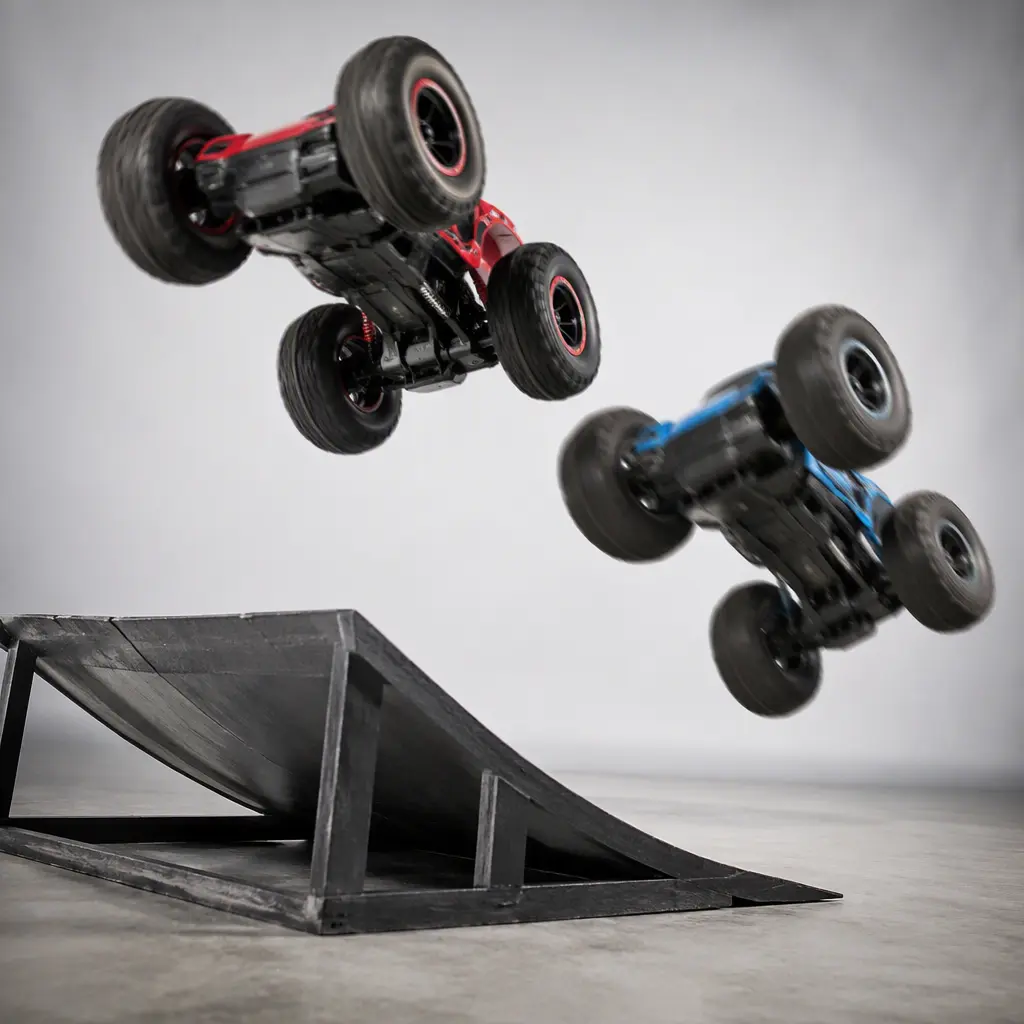
RC stunt cars sit at the crossroads between toy-store remote controls and more serious hobby-grade radio-controlled vehicles. Unlike traditional RC cars that focus on speed or careful steering, stunt cars are built to tumble, spin, flip, and keep driving after hard impacts. Their appeal comes from turning crashes into part of the fun. For many children, they became the first remote-control toy that felt unpredictable, physical, and closer to extreme sports than careful racing.
Where it came from
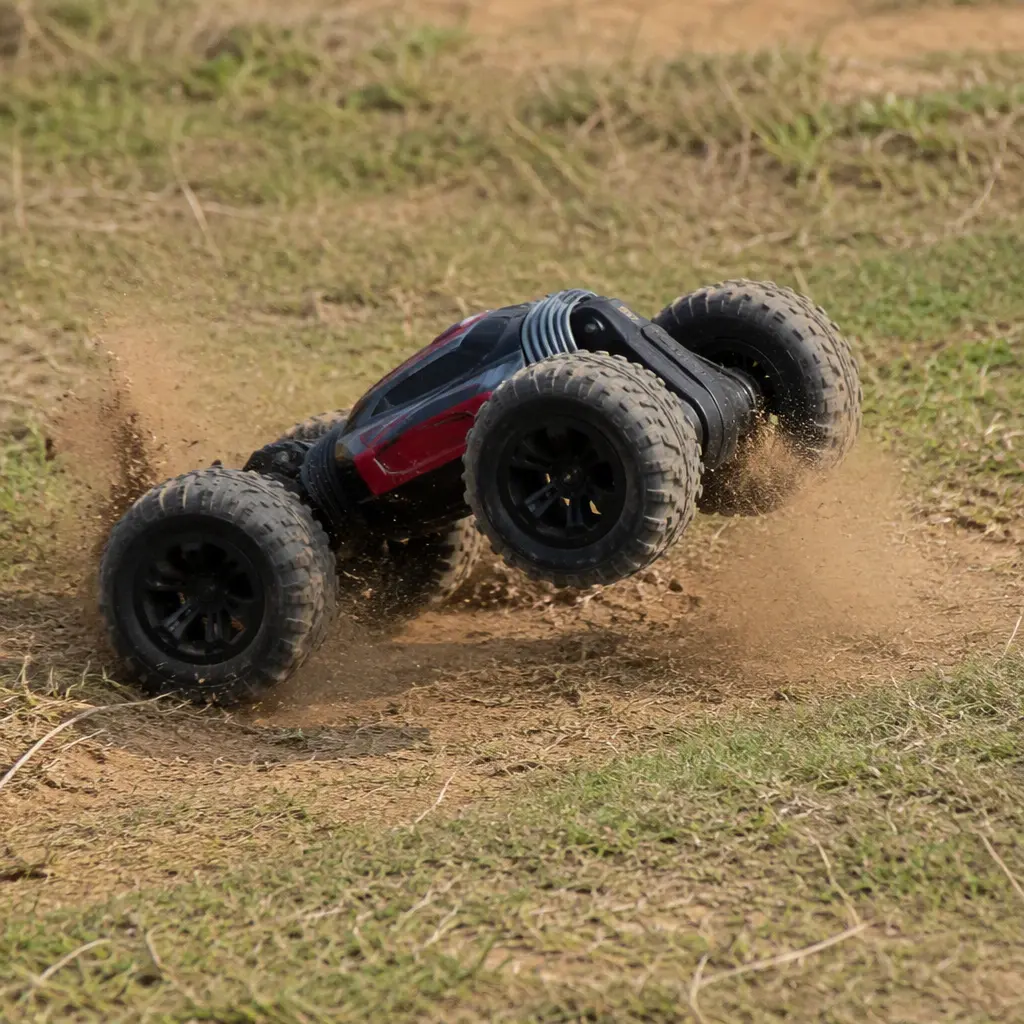
Remote-control toy cars have existed for decades, but the stunt-car category grew rapidly during the late 1990s and early 2000s as toy makers searched for ways to make RC play more durable and more exciting indoors and outdoors. Earlier RC cars often struggled with curbs, furniture, and rough treatment. Stunt cars changed the formula by treating flips and collisions as expected parts of play rather than failures.
Advances in rechargeable batteries, lightweight plastics, compact electric motors, and larger rubber tires helped manufacturers create vehicles that could survive repeated impacts while still moving quickly. Some designs introduced double-sided bodies that kept driving after rolling over. Others added spinning axles, articulated wheels, or exaggerated suspension systems. The result was a category that borrowed visual ideas from monster trucks, skateboarding, and televised extreme sports while remaining approachable for younger users.
Why it works
The core appeal of RC stunt cars is immediate feedback. A child does not need precise steering skills to enjoy them. Most models can bounce off obstacles, recover from flips, and continue moving. That lowers frustration and encourages experimentation. Players quickly discover ramps, stairs, sidewalks, and household objects that can become part of an improvised obstacle course.
Stunt cars also introduced many families to concepts normally associated with hobby RC vehicles, including battery charging, radio frequency control, tire grip, suspension movement, and terrain handling. While simplified compared with enthusiast-grade RC systems, stunt toys gave kids an accessible first look at how vehicle handling changes across surfaces and speeds.
- Large tires and flexible bodies designed to absorb impacts
- Double-sided driving that keeps the car moving after flips
- Simple controls focused on spins, wheelies, and jumps
- Rechargeable battery systems that encouraged repeat play
- Indoor and outdoor versatility across carpet, pavement, and dirt
Who it's for
Most RC stunt cars are aimed at school-age children, especially kids who enjoy energetic physical play and experimentation. Their forgiving design makes them easier for beginners than traditional RC racers that require careful steering or smoother surfaces. Parents often appreciate that stunt cars can survive rough use longer than lightweight toy vehicles. Adults also remain part of the audience. Some collectors enjoy stunt cars as a nostalgic bridge between childhood toys and hobby-grade RC vehicles, while others use them for casual backyard driving without the maintenance demands of competitive RC systems.
Variants and what to look for today
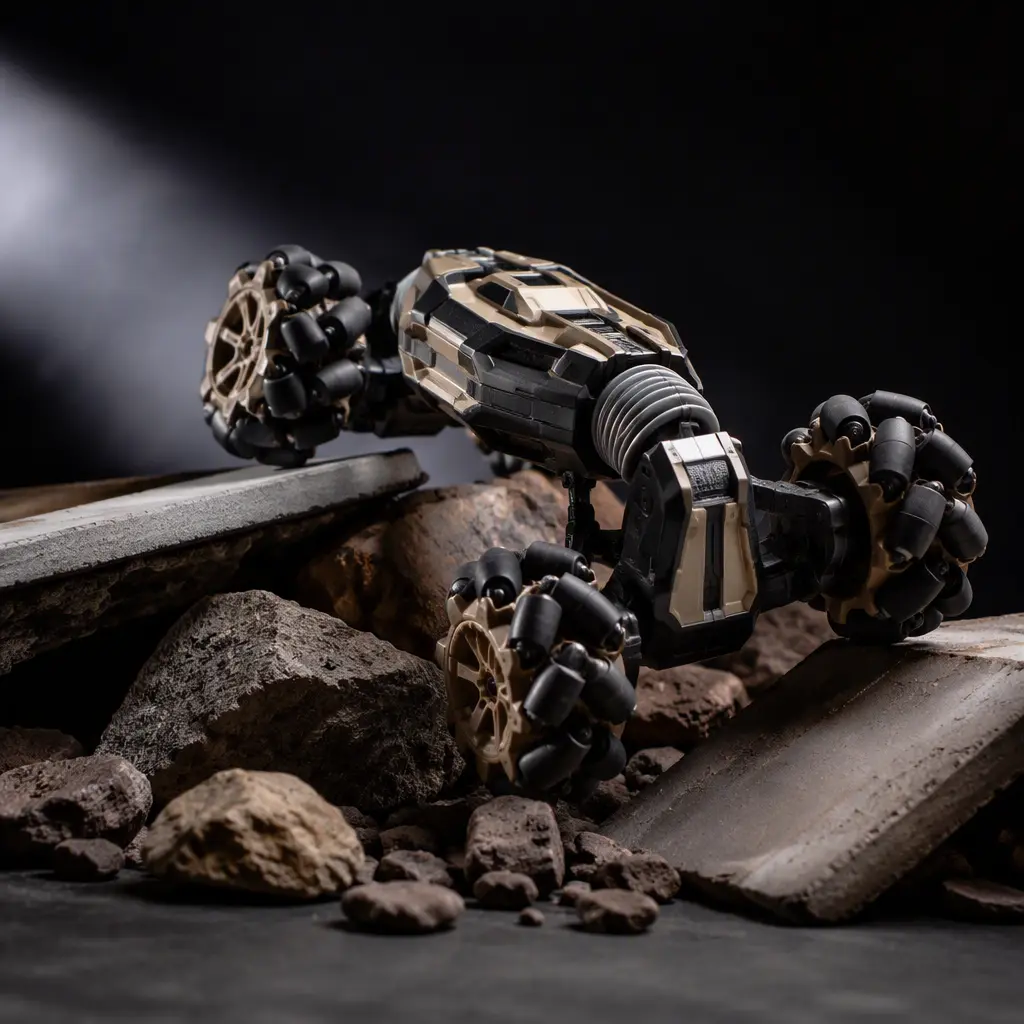
Modern RC stunt cars cover a wide range of sizes and abilities. Entry-level models typically focus on spins, flips, and bright lighting effects, while more advanced versions add stronger motors, all-terrain tires, water resistance, or independent wheel movement. Some designs blur the line between stunt cars and crawler-style RC vehicles by emphasizing climbing ability alongside tricks.
Battery technology has improved significantly compared with earlier generations. Rechargeable USB systems are now common, making repeated use more convenient. Durability also varies widely. Better-built stunt cars usually have thicker suspension arms, more secure wheel mounts, and responsive controls that maintain connection over longer distances.
- Look for rechargeable battery systems instead of disposable-only setups
- Larger wheels generally handle grass and uneven surfaces better
- Double-sided designs reduce interruptions during play
- Responsive steering matters more than maximum advertised speed
- Very lightweight knock-off models may struggle outdoors or break at wheel joints
Frequently asked questions
Are RC stunt cars the same as hobby-grade RC cars?
Not usually. Stunt cars are generally designed for accessibility and durability rather than precision performance. Hobby-grade RC vehicles often offer replaceable parts, higher speeds, and more advanced controls, but stunt cars are simpler for beginners and casual play.
Do stunt cars work well outdoors?
Many do, especially models with oversized rubber tires and sealed electronics. Smooth pavement is easiest, but better stunt cars can also handle dirt paths, short grass, and playground surfaces. Deep grass and mud can still overwhelm smaller vehicles.
Why are double-sided stunt cars so common?
Double-sided bodies solve one of the oldest RC toy frustrations: stopping to flip the car upright. By allowing the vehicle to keep driving after rolling over, manufacturers made stunt play feel faster and less interrupted.
Can RC stunt cars help kids transition into hobby RC?
Yes. They introduce basic remote-control coordination, charging routines, and terrain awareness without demanding the precision or maintenance of enthusiast RC vehicles. Many hobbyists first became interested in RC through durable stunt-oriented toys.
RC stunt cars succeeded because they changed the meaning of failure in remote-control play. Instead of punishing crashes, they encouraged them. That simple shift made RC driving more approachable, more physical, and more entertaining for younger audiences. Even as hobby-grade RC vehicles became more advanced, stunt cars remained a durable gateway category: loud, resilient, and built for experimentation rather than perfection.