Reachy Mini and the New Wave of Open Desktop Robots
Reachy Mini is part of a growing class of expressive desktop robots built around AI interaction, open-source software and maker-friendly design, while openly raising questions about cloud reliance and privacy.

Compare prices and availability
Check current prices and availability for this guide on eBay.
As an eBay Partner, we may be compensated if you make a purchase.
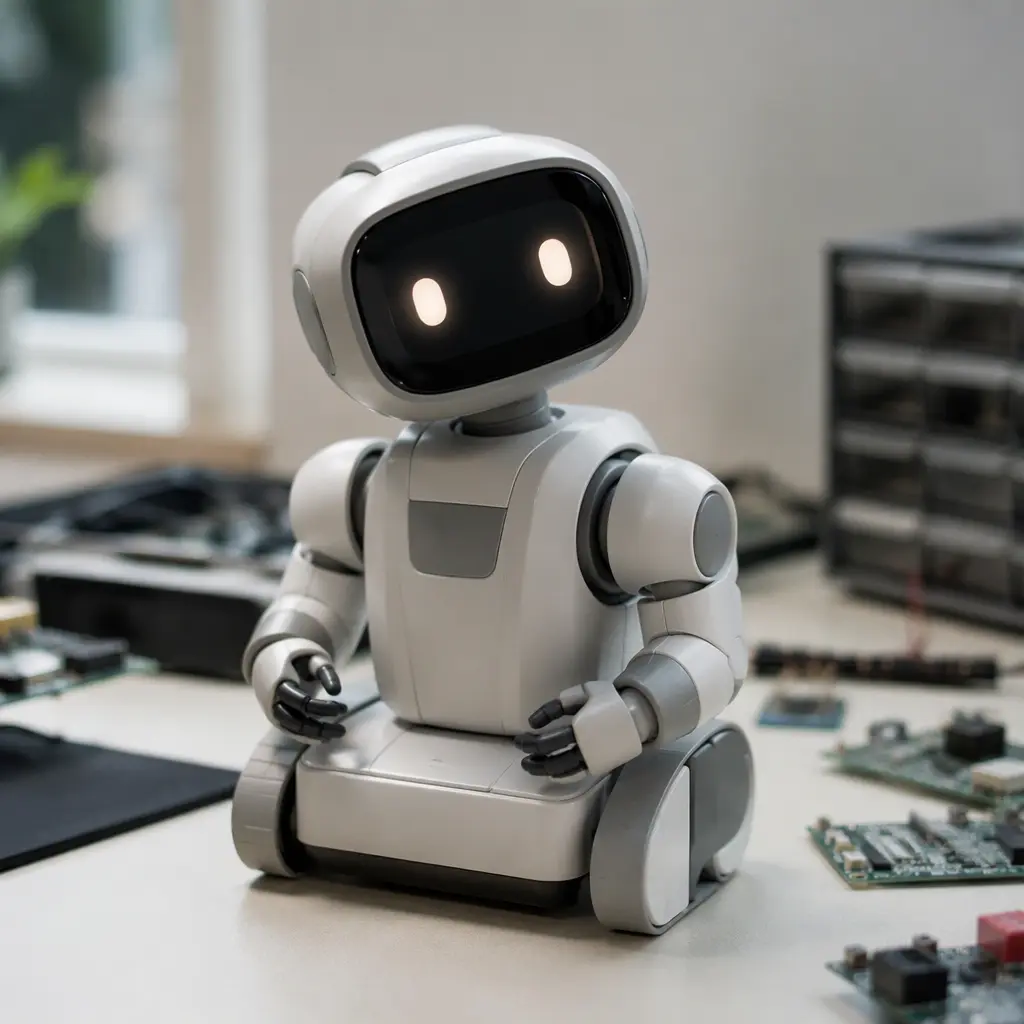
Reachy Mini arrives at a moment when home robotics is shifting away from simple remote-control gadgets and toward conversational, personality-driven devices. The compact desktop robot is positioned as an approachable entry point into expressive robotics and AI interaction, combining animated movement, camera and microphone hardware, and open software tools that invite experimentation. Instead of presenting itself as a sealed appliance, Reachy Mini leans into transparency around cloud services, developer access and the compromises that come with connected AI products.
Where it came from
Reachy Mini is connected to the recent surge of interest in social robotics, generative AI assistants and open-source hardware platforms. Rather than aiming to replace a smart speaker or become a full household helper, the robot sits in the growing category of desktop companions: devices designed to feel expressive, reactive and visually present during everyday computer use. The appeal comes as much from the robot’s body language and movement as from any chatbot-style conversation.
Its launch context matters. In the past, home robots were often expensive research platforms or heavily locked-down consumer products with limited customization. Reachy Mini instead arrives with a maker and developer audience in mind, reflecting broader trends in robotics education, AI experimentation and creator communities. The open-source angle is central to the product identity. Owners are encouraged to tinker with behavior, connect software tools and explore robotics workflows instead of simply consuming prebuilt features. That openness also means buyers are expected to understand the realities of connected hardware, including updates, app ecosystems and varying levels of cloud dependence.
Why it works
The strongest part of the Reachy Mini concept is its physical expressiveness. A screen-only assistant can respond with text or voice, but a robot can nod, tilt, track movement and create the impression of attention. Even simple gestures make interactions feel more immediate. This is not the same as advanced autonomous robotics seen in research labs, but it taps into a familiar human response: people naturally react to movement and posture.
The desktop scale also makes practical sense. Large consumer robots have historically struggled with cost, battery life and real-world navigation. A smaller robot that stays near a computer or workspace avoids many of those problems while still delivering a sense of personality. Reachy Mini’s open development approach adds another layer of appeal for hobbyists, educators and coders who want hardware that can evolve alongside rapidly changing AI software.
- Expressive articulated movement designed to support conversational interaction
- Open-source software direction that encourages customization and experimentation
- Built-in sensors such as microphones and cameras for responsive behavior
- Desktop-sized format that fits into home offices, bedrooms or maker spaces
- Compatibility potential with AI tools, coding projects and robotics workflows depending on supported platforms
Who it's for
Reachy Mini is likely to appeal most to older kids, teens, hobbyists and adults who already have an interest in robotics, coding or AI tools. It is less of a traditional toy and more of a connected creative device. Families looking for a simple plug-and-play companion may find the setup and ongoing software ecosystem more involved than expected. On the other hand, people who enjoy experimenting with hardware, automation and AI personalities may appreciate the flexibility. Adult collectors and tech enthusiasts are also part of the audience, especially those interested in the growing overlap between robotics and generative AI.

Variants and what to look for today
Because Reachy Mini belongs to a fast-moving category, buyers should pay close attention to software support and ecosystem details rather than focusing only on hardware appearance. Different desktop robots may look similar but vary significantly in how much processing happens locally, which features require cloud services and how long software updates are expected to continue. Some devices emphasize scripted responses and preset animations, while others connect to generative AI systems that can create more dynamic conversations.
Open-source positioning can also mean different things in practice. Prospective owners should check which parts of the platform are openly documented, whether code repositories are active and how much functionality depends on external online services. Regional support, language support and device compatibility are especially important for connected robotics products.
- Look for clear information about camera and microphone controls
- Check whether key AI features require an internet connection
- Confirm compatibility with your computer, mobile device or development tools
- Research community support and update activity before buying
- Be cautious of unofficial accessories or clones with unclear support histories
Frequently asked questions
Is Reachy Mini a toy or a development platform?
It sits somewhere between the two categories. The expressive design and animated interactions make it approachable as a consumer gadget, but the open-source and robotics-focused positioning suggest it is also meant for experimentation, coding and AI projects.
Does it work without the cloud?
That depends on how individual features are implemented. Many AI-driven robots rely on cloud services for speech recognition, generative responses or software updates. Buyers should expect at least some online dependence for advanced features unless the manufacturer specifically documents local processing options.
What makes expressive robots different from smart speakers?
Movement changes the interaction. Even limited gestures such as turning toward a voice, nodding or reacting visually can make a device feel more socially engaging than a voice-only assistant. The physical presence is a major part of the appeal.
Is Reachy Mini suitable for younger children?
Younger kids may enjoy the animated behavior, but the product concept is better suited to supervised use or older users interested in technology and robotics. Connected AI devices also raise privacy and moderation questions that parents may want to evaluate carefully.
Reachy Mini reflects a broader shift in consumer robotics: less emphasis on futuristic promises and more focus on expressive interaction, AI experimentation and desktop-scale practicality. Its openness is part of the attraction, but also part of the responsibility. For families, hobbyists and tech enthusiasts curious about where conversational AI may go next, devices like this offer an early glimpse into how robots could become more personal, customizable and visibly present in everyday spaces.