RealFX Pokémon Pikachu Puppetronic and the Rise of Toy Puppetry
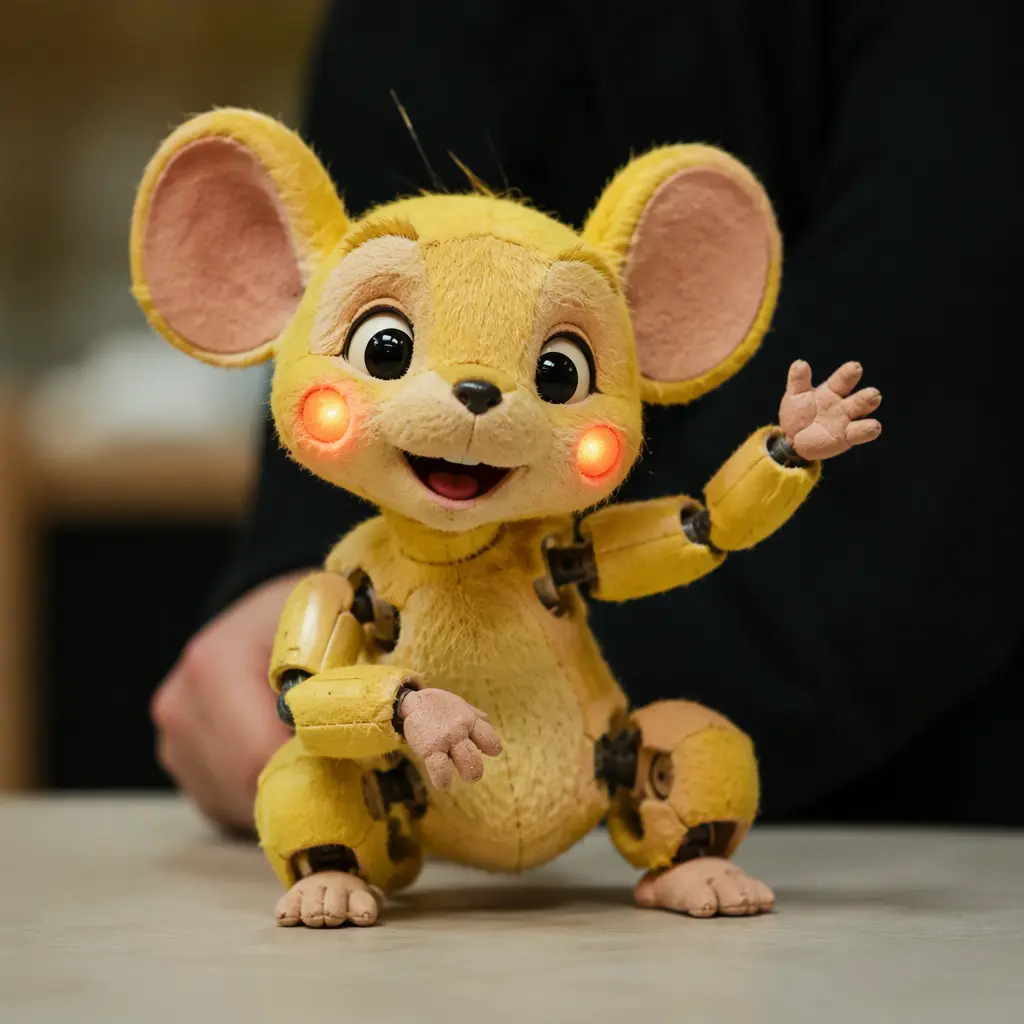
The RealFX Pokémon Pikachu Puppetronic blends hand puppetry, animatronics and sensor-driven reactions into a modern interactive toy aimed at older kids, collectors and Pokémon fans.
Compare prices and availability
Check current prices and availability for this guide on eBay.
As an eBay Partner, we may be compensated if you make a purchase.
Interactive toys have spent years trying to blur the line between plush companion, robot and role-play prop. The RealFX Pokémon Pikachu Puppetronic stands out because it leans heavily into puppetry instead of pretending to be a fully autonomous robot. Rather than relying on app-heavy artificial intelligence or open-ended chatbot features, the toy combines animatronic movement, built-in sensors and hand-controlled performance to create the illusion of a responsive creature. That mix has helped it gain attention as a current high-profile toy-tech release and a strong fit for older Pokémon fans who want something more expressive than a standard electronic plush.
Where it came from
The RealFX line emerged from a broader trend in toy technology that focuses on performance and physical interaction rather than screen-based play. Instead of building a companion that depends on cloud computing or conversational AI, the designers centered the experience on visible movement, tactile control and character acting. That approach fits naturally with Pokémon, a franchise that has long emphasized creature personalities and emotional reactions.
The Puppetronic concept combines traditional hand-puppet techniques with internal electronics that coordinate eye movement, ear motion, sound effects and facial animation. The result is closer to a lightweight animatronic prop than a speaking smart device. Sensors and programmed responses help sell the illusion that the character is reacting in real time, but the toy does not function as generative AI. It follows pre-scripted behaviors and motion systems rather than creating original dialogue or holding open-ended conversations.
Why it works
What makes the Puppetronic format interesting is the balance between user control and automated performance. A child or adult operator can tilt, move and gesture with the toy like a puppet while built-in motors and sensors add synchronized reactions. The face shifts expression, the ears move and sounds trigger in response to movement patterns or interaction. Because the person holding the toy remains part of the performance, the experience often feels more theatrical and imaginative than many app-connected toys.
The design also avoids one common problem with heavily digital toys: long setup friction. There is no expectation that the toy will generate custom speech or connect constantly to online services. That can make the experience feel more immediate and easier to revisit casually. The electronics support the illusion, but the play pattern still depends on storytelling, role-play and physical movement.
- Hand-operated puppetry combined with motorized facial animation
- Sensor-triggered sounds and reactions rather than generative AI dialogue
- Expressive movement designed to mimic character emotion
- Physical play that encourages performance and role-play
- Standalone toy experience with less dependence on cloud services than many connected toys
Who it's for
Although younger Pokémon fans may enjoy watching the Puppetronic in action, the toy is generally better suited to older children in the 9–12 age range and up, especially those who enjoy performance play, collecting or creature role-play. The coordination between hand movement and animated reactions takes more patience than a simple button-press electronic toy. Adult collectors and content creators may also appreciate the display presence and expressive mechanics. Families considering it should think of it less as a conversational smart assistant and more as a hybrid between animatronic plush and theatrical puppet.

Variants and what to look for today
Interactive Pokémon toys now span a wide range of formats, from simple sound plush figures to app-linked companions and advanced animatronics. The Puppetronic sits toward the premium end of that spectrum because the mechanical expression system is a central feature rather than an add-on. Buyers comparing versions should pay attention to how much movement is physically controlled by the user versus triggered automatically by electronics.
Because the toy category has become popular online, shoppers may also encounter lower-cost creature puppets that imitate the style without matching the motion quality or durability. Retail listings can vary widely in how clearly they explain the difference between animatronics, reactive sensors and AI features. Looking for demonstrations from established retailers or manufacturer materials can help clarify what the toy actually does offline and whether extra apps or accounts are required.
- Check whether batteries are included and how they are accessed
- Look for clear descriptions of sensor-based reactions versus app connectivity
- Consider storage space because articulated toys can be bulkier than plush
- Expect movement noise from internal motors during operation
- Compare build materials if the toy will be handled frequently by younger siblings
Frequently asked questions
Does the Puppetronic use artificial intelligence?
The toy uses programmed animations, sensors and pre-recorded responses rather than generative AI. It does not create original conversations or function like a chatbot assistant.
Does it need an app or internet connection?
The core puppetry and animatronic features are designed as a standalone play experience. Retailers and manufacturers may offer optional digital extras, but the main interaction comes from physical handling and built-in electronics.
Is it mainly a toy or a collector item?
It occupies a middle ground between the two. Older kids can actively play with it as a puppet, while collectors may value it for display, performance videos or the novelty of the expressive mechanics.
What makes it different from a normal electronic plush?
Most electronic plush toys rely on button-activated sounds or simple reactions. The Puppetronic format adds coordinated movement, hand-driven performance and layered facial animation that creates a more lifelike illusion.
The RealFX Pokémon Pikachu Puppetronic reflects a broader shift in toy-tech toward expressive physical interaction instead of purely digital novelty. Its appeal comes less from artificial intelligence and more from the convincing blend of puppetry and animatronics. For Pokémon fans who enjoy performance, collecting or creature role-play, it represents a modern example of how traditional toy theater can merge with contemporary electronics without losing the hands-on feel that makes imaginative play memorable.