RoboCake Coding Kit Turns Dessert Into a Coding Lesson
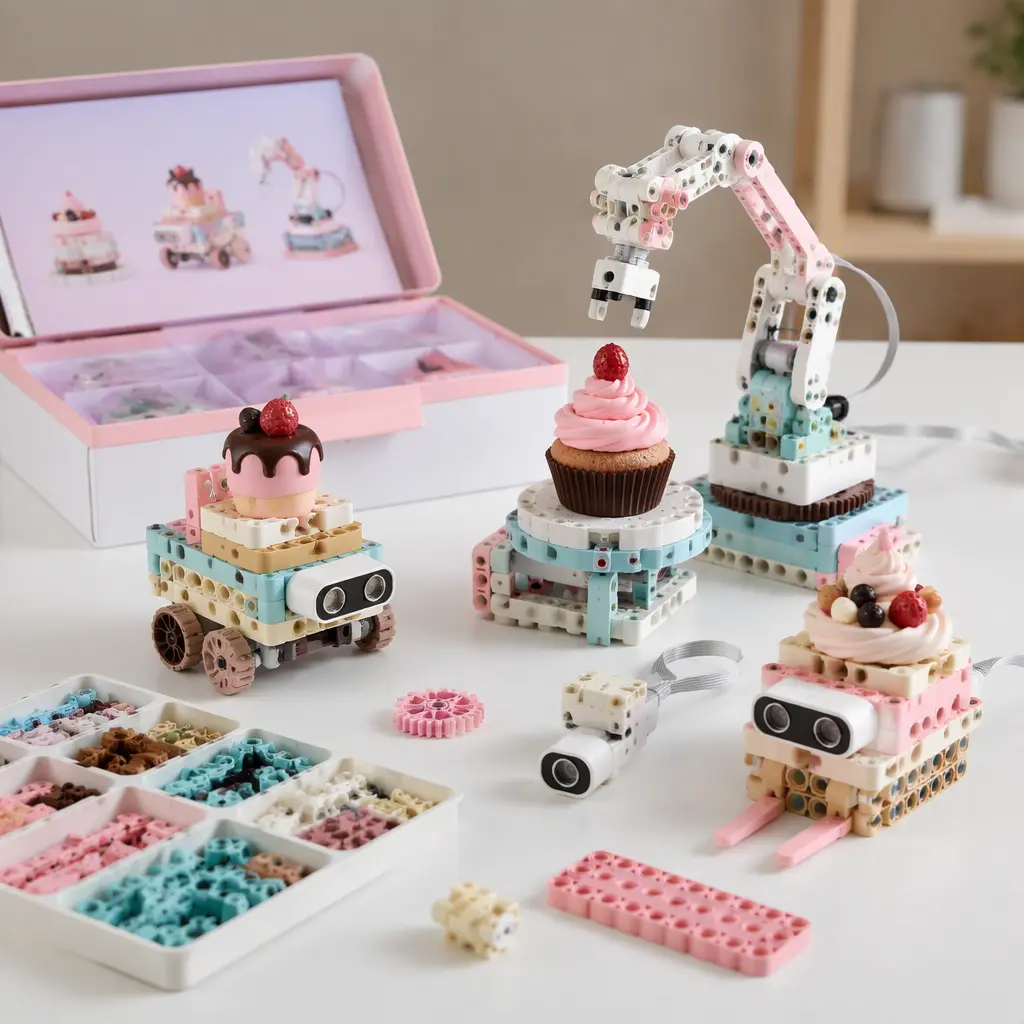
Thames & Kosmos’ RoboCake Coding Kit blends food-themed engineering challenges with beginner robotics, using playful dessert-inspired builds to make coding feel more approachable for kids and families.
Compare prices and availability
Check current prices and availability for this guide on eBay.
As an eBay Partner, we may be compensated if you make a purchase.
The RoboCake Coding Kit from Thames & Kosmos arrives at a moment when educational robotics products are trying to compete with short-form entertainment, gaming platforms, and increasingly crowded STEM aisles. Its approach is unusually playful: instead of presenting coding as something abstract or highly technical, the kit frames engineering challenges around dessert-inspired machines and food-themed mechanical creations. The result is a robotics set that aims to lower the intimidation factor for younger learners while still introducing core ideas like sequencing, logic, sensors, and simple automation.
Where it came from
Thames & Kosmos has spent years building a reputation around science and engineering kits that mix classroom concepts with hands-on experimentation. The company’s catalog has included chemistry sets, physics projects, coding kits, and mechanical engineering systems aimed at children and families who want more structured STEM activities at home. RoboCake continues that tradition while leaning into a more approachable visual theme than many robotics products use.
Food-themed learning products are not entirely new, but combining dessert imagery with robotics and coding reflects a broader shift in educational toy design. Manufacturers increasingly try to connect technical concepts with familiar everyday experiences, especially for younger audiences who may not initially identify with robotics. By framing engineering around cakes, pastries, and playful machine challenges, the kit appears designed to reduce the feeling that coding requires prior expertise or a highly technical mindset.
Why it works
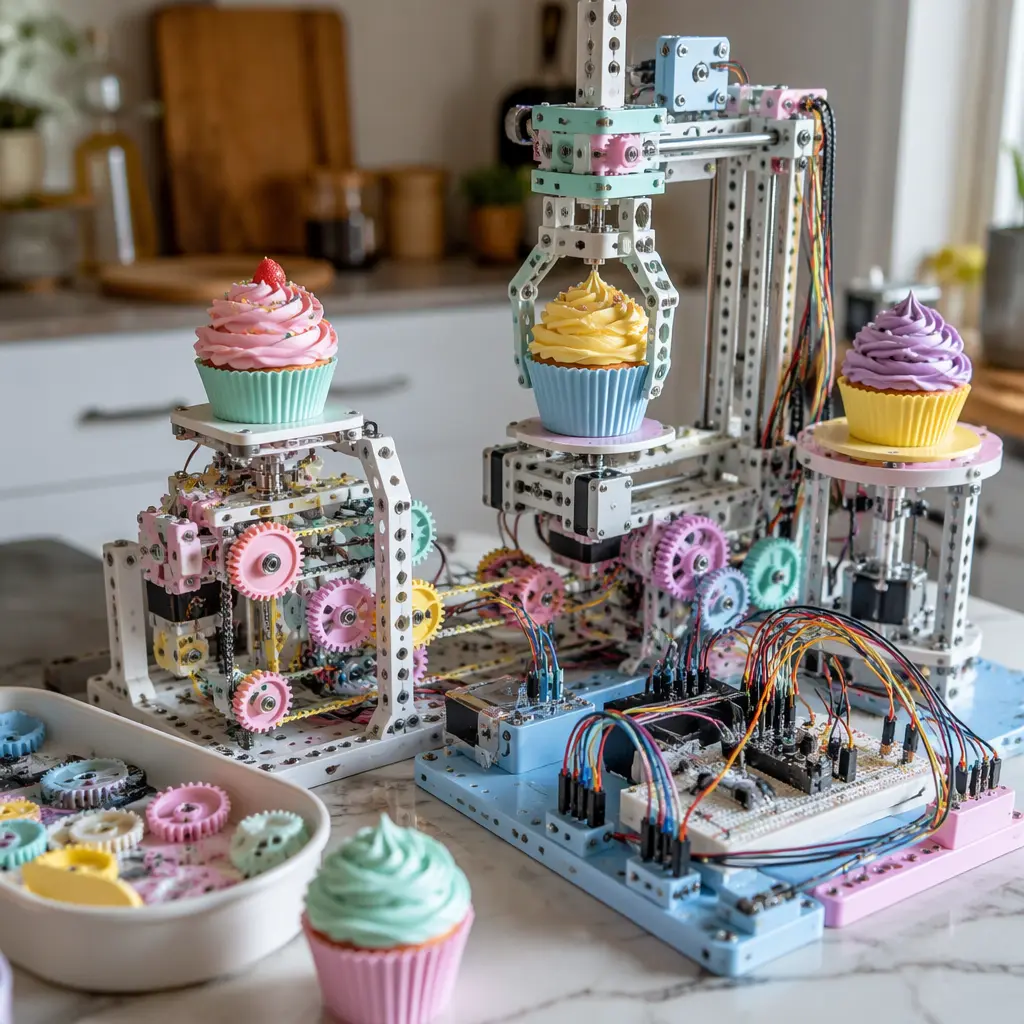
The strongest idea behind RoboCake is that it treats coding as part of a larger physical activity rather than a purely screen-based exercise. Many beginner coding toys ask children to drag commands on a tablet or repeat digital puzzles. Here, the emphasis is on building mechanisms first and then using code or programmable behavior to make those systems move, react, or complete themed challenges. That tangible connection between software and motion can make abstract programming ideas easier to understand.
The dessert theme also serves a practical design purpose. Rounded shapes, bright colors, and recognizable food-inspired forms can make mechanical components appear less intimidating than industrial-looking robotics parts. For some families, that matters. Educational toy companies increasingly recognize that presentation affects whether children feel invited into STEM play or excluded from it.
- Food-themed engineering challenges that frame coding as creative play
- Hands-on construction combined with programmable movement or reactions
- Beginner-friendly visual design intended to reduce intimidation
- STEM concepts tied to real mechanical cause-and-effect
- Collaborative play potential for siblings or parent-child projects
Who it's for
RoboCake is positioned most naturally for elementary and middle-grade learners who are curious about robotics but may not be ready for advanced electronics kits. The playful presentation could especially appeal to children who enjoy craft-oriented or imaginative play alongside structured STEM activities. As with many coding kits, adult involvement may still help during setup or troubleshooting, particularly for younger builders encountering motors, wiring, or programming concepts for the first time. The kit may also appeal to educators and families looking for screen-light STEM activities that still include modern coding concepts.
Variants and what to look for today
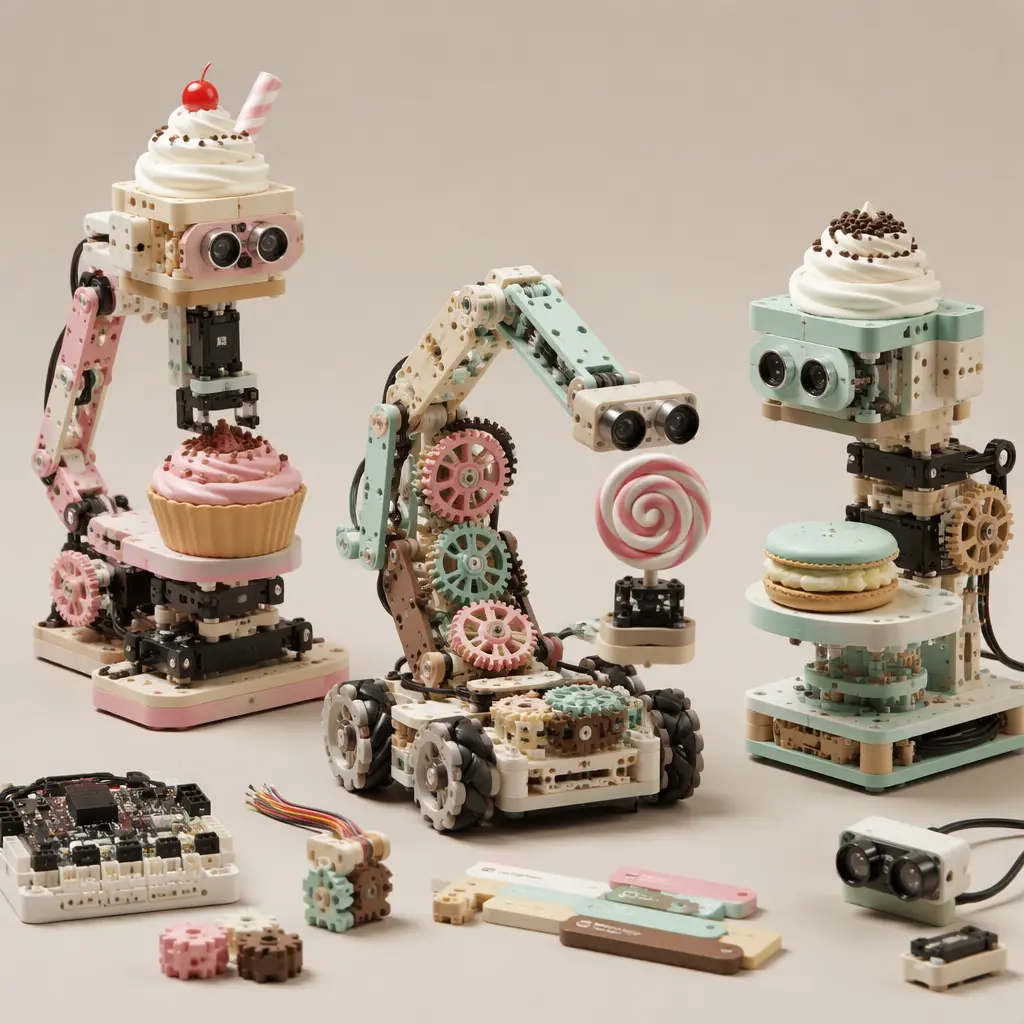
As with many contemporary STEM kits, shoppers should pay close attention to what is actually included in the box. Robotics products sometimes vary by region or retailer bundle, and some require a separate mobile device or app connection for programming features. Thames & Kosmos typically provides educational materials and structured projects with its kits, but families should still verify compatibility details and required accessories before purchasing.
Another thing to watch is the distinction between programmable robotics and more advanced artificial intelligence marketing. Beginner coding kits often use scripted sequences, sensors, timers, and simple logic systems rather than generative AI. That is not a drawback. For younger learners, predictable cause-and-effect interactions are often more useful educationally than open-ended conversational systems.
- Check whether a phone or tablet is required for coding features
- Look for official retailer listings with complete parts inventories
- Verify regional app availability if software is involved
- Expect beginner robotics concepts rather than advanced AI systems
- Avoid unusually cheap third-party listings missing educational materials or components
Frequently asked questions
Does RoboCake teach real coding?
The kit is designed to introduce genuine programming concepts in a beginner-friendly format. Depending on the software system used, that may include sequencing, conditional logic, sensor responses, or simple automation patterns tied to physical robotic builds.
Is it mainly a toy or an educational kit?
It sits between both categories. RoboCake uses playful themes and imaginative presentation, but its core appeal is educational. The construction process and programming activities are intended to teach STEM principles through guided experimentation.
Does it work without an internet connection?
That depends on how the coding interface and companion software are structured. Some robotics kits can run programmed activities offline after setup, while others rely more heavily on connected apps. Families should review the manufacturer’s compatibility and connectivity information before buying.
Why use a dessert theme for robotics?
The food-inspired presentation appears intended to make engineering feel more approachable and creative. Educational toy designers increasingly use familiar themes to invite a wider range of children into STEM activities, especially those who may not immediately connect with traditional robotics aesthetics.
RoboCake reflects a broader trend in educational toys: making technical learning feel less like formal instruction and more like open-ended play. Whether the dessert theme becomes a lasting robotics subcategory or simply a memorable experiment, the kit stands out for trying to make coding visually friendly, tactile, and collaborative. In a market crowded with screens and abstract apps, that hands-on approach may be the product’s most important idea.