Ropet AI Companion Robot and the Rise of Pocket AI Pets
Ropet is part of a new wave of AI companion robots that mix voice chat, touch reactions and app-connected features into a desktop-sized pet-like device for teens and adults.
Compare prices and availability
Check current prices and availability for this guide on eBay.
As an eBay Partner, we may be compensated if you make a purchase.
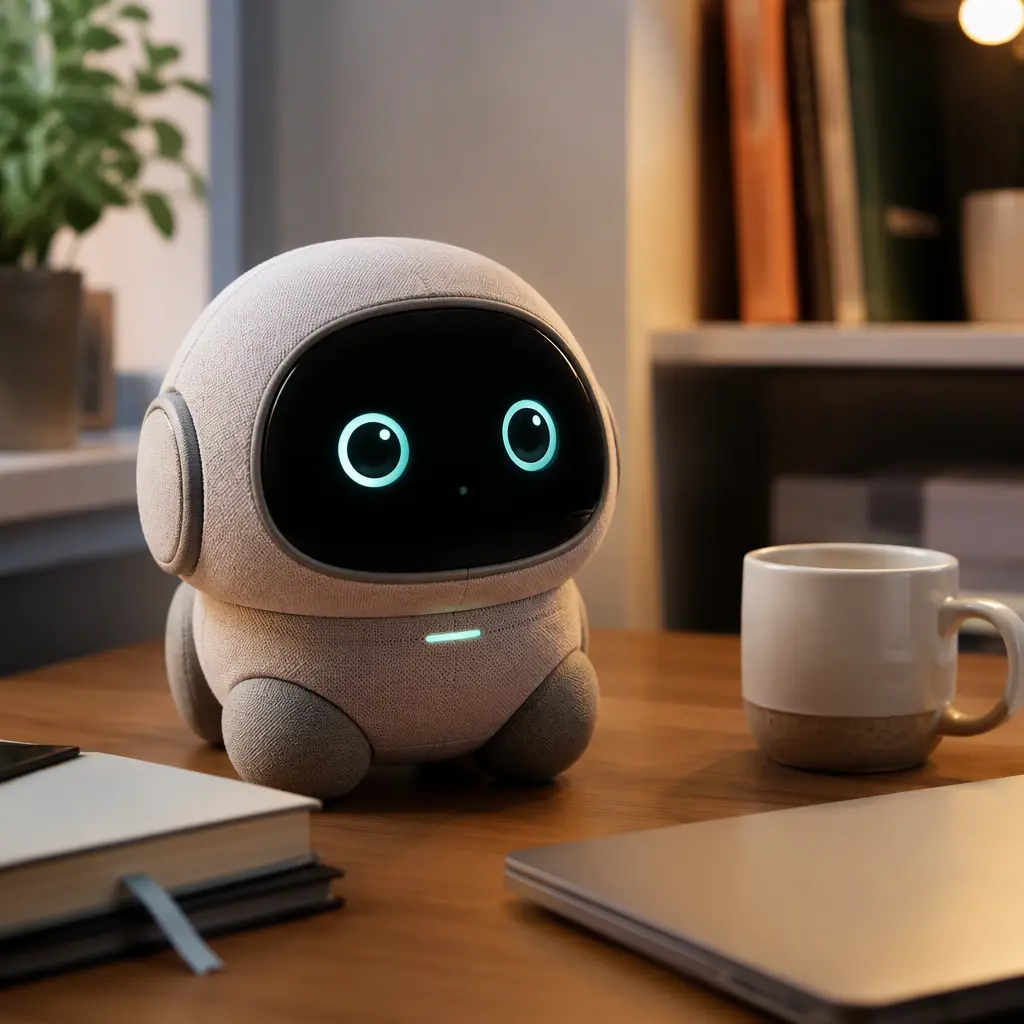
Ropet AI Companion Robot sits in a fast-growing category that blends smart speakers, digital pets and social robots into a single desktop companion. Unlike traditional electronic pets that rely on pre-programmed phrases and simple button inputs, newer AI companion robots aim to create more natural interaction through voice conversation, touch response and gesture recognition. Ropet is positioned as a family-friendly and adult-oriented companion device rather than a pure children's toy, with public product information highlighting emotional interaction, conversation and routine companionship features.
Where it came from
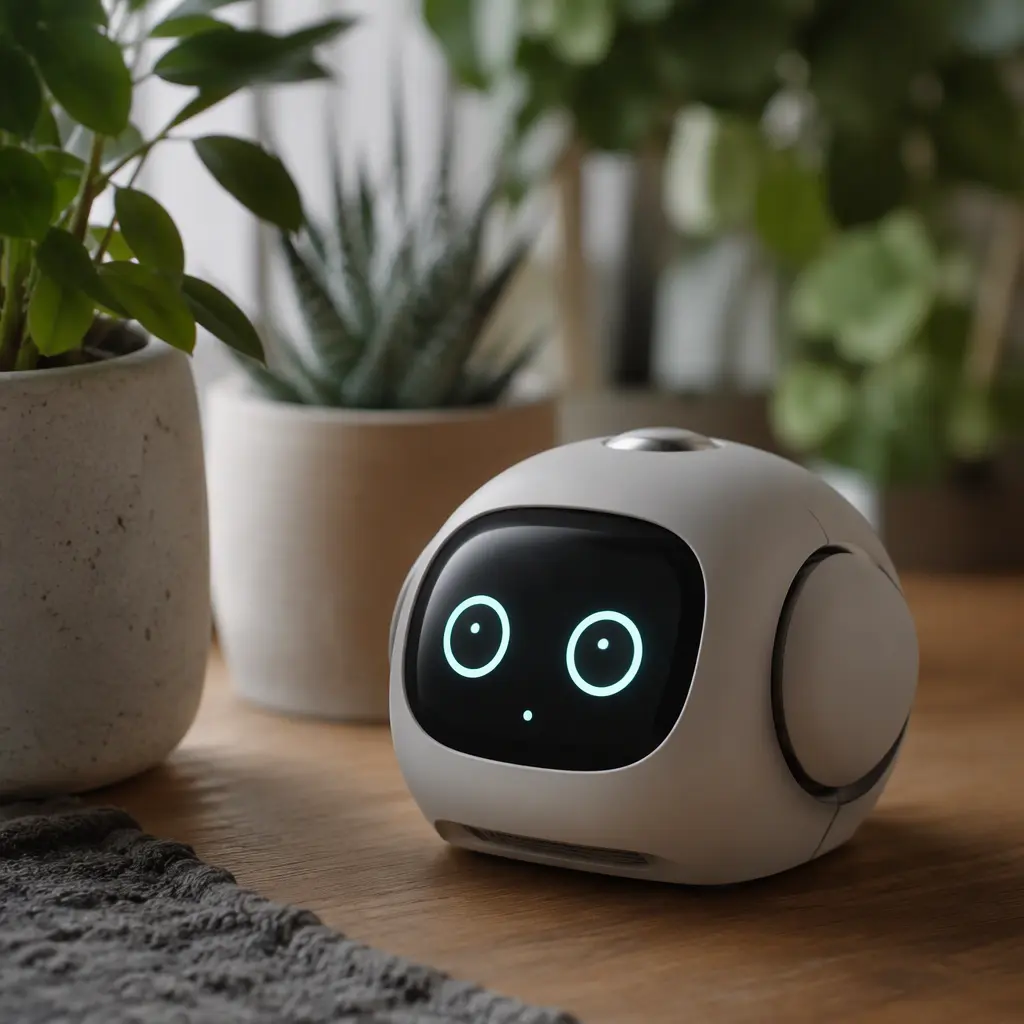
Companion robots have existed for decades in one form or another, from simple virtual pets in the 1990s to robotic pets designed for entertainment and comfort. The current generation emerged alongside advances in cloud AI systems, speech recognition and mobile-device connectivity. Products like Ropet reflect a broader shift toward conversational consumer electronics that try to feel responsive and emotionally engaging rather than purely functional.
Publicly available descriptions present Ropet as an AI-powered desktop companion that responds to spoken conversation, physical interaction and nearby movement or gestures. Instead of operating like a scripted animatronic toy with a fixed set of phrases, AI companion products increasingly rely on cloud-connected language systems to generate more flexible responses. That distinction matters because it changes how these devices behave, how often they improve through updates and how dependent they are on internet services outside the home.
Why it works
The appeal of AI companion robots comes from layering familiar toy design onto modern conversational technology. Devices in this category are usually small enough for a desk or bedside table, with rounded shapes, animated eyes or expressive movement designed to encourage attachment. Ropet's interaction model combines several inputs at once: voice communication, touch-sensitive reactions and gesture or proximity awareness. Together, those features create the impression of a device that notices and responds to people in a more lifelike way than a standard smart speaker.
Manufacturers describe this kind of interaction as emotionally supportive or comforting, though those claims should be treated as lifestyle positioning rather than medical or therapeutic outcomes. The practical value for many users is simpler: a conversational object that reacts with personality, provides light entertainment and acts as a novelty piece in a home office or bedroom. For some households, the attraction is less about deep AI capability and more about having a responsive gadget that feels playful and alive.
- Voice conversation using built-in microphones and cloud-connected AI systems
- Touch-sensitive interaction designed to trigger reactions or emotional responses
- Gesture or motion awareness for hands-free engagement
- Animated expressions and movement intended to create personality
- App-connected setup and updates for expanded features or customization
Who it's for
Ropet is generally aimed at teens and adults rather than very young children, fitting the broader trend of desk companions and lifestyle robotics. People interested in conversational AI, novelty gadgets or virtual pets are the most obvious audience. Families may also see it as a shared household device similar to a smart display or interactive speaker. Because AI-generated responses can vary and connected features may change over time, adult supervision and account management remain important for younger users. Buyers in the UK should also check app support, regional availability and compatibility with local app stores before purchasing imported versions.
Variants and what to look for today
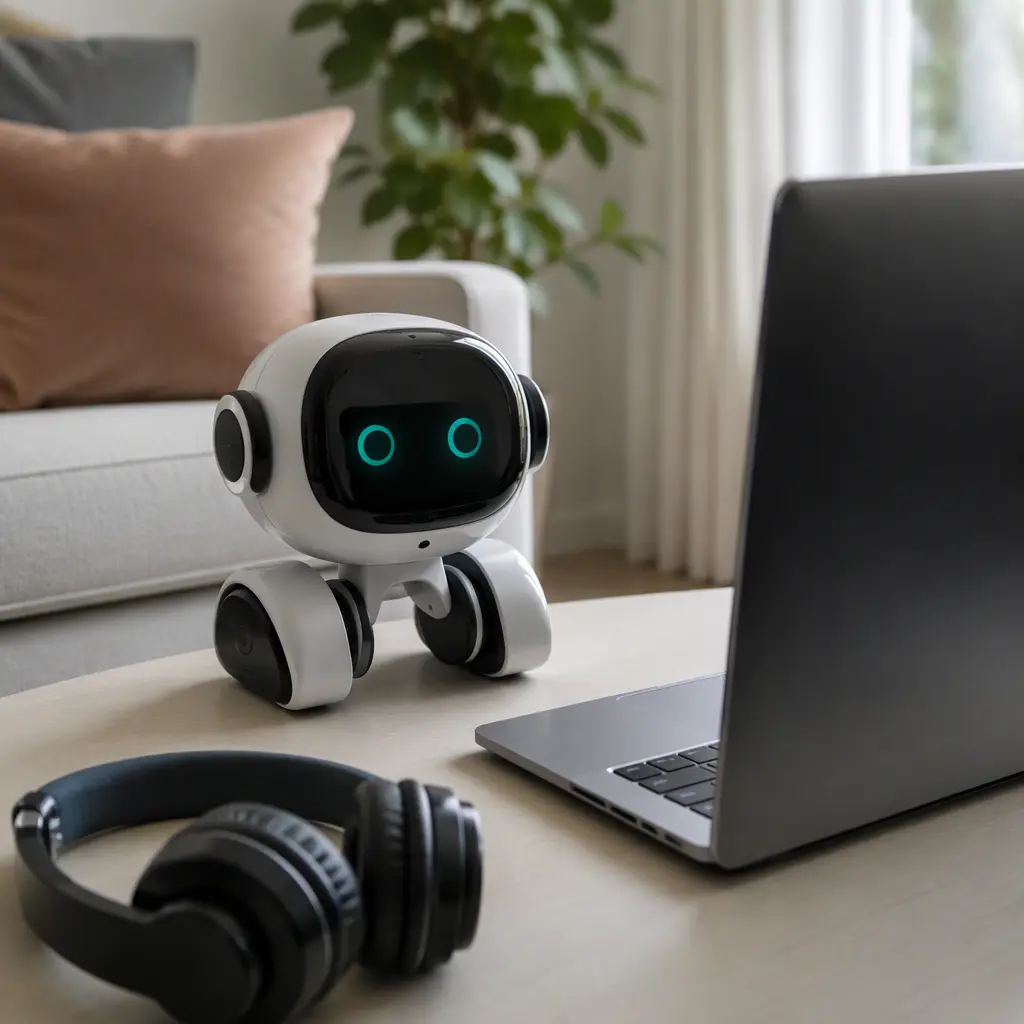
AI companion robots evolve quickly, so specifications and software features can shift between production runs and app updates. Some versions may focus more heavily on conversational AI, while others emphasize expressive movement, animations or collectable styling. Retail listings may also differ by region, especially for products launched first through crowdfunding campaigns or direct online storefronts.
For UK buyers, availability can vary between specialist electronics retailers, online marketplaces and direct-import sellers. It is worth confirming whether the companion app is officially supported in the UK and whether customer support operates locally. Since devices in this category often depend on cloud processing, users should also consider what happens if servers change, subscriptions appear later or app support ends. Public product pages should explain whether core functions continue offline or if internet access is required for meaningful interaction.
- Check whether app support and updates are available in your region
- Look for clear privacy policies covering voice recordings and account data
- Confirm power, charging and wireless compatibility before importing
- Be cautious of unofficial clones with unclear software support or security practices
- Review whether key features depend on subscriptions or continuous internet access
Frequently asked questions
Does Ropet use generative AI or scripted responses?
Public descriptions suggest that Ropet uses AI-driven conversational systems rather than relying entirely on pre-written phrases. In practice, many companion robots combine generated responses with scripted animations, sounds and behavioural routines.
Can it work without the internet?
That depends on the feature. Companion robots in this category often need cloud access for advanced voice interaction and language generation, while simpler movement or touch responses may still function locally. Buyers should check the manufacturer's latest support information for details.
Is it meant for children?
Ropet is generally positioned toward teens and adults, with an age range around 13 and up. The conversational nature of AI systems, account requirements and connected features make parental oversight important for younger users.
What makes AI companion robots different from robot toys?
Traditional robot toys usually focus on fixed actions, remote control or programmed tricks. AI companion robots aim for ongoing interaction through conversation, reactions and evolving software features. The experience is closer to a digital assistant mixed with a virtual pet than a classic remote-control robot.
Ropet AI Companion Robot reflects a larger moment in consumer technology where conversational AI is moving into physical devices designed to sit in homes and build routines around daily interaction. Whether buyers see that as charming, experimental or slightly strange will depend on what they want from connected technology. What is clear is that companion robots are no longer niche curiosities: they are becoming part of the broader smart-device landscape, bringing both playful appeal and familiar questions about privacy, cloud dependence and long-term support.