StoryShield AI Story Maker and the New AI Bedtime Toy
StoryShield AI Story Maker represents a new wave of AI-powered storytelling toys that mix voice input, cloud services and personalized tales, raising fresh questions about privacy, moderation and long-term usefulness.
Compare prices and availability
Check current prices and availability for this guide on eBay.
As an eBay Partner, we may be compensated if you make a purchase.
StoryShield AI Story Maker sits in a fast-growing category of connected toys that promise personalized stories on demand. Instead of relying on a fixed library of fairy tales or pre-recorded adventures, these devices use artificial intelligence to build stories around prompts, names, favorite animals or simple spoken requests. For parents, that can sound either imaginative or slightly unsettling depending on how much they know about the technology underneath. The appeal is easy to understand: a toy that can generate fresh bedtime stories every night feels more dynamic than a traditional sound player. The harder question is whether these systems deliver genuinely creative experiences while still respecting privacy, moderation and the realities of family tech use.
Where it came from
AI storytelling toys emerged from several overlapping trends: smart speakers entering family homes, screen-free audio products for children, and rapid advances in generative AI systems capable of producing conversational text and narration. Earlier electronic storytelling toys mostly relied on branching scripts and prerecorded audio clips. The newer generation instead connects to cloud-based systems that can assemble original story structures from user prompts in real time.
StoryShield AI Story Maker reflects this transition from scripted interaction to generative play. Rather than acting like a talking doll with a fixed personality, the device category aims to behave more like a collaborative storyteller. Parents considering products in this space should understand that many of the most advanced features depend on internet-connected AI services rather than processing everything locally on the toy itself. That distinction matters because cloud dependence affects response quality, privacy practices, subscription models and long-term usability if services eventually change or shut down.
Why it works
The strongest AI storytelling toys succeed because they tap into something children already enjoy: hearing themselves become part of the adventure. A child can ask for a pirate story with a pet rabbit, a moon base and a lost treasure map, then hear a new version moments later. That improvisational quality can feel surprisingly personal even when the underlying system is assembling patterns from large language models and safety filters rather than inventing stories in a human sense.
There is also a practical design advantage to audio-first AI toys. By focusing on spoken interaction instead of a bright touchscreen, they can fit into bedtime routines more naturally than tablets or streaming video. Many parents looking at this category are specifically trying to reduce passive screen time while still giving children something interactive.
- Voice-driven storytelling that responds to prompts and themes
- Cloud-connected AI generation rather than fully scripted audio
- Potential parental controls for content boundaries and usage
- Personalized characters, names and recurring story elements
- Offline limitations that vary by manufacturer and app support
- Companion apps that may handle setup, moderation and voice settings
What separates one product from another is often less about hardware and more about moderation systems, age filtering and the quality of generated narration. Some devices rely heavily on synthetic voices and simple prompts, while others attempt more elaborate continuity between stories. Parents should also distinguish between toys that merely remix prewritten templates and products using broader generative AI models capable of more flexible responses.
Who it's for
AI storytelling toys are generally aimed at younger school-age children, though the exact age range depends on reading level, supervision expectations and voice interaction skills. Younger children may enjoy hearing their name inside a story but still need adults nearby to help guide prompts and explain confusing responses. Older children often experiment more creatively by building fantasy worlds or recurring characters. Adults may also find the category interesting as a family activity, especially during bedtime routines or long indoor afternoons. At the same time, these products are not ideal for every household. Families looking for fully offline toys, minimal data collection or predictable scripted content may prefer traditional audio players or physical storytelling games instead.
Variants and what to look for today
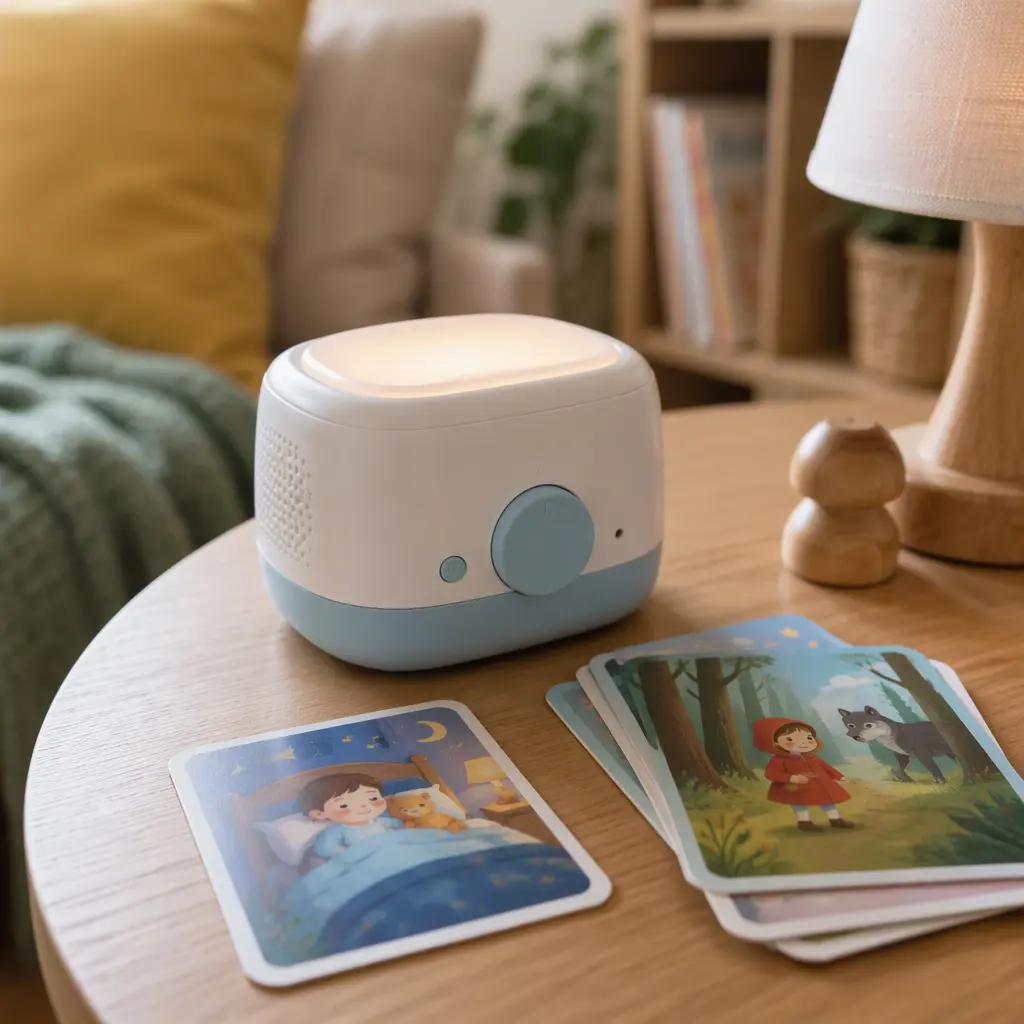
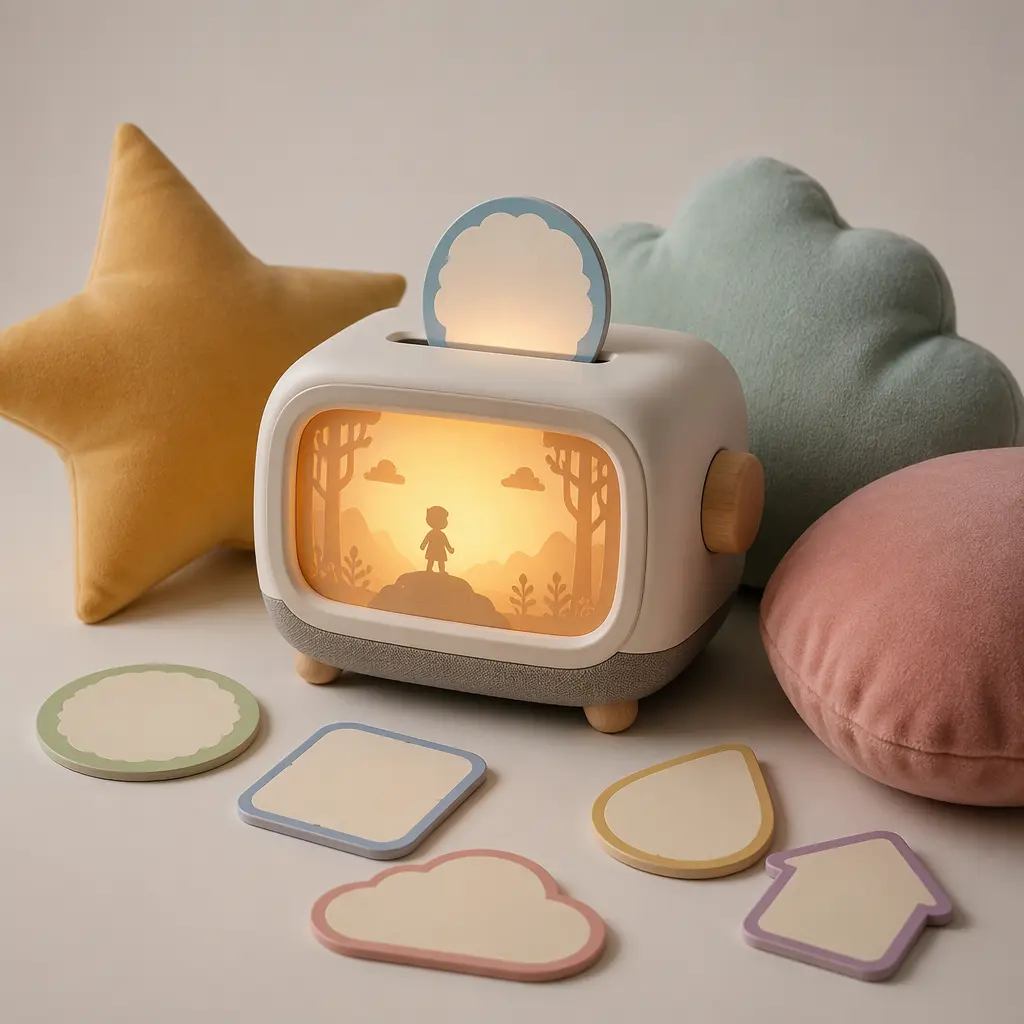
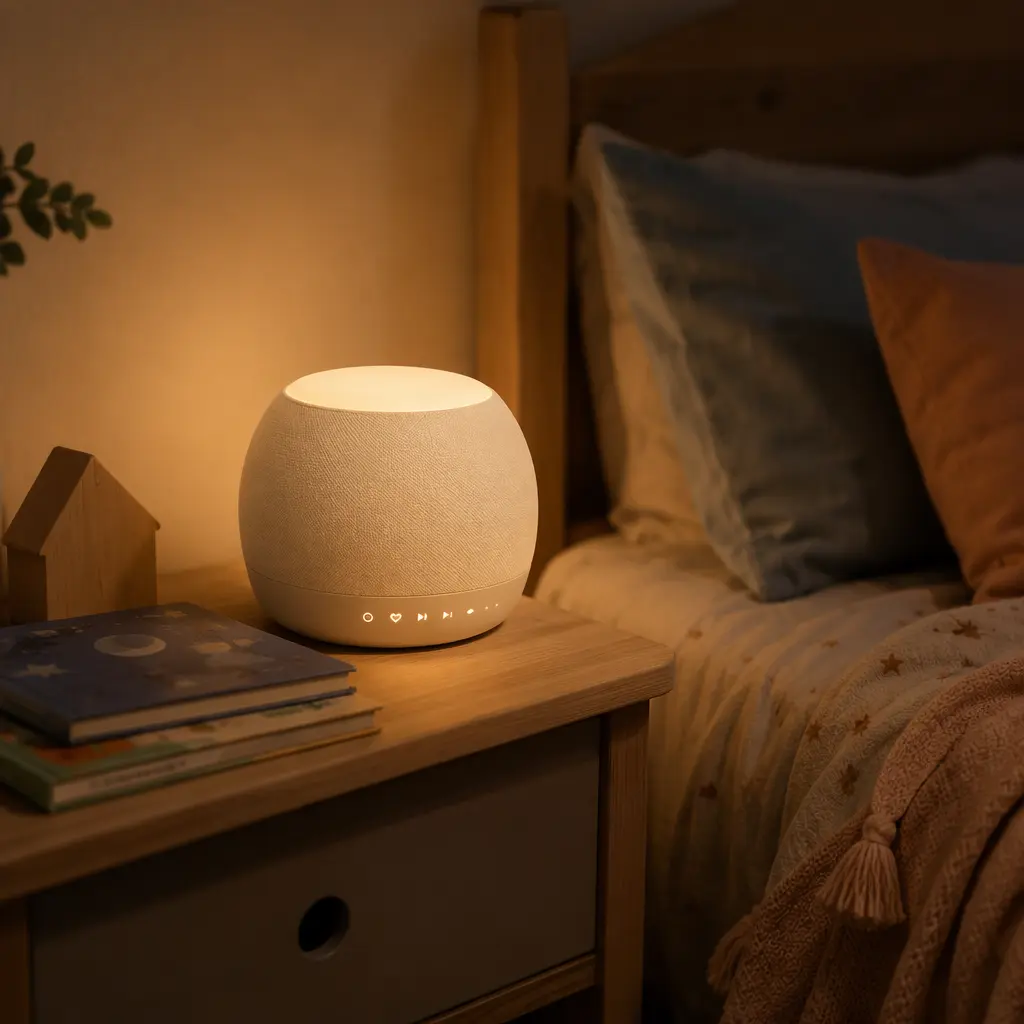
The current AI storytelling category includes several overlapping product styles. Some devices resemble compact smart speakers designed specifically for children. Others package AI storytelling inside plush toys, interactive robots or app-connected audio players. A few focus heavily on education and reading practice, while others position themselves mainly as entertainment or bedtime companions.
For parents evaluating StoryShield AI Story Maker or similar products, the most important details are often hidden in setup requirements rather than marketing language. Microphones are central to the experience because the toy needs spoken prompts, but parents should verify whether microphones can be muted physically, disabled in software or limited to push-to-talk interaction. It is also worth checking whether stories are generated entirely online, whether recordings are stored, and whether parental dashboards allow review or deletion of voice history.
- Look for clear parental controls and age filtering
- Check whether an app or account is required for core features
- Confirm compatibility with household devices and regional app support
- Understand whether subscriptions unlock advanced story generation
- Avoid generic imitations with unclear privacy policies or unsupported apps
- Consider whether the toy still works in a limited offline mode without cloud access
Frequently asked questions
Are the stories truly original?
Most AI storytelling toys generate stories dynamically from prompts, but they do so by predicting language patterns rather than imagining stories the way a person would. Results can feel personal and varied, though quality and coherence still depend heavily on moderation systems and prompt handling.
Do these toys work without the internet?
Many advanced storytelling features rely on cloud processing. Some products may offer limited offline playback or prerecorded content, but real-time personalized story generation often requires an active internet connection and companion app support.
What should parents know about microphones and privacy?
Voice interaction is central to the category, so microphones are usually always available unless muted or disabled. Parents should review privacy documentation carefully, including whether recordings are stored, how moderation works and whether account controls allow deletion of saved voice history.
Are AI storytelling toys replacing books?
Most families are likely to treat them as a supplement rather than a replacement. The strongest use case is interactive storytelling and imaginative play, while traditional books still offer a more focused and predictable reading experience without batteries, updates or connectivity requirements.
StoryShield AI Story Maker represents a broader shift in toys toward conversational, adaptive experiences powered by cloud-based AI. The technology can create moments that feel surprisingly responsive and individualized, especially for children who love inventing characters and worlds aloud. At the same time, this category asks parents to think carefully about microphones, moderation systems, subscriptions and how much connected technology they want in everyday play. The result is less a replacement for classic storytelling and more a new branch of it: one where imagination increasingly shares the stage with software.