Teddy Ruxpin: The Storytelling Bear That Predated Tablets
Long before tablets and smart speakers, Teddy Ruxpin blended cassettes, animatronics, and bedtime storytelling into one memorable toy experience for children of the 1980s.
Compare prices and availability
Check current prices and availability for this guide on eBay.
As an eBay Partner, we may be compensated if you make a purchase.
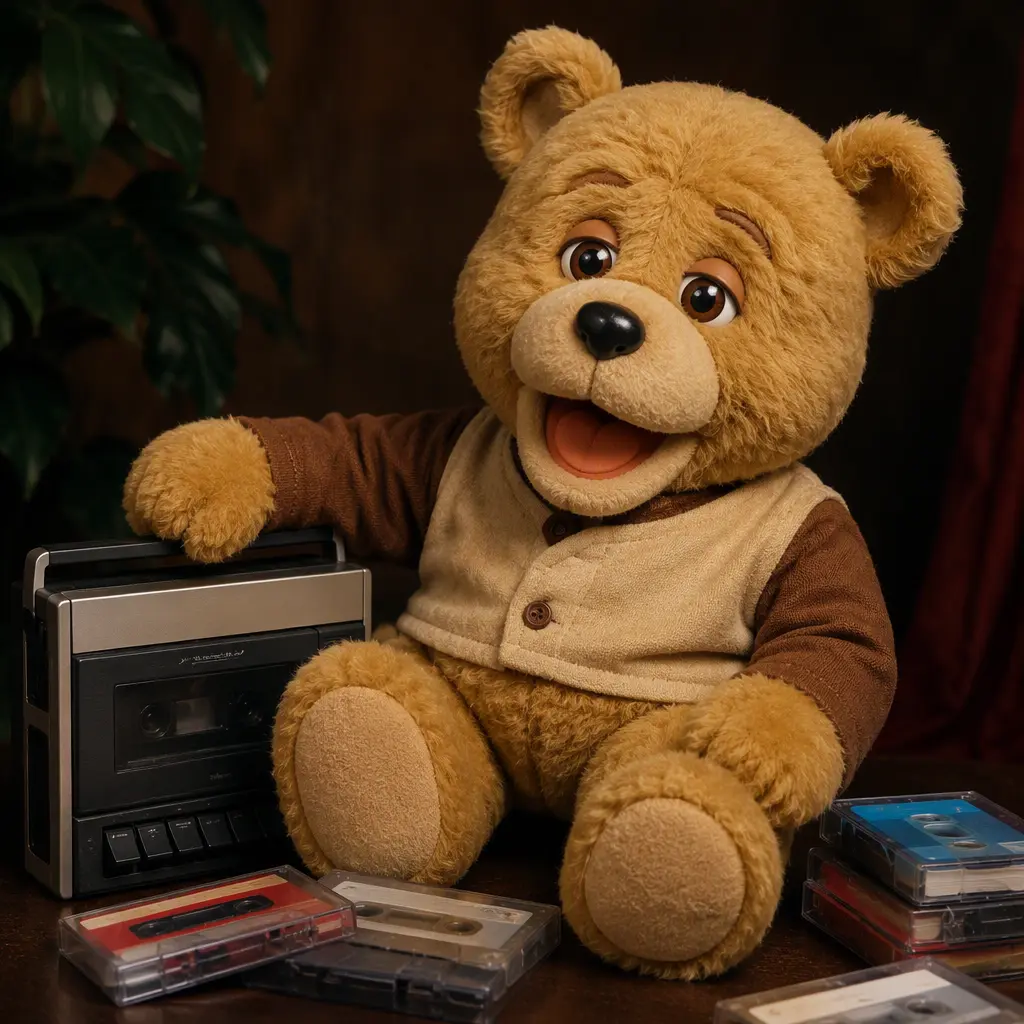
Before touchscreens became the default way children interacted with technology, Teddy Ruxpin offered something that felt surprisingly advanced for the mid-1980s: a toy that talked back through stories, songs, and synchronized facial movement. The plush animatronic bear became one of the defining electronic toys of its era by combining soft comfort with mechanical performance. For many children, it was their first experience with a device that seemed responsive, expressive, and alive in a way ordinary dolls and stuffed animals were not.
Where it came from
Teddy Ruxpin debuted in 1985 during a period when toy companies were experimenting with electronics, audio playback, and character-driven entertainment. Created by inventor and toy designer Ken Forsse and produced through Worlds of Wonder, the bear used a cassette tape player hidden inside its body to drive both audio playback and basic animatronic movement. As the story played, motors moved the bear's mouth and eyes in sync with the recording, creating the illusion that Teddy was personally telling each tale.
The concept arrived at exactly the right moment. Home cassette players were common, batteries were becoming more practical for toys, and parents were increasingly interested in educational entertainment products. Teddy Ruxpin leaned into all three trends. Rather than functioning as a robot in the science-fiction sense, the toy acted more like an animated reading companion. Children could listen to fantasy adventures, songs, and gentle lessons while holding a familiar plush character. That combination of storytelling and technology helped the toy stand out in crowded toy aisles and eventually made it one of the bestselling toys of the decade.
Why it works
Part of Teddy Ruxpin's appeal came from its balance of sophistication and simplicity. Technically, the mechanism was fairly straightforward by modern standards, but to children in the 1980s it felt remarkably lifelike. The moving mouth matched spoken dialogue closely enough to create a strong emotional connection, while the blinking eyes added personality without becoming unsettling. Importantly, the toy remained soft and huggable rather than cold or mechanical.
The storytelling format also gave the toy lasting replay value. Unlike many electronic toys that repeated short phrases, Teddy Ruxpin delivered long-form narratives that encouraged quiet listening and imagination. It was closer to an audiobook experience than a standard talking doll. Parents often appreciated that the toy encouraged calmer play and bedtime routines instead of fast-paced stimulation.
- Cassette-based storytelling with synchronized mouth and eye movement
- Soft plush exterior combined with visible animatronic personality
- Expandable library of story and music tapes
- Designed for independent listening as well as shared bedtime use
- Early blend of entertainment, audio technology, and character interaction
Who it's for
Originally aimed at young children, Teddy Ruxpin worked especially well for early readers and preschool-aged listeners who enjoyed stories but were not yet comfortable reading independently. The toy's gentle pacing and expressive delivery made it approachable for quieter children and bedtime routines. Today, the audience has expanded beyond kids. Collectors, retro technology fans, and adults who grew up in the 1980s often seek out vintage versions for nostalgia, while newer re-releases attract parents curious about simpler forms of interactive play that do not rely on apps or internet connectivity.
Variants and what to look for today
Over the years, Teddy Ruxpin has appeared in several different forms. Early versions used cassette tapes, while later editions adopted digital audio systems and updated electronics. Some releases emphasized faithful retro styling, while others modernized the facial animation and sound quality. Collectors often distinguish between original 1980s units and newer reproductions because the mechanical designs and materials can feel quite different.
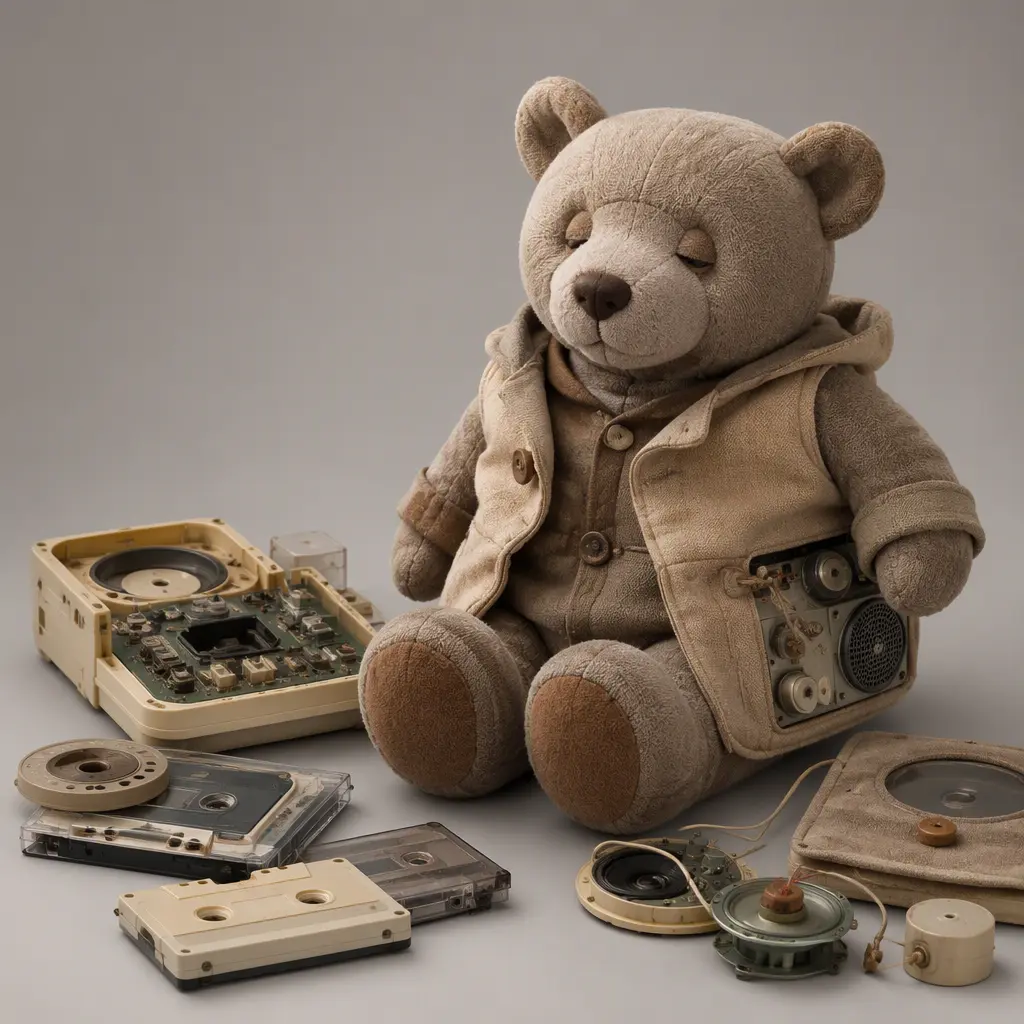
Anyone shopping for a Teddy Ruxpin today should think about whether they want a display collectible, a functioning storytelling toy, or a child-friendly modern version. Vintage bears can suffer from worn gears, battery corrosion, brittle wiring, or degraded foam inside the face mechanism. Restored examples are common in collector circles, but condition matters more than packaging. Modern editions are generally easier to maintain and safer for regular play, though some fans prefer the charm and slower pacing of the original cassette format.
- Original cassette-driven versions for collectors and nostalgia
- Updated digital editions with cleaner audio playback
- Complete sets with story media and accessories tend to be more desirable
- Check battery compartments and moving facial parts on older toys
- Avoid heavily worn units with cracking plastics or failing motors if you want regular use
Frequently asked questions
Did Teddy Ruxpin really move while telling stories?
Yes. The toy used internal motors connected to audio playback signals from cassette tapes or later digital systems. The mouth and eyes moved in sync with the recorded speech, creating a convincing storytelling effect for the time.
Why was Teddy Ruxpin considered innovative?
The toy arrived before internet-connected devices, tablets, and voice assistants became common. Combining synchronized animation, long-form audio storytelling, and plush comfort in a child-friendly format felt unusually advanced in the mid-1980s.
Are vintage versions still usable?
Many are, though age-related mechanical issues are common. Collectors often repair belts, motors, and battery compartments to restore functionality. Some owners also keep vintage units strictly for display while using modern reissues for everyday play.
Do modern children still enjoy toys like this?
Many do, especially younger children who respond well to character-driven storytelling. While modern kids are familiar with screens, a dedicated storytelling toy can still feel novel because it encourages listening, imagination, and tactile interaction without requiring constant visual attention.
Teddy Ruxpin now occupies an unusual place in toy history. It was not quite a robot, not just a stuffed animal, and not simply an audio player. Instead, it represented an early attempt to make technology feel warm, approachable, and emotionally engaging for children. Decades later, that idea remains familiar in everything from smart speakers to interactive learning toys. The technology has changed dramatically, but the core appeal of a comforting character telling a good story has proven surprisingly durable.