The Game Boy Advance and the Handheld Era It Connected
Nintendo’s 2001 Game Boy Advance blended classic cartridge gaming with faster hardware and portable design, creating a handheld that linked the arcade-inspired past to modern mobile play.
Compare prices and availability
Check current prices and availability for this guide on eBay.
As an eBay Partner, we may be compensated if you make a purchase.
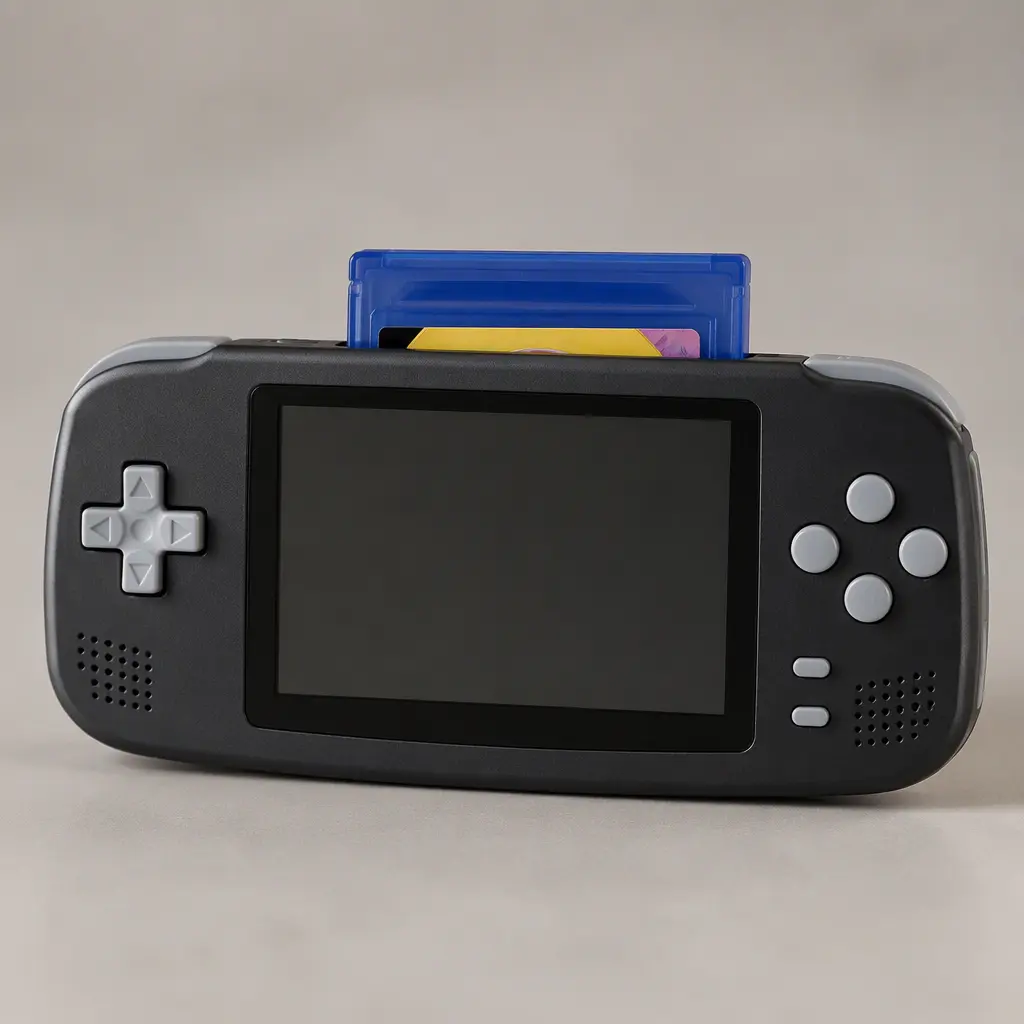
When the Game Boy Advance arrived in 2001, handheld gaming was already well established, but Nintendo’s new device changed expectations for what portable play could feel like. Earlier Game Boy systems were durable and accessible, yet technically modest even by the standards of their time. The Game Boy Advance, often shortened to GBA, brought brighter colors, faster performance, and a wider screen while keeping the pick-up-and-play simplicity that made handheld gaming popular in the first place. It became a bridge between generations: old enough to preserve cartridge-based gaming and local multiplayer habits, but modern enough to hint at the connected, always-available gaming culture that would follow.
Where it came from
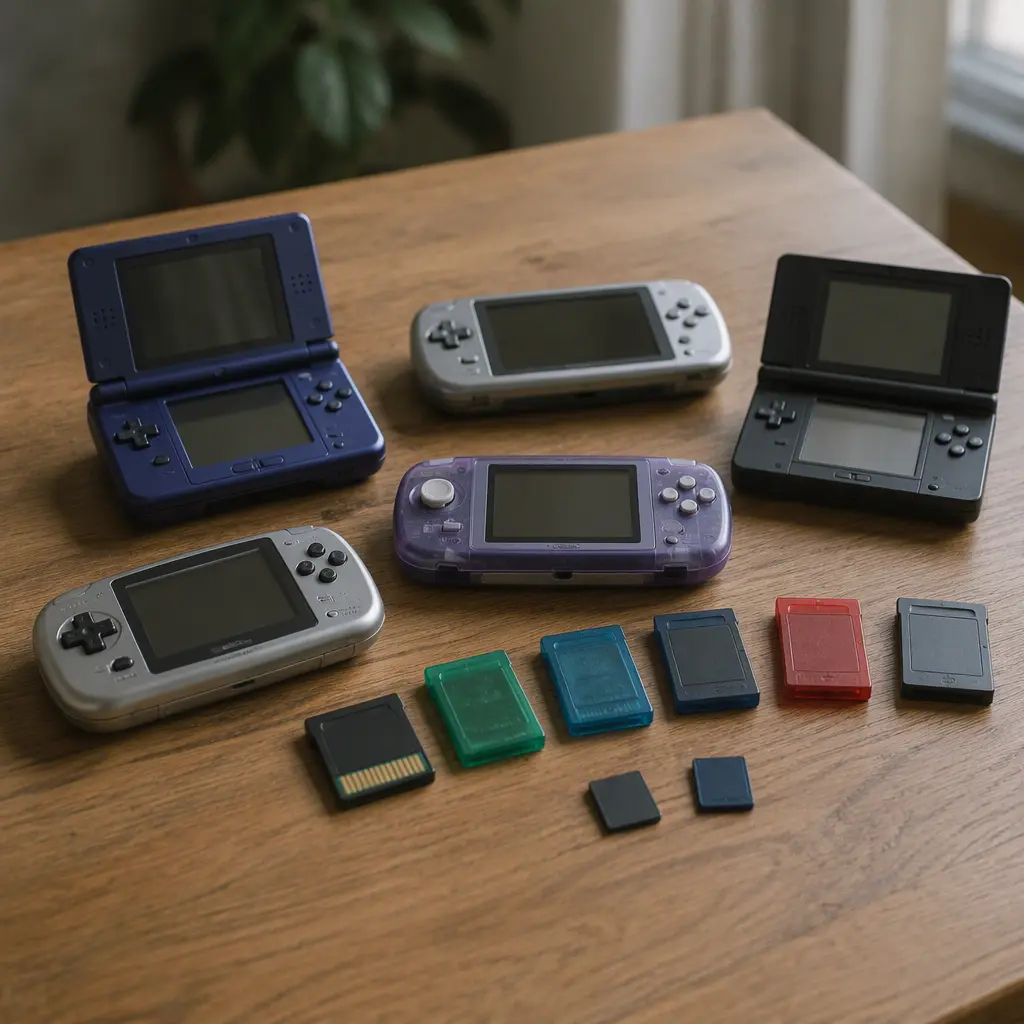
Nintendo released the Game Boy Advance in 2001 as the successor to the enormously successful original Game Boy line. By that point, portable gaming had already survived more than a decade of competition and changing technology. The original Game Boy from 1989 succeeded because it emphasized battery life, durability, and a strong software library over technical power. Nintendo kept that philosophy but recognized that players were expecting richer graphics and more ambitious games.
The Game Boy Advance was designed around a 32-bit processor and a horizontal layout that resembled a compact controller more than the vertical brick-like shape of earlier Game Boys. Importantly, Nintendo also made the system backward compatible with older Game Boy and Game Boy Color cartridges. That decision helped the GBA feel less like a replacement and more like a continuation of a familiar hobby. Players could carry years of gaming history in one machine, something that strengthened the system’s appeal to both children and longtime fans.
Why it works
Part of the Game Boy Advance’s enduring reputation comes from balance. It was powerful enough to support larger adventures, role-playing games, racing titles, and action games with smooth animation, but it still felt immediate and portable. Sessions could last five minutes or several hours. The cartridge format meant games loaded instantly, and the controls were simple enough for younger players while still responsive for experienced ones.
Nintendo and third-party developers also used the system to revisit older ideas in a portable format. Many classic console games were remade or adapted for the GBA, introducing younger players to earlier generations of game design. At the same time, original releases experimented with strategy mechanics, multiplayer linking, rhythm gameplay, and collectible systems that would later become common in modern gaming.
- Compact horizontal design that fit comfortably in smaller hands
- Backward compatibility with earlier Game Boy cartridges
- Large library spanning puzzle games, adventures, racing, and role-playing titles
- Link-cable multiplayer for local social play
- Long battery life compared with many electronic toys of the era
- Simple cartridge swapping with no installation process
Who it's for
The Game Boy Advance originally targeted children and teenagers, but its audience quickly expanded. Younger players appreciated its approachable controls and recognizable franchises, while adults often treated it as a portable extension of console gaming. Today, the system has become especially popular with retro gaming enthusiasts who want a physical alternative to digital downloads and phone-based gaming. Families also tend to value the GBA because its games are generally straightforward to start, easy to pause, and less tied to online services or subscriptions than modern systems.
Variants and what to look for today
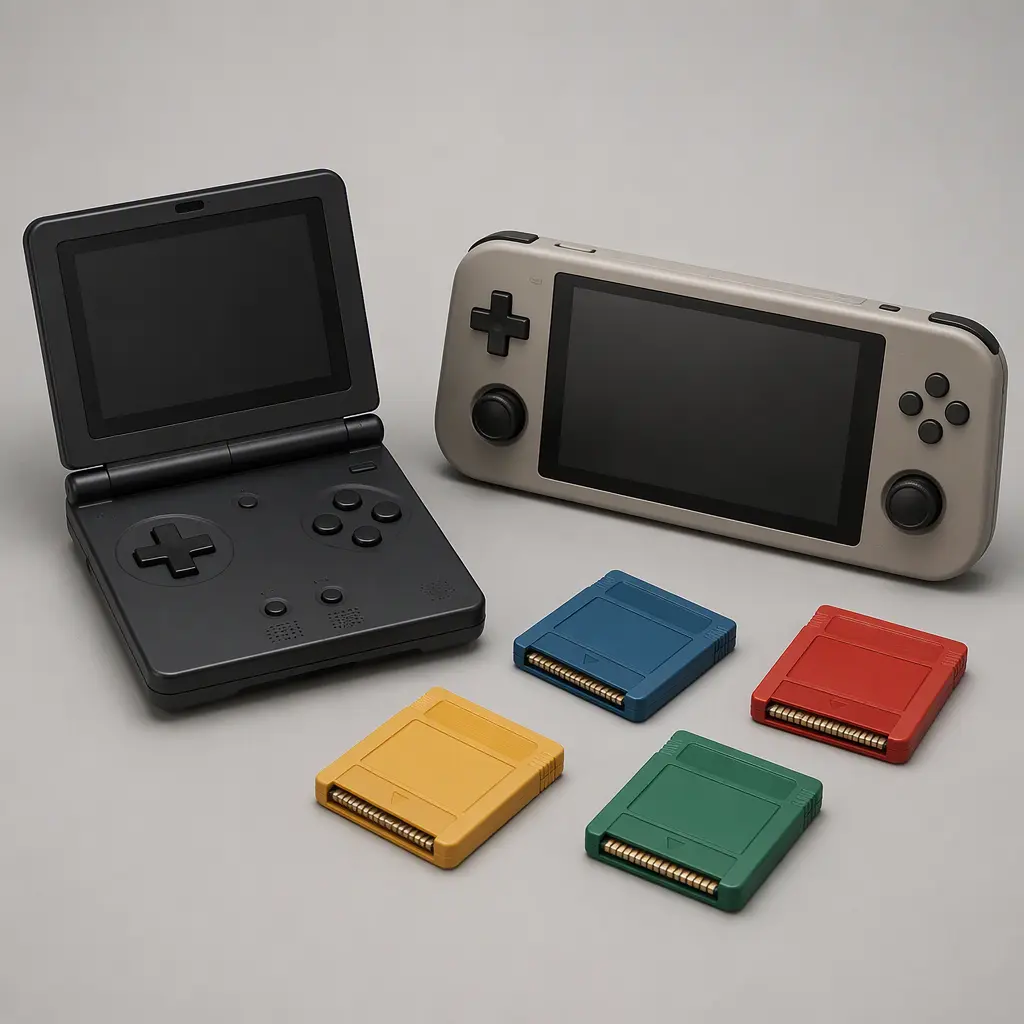
The original Game Boy Advance was followed by several revisions, each with a slightly different appeal. The Game Boy Advance SP introduced a folding clamshell design that protected the screen during travel and later versions added front or back lighting, solving one of the most common complaints about the original hardware. The Game Boy Micro arrived later with an extremely compact design aimed more at older players and collectors.
People shopping for a Game Boy Advance today often focus on screen quality, battery condition, and cartridge reliability. Because the system remained popular for years, there are many refurbished units and replacement parts available. Some owners install modern backlit screens or rechargeable battery packs, while others prefer untouched hardware for historical authenticity. Generic cartridges and heavily modified systems can vary in quality, so it helps to look for clean construction, responsive buttons, and reliable battery compartments rather than unusual cosmetic claims.
- Original wide-body Game Boy Advance for classic ergonomics
- Foldable handheld versions for easier travel and screen protection
- Refurbished systems with upgraded lighting
- Original cartridges for collectors and preservation fans
- Protective carrying cases and link cables for multiplayer sessions
Frequently asked questions
Was the Game Boy Advance powerful for its time?
Yes. Compared with earlier handheld systems, the Game Boy Advance represented a major technical leap. Its graphics, sound, and processing power allowed developers to create games that felt closer to home-console experiences while still running on portable hardware.
Why do collectors still care about the GBA?
Collectors often value the system because it sits at an important transition point in gaming history. It preserved physical cartridges and local multiplayer traditions while introducing more advanced visuals and larger game worlds. Its library also includes many influential titles that shaped later game design.
Can children still enjoy it today?
Many children still enjoy Game Boy Advance systems because the games are usually easy to understand and quick to start. Parents sometimes appreciate the lack of online chat features, downloadable purchases, and constant notifications that define many modern gaming platforms.
What made the SP version so popular?
The foldable Game Boy Advance SP solved practical problems. Its protected screen traveled more safely in backpacks and pockets, and later illuminated screens made games easier to see in dim environments. For many players, it became the definitive version of the hardware.
More than two decades after its release, the Game Boy Advance remains one of Nintendo’s most influential handheld systems. It carried forward the simplicity and durability of classic portable gaming while quietly introducing habits that modern players now take for granted: gaming anywhere, revisiting older titles through compatibility, and building libraries that mix nostalgia with new discoveries. Its hardware may look modest beside current devices, but the GBA still represents a moment when portable gaming became broad enough to connect generations of players.