TOMY Omnibot Hello! Zoomer and the Return of Home Robots
TOMY’s Omnibot Hello! Zoomer revives a long-running robot toy brand with voice interaction, app-connected features and a focus on personality, while raising familiar questions about support and long-term play.
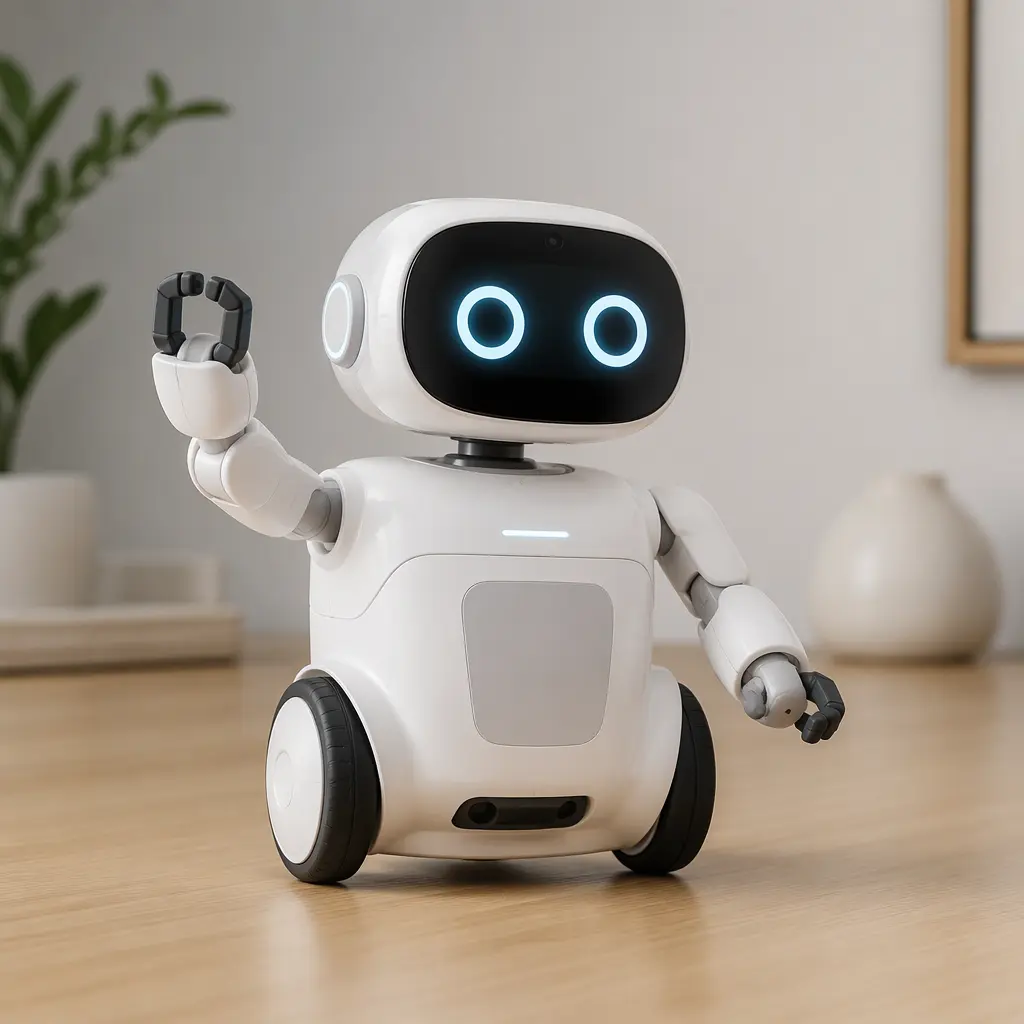
Compare prices and availability
Check current prices and availability for this guide on eBay.
As an eBay Partner, we may be compensated if you make a purchase.
Robot toys tend to arrive in waves. One generation gets remote-control stunt bots, another gets coding kits, and then a product appears that tries to make the machine feel more like a companion than a gadget. TOMY’s Omnibot Hello! Zoomer sits in that tradition. It revives the Omnibot name, a brand associated with home robots for decades, and updates it for an era shaped by voice assistants, mobile apps and connected devices. The result is less about industrial-style robotics and more about personality, conversation and responsive play.
Where it came from
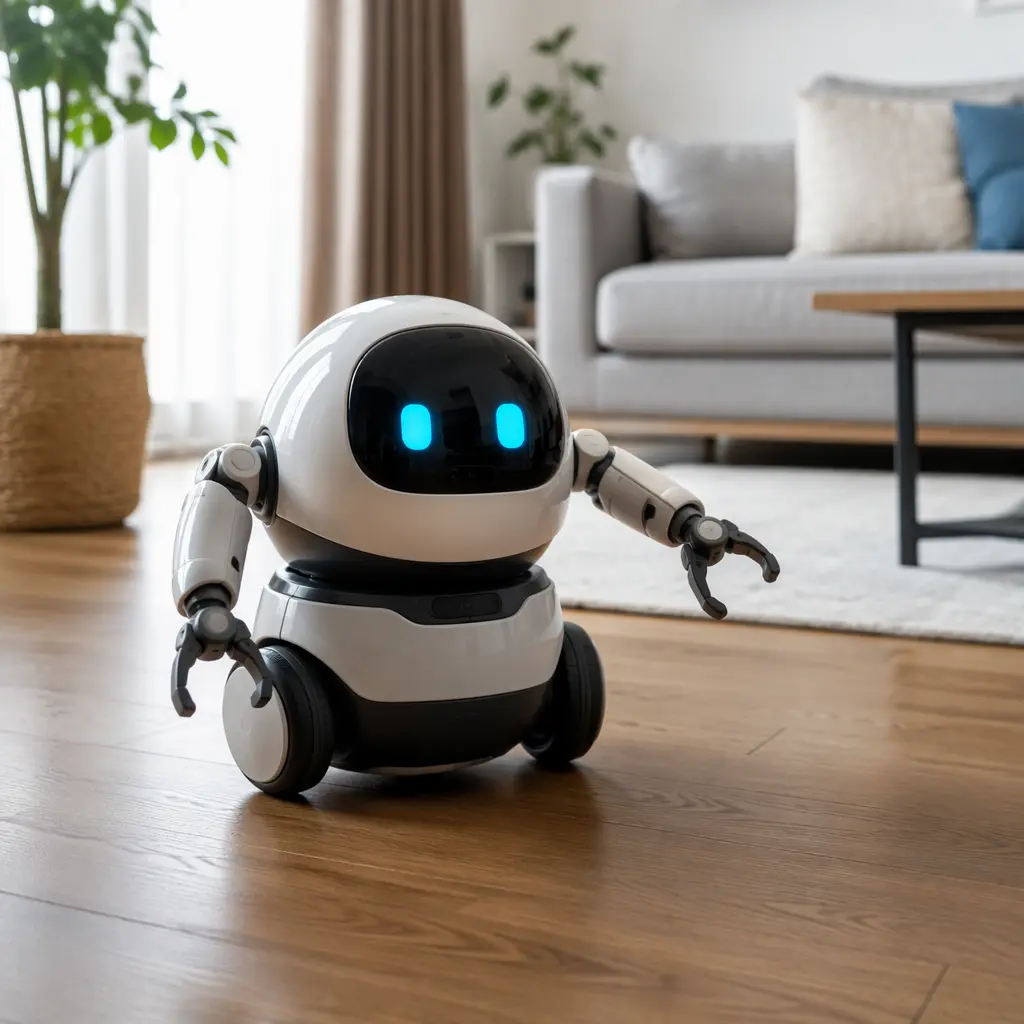
The Omnibot name reaches back to TOMY’s earlier robot toys from the 1980s, when consumer robotics carried a futuristic appeal shaped by science fiction, early home computing and radio-controlled gadgets. Those earlier products focused heavily on mechanical movement and remote operation. Some could carry trays, respond to commands or perform simple programmed actions, turning the idea of a household robot into a toy-store reality long before smart speakers existed.
Hello! Zoomer reflects a different technological moment. Contemporary robot toys are expected to react, speak and connect with apps or smart devices in ways that earlier generations could not. Manufacturers now compete on interactivity and personality as much as movement. That shift also changes how families evaluate the product. A toy robot today is not only judged on motors and sounds, but also on software support, companion apps, firmware updates and whether voice features continue working over time.
Why it works
The appeal of a robot toy like Hello! Zoomer comes from layered interaction. At the simplest level, motion still matters. Rolling movement, expressive lighting and animated gestures create the illusion of awareness, even when the underlying systems are relatively straightforward. Add voice interaction and sound effects, and the toy begins to feel less like a vehicle and more like a character. Children often respond strongly to predictable routines mixed with small surprises, which is why robot pets and companion-style electronics remain popular.
At the same time, modern connected toys raise practical considerations. App-linked features can expand activities and customization, but they also create dependency on phones, tablets or cloud-connected services. Parents increasingly pay attention to whether a toy remains useful offline, what permissions an app requests and how long software support may realistically continue. That does not make connected robot toys less appealing, but it does shift the conversation from pure novelty toward long-term usability.
- Voice interaction designed to simulate conversation and responsiveness
- Animated movement using wheels, lights and motorized gestures
- App-connected features that may expand customization or activities
- Personality-driven play built around reactions and routines
- Rechargeable or battery-powered operation typical of modern robot toys
Who it's for
Hello! Zoomer is aimed at children who enjoy interactive electronics more than traditional construction toys. Kids drawn to digital pets, voice assistants or animated gadgets are likely to understand the appeal quickly. Younger children may focus on the robot’s sounds and reactions, while older users may explore app functions and customization. Adult collectors also have a reason to pay attention because the Omnibot branding connects directly to an earlier era of consumer robotics. For some buyers, the nostalgia factor is as important as the technology itself. As with many connected toys, families should check device compatibility, app-region availability and account requirements before purchase.

Variants and what to look for today
Robot toy lines often evolve quickly after launch, with manufacturers introducing alternate colors, accessory bundles or software updates rather than radically different hardware. Buyers looking at Hello! Zoomer should focus less on cosmetic packaging differences and more on practical support questions. Is the companion app still actively available? Does the toy retain meaningful functions without internet access? Are replacement charging cables or accessories easy to source through standard retailers?
Another consideration is the broader category itself. Interactive robots now compete with smart speakers, tablets and AI chat experiences that can feel more conversational than a toy. That means dedicated robot toys need to justify their place through movement, tactile play and personality. A physical robot still offers something screens alone cannot: presence in a room, visible reactions and a toy-like identity that feels separate from general-purpose devices.
- Look for official retailer listings with current app compatibility information
- Check whether setup requires a persistent online account
- Consider offline play value if servers or apps eventually change
- Be cautious of generic imitation robots with unclear software support
- Review charging methods and replacement accessory availability before buying
Frequently asked questions
Is Hello! Zoomer an AI robot?
Products in this category generally combine scripted responses, sensors and programmed interactions rather than fully open-ended generative AI. Voice recognition and reactive behavior may create the impression of conversation, but the toy operates within designed interaction systems.
Does it still work without the app?
That depends on how TOMY structures the feature set. Many connected robot toys retain basic movement and sound functions without an app, while customization, updates or expanded activities may require a compatible device and internet access.
Why do robot toys lose support over time?
App stores, operating systems and cloud services change regularly. A toy tied closely to mobile software may eventually face compatibility issues if updates stop. This is one reason some parents prioritize toys with meaningful standalone play features.
Are robot toys mainly for children?
Not entirely. Interactive robots often attract collectors, retro-tech fans and adults interested in consumer robotics history. The Omnibot name in particular carries recognition among people familiar with earlier generations of TOMY electronic toys.
Hello! Zoomer arrives at a moment when toy companies are revisiting ideas that once felt futuristic and adapting them to connected households. The challenge is no longer simply making a robot move across the floor. It is making that robot feel engaging after the novelty fades, while keeping apps, voice features and support reliable enough to justify the technology inside. Whether viewed as a child’s companion toy or a continuation of the Omnibot legacy, it represents how modern toy robotics now sits somewhere between classic plaything and consumer electronics product.