The Toy Piano: How a Small Keyboard Opened Big Musical Doors
From nursery playrooms to concert halls, the toy piano has quietly introduced generations of children to music through curiosity, repetition, and play.
Compare prices and availability
Check current prices and availability for this guide on eBay.
As an eBay Partner, we may be compensated if you make a purchase.
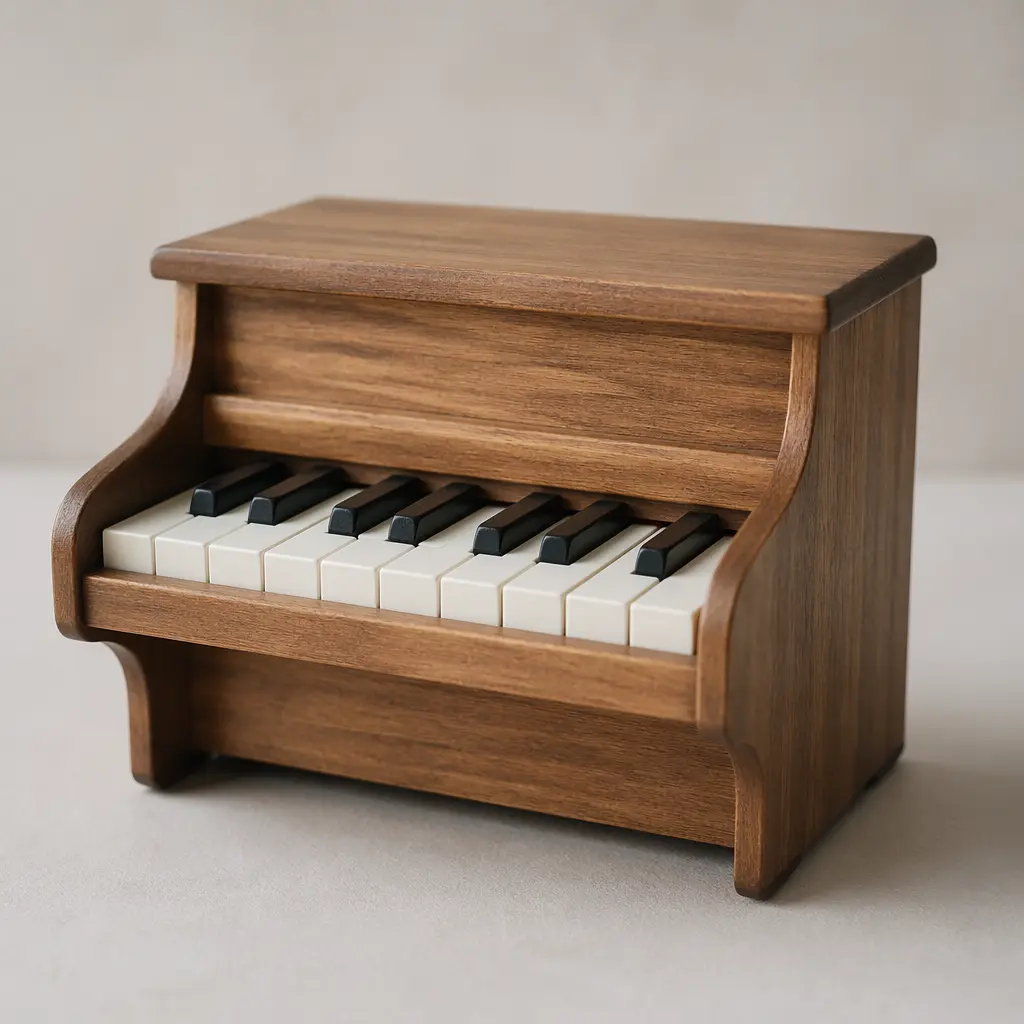
The toy piano is one of those objects that seems almost self-explanatory—and that’s exactly why it has lasted. Small enough for a child, simple enough to explore without instruction, it offers an immediate connection between touch and sound. Press a key, hear a note. For many families, that moment is a child’s first experience of making music rather than just listening to it.
Where it came from
Toy pianos appeared in the late 19th and early 20th centuries, alongside a broader movement to create child-sized versions of adult tools and instruments. Early examples were often made from wood and metal and were intended as introductions to the real piano, which at the time was a centrepiece of many homes.
As mass manufacturing expanded, toy pianos became more affordable and more widespread. They were never meant to replace formal music education, but to spark interest. By the mid-20th century, they were a familiar sight in nurseries and classrooms, valued for encouraging rhythm, listening, and hand coordination long before children could manage a full-sized instrument.
Why it works
The toy piano works because it removes barriers. There are no rules to learn before you can start playing, no screens, and no right or wrong outcomes. Children can explore freely, repeating sounds they like and experimenting with patterns. That kind of open-ended play is especially powerful in early childhood.
Unlike electronic toys that guide play with lights and prompts, the toy piano asks children to listen. Notes are produced mechanically—often by small metal bars struck by hammers—so each key press feels connected to the sound it makes.
- Immediate cause-and-effect between key press and sound
- Scaled size that fits small hands and short attention spans
- Simple layout that mirrors a real piano keyboard
- Encourages repetition, rhythm, and early musical memory
Who it’s for
Toy pianos are typically aimed at toddlers and preschoolers, often from around 18 months onward, depending on construction and safety features. They suit children who enjoy sound, movement, and imitation. There’s also a surprising adult audience: musicians, collectors, and parents who remember their own childhood versions often keep one around as a playful, low-pressure instrument.
Variants and what to look for today
Modern toy pianos range from traditional wooden models to colourful plastic versions. Some stay close to the classic design, with a limited number of keys and a natural, bell-like tone. Others add bright colours or simplified shapes to appeal to younger children.
When choosing one today, it’s worth focusing less on gimmicks and more on build quality. Keys should move smoothly and return easily, and the instrument should feel stable on the floor or table. Overly loud or tinny sounds can shorten playtime rather than extend it.
Frequently asked questions
Is a toy piano tuned like a real piano?
Not exactly. Most toy pianos are roughly tuned but don’t follow concert pitch. That’s intentional: the focus is on exploration and rhythm rather than technical accuracy.
Can a toy piano help with music learning later on?
Yes, in an indirect way. Familiarity with keys, patterns, and cause-and-effect can make the transition to a real instrument feel less intimidating.
Are electronic toy keyboards the same thing?
They serve a different purpose. Electronic keyboards often guide play with demos and effects, while toy pianos rely on physical sound-making and free exploration.
How long do children typically play with a toy piano?
Interest often comes in waves. A child may return to it repeatedly over months or years, especially as their coordination and curiosity grow.
The toy piano has never been about virtuosity. Its enduring value lies in how easily it invites children into the world of sound. Long after specific toys are outgrown, that first experience of making music—on a tiny set of keys—often stays with them.